
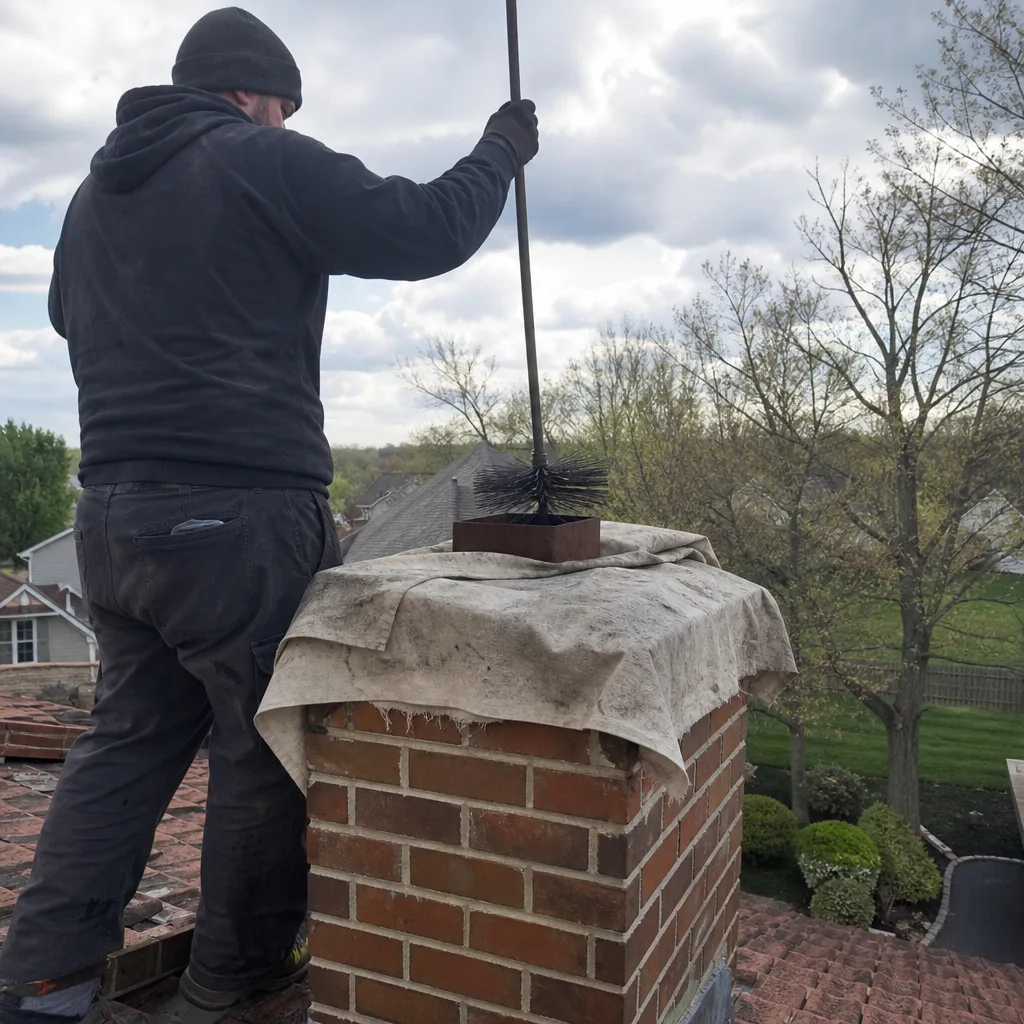
Level 1 sweep and inspection to the NFPA 211 annual standard - flue, crown, cap, and flashing checked and photographed
Chimney sweep logs do not sweep chimneys. They loosen some creosote - which then falls where a brush and vacuum still have to collect it.
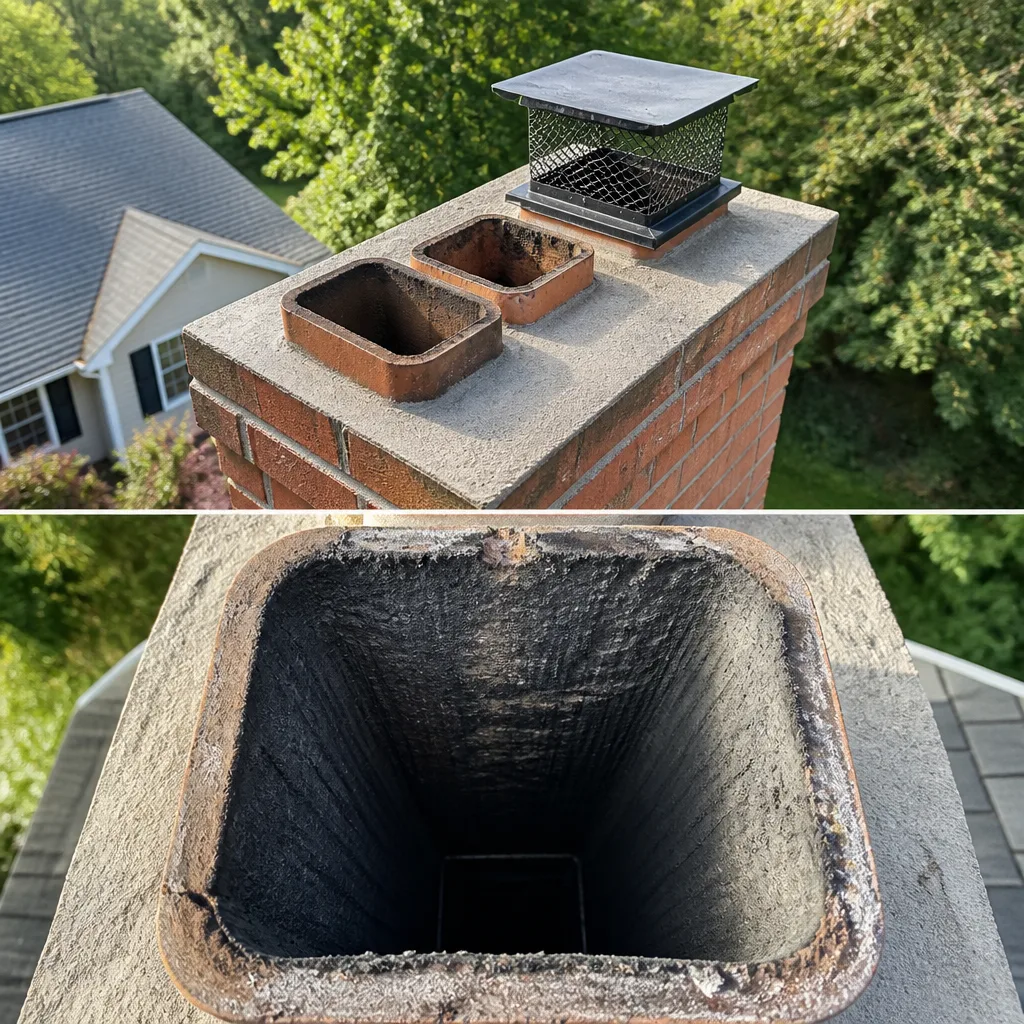
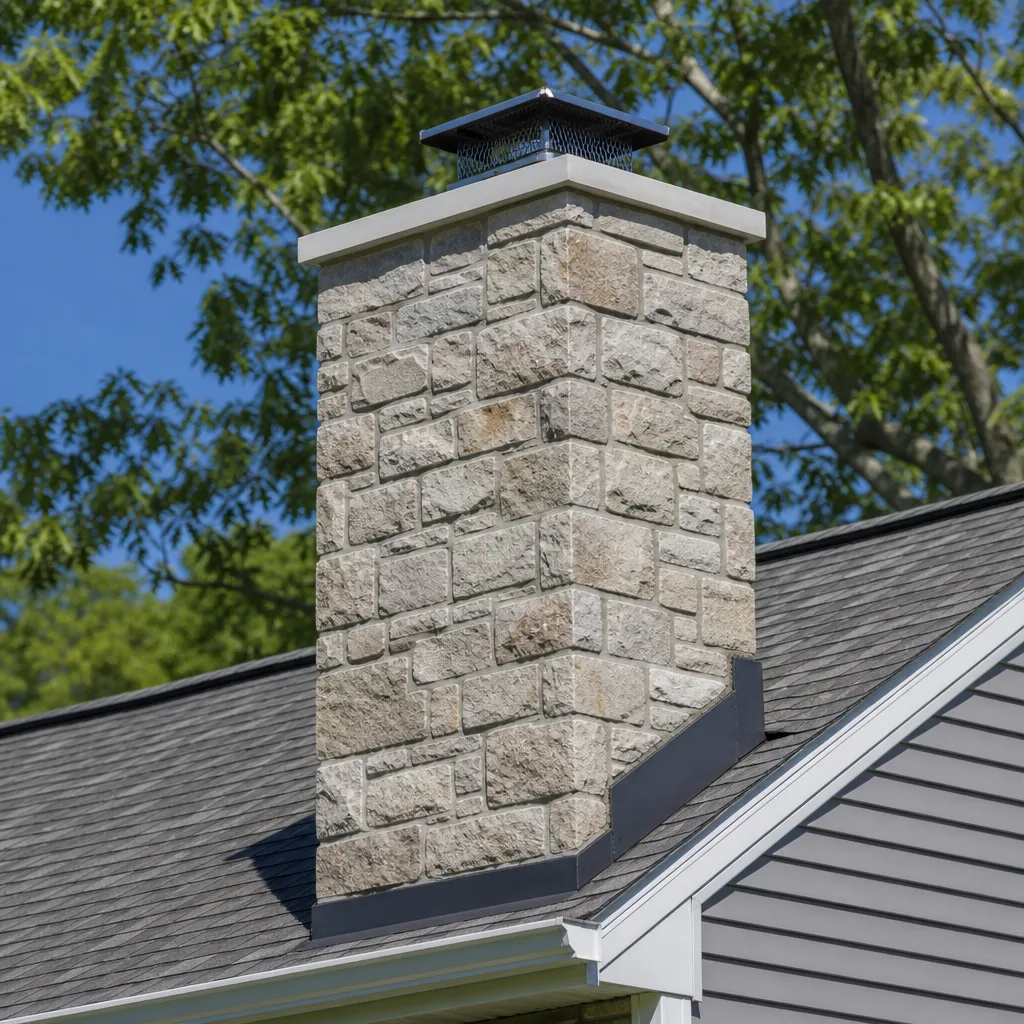
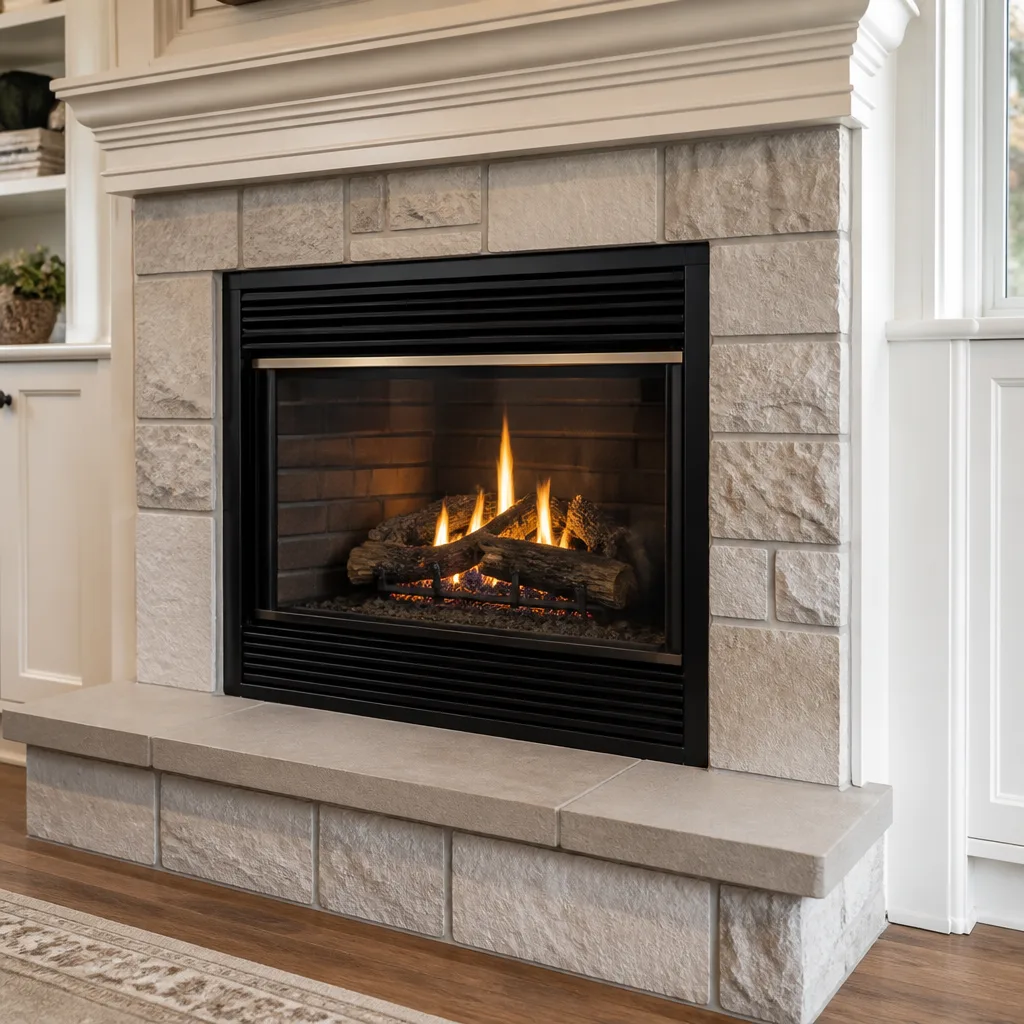
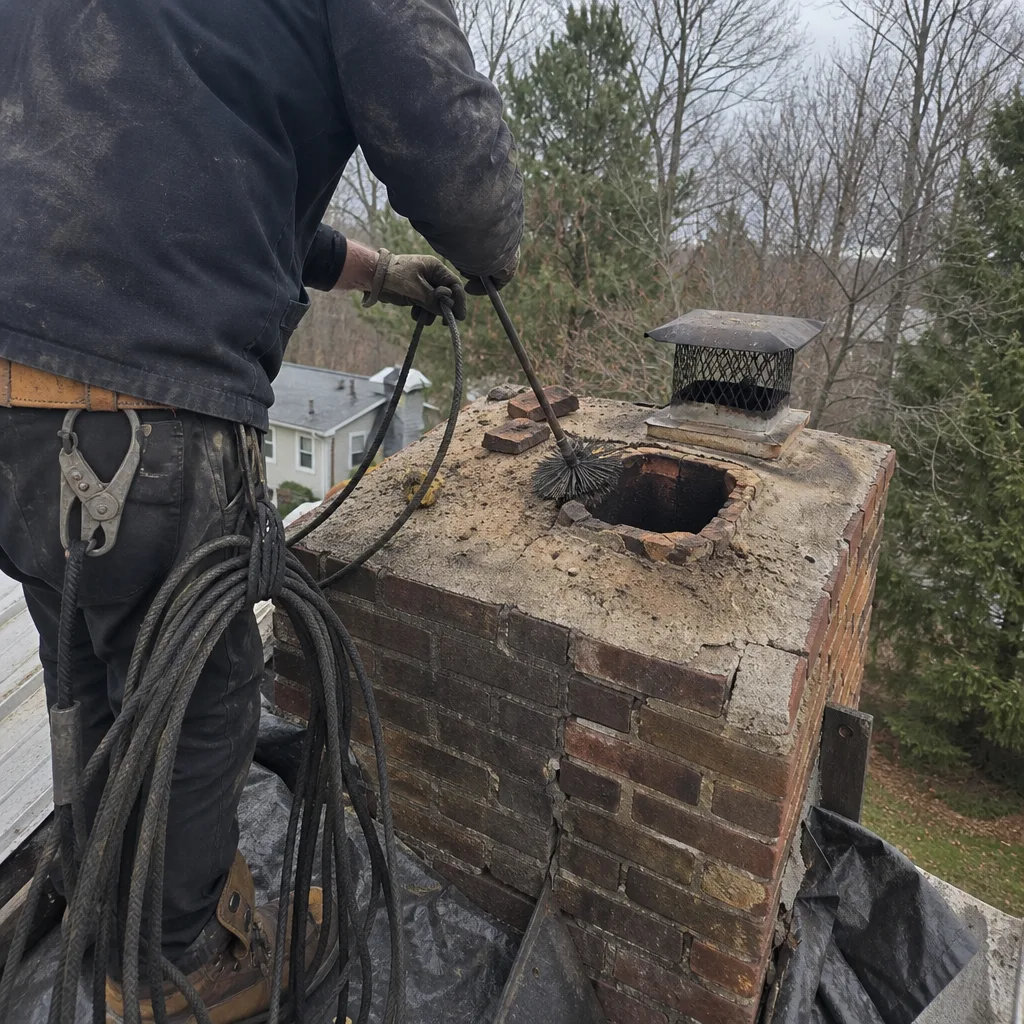 Before
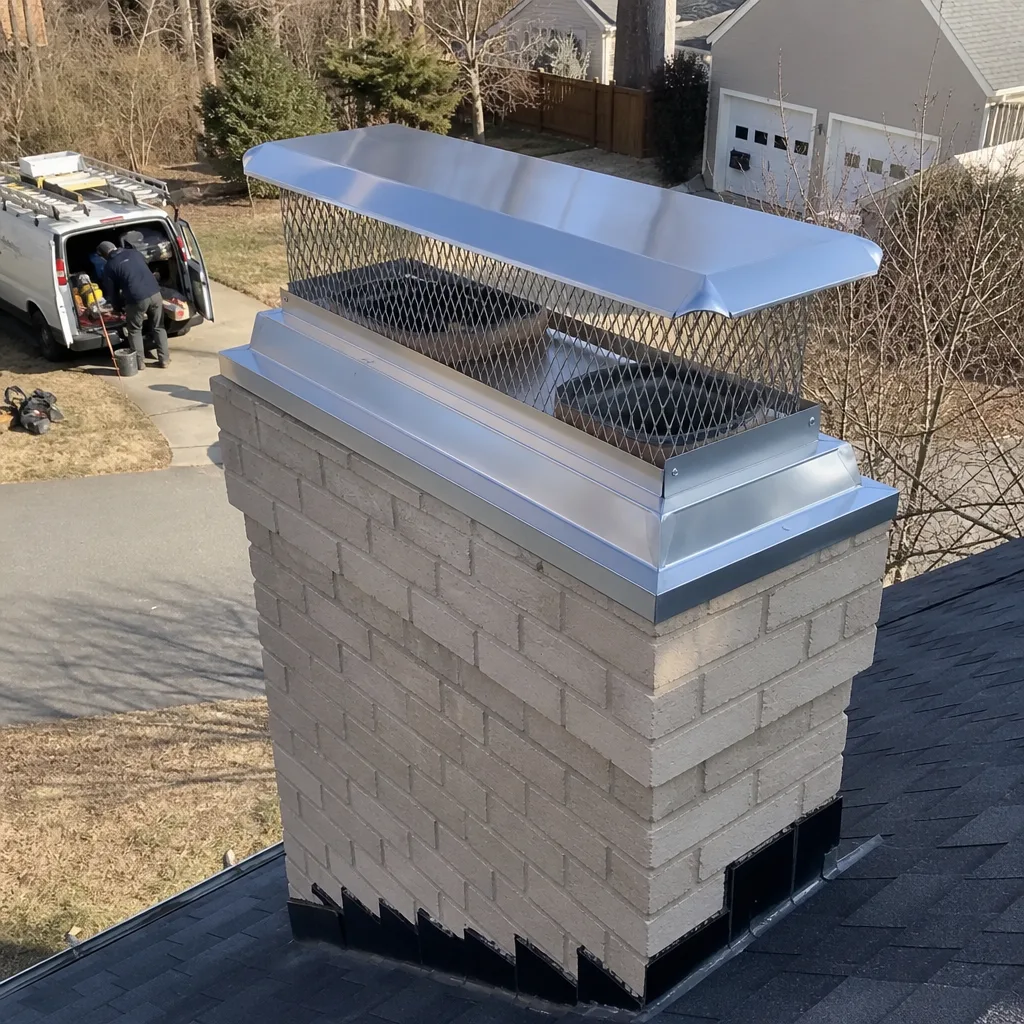 After
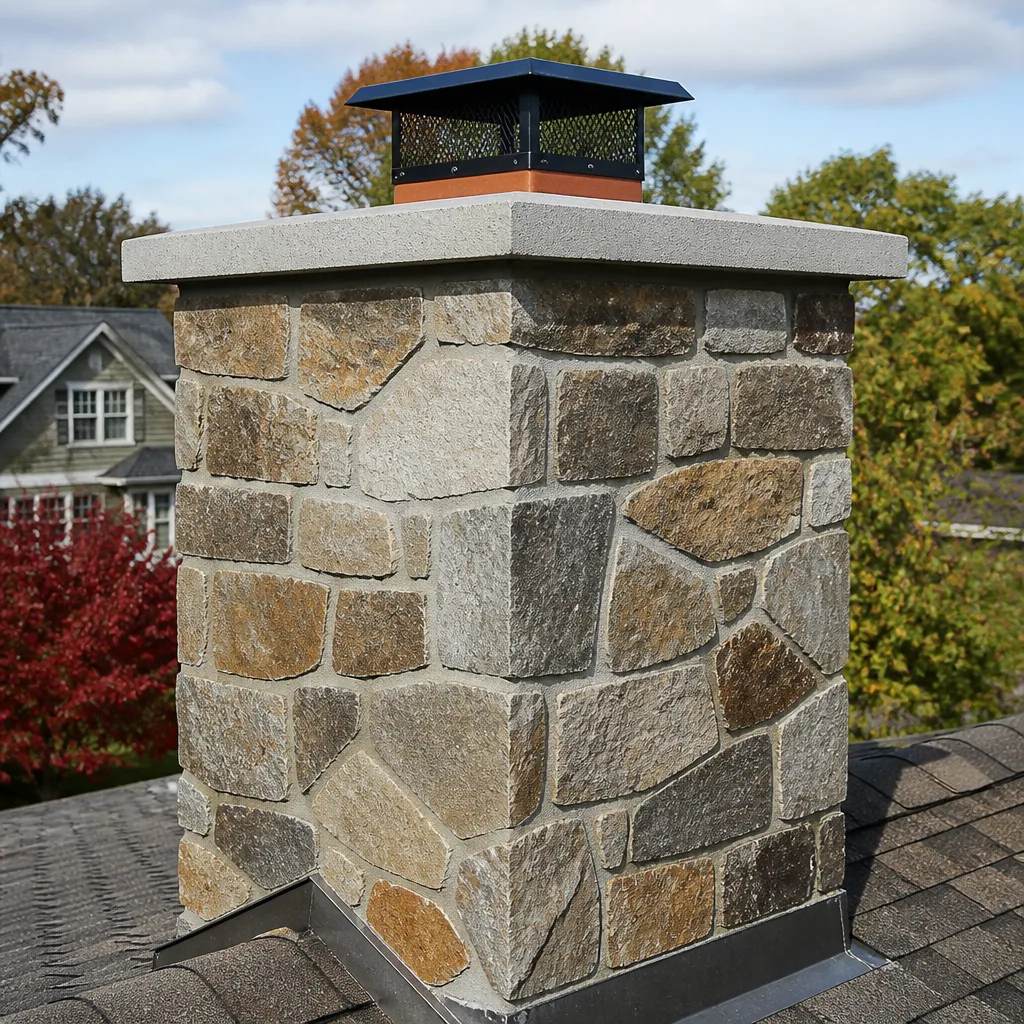
After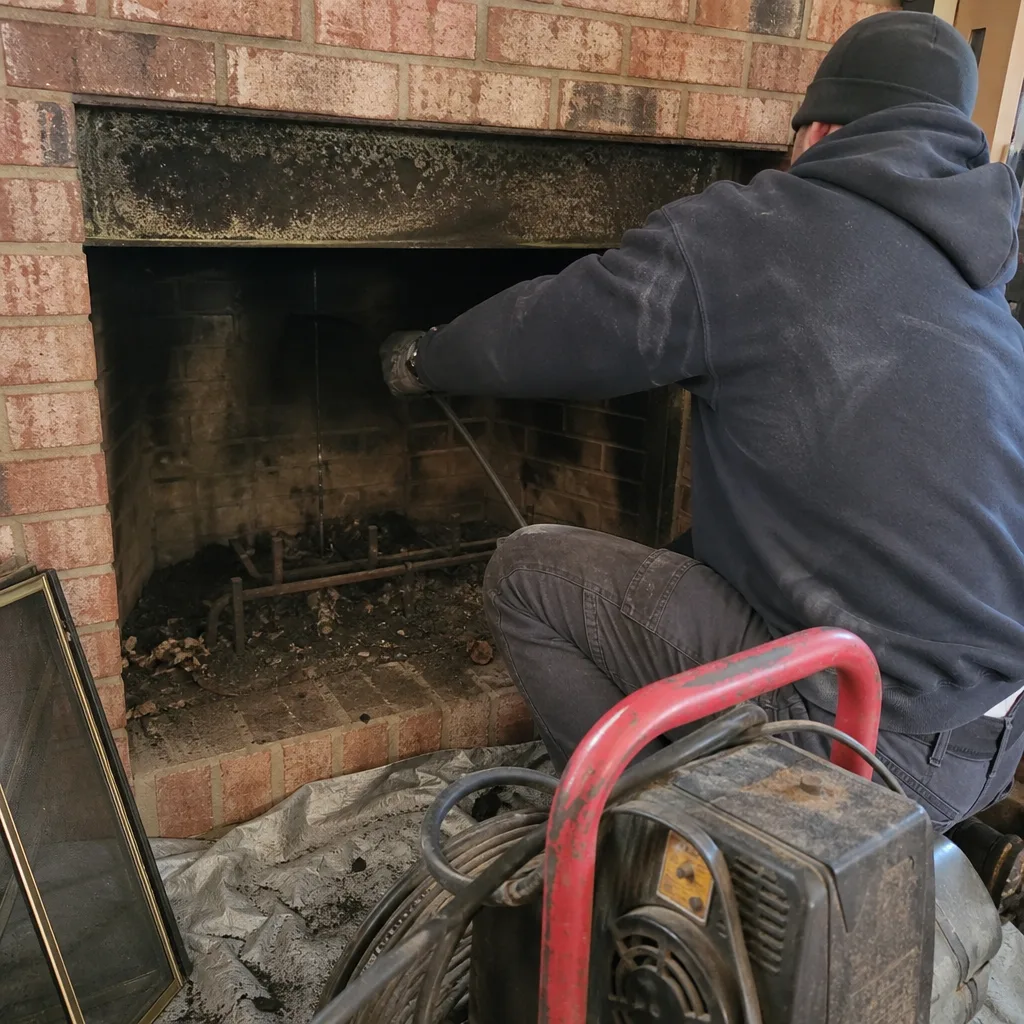 Before
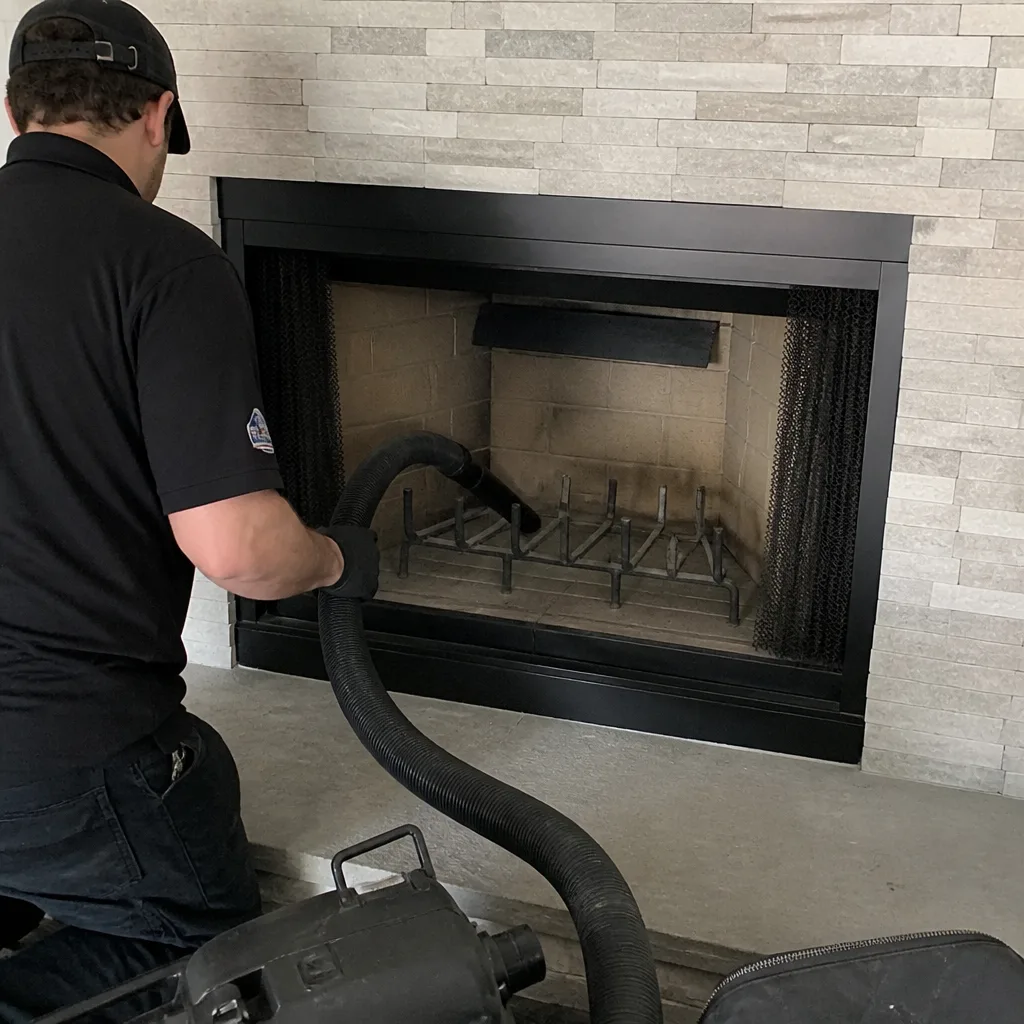 After
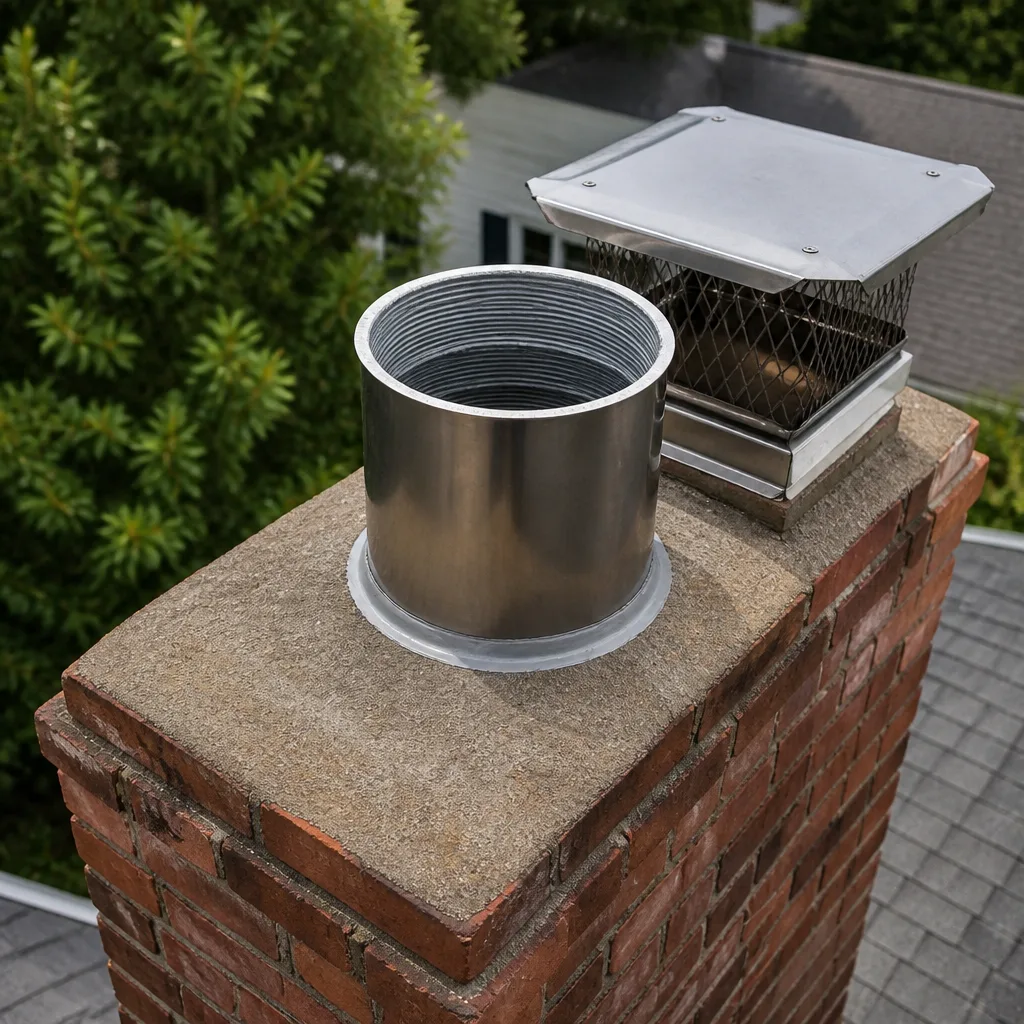
After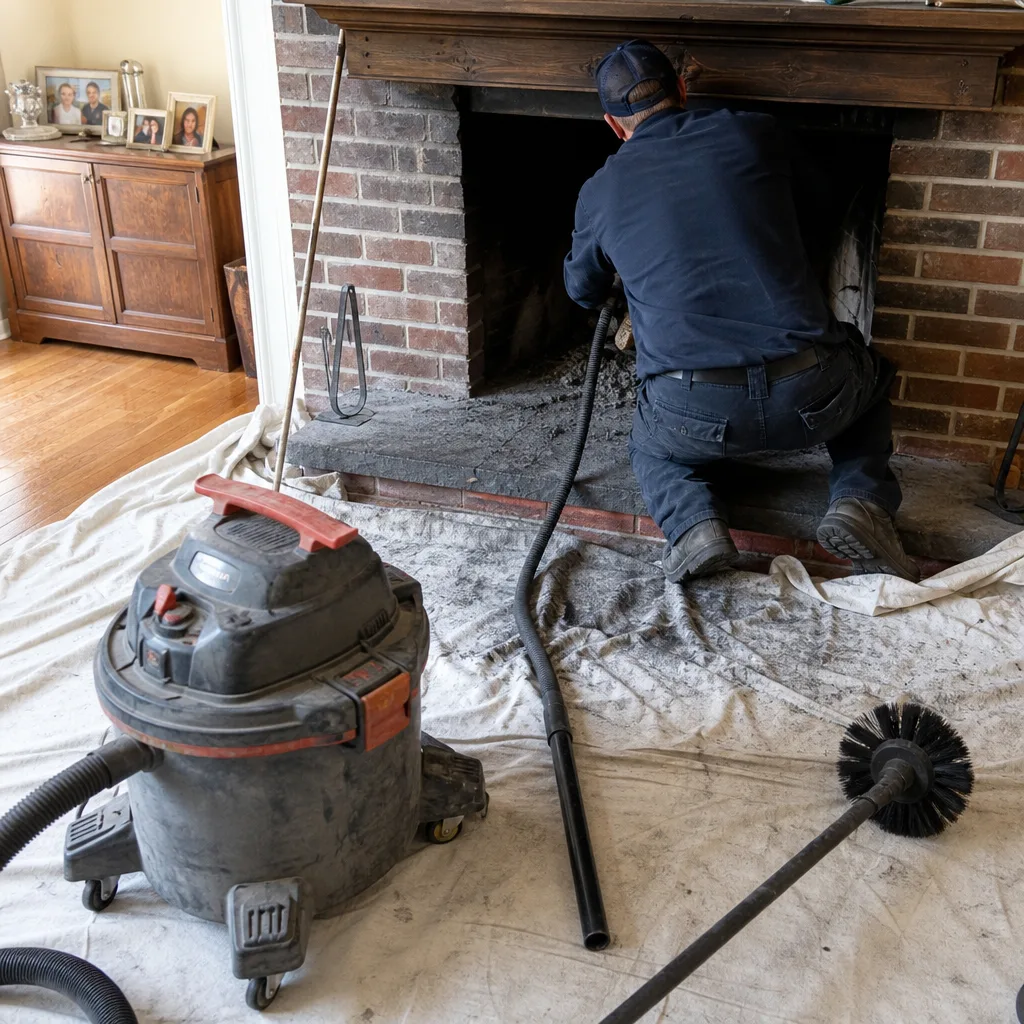 Before
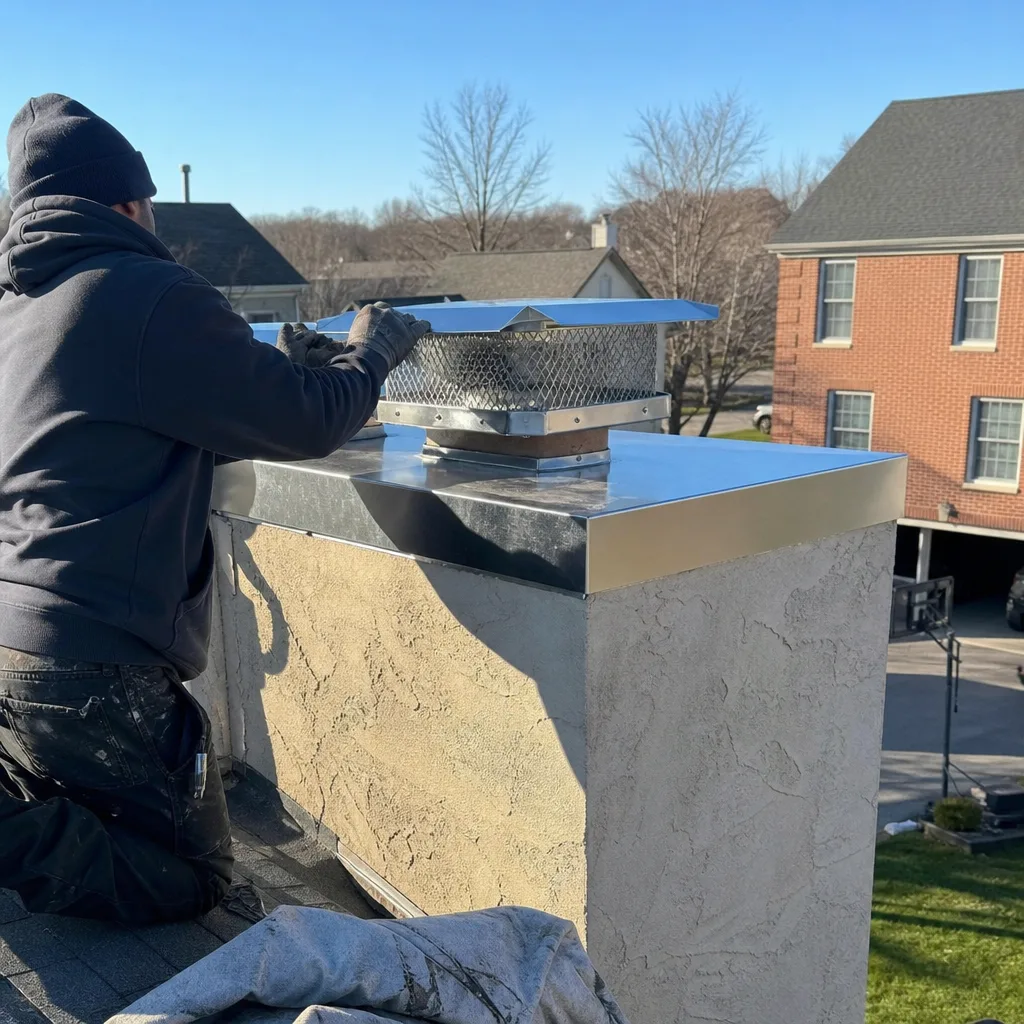 After
AfterCreosote Removal in Leesburg, VA
Creosote removal in Leesburg, VA typically costs between $175 and $650, depending on the class of buildup found in your flue. Most appointments are same-day or next-day, and every job starts with a camera scan of the flue liner before a single brush goes in. If you want a written price before anyone touches your chimney, call (571) 601-3174 – a live person answers around the clock.
Level Two Chimney Co. has inspected and cleaned more than 38,000 chimneys since 2009, and Chimney Cleaning & Sweep services for creosote removal are one of the most common reasons Leesburg homeowners call us. Northern Virginia’s burn season runs long – from October through late March in a mild year – and the mix of oak, hickory, and cherry that most Loudoun County residents burn creates exactly the slow-combustion, high-tar conditions that accelerate creosote formation. We see it constantly in the older colonials off Route 15, in the newer construction along Battlefield Parkway, and in the townhomes near Village at Leesburg where fireplaces are used hard on cold weekends.
Creosote removal sits inside our broader Chimney Cleaning & Sweep in Leesburg service, but it deserves its own page because the process, the tools, and the stakes are different depending on what class of buildup your flue holds. A flashlight look from below can’t tell you that. A camera scan can. That camera scan – conducted to NFPA 211 Level 2 standards and documented in a photo record you keep – is how every Level Two visit begins, and it is Clause 4 of the Haven Standard for a reason.
What Creosote Is and Why Class Matters
Creosote is the byproduct of incomplete combustion. When smoke cools before it exits the flue, the unburned organic compounds in it condense on the liner walls. Over time, that condensate builds up in layers. The trade classifies those layers in three stages, and the distinction matters because the removal method – and the cost – changes at each one.
- Class I creosote is the dusty, flaky, gray-brown deposit that sweeps away cleanly with standard rotary brushes. It’s what you want to find. Most homeowners burning seasoned hardwood and using their fireplace a few times a week will sit here at the end of a normal season.
- Class II creosote is the shiny, tar-like coating that has begun to harden into a crust. Brushes alone won’t remove it. It requires chemical treatments – typically a rottenstone or proprietary creosote dissolvent applied to the liner walls – followed by mechanical agitation. Left in place, Class II can advance to Class III within a single heavy-use season.
- Class III creosote is the dense, glazed, honeycombed carbon that looks almost like poured foam inside the flue. It is highly concentrated, burns at temperatures that can exceed 2,000°F, and is a direct chimney fire risk. Removing Class III requires specialized chemical treatments, multiple visits in some cases, and a post-removal camera inspection to confirm the liner isn’t cracked. In serious cases, liner replacement is the safer path. Corrine Halstead and the Level Two team will tell you that plainly, in writing, before any work begins – not after the tech is already on your roof.
We name the class in the written scope you receive before work starts. You’ll know exactly what we found, what the camera showed, and what it costs to fix it.
When You Need Creosote Removal
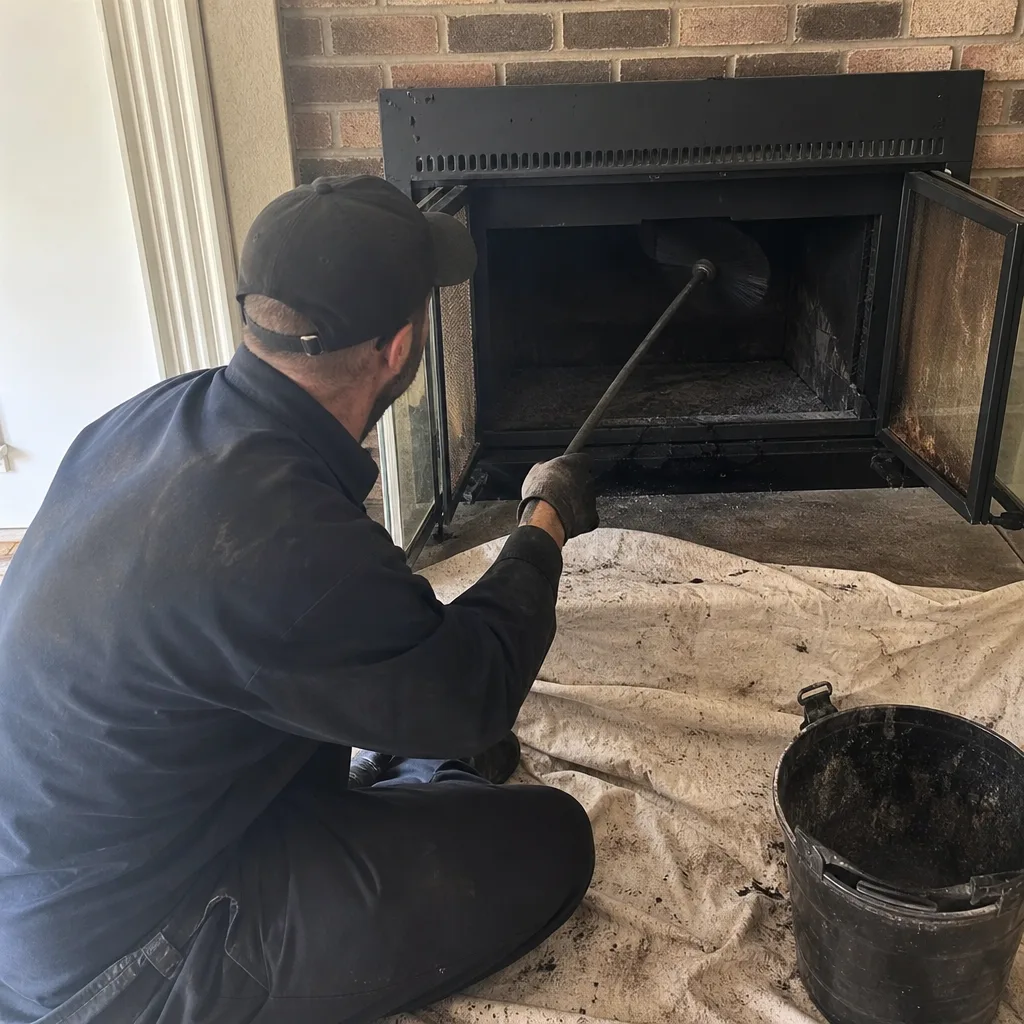
Some of these signs are obvious. Others are things only a camera scan will catch. If any of the following apply, schedule a Level 2 Inspection before you light another fire.
- A strong, oily smoke smell in the room, even when the damper is closed. This is often Class II or Class III creosote off-gassing through a cracked liner or a poorly-sealing damper plate. In Leesburg’s humid summers, the smell intensifies because creosote absorbs moisture.
- Visible black staining around the firebox opening or on the smoke shelf. Staining below the damper line usually means the flue is restricting draw, which means buildup is likely significant.
- You haven’t had a sweep in more than 12 months and burned regularly last season. NFPA 211 recommends annual inspection and cleaning for any actively used fireplace. In Leesburg, where many homes have fireplaces that go hard November through February, one season of moderate use is enough to move from Class I to Class II.
- A previous sweep noted “heavy deposits” or “glazing” in their report. If you have a written inspection report from another company flagging creosote buildup, bring it to us – the Free Second Opinion on any written estimate is always available. We’ll camera-scan the flue and give you a written scope and price.
- You burned green wood, cardboard, or trash in the fireplace. Wet or chemically treated fuel is the fastest route to Class III buildup. If this happened even once, a camera inspection is the only responsible next step.
- You heard a roaring or whooshing sound from the chimney during a fire, or noticed a sudden surge in flame intensity. These are classic signs of a chimney fire already in progress, or one that occurred and self-extinguished. Either scenario requires immediate inspection – Class III creosote can sustain internal fires that the homeowner never directly observes, but that fracture the liner and deposit carbon throughout the flue system.
BeforeAfterOur Creosote Removal Process
Nothing in our process is improvised on the day. Below is the sequence every Level Two technician follows on a creosote removal appointment in Leesburg. It doesn’t change based on job size or how much buildup we find.
- Camera scan before anything else. The technician runs a camera down the full length of the flue liner – from the crown at the top to the smoke chamber at the bottom – documenting what’s present, where, and in what quantity. The camera footage and still photos become part of the documented record you keep under Haven Standard Clause 4. This step determines whether you’re looking at a Class I, II, or III job and sets the written scope.
- Written price delivered before work starts. Based on what the camera shows, Corrine Halstead’s team produces a written price, written scope, and written warranty before a single brush or chemical enters the flue. This is Haven Standard Clause 1 – “Have it in writing.” There is no scenario in which work begins before you have seen and agreed to that document.
- Protective containment setup inside the home. The technician seals the firebox opening with drop cloths and dust barriers. In Leesburg homes with formal living rooms or light carpeting near the hearth, this step matters. We treat the interior the same way we treat the flue – methodically.
- Mechanical removal for Class I and Class II deposits. Rotary brush systems matched to your liner diameter work the full flue length, breaking loose dusty and flaky deposits. For Class II hardened tar crust, a chemical creosote dissolvent is applied first – typically a product from our supply network through Copperfield or Olympia Chimney – allowed to penetrate the glaze, then followed by mechanical agitation. Debris falls to the firebox and is vacuumed out using HEPA equipment.
- Chemical treatment application for Class III. Class III glazed deposits require a specialized high-concentration chemical agent that converts the carbon surface to a brushable ash over 14 to 21 days. In most cases this means a first treatment visit, a waiting period, and a second removal visit. We schedule both at the outset and tell you the timeline plainly. Safety note: Class III removal should never be attempted as a DIY project. The chemicals involved are concentrated, and disturbing glazed creosote without proper containment and ventilation creates real respiratory and fire risk. The liner’s structural integrity also needs to be confirmed by camera before the flue is used again.
- Post-removal camera inspection and documentation. After removal, the camera goes back down. We document the cleaned liner, note any damage revealed once the creosote is gone (cracks, spalling, deteriorated mortar joints), and include those findings in your written record. If repairs are needed, you get a written scope and price before we schedule them. You walk away with photos, findings, and a 365-Day Done Right Promise on the work completed.
Creosote Removal Pricing in Leesburg
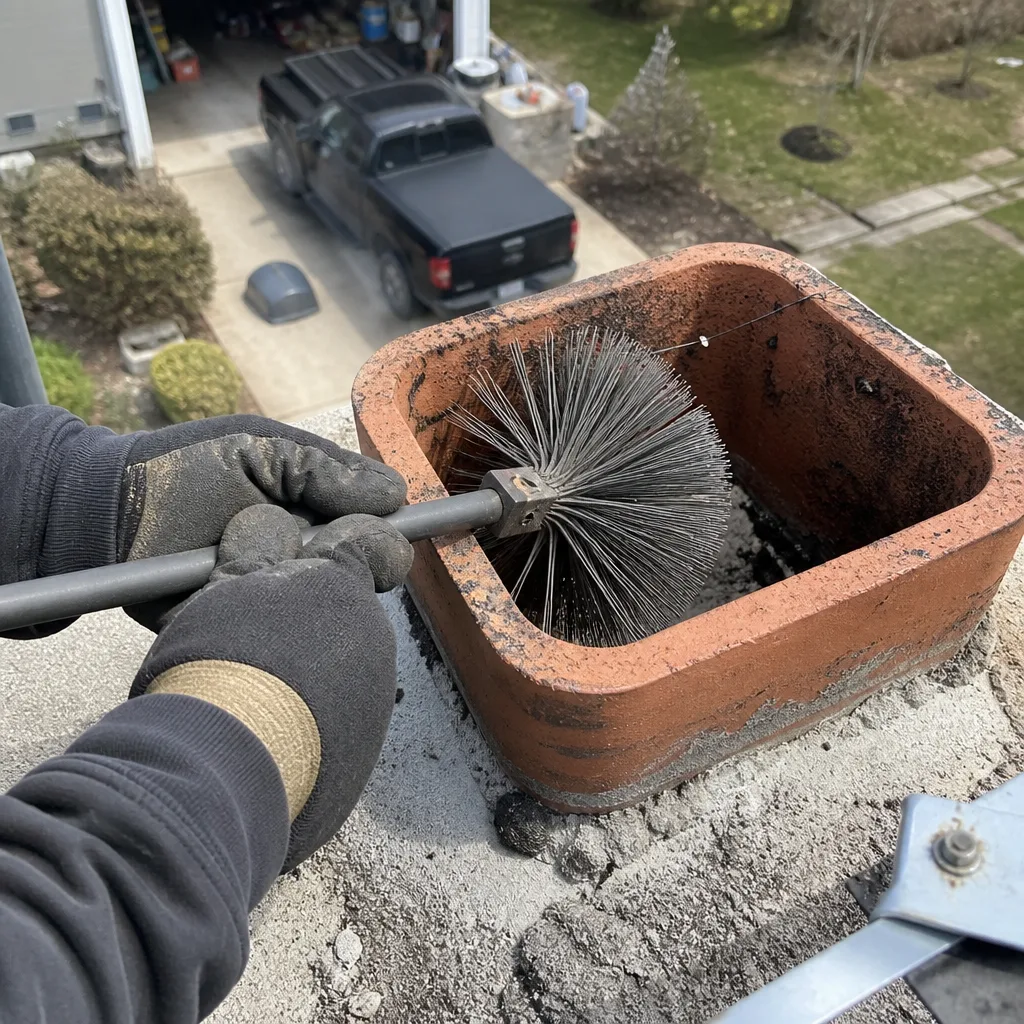
Creosote removal in Leesburg runs between $175 and $650 for the large majority of jobs. The range is wide because the class of buildup – and the labor and materials it requires – varies significantly. Below is how the pricing breaks down by scenario. Every figure reflects a written quote delivered before work starts; there are no “price on arrival” surprises on a Level Two job.
| Scenario | Typical Price Range | What Drives the Cost |
|---|---|---|
| Class I removal (standard sweep, light deposits) | $175 – $275 | Rotary brush work, single visit, included in annual cleaning |
| Class II removal (hardened tar crust, chemical treatment required) | $275 – $450 | Chemical dissolvent plus mechanical agitation; flue length and liner condition affect time |
| Class III removal (glazed, honeycombed carbon, multi-visit) | $450 – $650+ | High-concentration treatment, two scheduled visits, post-removal camera confirmation |
| Post-removal liner repair or relining (if needed) | Quoted separately in writing | DuraFlex stainless liner, HeatShield resurfacing, or full rebuild depending on damage found |
A few factors specific to Leesburg homes push jobs toward the higher end of each range: masonry fireplaces in older colonials off Market Street or in the historic district often have non-standard flue dimensions that require custom brush sizing. Townhomes in Lansdowne or River Creek with gas-log inserts that have been occasionally used with wood create a mixed-deposit profile that takes longer to assess and clear. And any home where the last documented cleaning was more than two seasons ago – which is more common than most Leesburg homeowners realize – is statistically more likely to present Class II rather than Class I at inspection.
If another company has already given you a written estimate, bring it. The Free Second Opinion costs nothing and puts a camera-documented price alongside whatever you already have on paper.
FAQs – Creosote Removal
How much does creosote removal cost in Leesburg, VA?
Creosote removal in Leesburg costs between $175 and $650 depending on the class of buildup found during the camera inspection. Class I deposits – the dusty, flaky kind – fall at the low end and are typically included in an annual Fireplace Cleaning. Class III glazed deposits at the high end require two visits and specialized chemical treatment. Every price is written and delivered before work begins. Call (571) 601-3174 for a free estimate – a live person answers every call.
Is creosote removal dangerous to do yourself?
For Class I deposits, off-the-shelf creosote logs can reduce light dusty buildup modestly, but they don’t substitute for mechanical removal and they don’t tell you what class of buildup you actually have. Class II and Class III removal should not be a DIY project. The chemical agents required are concentrated, the liner needs camera confirmation before and after to rule out cracking, and disturbing glazed creosote without containment creates real fire and respiratory risk. A trained technician with the right equipment is the only safe approach for anything beyond a light seasonal deposit.
How often does a Leesburg homeowner need creosote removed?
Once per year is the NFPA 211 baseline for a Level 1 Inspection of any actively used wood-burning fireplace. In Leesburg, where burn seasons are long and the local hardwood supply (oak, hickory, cherry) is widely available and frequently burned green, annual inspection catches Class I buildup before it advances to Class II. Homeowners who burn more than three cords of wood in a season, or who have had a chimney fire in the past, should inspect twice per year. The camera scan on every Level Two visit gives you a factual baseline – not a guess.
What happens if creosote is left untreated?
Class I left untreated advances to Class II, and Class II to Class III within one to two heavy-use seasons. Class III creosote burns at temperatures that can exceed 2,000°F inside the flue – hot enough to crack terra cotta liner tiles, ignite surrounding wood framing, and sustain a chimney fire that may never produce obvious flames at the firebox. Chimney fires in Leesburg have resulted in structural damage and, in documented cases, total losses. The cost of removal is measurable. The cost of not removing it isn’t predictable. Call (571) 601-3174 and we’ll camera-scan the flue and give you a written price the same day.
What the Level Two Approach Means for Your Leesburg Home
Corrine Halstead built Level Two Chimney Co. around one straightforward idea: show the homeowner what the camera finds, put the price in writing before anyone picks up a tool, and document the result when the work is done. That’s not a marketing angle – it’s the structure that 38,000+ completed jobs have run on since 2009.
For creosote removal specifically, that structure matters more than it does on a routine cleaning. Creosote class is invisible to a flashlight look. The difference between Class II and Class III changes the job scope, the chemical approach, the number of visits, and the liner assessment afterward. A written scope protects you from scope creep. A post-removal camera confirms the work was actually done. And the 365-Day Done Right Promise means that if something wasn’t addressed correctly, Level Two makes it right – period, in writing, on every job.
Our technicians are background-checked, uniformed, and assigned by name before your appointment. You get a text when they’re on the way. License information is on the page. Materials for any repair work come through our supply network – DuraFlex liners, Copperfield brushes and tools, Olympia Chimney components – sourced specifically to keep customer prices honest.
Leesburg homeowners can also read more about the full scope of what’s included in an annual visit on our home page, or explore the full range of what’s covered under our Chimney Cleaning & Sweep in Leesburg service before scheduling.
Key Takeaways
- Creosote removal in Leesburg costs $175-$650 depending on the class of deposit found by camera inspection.
- Every job starts with an NFPA 211 Level 2 camera scan – not a flashlight look.
- A written price, written scope, and written warranty are delivered before any work begins (Haven Standard Clause 1).
- Class III creosote removal is not a DIY task – chemical agents, containment, and post-treatment camera confirmation are required.
- Northern Virginia’s long burn season and common hardwood fuels accelerate creosote formation; annual inspection is the NFPA 211 baseline.
- The 365-Day Done Right Promise applies to every job – if it’s not right, Level Two makes it right.
- A Free Second Opinion on any written competitor estimate is always available.
Schedule Creosote Removal in Leesburg
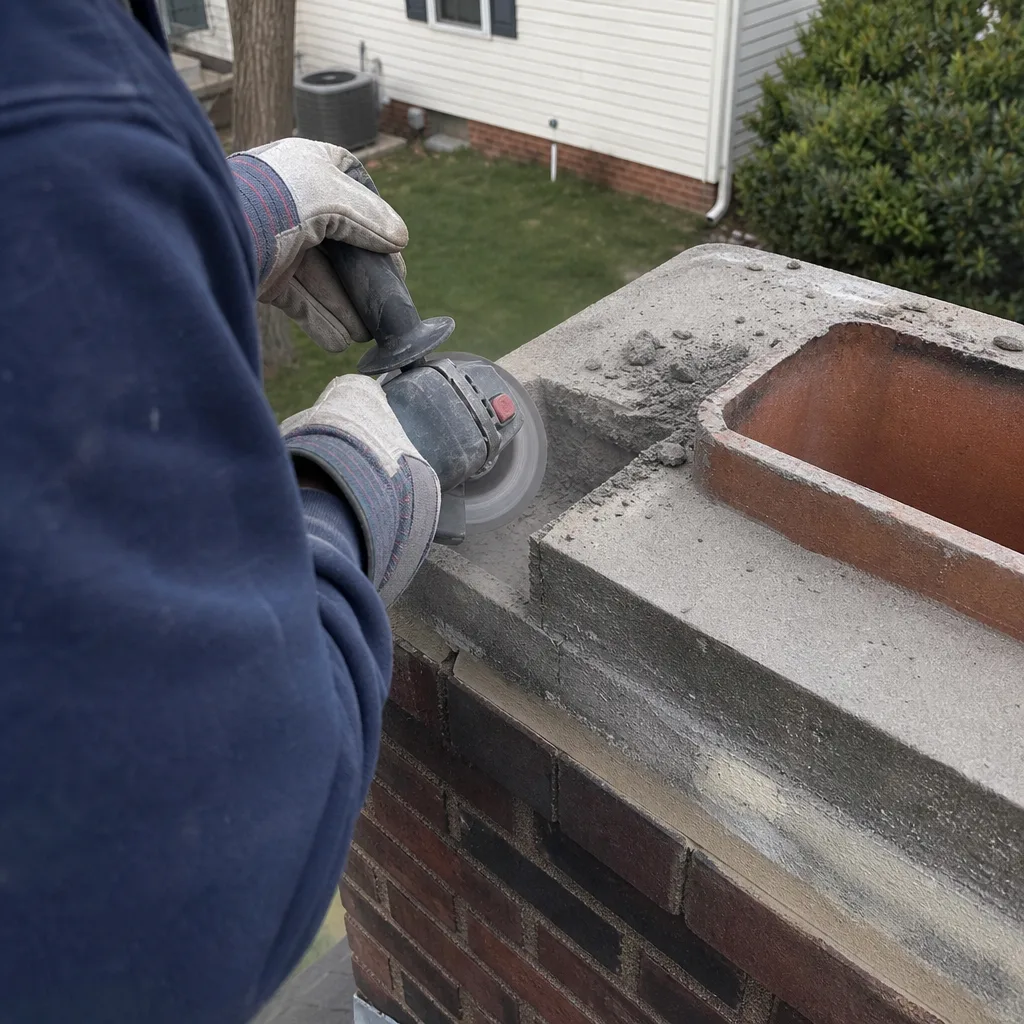
If you’re seeing black staining near the damper, smelling smoke in a room with a cold firebox, or you simply haven’t had the flue camera-inspected in over a year, the right next step is a call. Level Two Chimney Co. answers live, around the clock, and we can typically schedule a camera inspection and written quote within one to two business days for most Leesburg addresses.
Call (571) 601-3174 to get a written price before any work starts. Estimates are free. The camera goes in first. The price comes second. Work starts only when you say so.
Written by Corrine Halstead, Owner at Level Two Chimney Leesburg, serving Leesburg.