
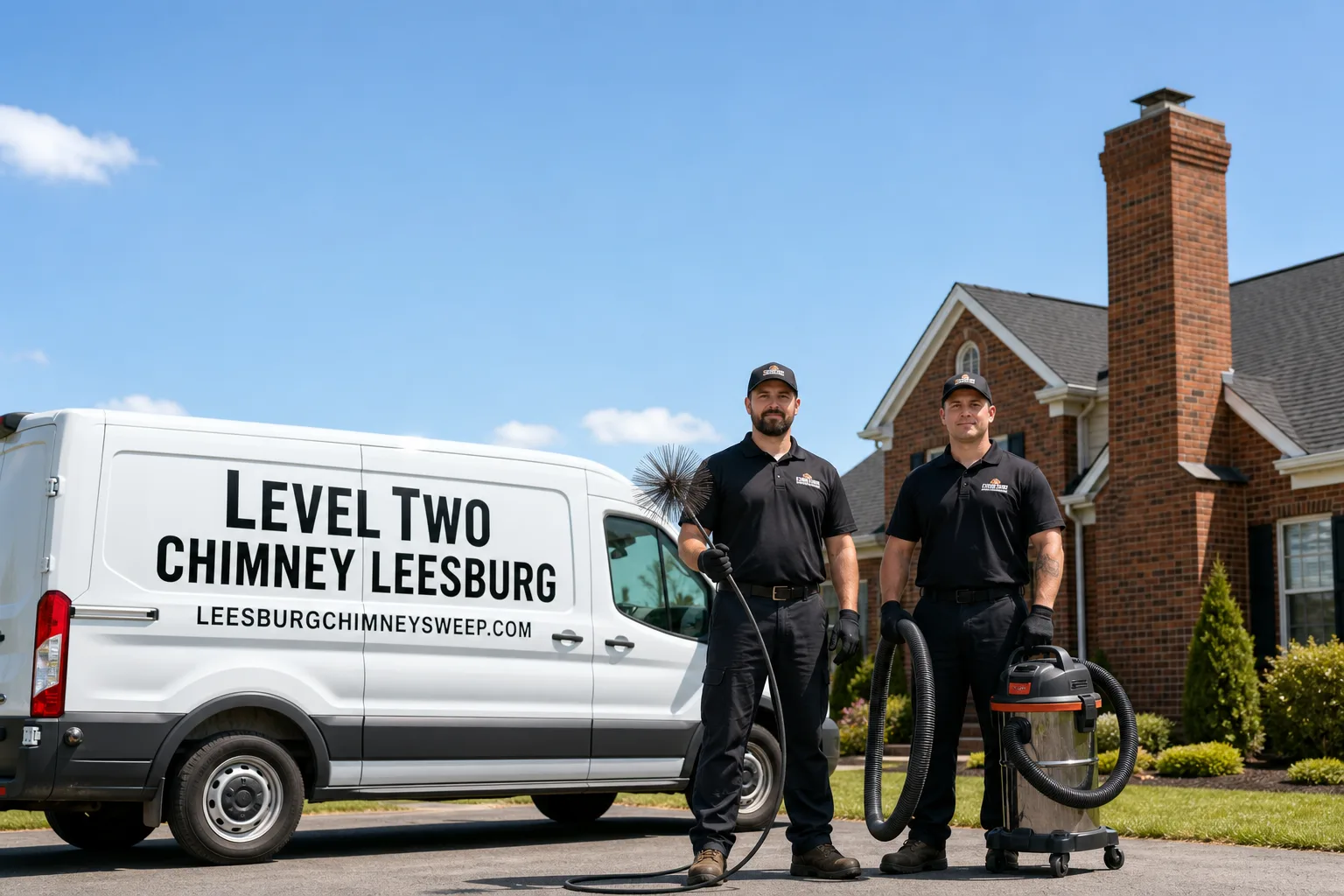
Level 1 sweep and inspection to the NFPA 211 annual standard - flue, crown, cap, and flashing checked and photographed
Chimney sweep logs do not sweep chimneys. They loosen some creosote - which then falls where a brush and vacuum still have to collect it.
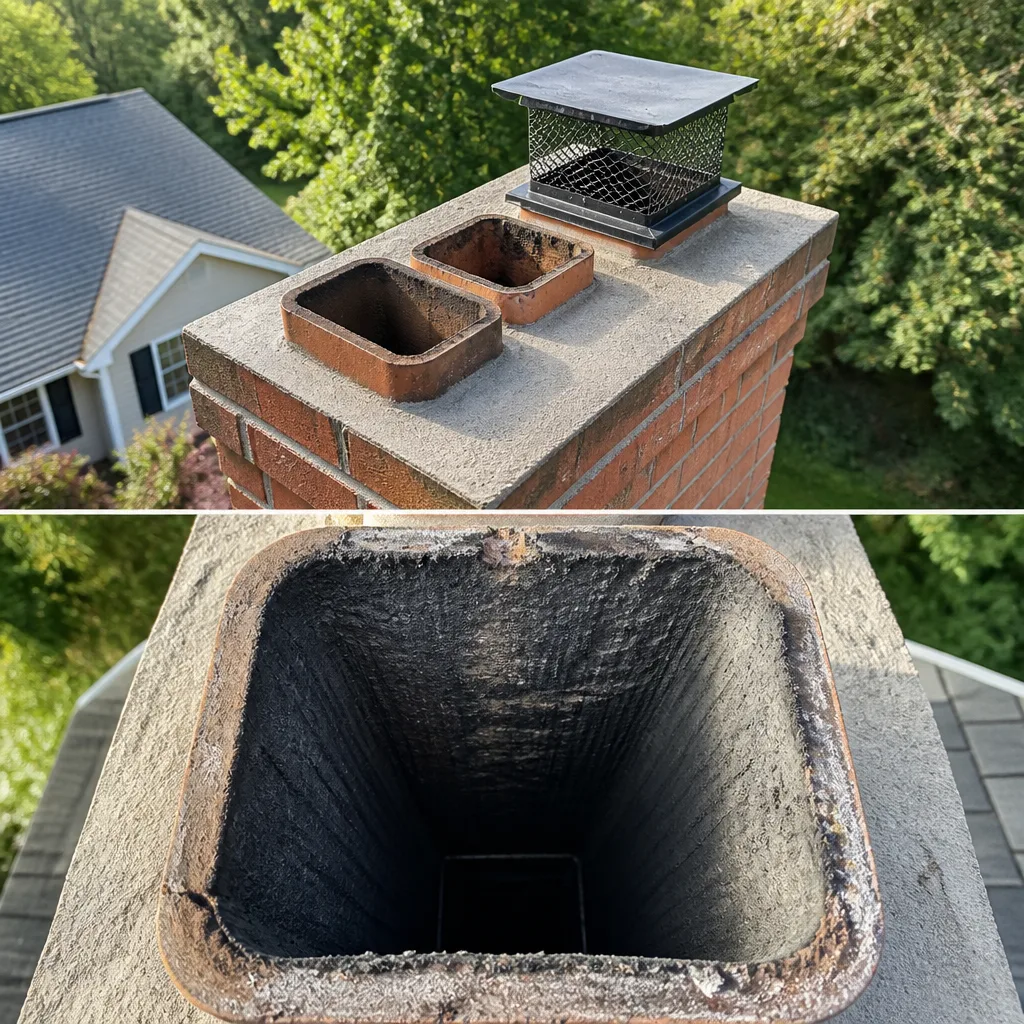
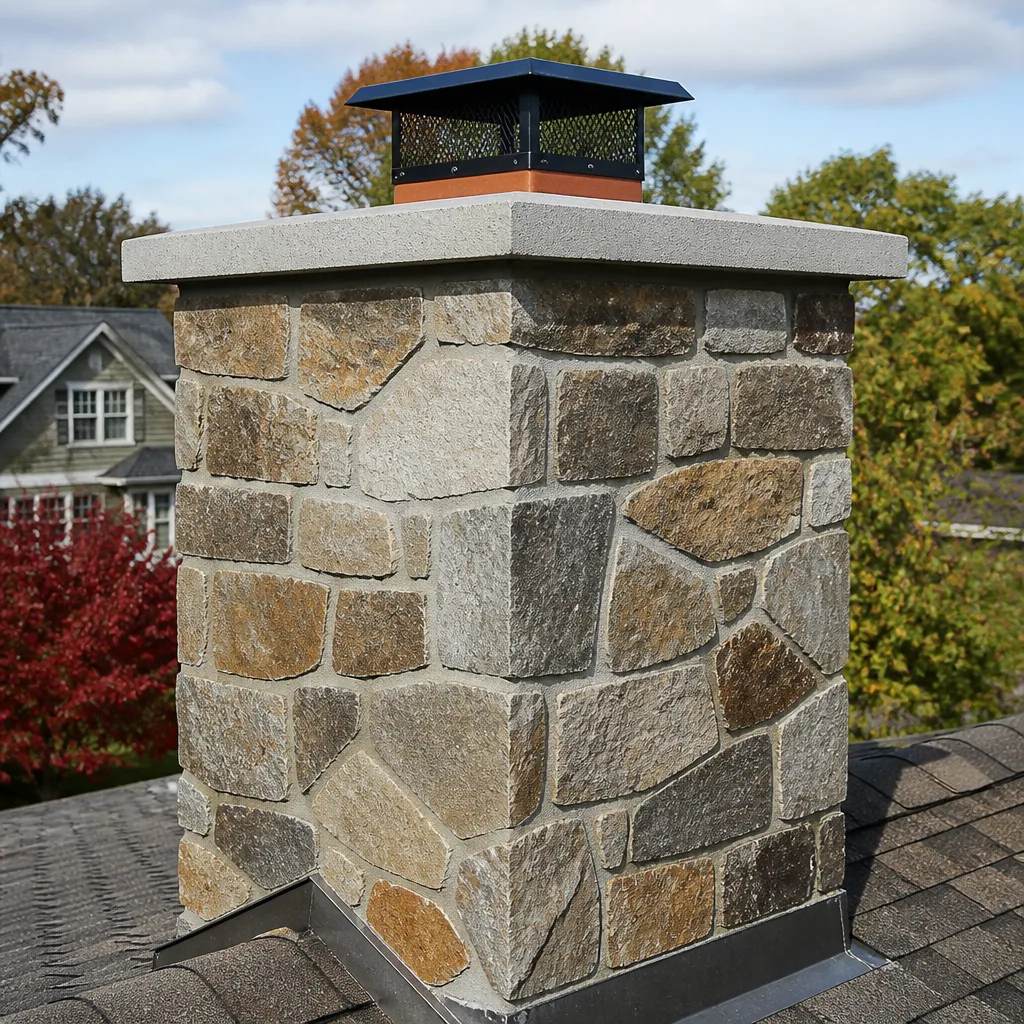
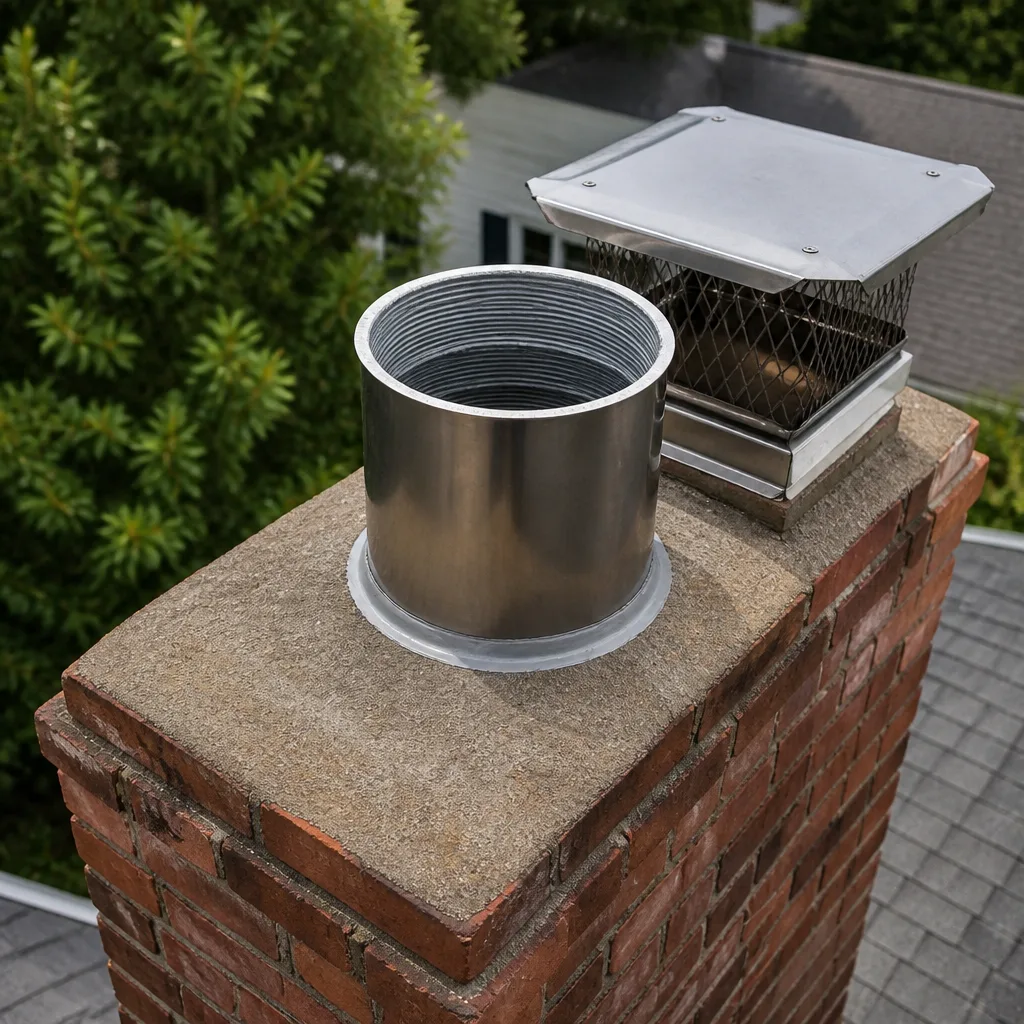
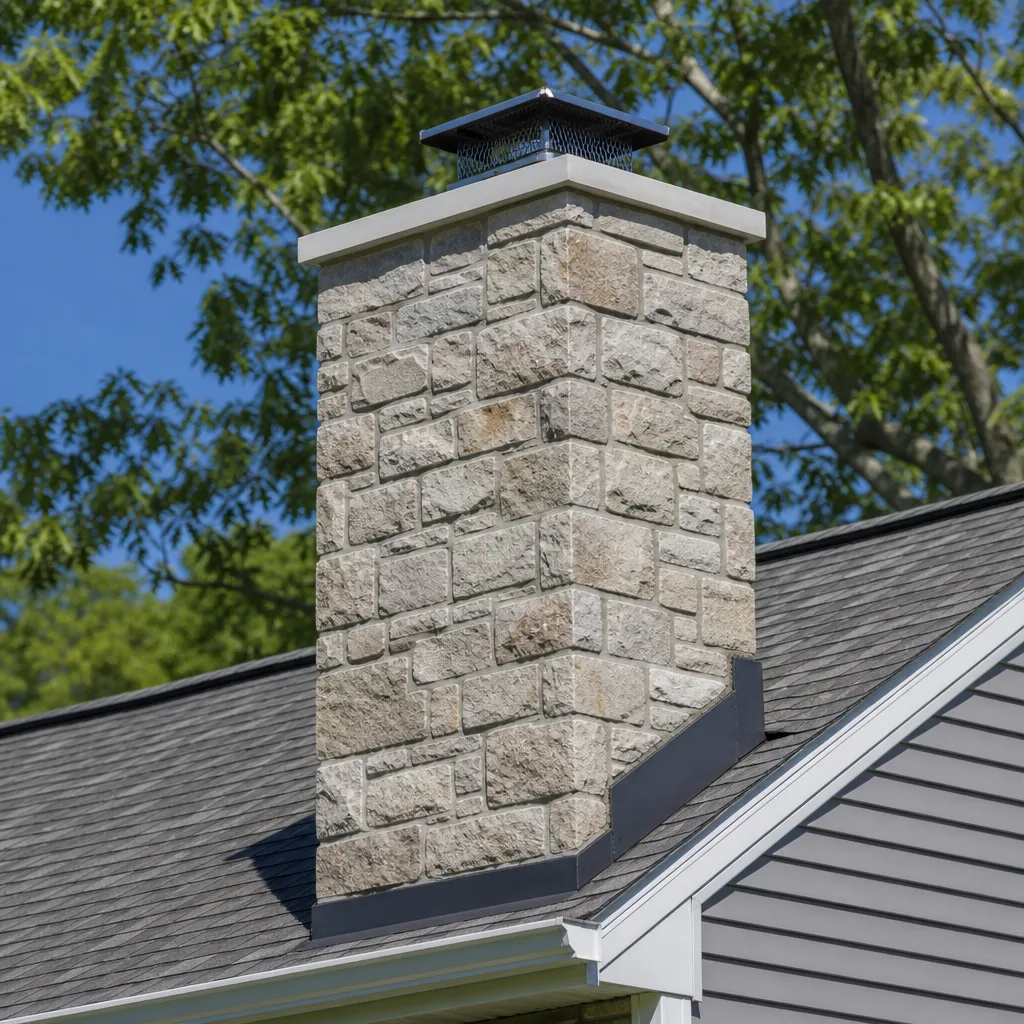
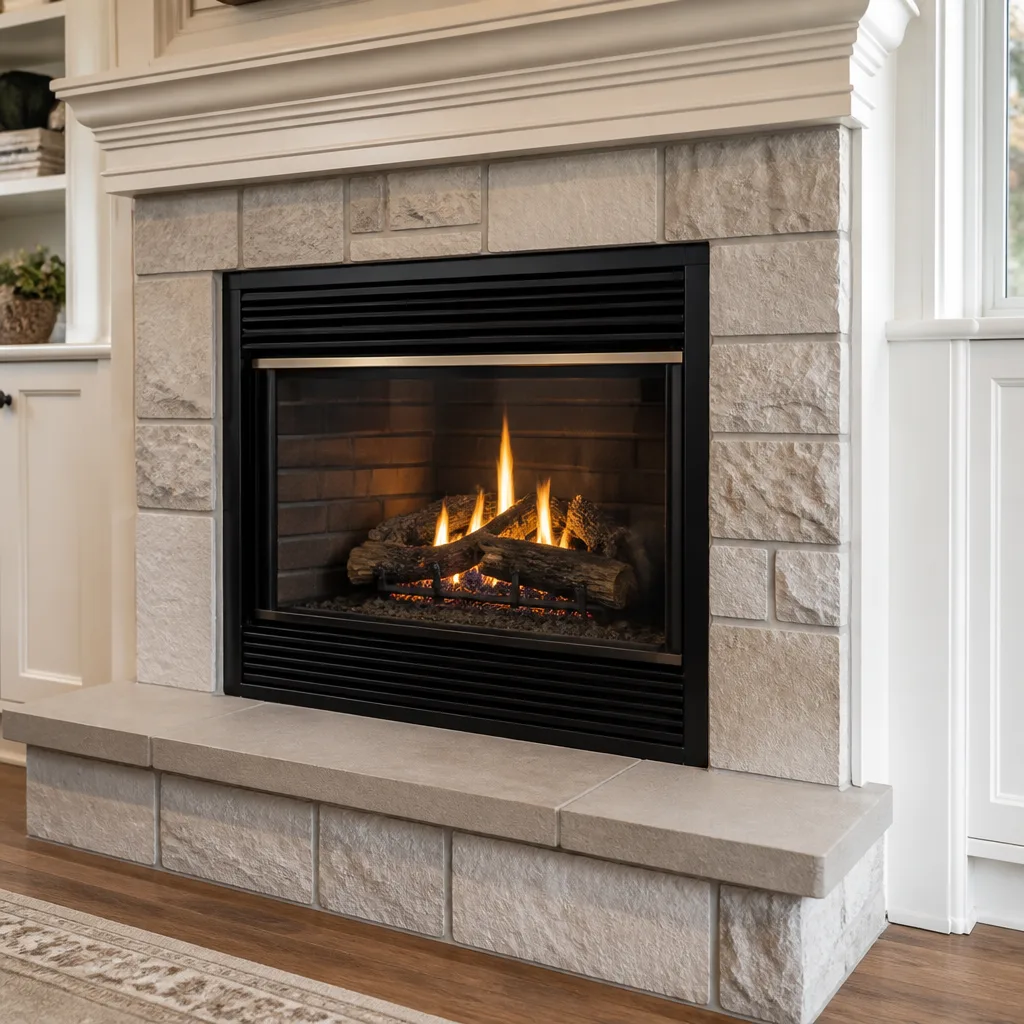
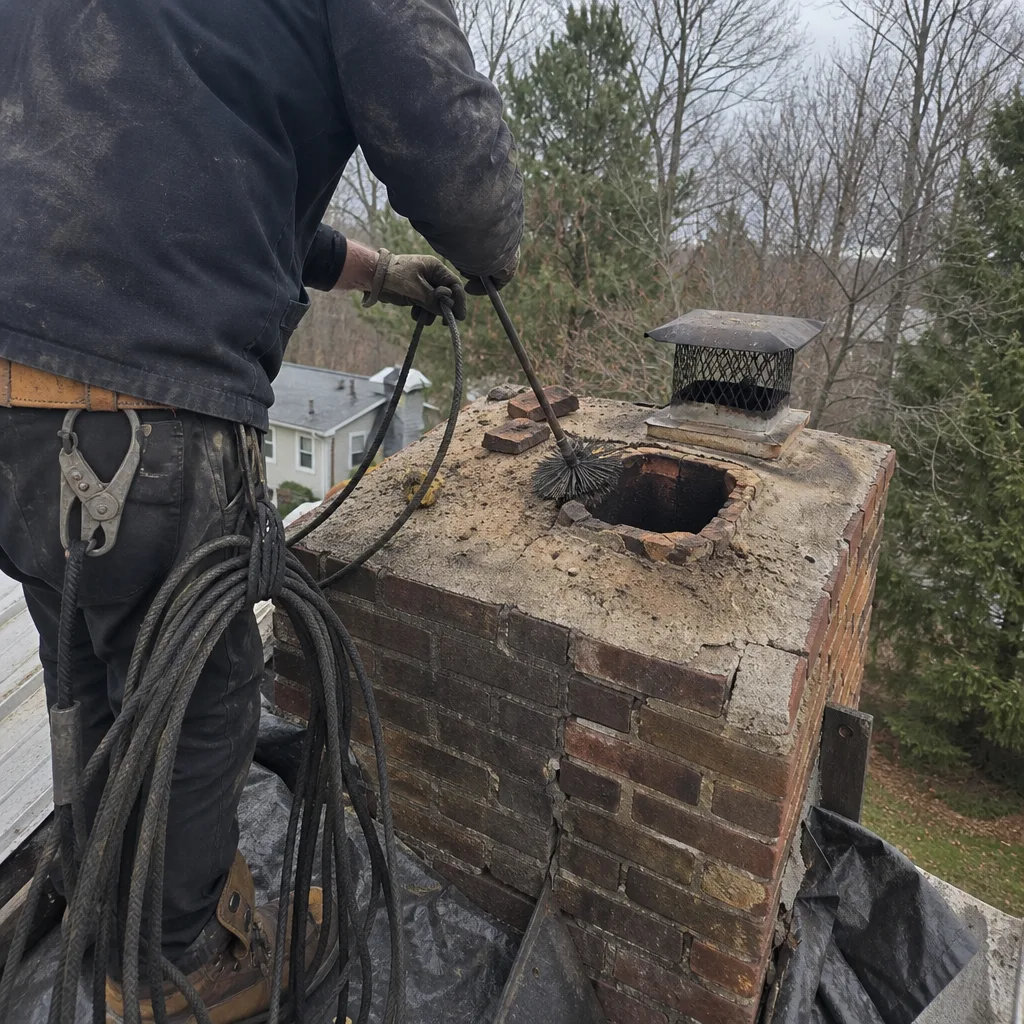 Before
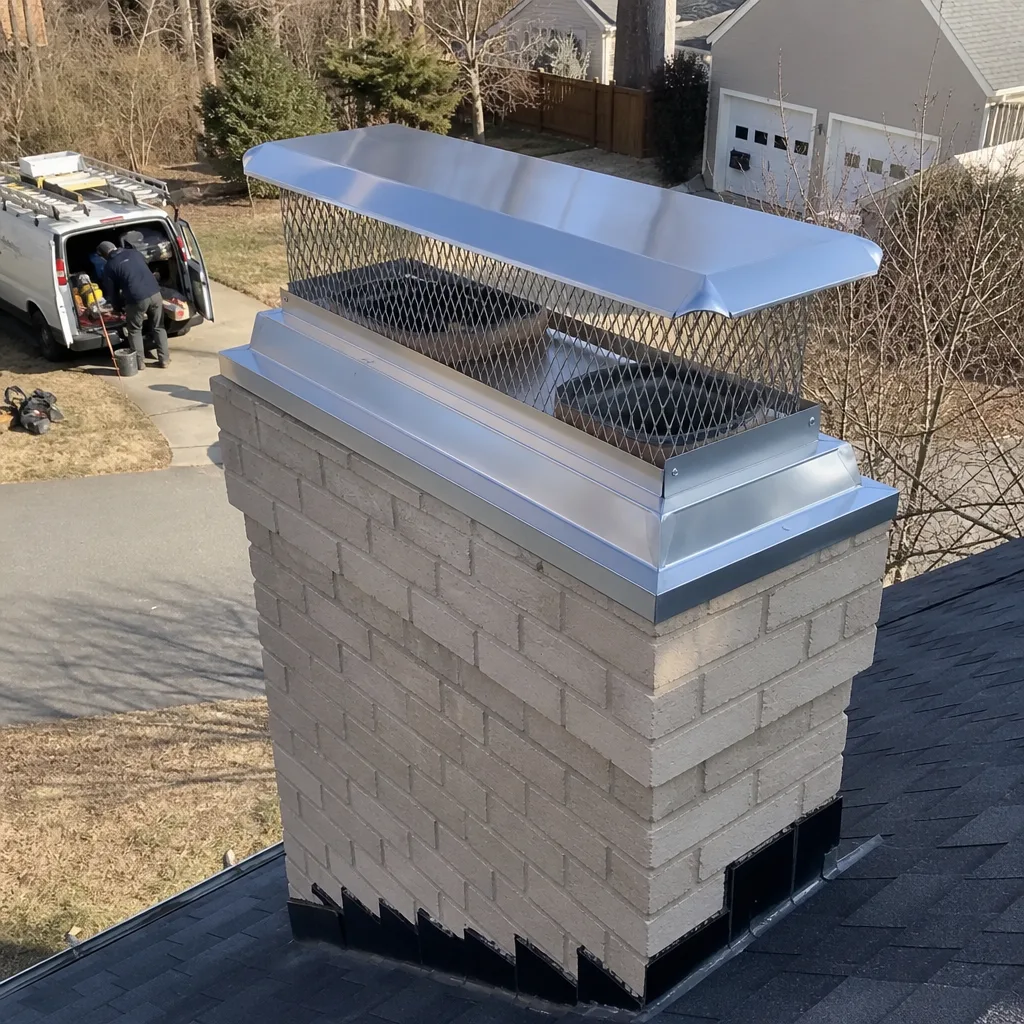 After
After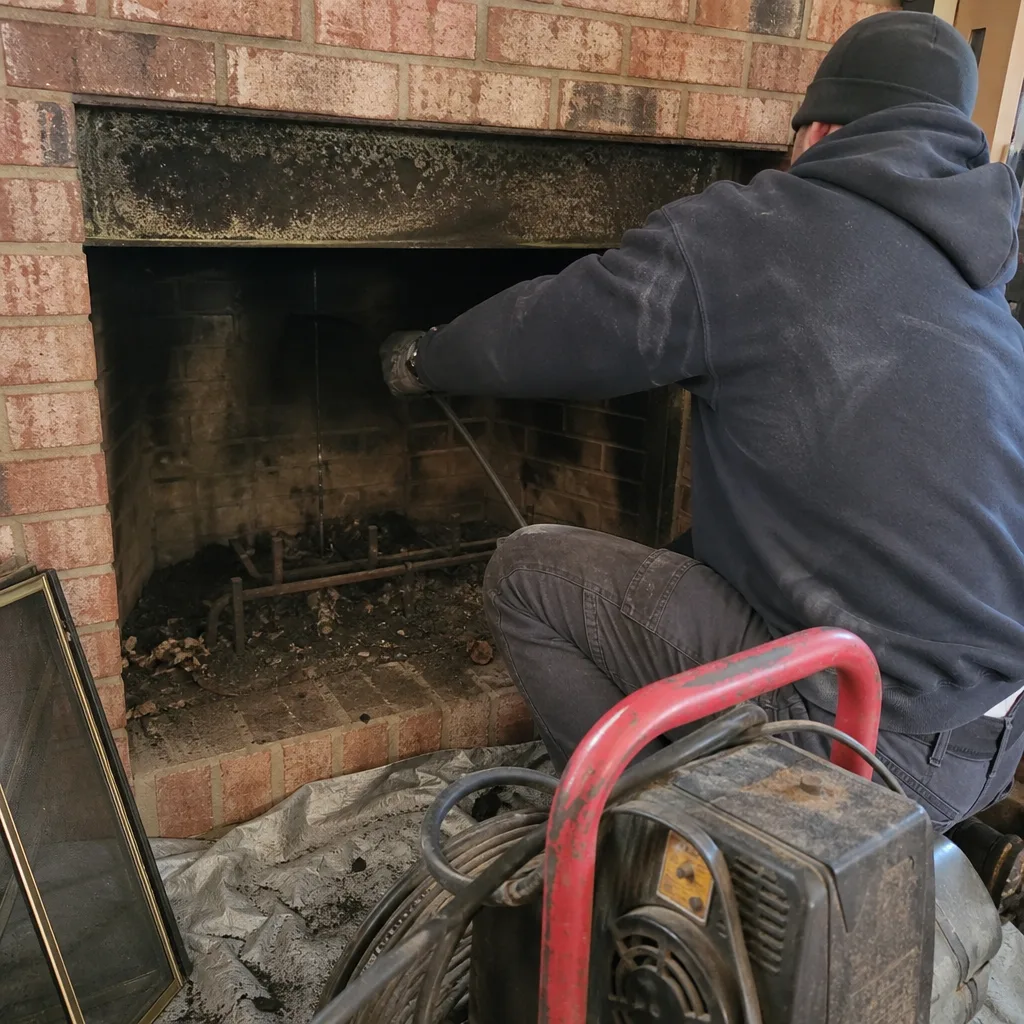 Before
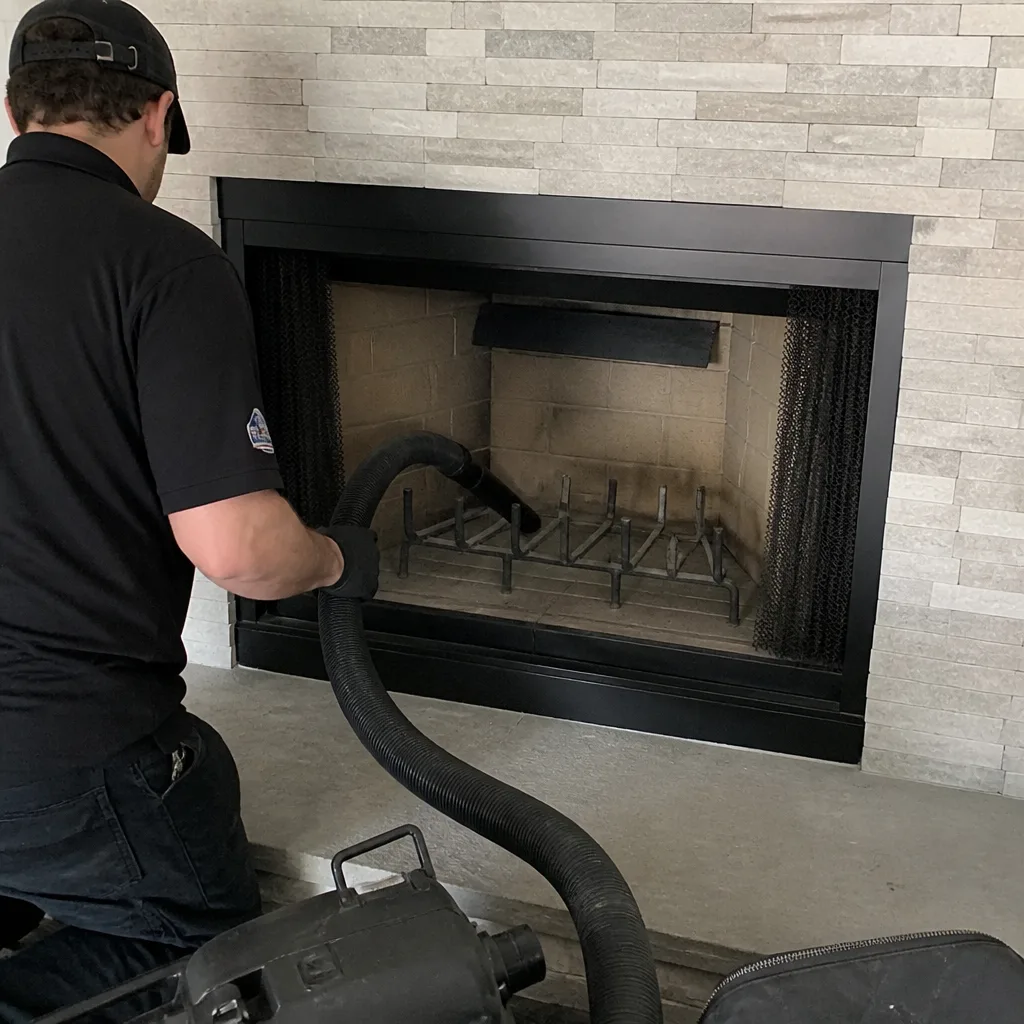 After
After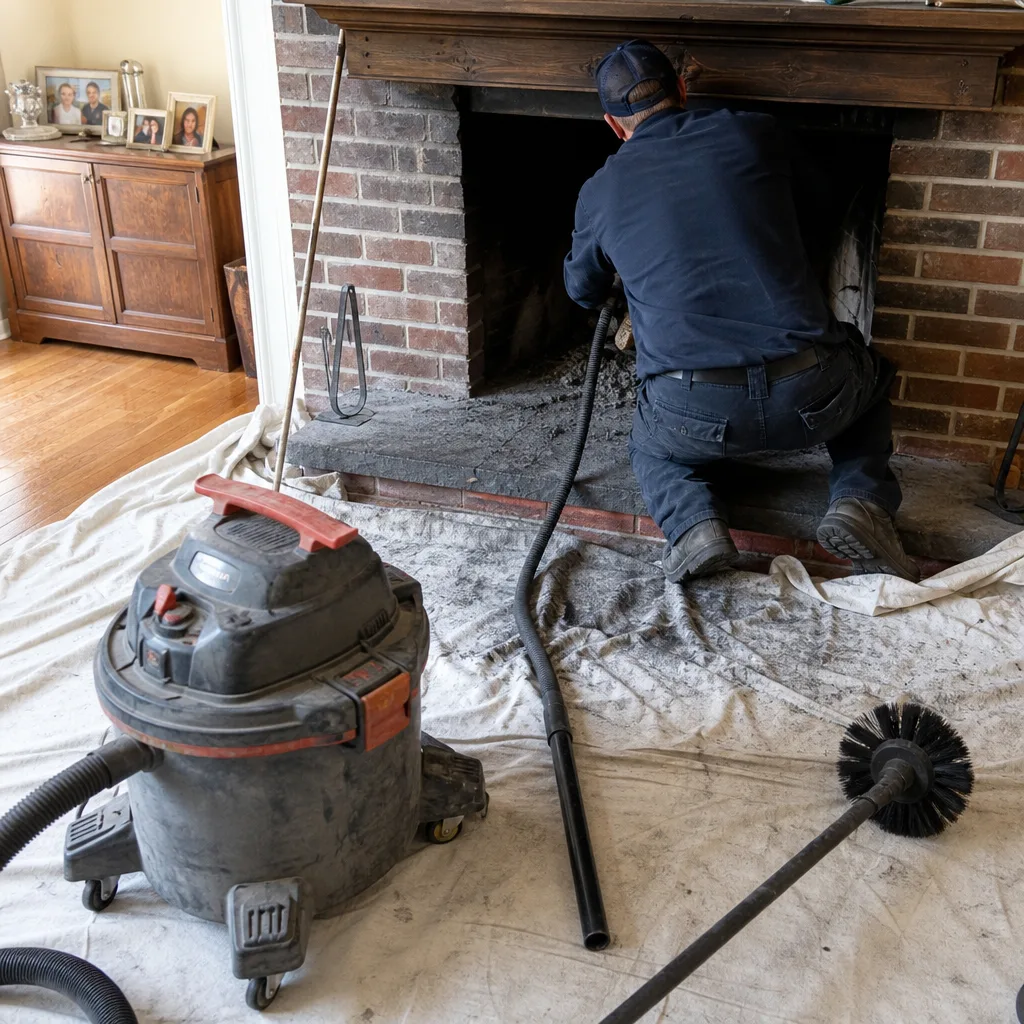 Before
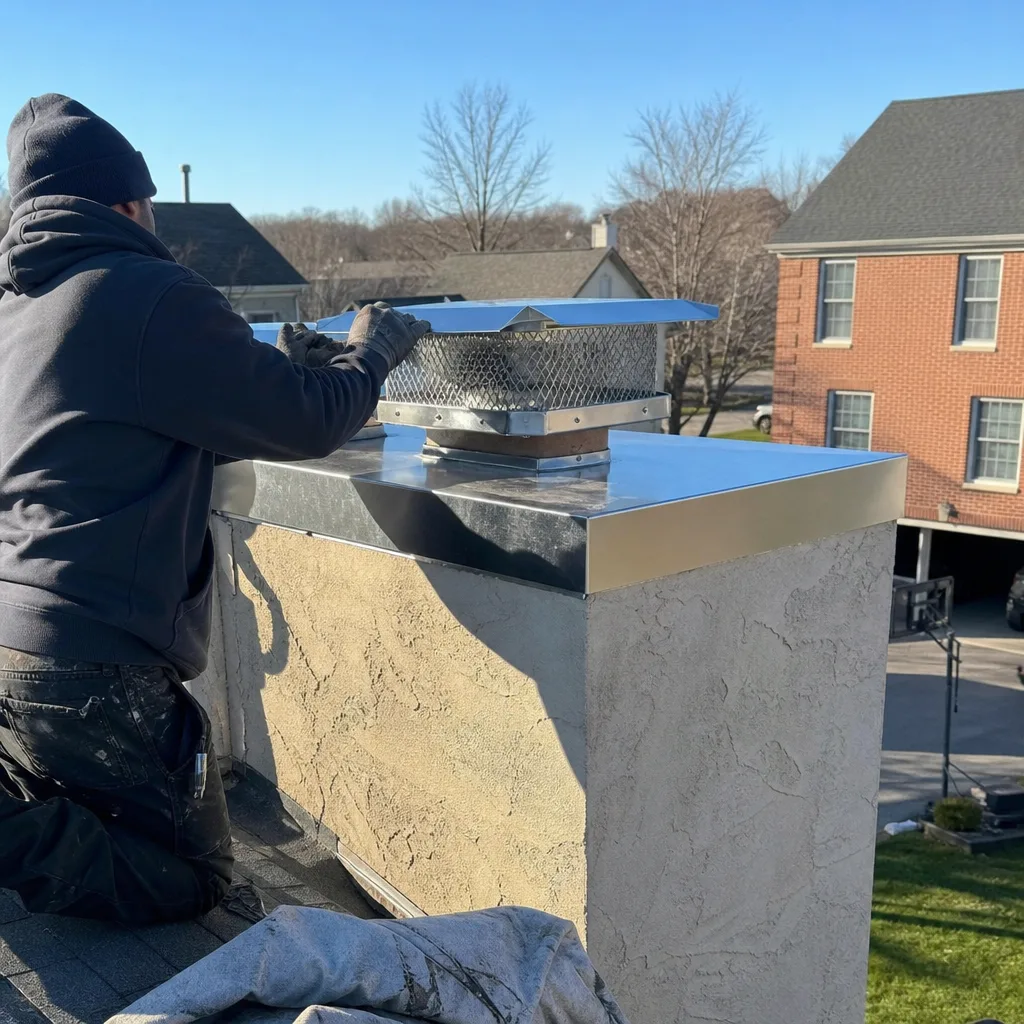 After
AfterFast, Reliable Chimney Cleaning & Sweep Across Gaithersburg
A chimney sweep in Gaithersburg typically costs between $189 and $329 for a standard cleaning with a Level 1 inspection, and most jobs are completed the same day. If you live in Montgomery Village, the Kentlands, or anywhere else in the 20877, 20878, or 20879 zip codes, we can usually have a technician at your door within two to three business days, often sooner during the fall pre-season. We know this city’s housing stock better than most: the aging prefab fireplaces in Montgomery Village, the decorative gas units in Kentlands and Lakelands, and the handful of original brick chimneys in the historic downtown core. Call (571) 601-3174 and you’ll get a live person, a straight answer on pricing, and a written quote before any work starts.
Why Level Two Chimney Leesburg Is Gaithersburg’s Preferred Chimney Cleaning & Sweep Company
Our Chimney Cleaning & Sweep team works Gaithersburg more than almost any other Montgomery County city, and it shows in how we approach the job. We know that Montgomery Village townhome rows repeat the same prefab fireplace models block after block, and we know that a damper failure on one unit often means five neighbors have the same problem waiting. That local pattern recognition means we arrive ready for what’s actually in your flue, not what a generic checklist says might be there.
Every technician who rolls into Gaithersburg carries the same standard: NFPA 211 Level 2 camera inspection on every visit, written price before work starts, and a documented photo record when the job is done. That’s Clause 4 of the Haven Standard, and it’s been our default since 2009. Corrine Halstead, who leads our team, built the company around a simple idea: if we can’t show you the problem on camera, you shouldn’t pay us to fix it.
Gaithersburg homeowners tell us the same thing again and again: they’ve had a sweep before, but nobody ever showed them what was actually inside the flue. That changes on our first visit. You’ll see the creosote, the cracked panel, the rusted chase cover. And you’ll get a price in writing before we touch a brush.
Our Chimney Cleaning & Sweep Services in Gaithersburg
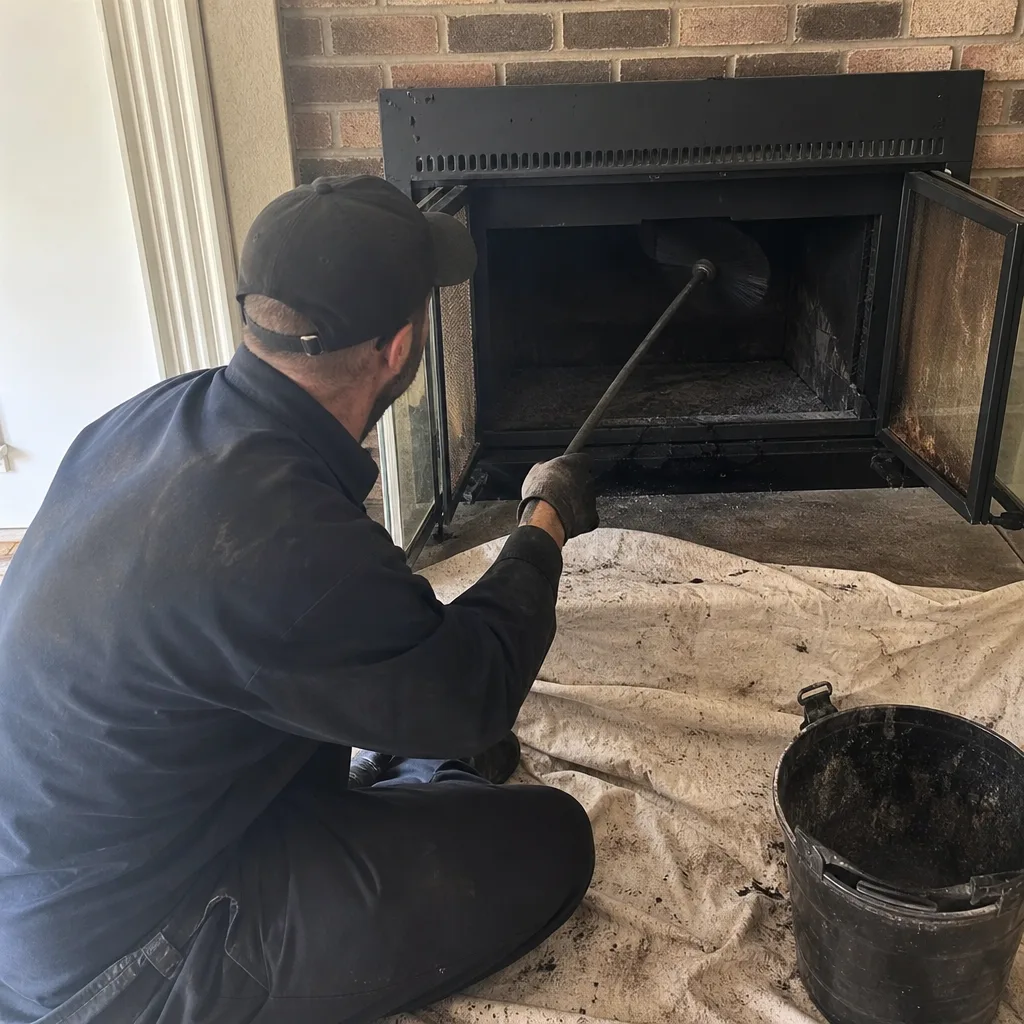
Level 1 Inspection
A Level 1 inspection is the baseline: we verify the flue is clear, the damper operates, and there’s no visible obstruction or dangerous creosote buildup. For Gaithersburg homeowners who burn only a few fires each winter and have no history of problems, this is often all that’s required alongside a standard sweep. We’re looking specifically for things this area’s housing stock is prone to: deteriorating refractory panels in 1980s prefab units and mortar joint erosion in older brick chimneys near downtown.
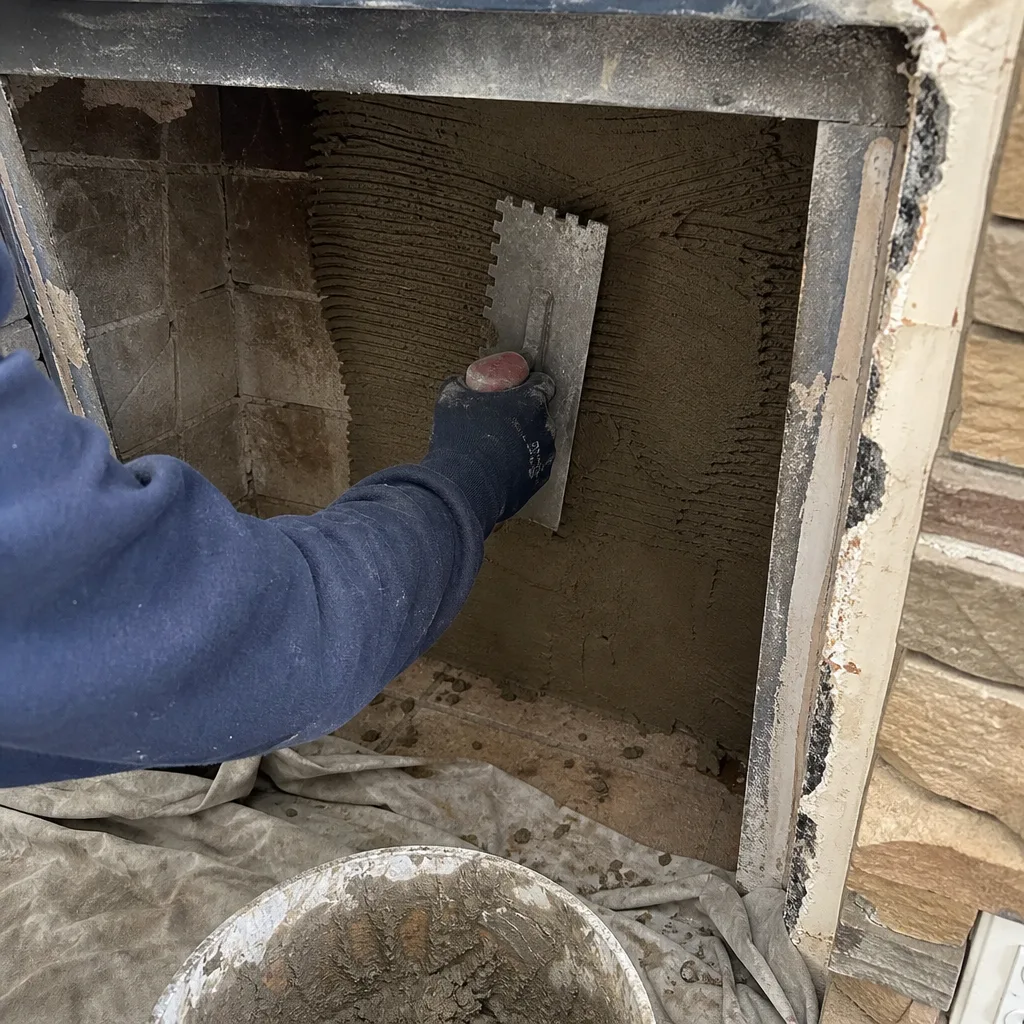
Level 2 Inspection
A Level 2 inspection adds a camera scan down the entire flue, and it’s what we recommend when you’ve bought a home, changed fuels, experienced a chimney fire, or gone more than two years without service. This is the inspection that matters in Gaithersburg because so many homes are changing hands. Buyers in Montgomery Village and the Kentlands want documentation that the prefab unit or gas flue is safe, and a camera record is the only way to actually verify liner condition. We include this on every visit, not as an add-on.
Creosote Removal
Creosote is the byproduct of incomplete wood combustion, and it’s the leading cause of chimney fires. In Gaithersburg’s humid summers, creosote that sits in a dormant flue absorbs moisture and becomes more corrosive and harder to remove. We classify what we find: Class I is light soot, Class II is flaky deposits, Class III is the hardened, glazed tar that requires mechanical removal. If you’ve got Class III creosote, we’ll show you the camera footage and explain exactly what it means before we recommend a removal strategy.
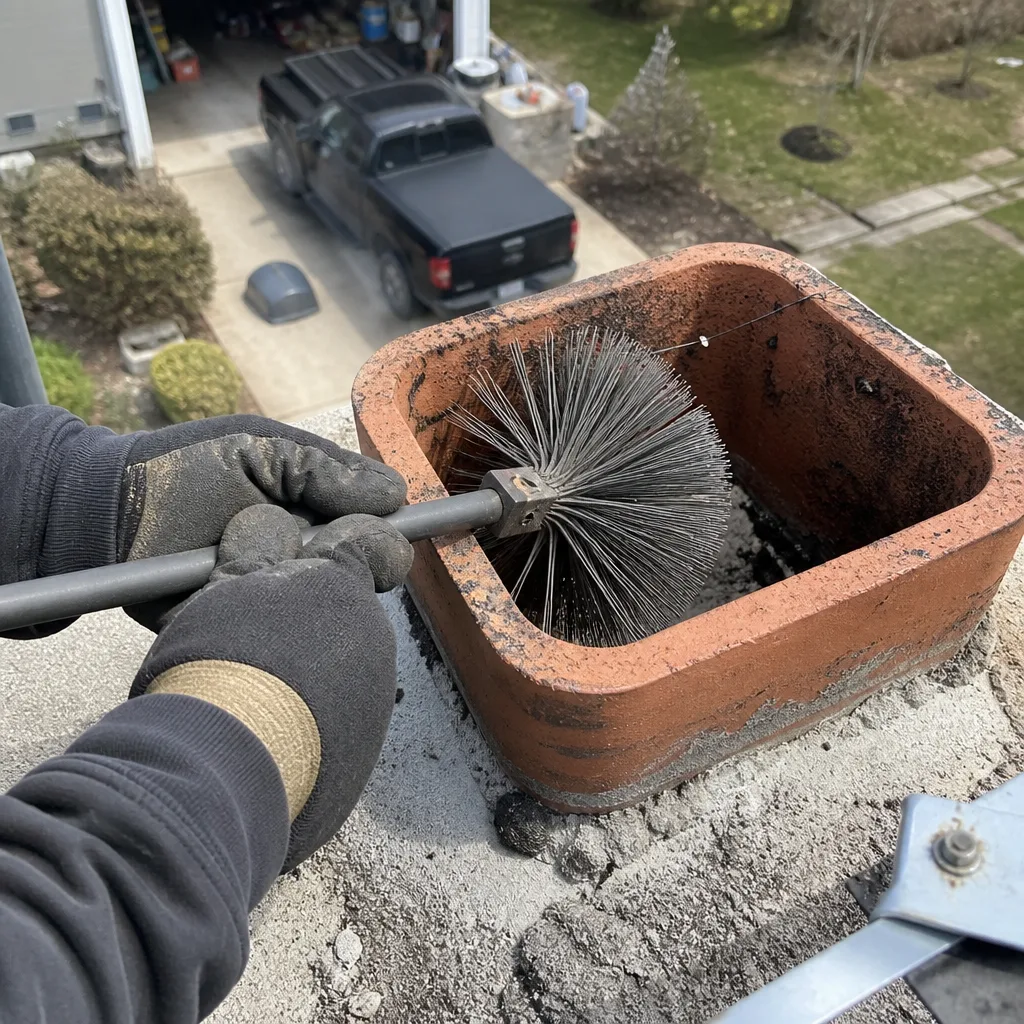
Soot Removal
Soot removal is part of every standard sweep we do in Gaithersburg. For homeowners with oil-fired systems or decorative gas fireplaces in the Kentlands and Lakelands, soot accumulation inside the firebox and flue can restrict draft and push carbon monoxide back into the room. We remove it, test the draft, and document the result. The photo record is yours to keep.
What happens when you call
- 1
A real person answersNo phone trees - you reach a local pro.
- 2
You get an upfront price rangeHonest numbers before anyone is dispatched.
- 3
A background-checked tech heads outLicensed & insured, dispatched right away.
- 4
You approve before work beginsNothing starts until you say go.
BeforeAfterTrusted Brands We Service in Gaithersburg
Most of the prefab fireplaces we service in Gaithersburg are Heatilator and Majestic units, and we keep replacement refractory panels, damper assemblies, and chase covers sourced through our network so we’re not waiting on a parts house in Rockville. When a liner needs replacement, we install DuraFlex and Olympia Chimney components, and we’ll put the manufacturer and model in writing before the job starts. For crown repair, Famco and Copperfield materials give us what we need to match the existing work on your chimney. If you’ve got a specific unit in a Montgomery Village townhome, there’s a good chance we’ve already serviced an identical one on the next court over.
Common Chimney Cleaning & Sweep Problems We See in Gaithersburg Homes
- Crumbling refractory panels in 40-55-year-old prefab fireplaces. Montgomery Village was built between the late 1960s and mid-1980s, and the factory-built zero-clearance units from that era are now at or past their rated service life. We see the same panel erosion in entire townhome rows simultaneously.
- Rusted chase covers letting rain into the flue. Gaithersburg’s freeze-thaw cycles at 400-500 feet elevation put real stress on metal chase covers, and once they rust through, water gets into the fireplace and accelerates every other problem.
- Chimney swifts blocking sweeps from spring through late summer. Chimney swifts are federally protected under the Migratory Bird Treaty Act, and they nest heavily in uncapped Gaithersburg chimneys. If they’re in your flue, we legally cannot remove them until the fledglings leave, usually by late August.
- Shared flues in attached townhomes masking draft problems. In some Montgomery Village clusters, multiple units share chimney structures, and one unit’s creosote buildup or blockage can create smoke problems that show up first in a neighbor’s fireplace. We’re used to coordinating with HOAs and management companies to get the right units serviced.
Pricing for Chimney Cleaning & Sweep in Gaithersburg, MD
A standard chimney sweep with Level 1 inspection in Gaithersburg runs $189-$279 for most single-family homes and townhomes with accessible roofs. Add a camera scan and you’re at $279-$349. If we’re doing a Level 2 inspection with a full written report, budget $329-$429. Creosote removal beyond Class II typically adds $75-$150 depending on severity. Refractory panel replacement for those aging Montgomery Village prefab units runs $350-$700 per set, and chased cover replacement is $225-$400 for standard sizes. The price we quote is the price you pay: written scope, written number, written warranty, before we start. That’s Haven Standard Clause 1, and it’s non-negotiable. Call (571) 601-3174 for a free estimate tailored to your specific fireplace and flue condition.
Why HOA Approvals and Shared Flues Change the Game in Gaithersburg
If you live in Montgomery Village, the Kentlands, or one of Gaithersburg’s other HOA-governed communities, you already know that anything visible from the street, including a new chimney cap or crown, often needs architectural review board approval. What you may not know is how that delay interacts with chimney safety. Gaithersburg sits at roughly 400-500 feet in the Maryland Piedmont, which means more pronounced freeze-thaw oscillation than the lower-elevation DC basin. Every freeze cycle without a proper cap lets water into the flue, accelerating spalling and mortar joint erosion. We’ve seen HOAs take 90 days to approve a cap replacement while the chimney degrades through another winter. That’s why we recommend starting the approval process in early fall, before burning season, and we’ll provide the written documentation and material specs your management company will ask for.
Shared and stacked flues in attached townhomes create a second layer of complexity. One unit’s creosote buildup can restrict draft in a neighbor’s fireplace, and the symptom often shows up as smoke in the wrong living room. We’ve pulled up to a cul-de-sac in Montgomery Village where the homeowner reported a failing damper and crumbling firebox panel in her 1978 Heatilator unit. Within ten minutes our tech noticed the same model repeated on five other houses on the court; we flagged it to the HOA contact and later scheduled a single morning to service six townhomes with identical refractory panel erosion and stuck dampers. After replacing the panels and sealing chase covers, each flue draft tested within NFPA 211 tolerances, a route efficiency unique to this part of Gaithersburg.
Montgomery Village’s Aging Prefab Stock Is a Defining Local Service, Not an Upsell
Montgomery Village is one of the largest planned communities in the United States, and its thousands of townhomes and single-family homes built between the late 1960s and mid-1980s are almost all equipped with factory-built zero-clearance prefabricated fireplaces. Most of those units, typically Heatilator or Majestic models, are now 40-55 years old and frequently at or past their rated service life. That concentration of aging prefab stock simply doesn’t exist in neighboring Rockville or Germantown at the same scale, which is why prefab-unit inspection and replacement is a core service line here, not an occasional add-on we pitch when the masonry work is slow.
The 1990s-era Kentlands and Lakelands communities add a second generation of decorative gas units with their own maintenance patterns: thermocouple failures, clogged gas ports, and glass assemblies that need regular cleaning. And in the small historic downtown core, there are still a handful of pre-WWII brick chimneys with original clay-tile liners that require traditional sweep work and periodic liner evaluation. Knowing which generation of fireplace you’re dealing with is the difference between a 45-minute visit and a wasted afternoon. That’s what local expertise means, and it’s what Chimney Cleaning & Sweep in Gaithersburg should deliver every time.
We Also Serve Cities Near Gaithersburg
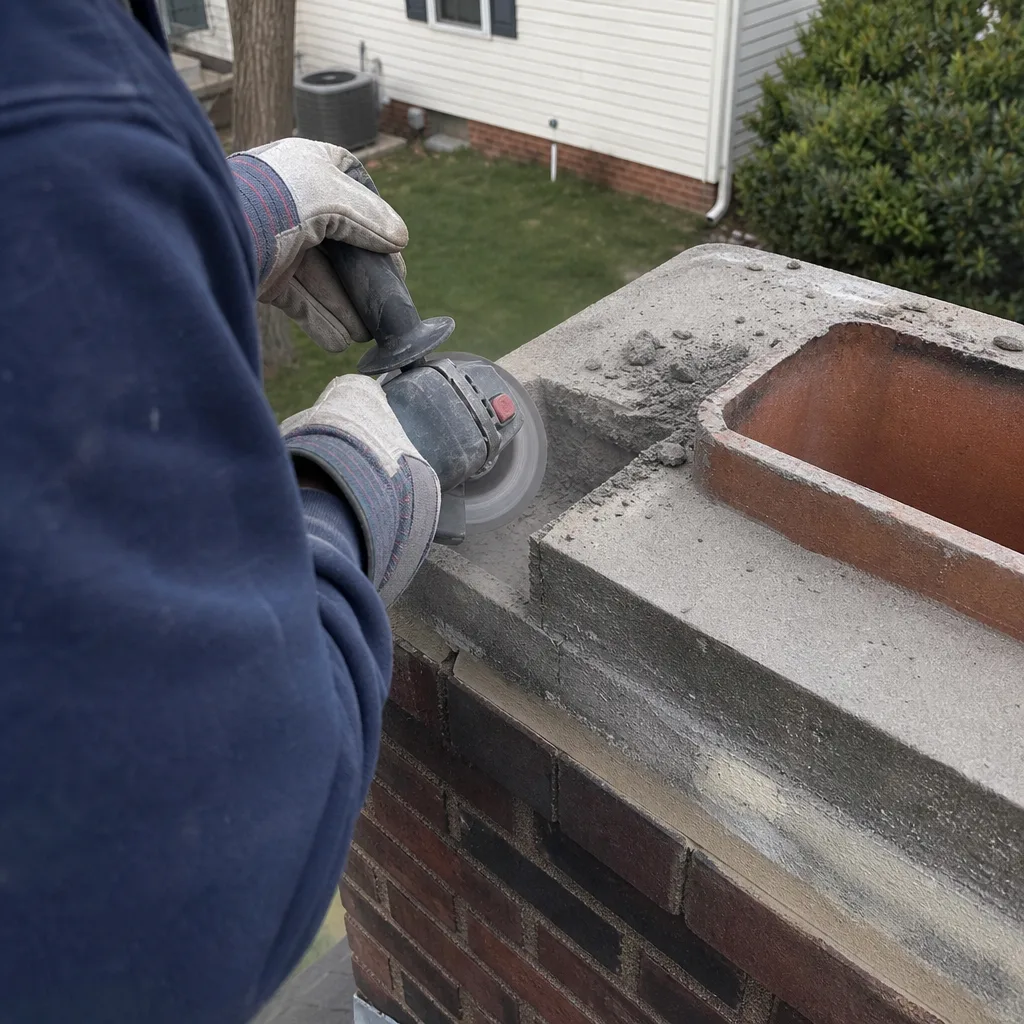
Our Gaithersburg crews also cover Montgomery Village, Rockville, Germantown, and Clarksburg, often scheduling multiple stops in the same area on the same day. If you’re just outside the city line, call (571) 601-3174 and we’ll let you know which service day routes through your neighborhood.
Serving Gaithersburg, MD - Our Local Coverage Area
We’re based in the Gaithersburg area and know this community well. Use the map below to see our service coverage - if you’re nearby, we can almost certainly help.
FAQs - Chimney Cleaning & Sweep in Gaithersburg
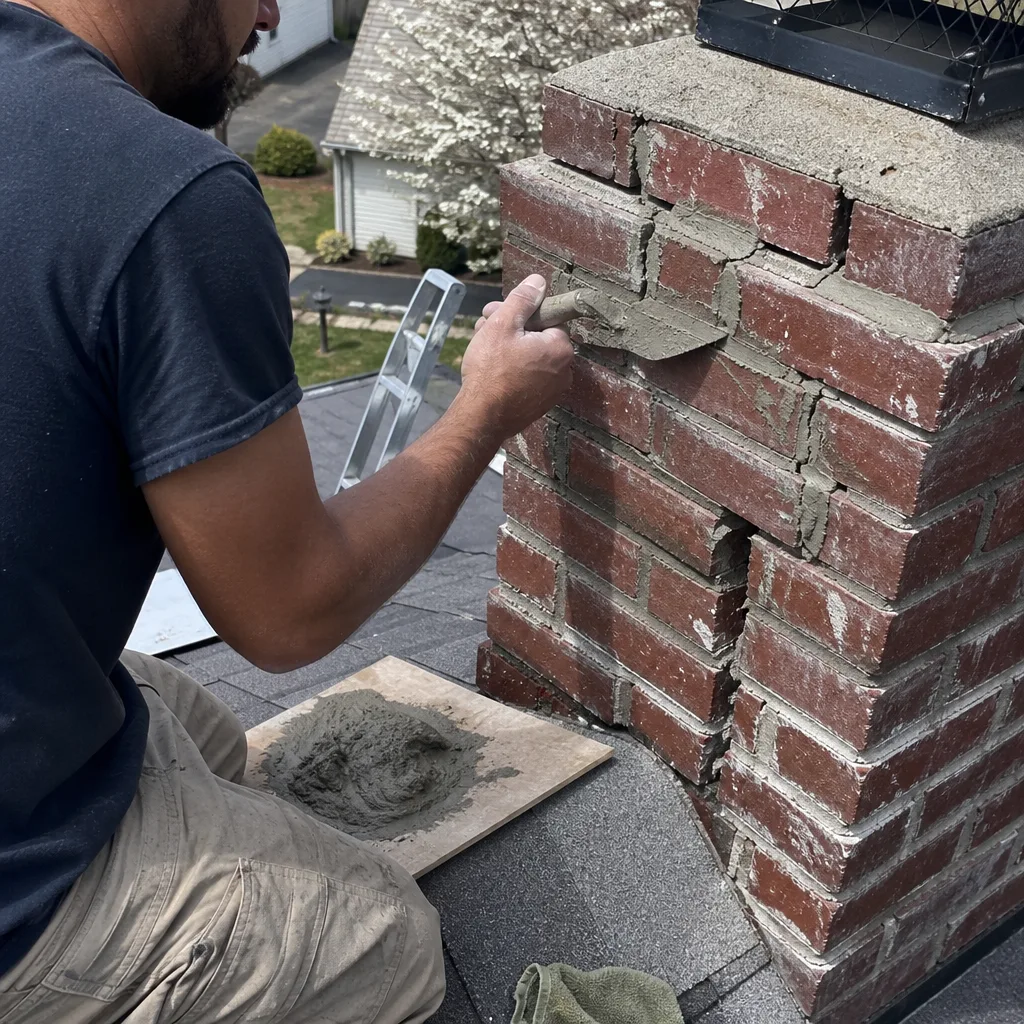
Yes, in most Montgomery Village and Kentlands communities, any change visible from the street, including a chimney cap or crown, requires architectural review board approval before installation. We’ll provide the written specifications and material details your management company needs to move the approval forward, and we recommend starting that process in early fall so the work is done before burning season. Call (571) 601-3174 if you need help preparing the documentation.
Not necessarily, but you should let us know your townhome shares chimney structures. Shared or stacked flues can mask individual draft problems, and what looks like your creosote buildup may actually originate in a neighbor’s unit. We’re used to working with Montgomery Village HOA contacts and management companies to coordinate multi-unit service when needed. Call (571) 601-3174 and we’ll walk through what your specific building configuration requires.
No, and that’s not our policy, it’s federal law. Chimney swifts are protected under the Migratory Bird Treaty Act, and we legally cannot remove active nests or disturb nesting birds. In Gaithersburg, swifts typically occupy uncapped chimneys from April through late August. We recommend scheduling your annual sweep in early March or after Labor Day to avoid the nesting window, and we’ll install a proper cap once the birds are gone so they don’t return next spring. Call (571) 601-3174 to check current scheduling availability.
Yes, and it’s one of the most common findings we document in Montgomery Village. The factory-built zero-clearance units installed in the late 1970s and 1980s had refractory panels with an expected service life well under what these homes have now reached. When panels crumble, they expose the firebox to direct heat and increase the risk of a house fire. Replacement panels for Heatilator and Majestic units are widely available, and we typically replace them for $350-$700 per set, depending on the model. Call (571) 601-3174 for a written quote.
Once a year is the correct interval even for light use, because Gaithersburg’s humid summers promote moisture absorption in creosote that sits in a dormant flue for months. Light burning produces Class I soot that’s quick to remove, but the annual inspection also catches rusted chase covers, deteriorating panels, and damper failures before they become expensive problems. Most Gaithersburg homeowners schedule their sweep in September or early October, before burning season and after chimney swifts have departed. Call (571) 601-3174 to book your annual visit.
Written by Corrine Halstead, Owner at Level Two Chimney Leesburg, serving Gaithersburg under the Haven Standard since 2009.