
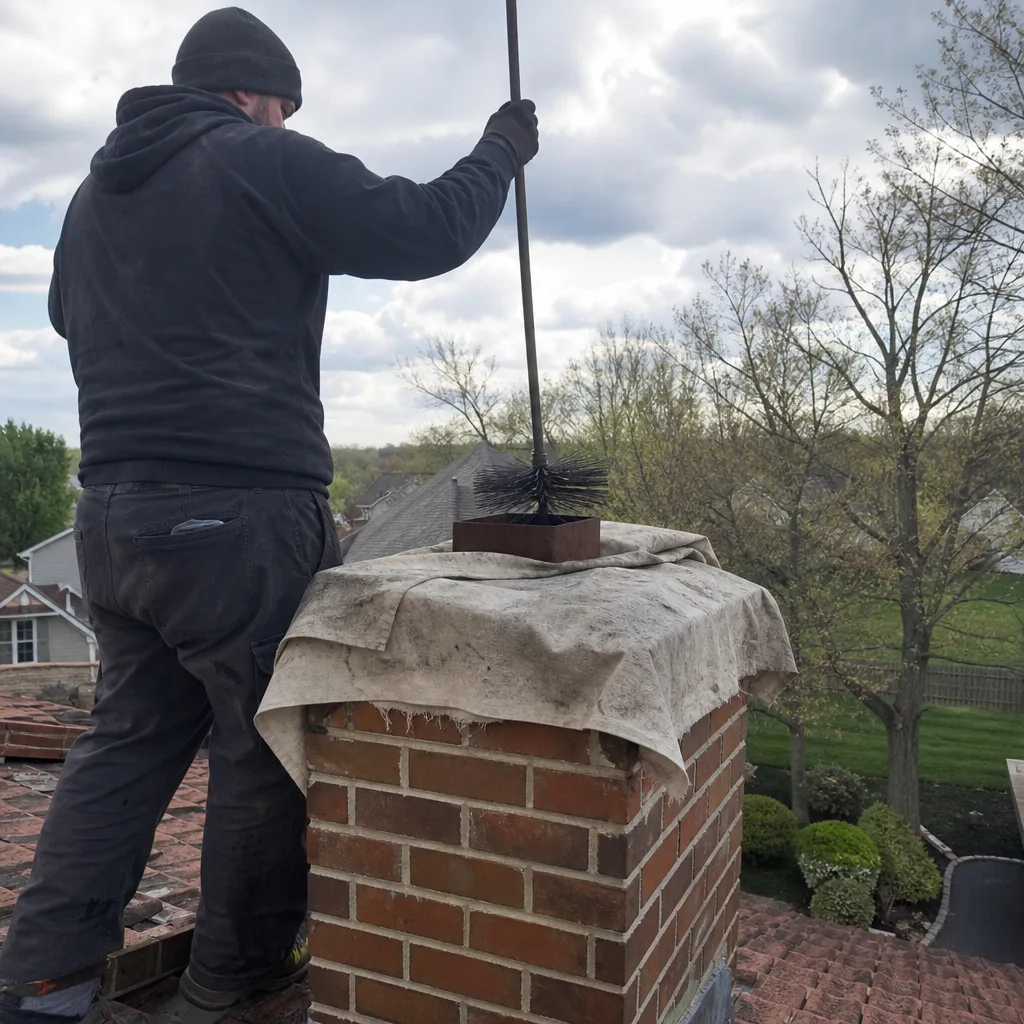
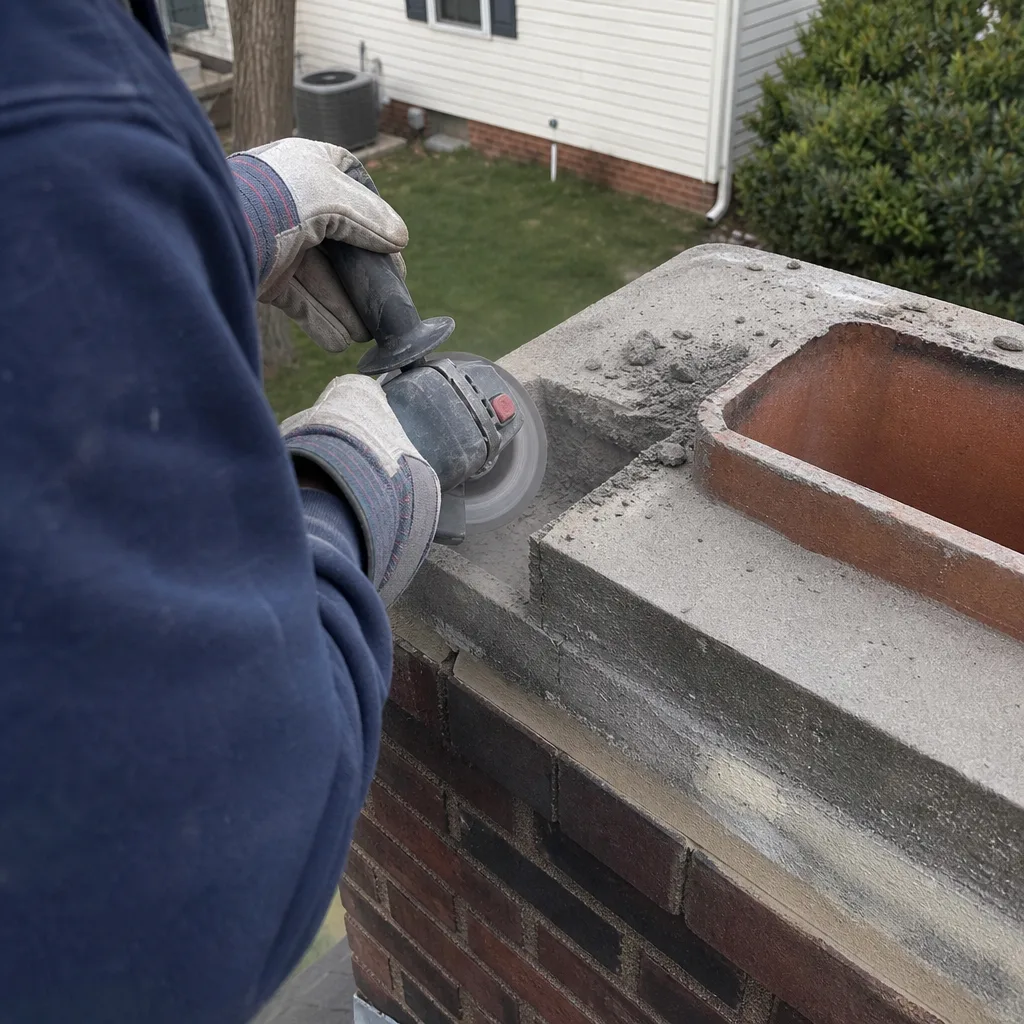
Level 1 sweep and inspection to the NFPA 211 annual standard - flue, crown, cap, and flashing checked and photographed
Chimney sweep logs do not sweep chimneys. They loosen some creosote - which then falls where a brush and vacuum still have to collect it.
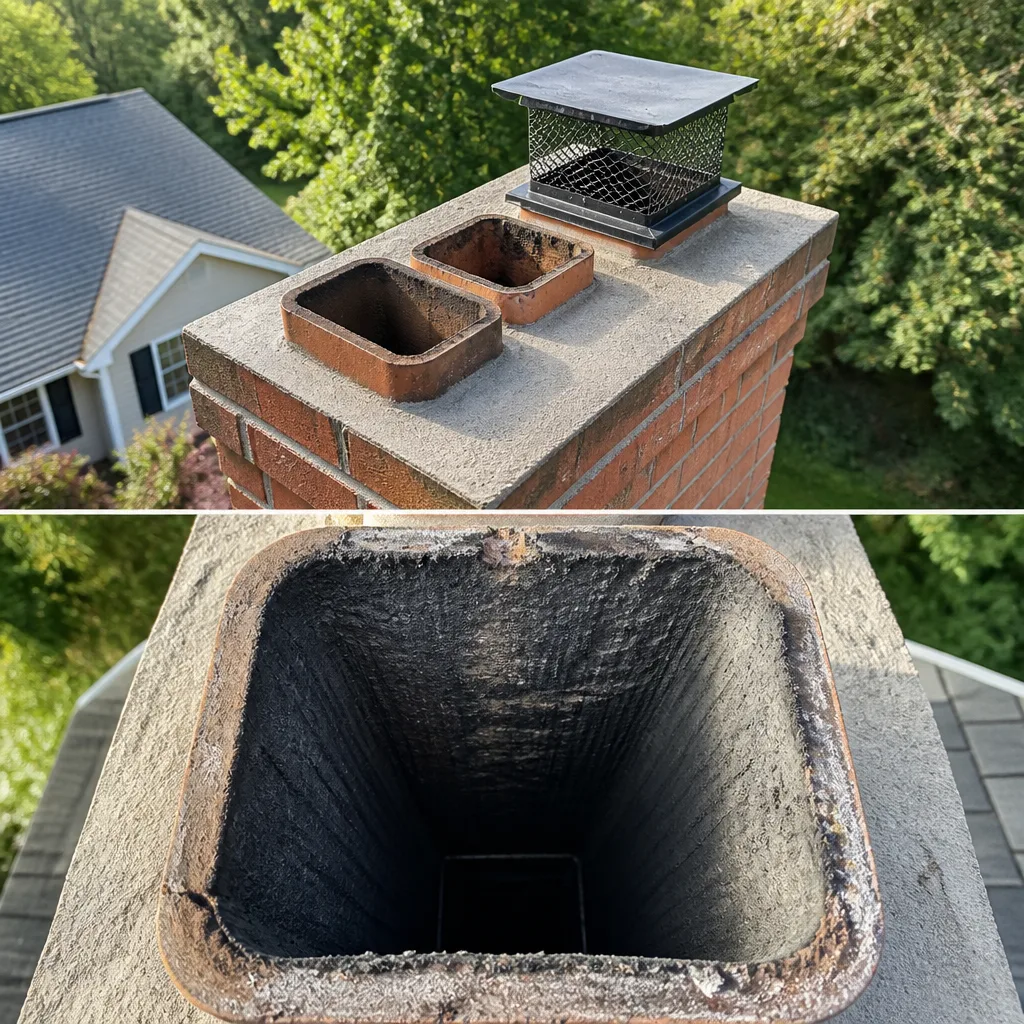
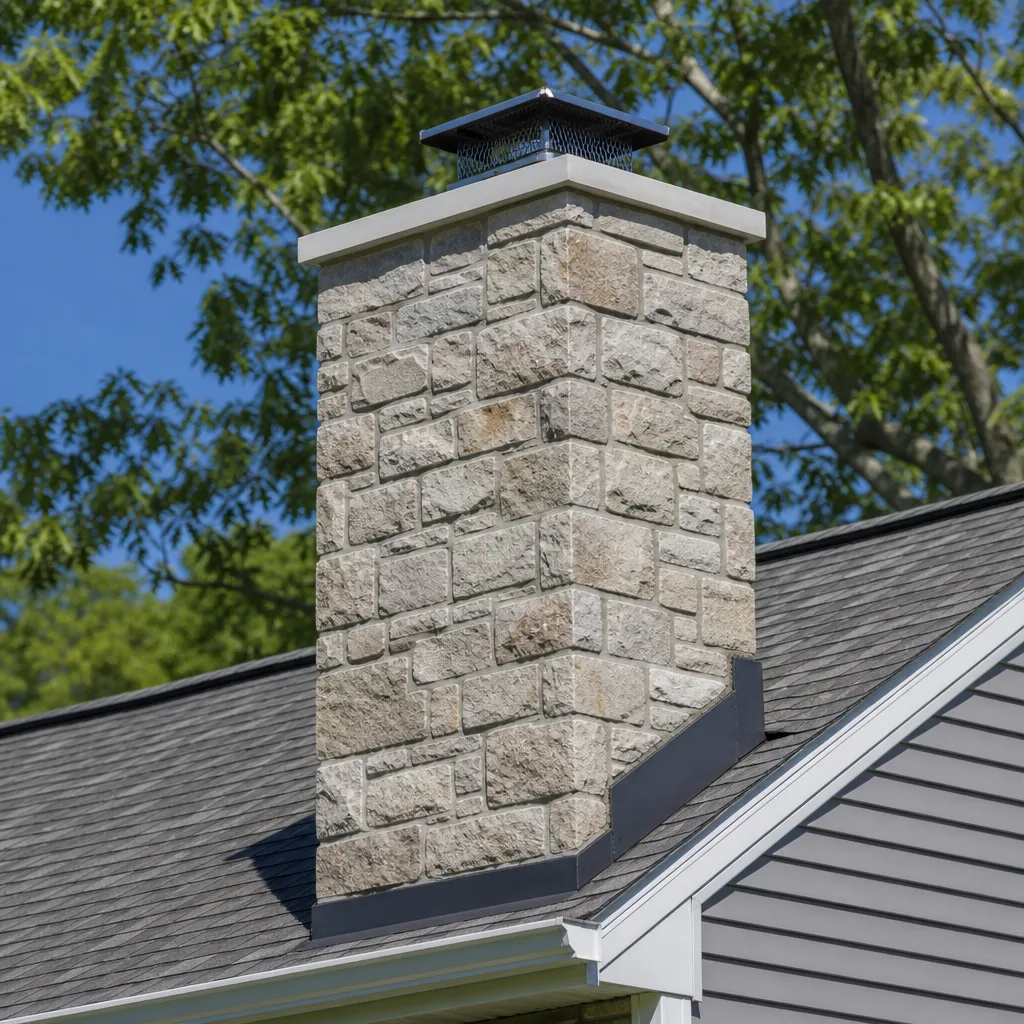
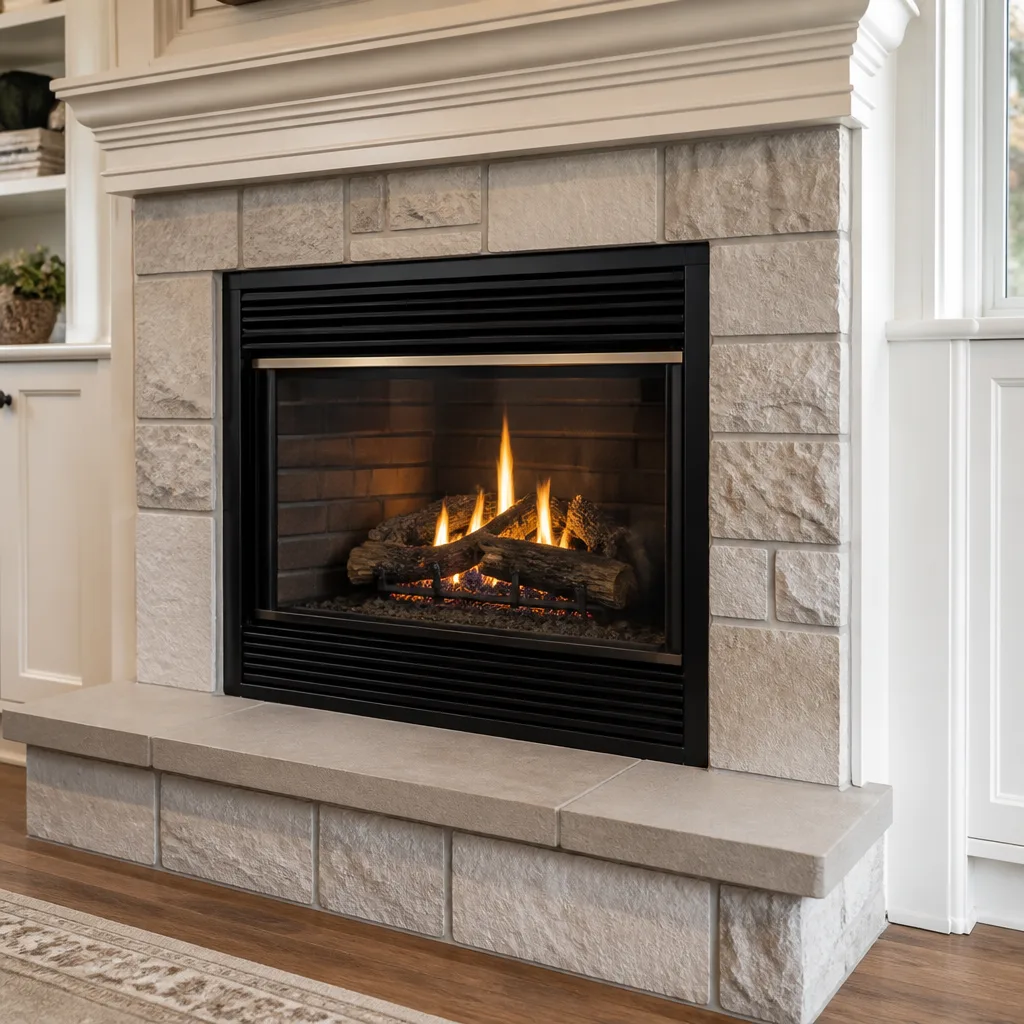
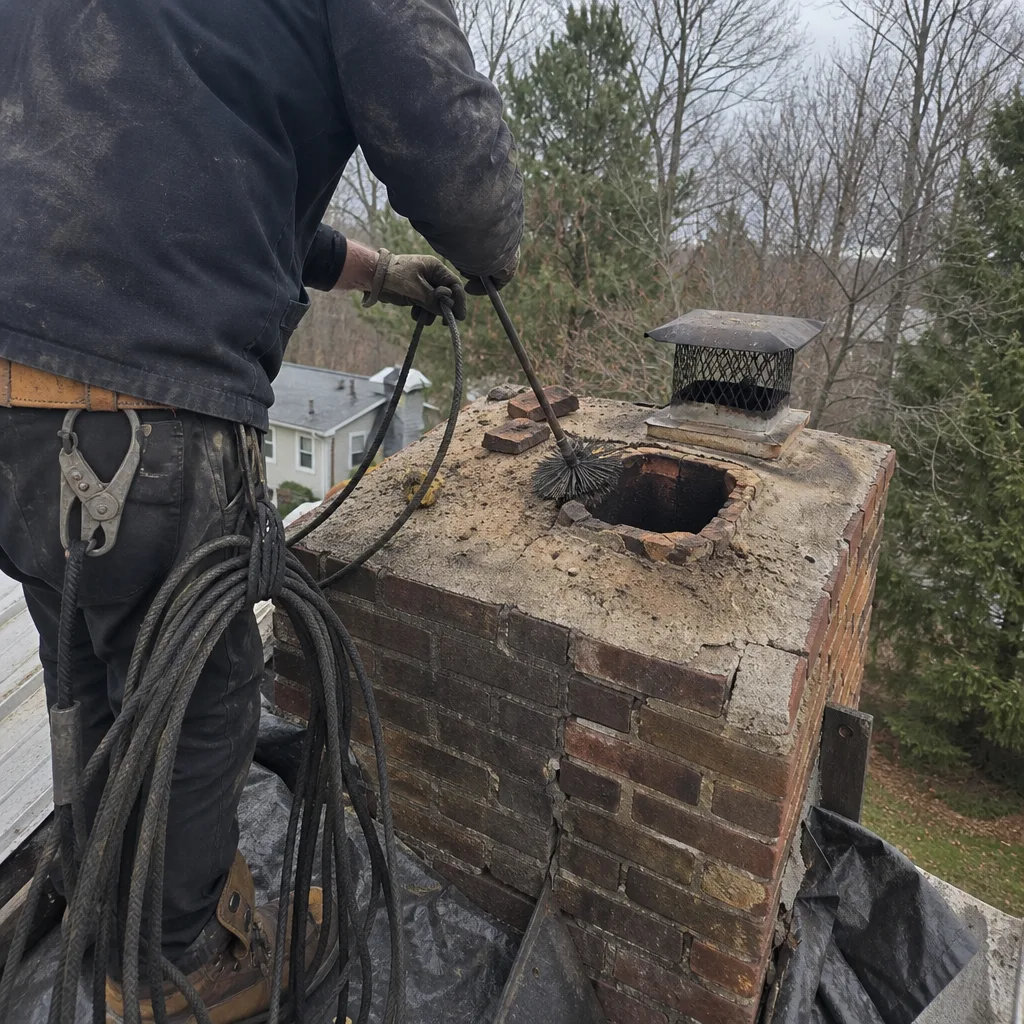 Before
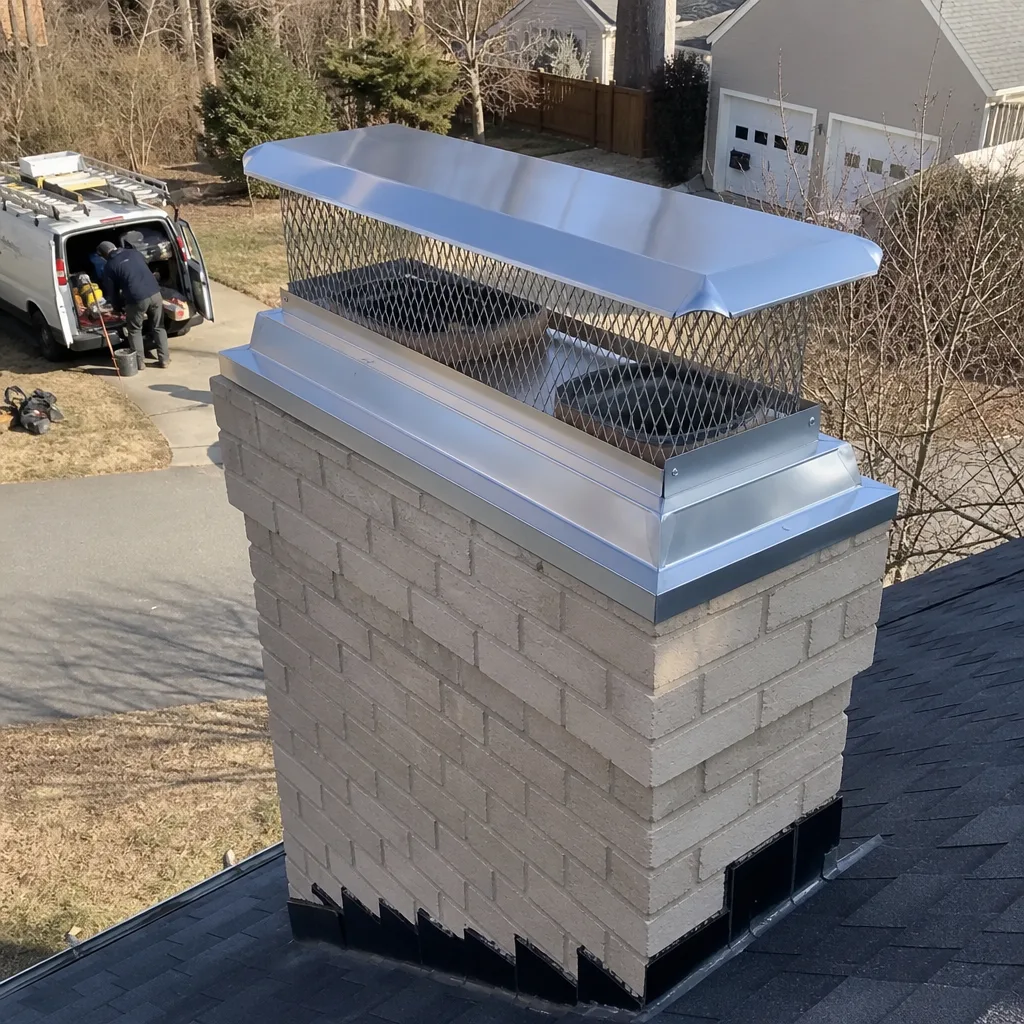 After
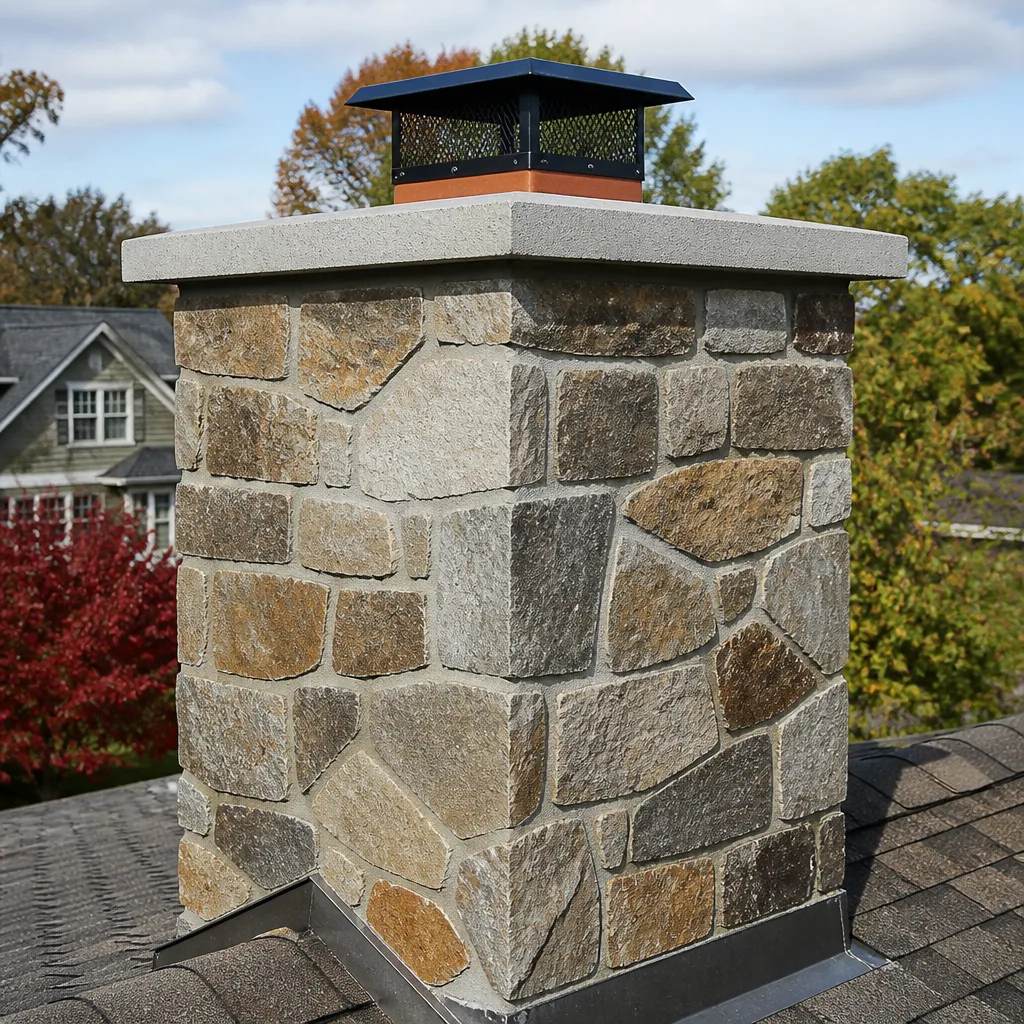
After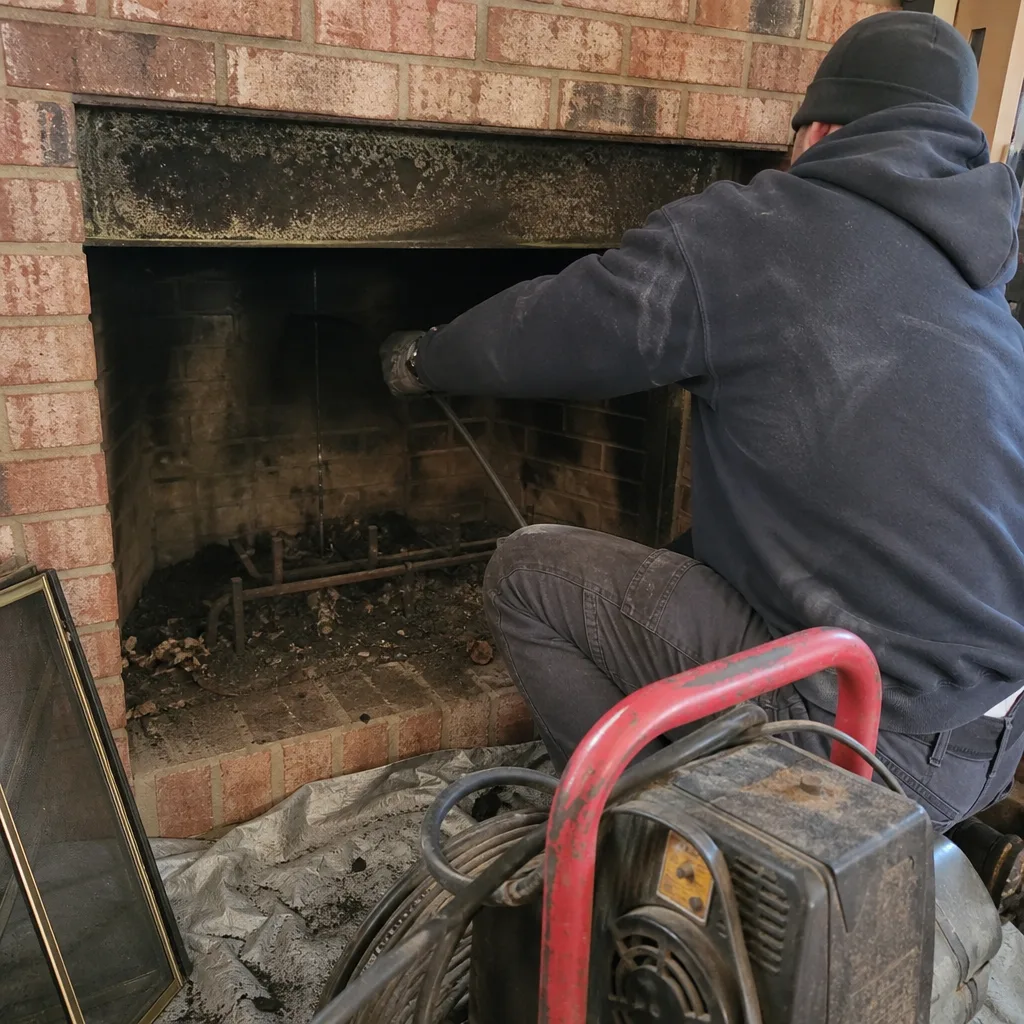 Before
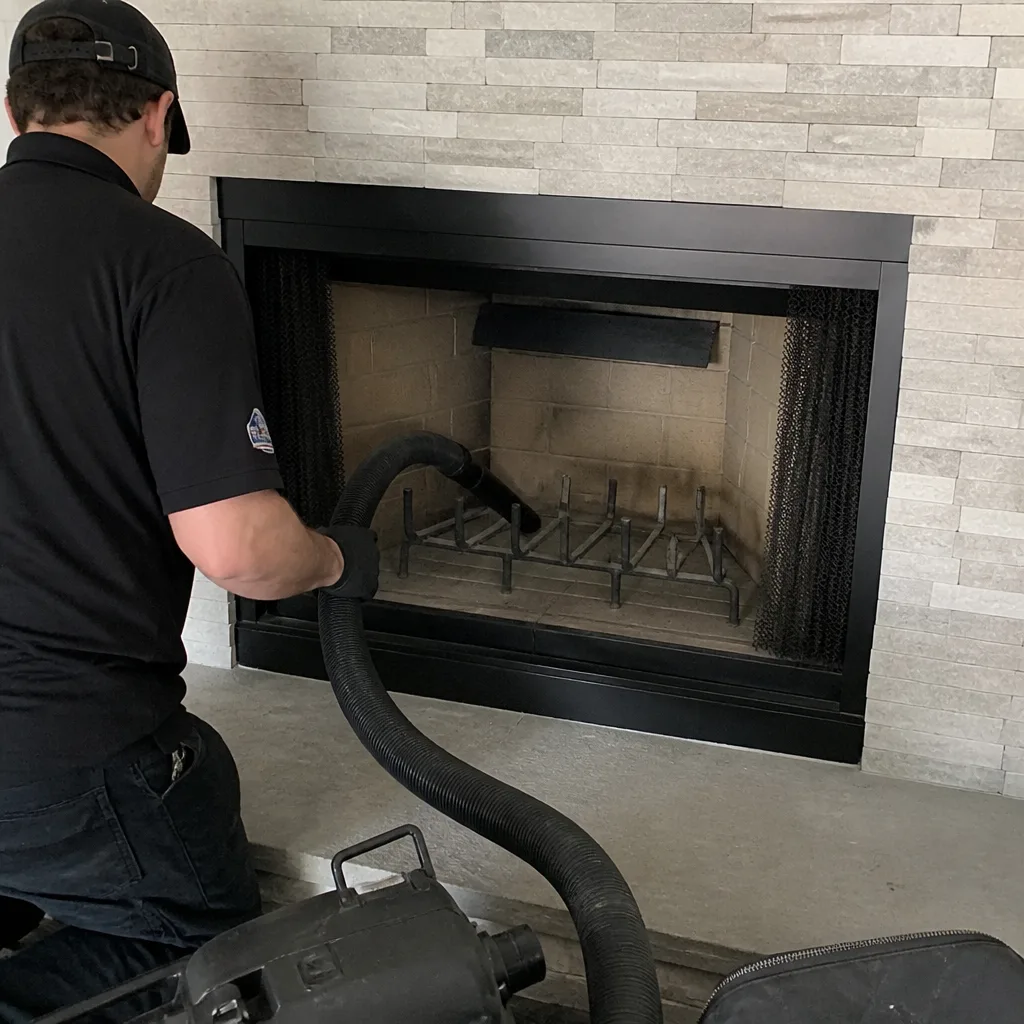 After
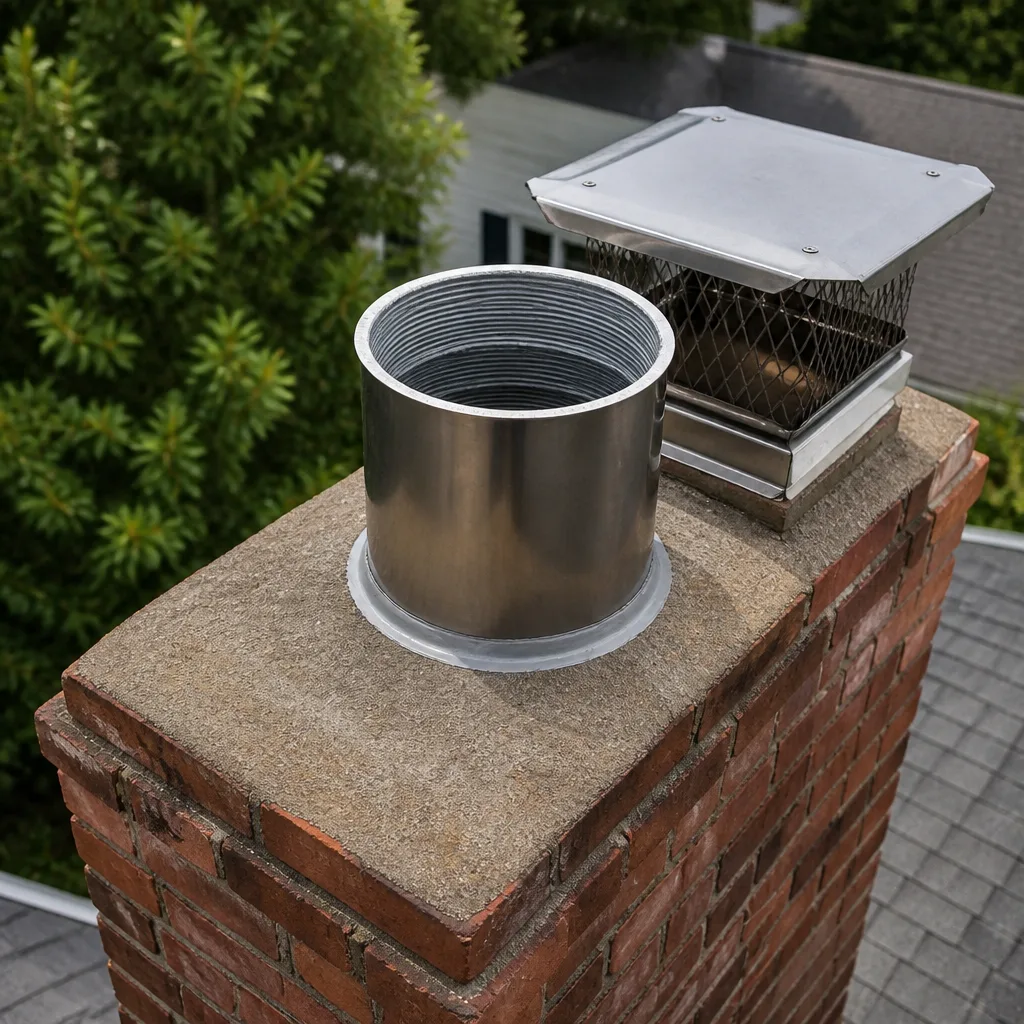
After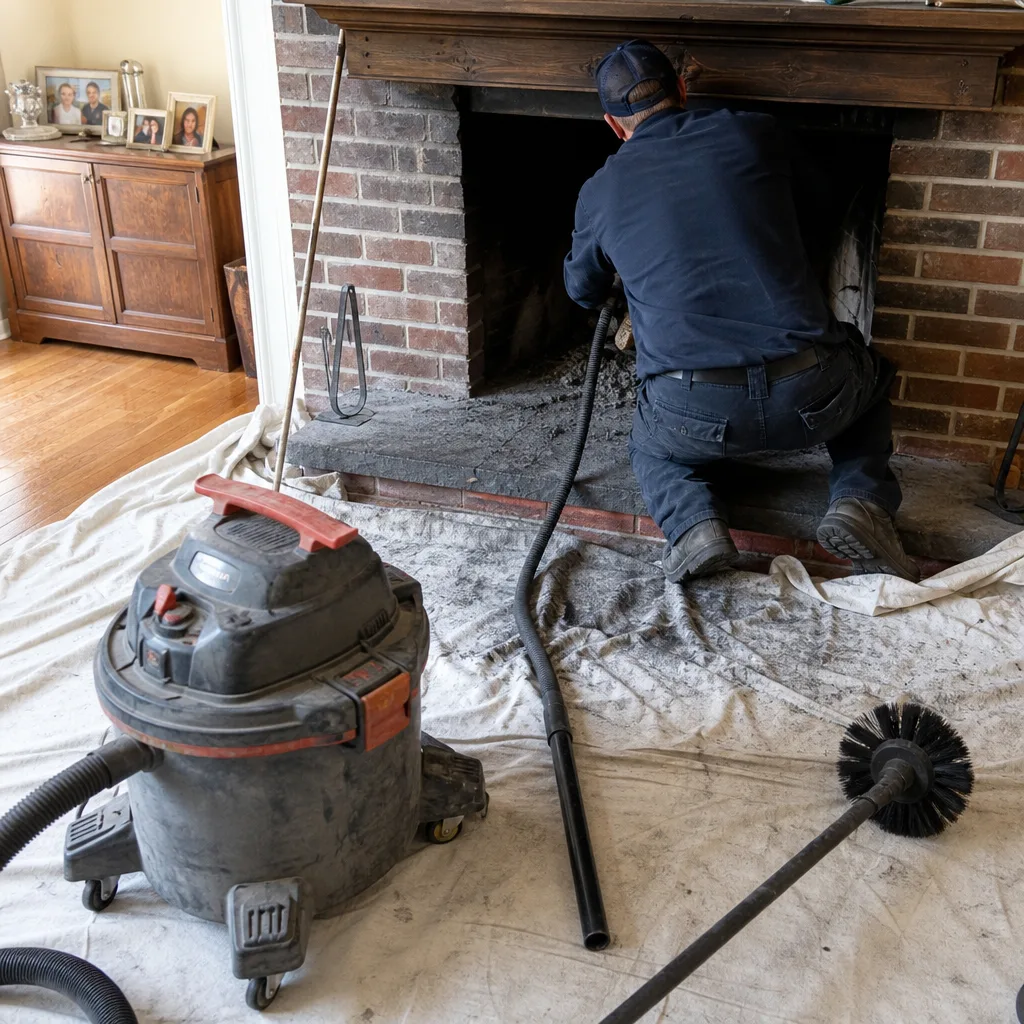 Before
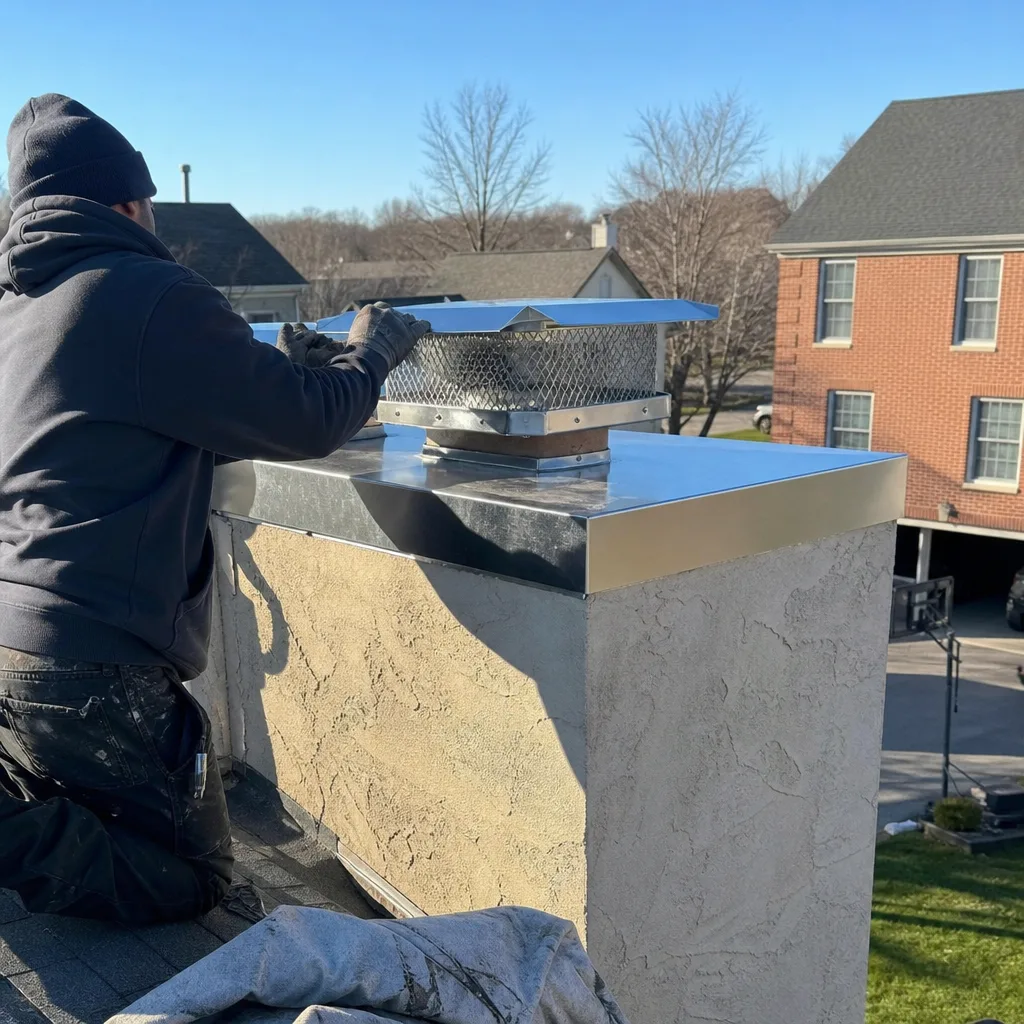 After
AfterFast, Reliable Chimney Cleaning & Sweep Across Rockville
A chimney sweep in Rockville, MD typically costs between $189 and $349 for a standard cleaning with a Level 1 inspection. If your home is in Twinbrook, East Rockville, or another mid-century neighborhood, the real question isn’t just what the sweep costs. It’s what the camera finds once we’re inside the flue. Our Chimney Cleaning & Sweep team works across Rockville from Rockville Pike to the neighborhoods off Norbeck Road, and every visit includes a camera-scan inspection and written price before any work begins. Call (571) 601-3174 to schedule.
Why Level Two Chimney Leesburg Is Rockville’s Preferred Chimney Cleaning & Sweep Company
Rockville homeowners don’t need a company that guesses. They need someone who knows what a 1951 Cape Cod in Twinbrook looks like inside the flue, versus a 1972 split-level off Veirs Mill Road. Corrine Halstead, who leads our team, has built Level Two Chimney Leesburg around one rule: show the evidence before asking for a decision. That means named technicians, background-checked and uniformed, and a text when they’re on the way. It means a camera goes down every flue, even on a basic sweep, because Clause 4 of the Haven Standard requires a documented photo record on every job. And it means a written price, written scope, and written warranty are in your hands before a single brush touches brick.
Since 2009, we’ve inspected and cleaned more than 38,000 chimneys. Every one of those jobs started with a written price, not a phone estimate. That’s not a marketing line. That’s Clause 1 of the Haven Standard: have it in writing. Rockville residents call us because they’ve read our reviews, compared our pricing structure, and know that a Free Second Opinion on any written estimate is always available. Bring us a competitor’s written quote and we’ll tell you, plainly, whether their scope matches what our camera found.
Our Chimney Cleaning & Sweep Services in Rockville
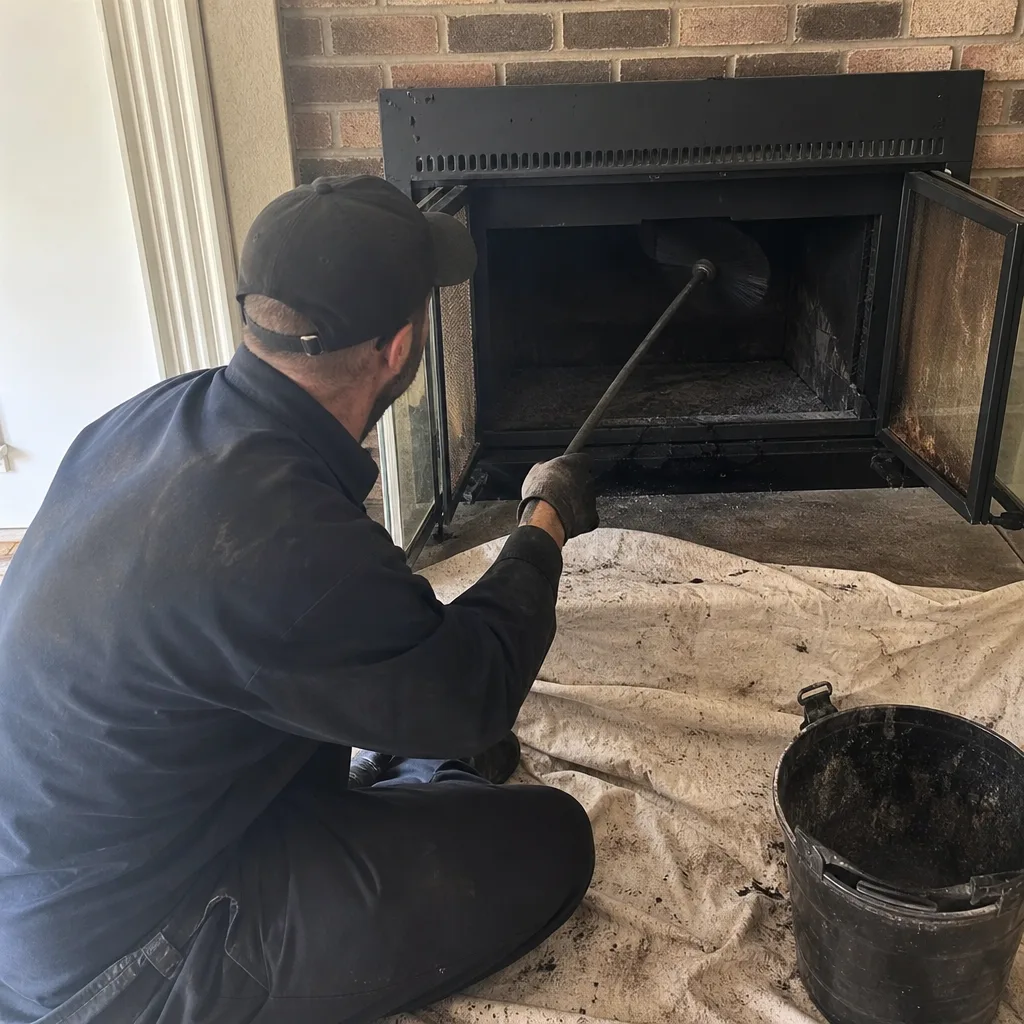
Most Rockville homes need more than a standard sweep. The age of the housing stock here, combined with a genuine freeze-thaw winter cycle, means a cleaning visit is often the first time anyone has looked inside the flue in years. Here’s what we do most often in Rockville:
Level 1 Inspection
A Level 1 inspection covers the accessible portions of the chimney: the firebox, the damper, the flue visible from the top, and the exterior crown and cap. Rockville homes with chimneys that have been swept regularly and show no signs of change typically qualify for Level 1. We include this with every standard cleaning. If the flue has never been camera-scanned, we’ll flag that and recommend a closer look.
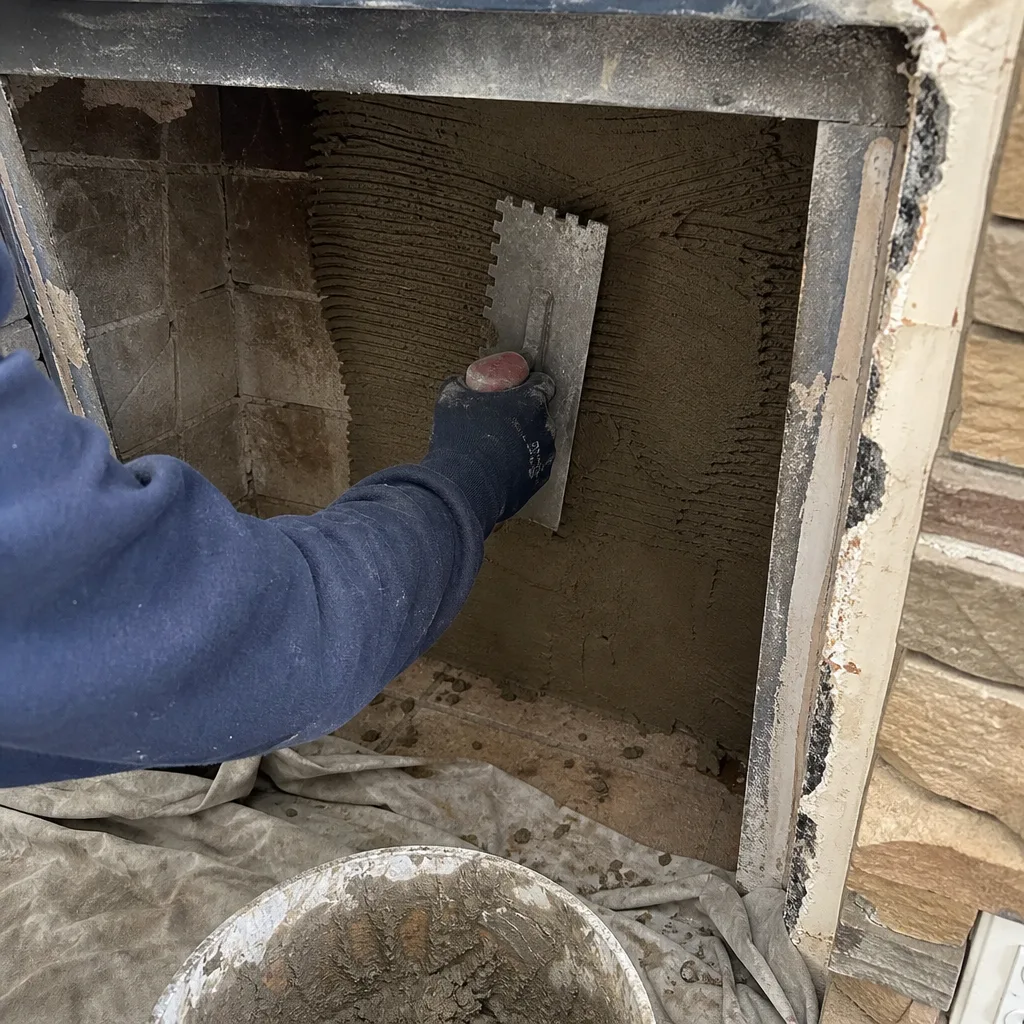
Level 2 Inspection
Rockville’s Twinbrook neighborhood, developed from 1948, forces our hand here more than almost anywhere else in Montgomery County. A Level 2 inspection puts a camera down the entire flue length, documenting every tile joint, every crack, every gap in the mortar. When a 1951 Cape Cod has a wood-burning insert added in the 1980s, the flue was rarely resized or lined to match. A Level 2 inspection is the only way to see whether that oversized flue is collecting creosote glaze or venting properly. We recommend Level 2 for any Rockville home with a converted oil-to-gas system, a newly purchased fireplace, or a chimney that hasn’t been swept in five or more years.
Creosote Removal
Creosote isn’t one substance. First-degree creosote is flaky and brushable. Second-degree is tar-like and sticky. Third-degree is a hard, shiny glaze that forms when flue temperatures cycle hot and cold, which happens constantly in Rockville’s freeze-thaw winters and humid summers. Unlined or oversized flues are the worst offenders because they cool exhaust gases too quickly, letting creosote condense rather than vent. Our Rockville sweeps use mechanical rotary tools to break up third-degree glaze when brushes alone won’t do it. In a recent Twinbrook job, a 1951 Cape Cod with an original 8×12 unlined flue and a 1980s wood insert had first-degree creosote coating the entire smoke chamber. We removed the buildup, documented the flue sizing, and recommended a DuraFlex liner before the next burn season.
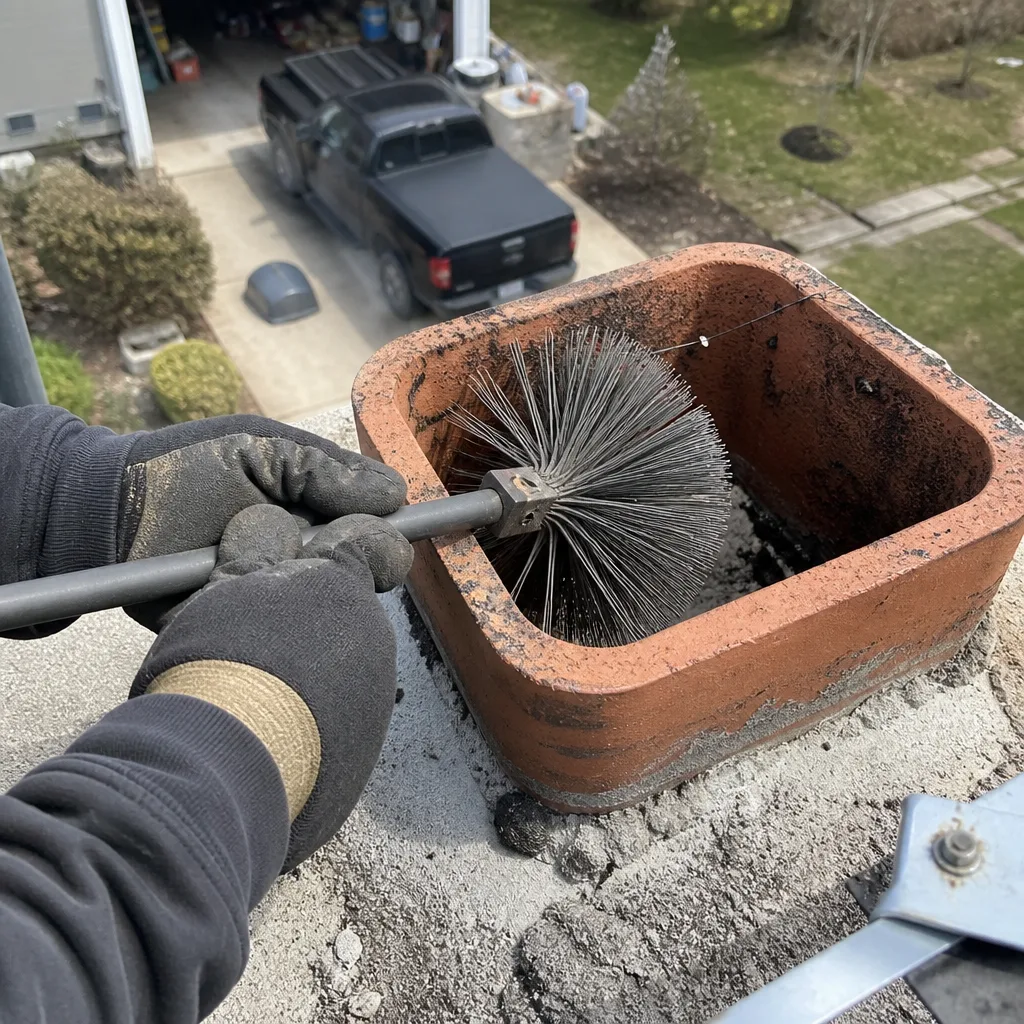
Soot Removal
Soot is different from creosote. It’s softer, carbon-based, and builds up faster in gas fireplace flues than in wood-burning systems. Rockville homes with original oil-boiler chimneys later converted to gas often accumulate soot in the smoke shelf and damper area. A standard sweep handles soot removal, but if the flue has never been inspected since conversion, we’ll camera-scan it while we’re there. Soot removal is also a prerequisite to any liner work, since the surface needs to be clean for adhesion.
What happens when you call
- 1
A real person answersNo phone trees - you reach a local pro.
- 2
You get an upfront price rangeHonest numbers before anyone is dispatched.
- 3
A background-checked tech heads outLicensed & insured, dispatched right away.
- 4
You approve before work beginsNothing starts until you say go.
BeforeAfterTrusted Brands We Service in Rockville
When a Rockville chimney needs more than a sweep, the materials matter. We source from DuraFlex, Olympia Chimney, and Copperfield through the Haven buying network. That’s not about brand loyalty. It’s about keeping material costs predictable and warranty coverage enforceable. If your Twinbrook home needs a stainless liner because the original clay tiles have cracked from freeze-thaw cycles, we’ll quote the specific liner system, the gauge, and the warranty in writing before ordering anything. Rockville customers also appreciate that we stock common cap and crown components locally, which keeps turnaround on repairs shorter than ordering piecemeal.
Common Chimney Cleaning & Sweep Problems We See in Rockville Homes
- Cracked clay flue tiles hiding behind decades of soot. Rockville’s freeze-thaw cycle works water into the tile surface, and when a sweep dislodges fragments, they can block the flue entirely. We see this constantly in East Rockville colonials from the 1960s and 1970s.
- Unlined oil-era flues now serving gas fireplaces or wood inserts. Twinbrook’s original chimneys were built to vent oil-fired boilers, which run hotter and draft differently than gas or wood. When a 1980s insert was added without resizing, creosote and carbon monoxide risk quietly compound.
- Third-degree creosote glaze in oversized flues. The wider the flue, the slower the draft, the colder the exhaust, the faster creosote condenses. In Rockville’s mid-century housing stock, this is the single most common finding on a first-time Level 2 camera scan.
- Summer humidity keeping flues damp all off-season. High summer humidity isn’t visible, but its effects are: spalling brick, efflorescence stains, and liner deterioration that accelerates before the first autumn fire. A damp flue also makes creosote removal more difficult, since the tar-like second-degree deposits stay sticky.
Pricing for Chimney Cleaning & Sweep in Rockville, MD
A standard chimney sweep with a Level 1 inspection in Rockville runs $189 to $249 for a single-flue, easily accessible fireplace. Expect $249 to $349 if the flue has heavy creosote buildup or if access requires roof work on a steep pitch. A Level 2 camera-scan inspection adds $150 to $250, and it’s the right call for any Twinbrook or East Rockville home with a converted oil-to-gas system or a fireplace you’ve never seen documented. Creosote removal for third-degree glaze starts around $350 and goes up based on flue length and buildup severity. Liner work, if needed, is quoted separately and always in writing. Every estimate is free. Every price is written before work starts. Call (571) 601-3174 for an exact quote.
| Service | Typical Rockville Range |
|---|---|
| Standard sweep + Level 1 inspection | $189 - $249 |
| Heavy creosote sweep (steep roof or difficult access) | $249 - $349 |
| Level 2 camera-scan inspection | $150 - $250 (added) |
| Third-degree creosote removal | $350+ based on flue length |
| Liner installation (if needed) | Quoted separately, always in writing |
We Also Serve Cities Near Rockville
Our Rockville customers often ask if we cover nearby areas, and the answer is yes. We serve Gaithersburg, Montgomery Village, Germantown, and Clarksburg with the same written-price-before-work rule, camera-scan documentation, and 365-Day Done Right Promise. If you’re just outside Rockville, call and we’ll confirm scheduling.
Serving Rockville, MD - Our Local Coverage Area
We’re based in the Rockville area and know this community well. Use the map below to see our service coverage - if you’re nearby, we can almost certainly help.
FAQs - Chimney Cleaning & Sweep in Rockville
Almost certainly yes, but the only way to know is a camera-scan Level 2 inspection. Twinbrook chimneys from the late 1940s and early 1950s were built for oil-fired boilers, not wood-burning inserts. The flues are oversized for modern gas or wood use, and many have no proper liner at all. When you add a 1980s insert to that setup, the draft slows, creosote condenses faster, and the risk of flue blockage or carbon monoxide backdraft rises sharply. A Level 2 inspection will show you the flue dimensions, the tile condition, and whether a DuraFlex liner is required. Call (571) 601-3174 to schedule the camera scan first. You don’t have to decide anything before seeing the footage.
Rockville homeowners with wood-burning fireplaces should sweep once per year, ideally before the first October fire. Homes with regular wood-stove or insert use may need twice per year, especially in Twinbrook and East Rockville where the flues are older and the freeze-thaw cycle is actively degrading clay tiles. The NFPA standard is an annual inspection and sweeping as needed, and Rockville’s climate makes “as needed” more frequent than in milder regions. If you skipped last season, don’t skip the inspection this fall. The camera will show what’s changed since the last sweep.
First-degree creosote is a flaky, dry deposit that brushes off with a standard sweep. Third-degree creosote is a hard, shiny glaze that forms when flue temperatures cycle, and it’s the one that fuels chimney fires and can’t be removed with basic brushes. Unlined flues make third-degree creosote more likely because the exhaust cools too fast on its way up, condensing tar-like deposits that then bake into glaze. Rockville’s freeze-thaw winters amplify this because the outer brick is cold while the inner flue is hot, the exact condition for creosote hardening. If our camera finds third-degree glaze, we’ll tell you the footage number and the removal cost before we start.
Yes, sweep it now, before heating season. A damp chimney in summer means moisture is entering through a cracked crown, damaged flashing, or spalling brick. That same moisture soaks into creosote deposits, making them stickier and harder to remove. By October, the freeze-thaw cycle will have started working that water into the mortar joints, expanding cracks and accelerating tile damage. A sweep now, with a camera-scan to document the moisture entry points, gives you the full picture while there’s still time to fix the crown or flashing before burning season. Call (571) 601-3174 to schedule before the fall rush.
Yes, we clean and camera-scan these chimneys regularly across Rockville. The real issue with an oil-sized flue now venting gas is that the flue dimensions are wrong for the job. Gas exhaust runs cooler than oil exhaust, which means it condenses more inside the flue, leaving behind a corrosive residue that attacks clay tiles. A cleaning will remove the surface deposits, but the camera scan is what tells you whether the flue is now compromised and whether a liner is the right next step. We’ll show you the footage and give you a written recommendation. You decide with evidence in front of you, not a sales pitch.
Written by Corrine Halstead, Owner at Level Two Chimney Leesburg, serving Rockville under the Haven Standard since 2009.