
Last updated September 20, 2026
Level 1 sweep and inspection to the NFPA 211 annual standard - flue, crown, cap, and flashing checked and photographed
Chimney sweep logs do not sweep chimneys. They loosen some creosote - which then falls where a brush and vacuum still have to collect it.
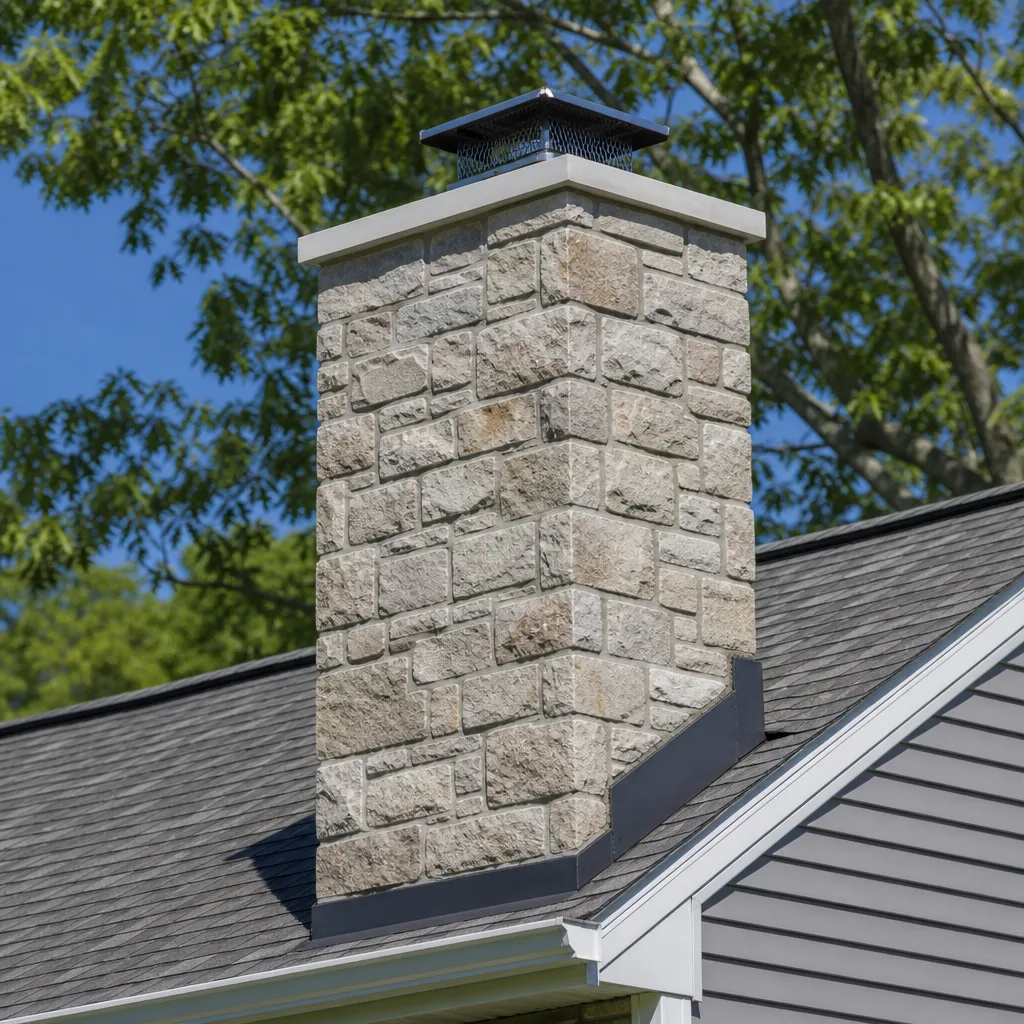
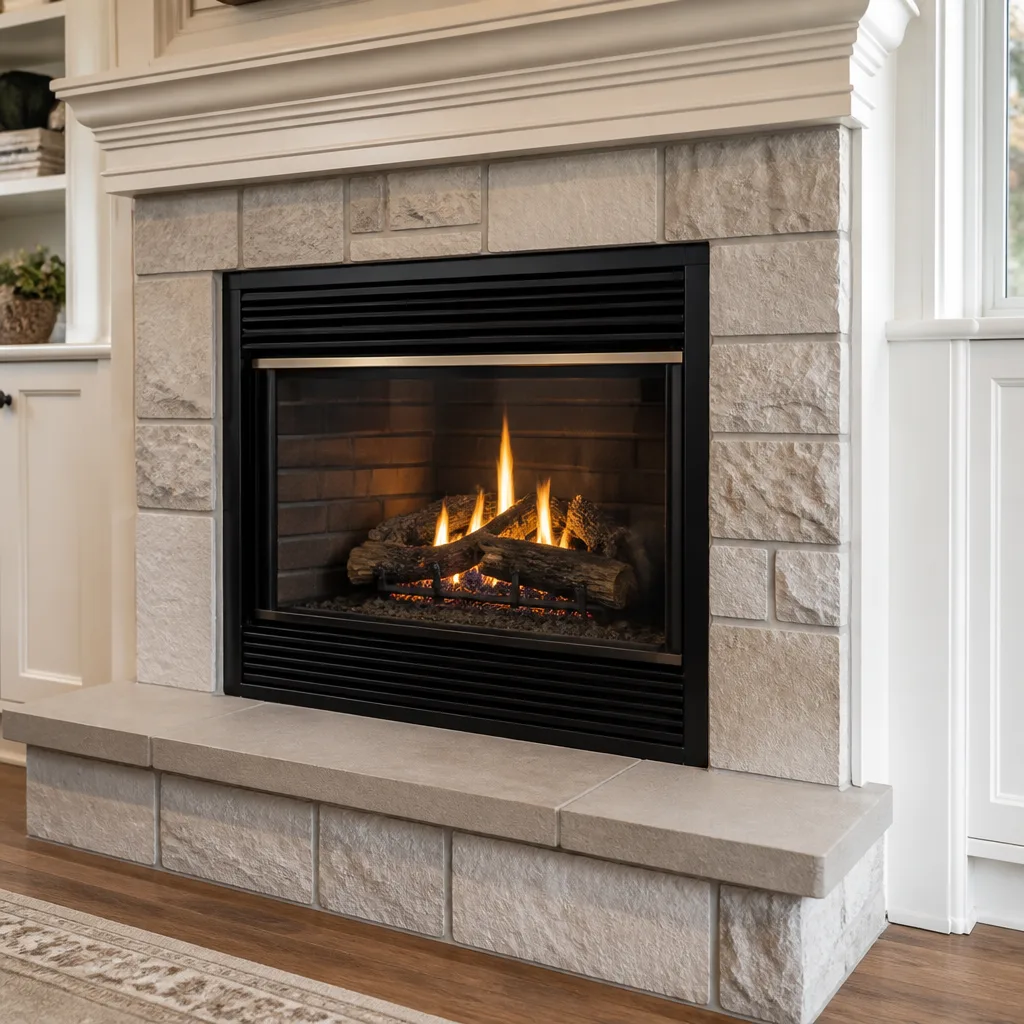
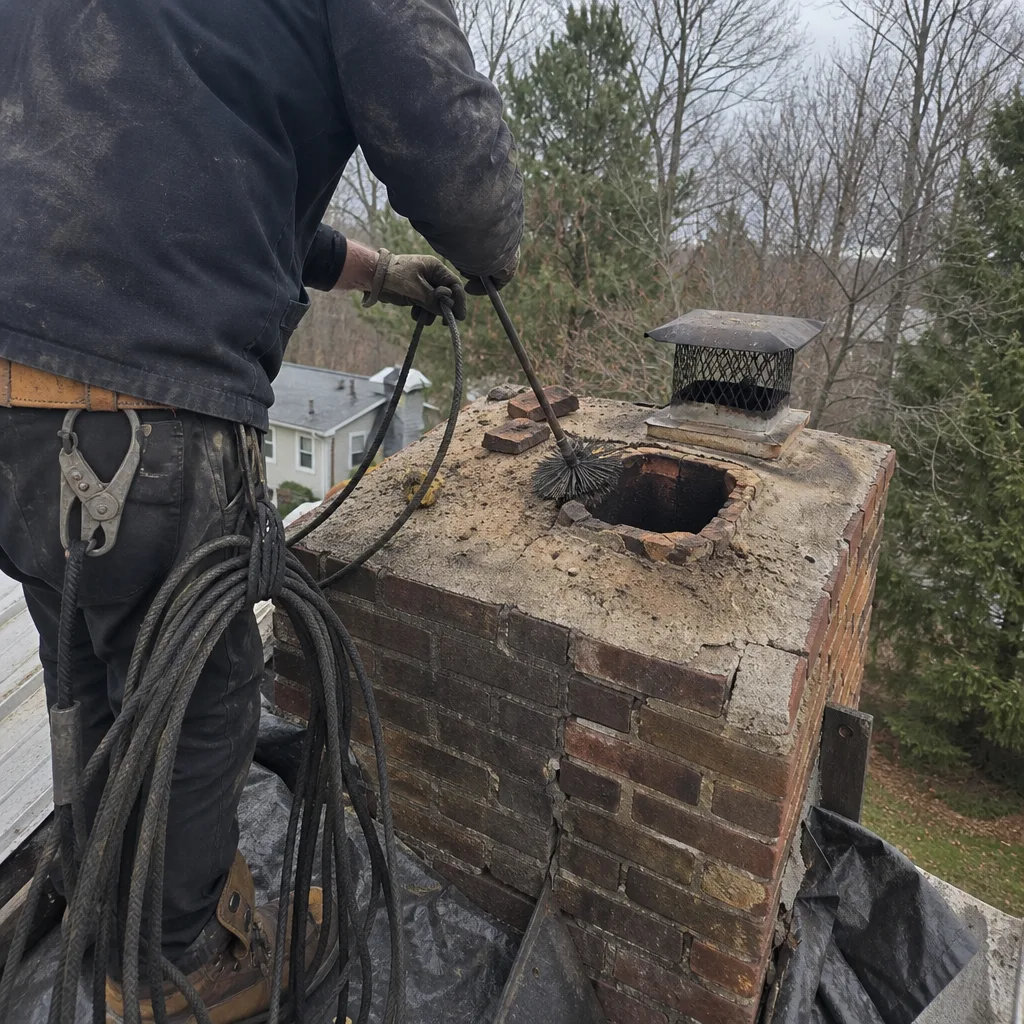 Before
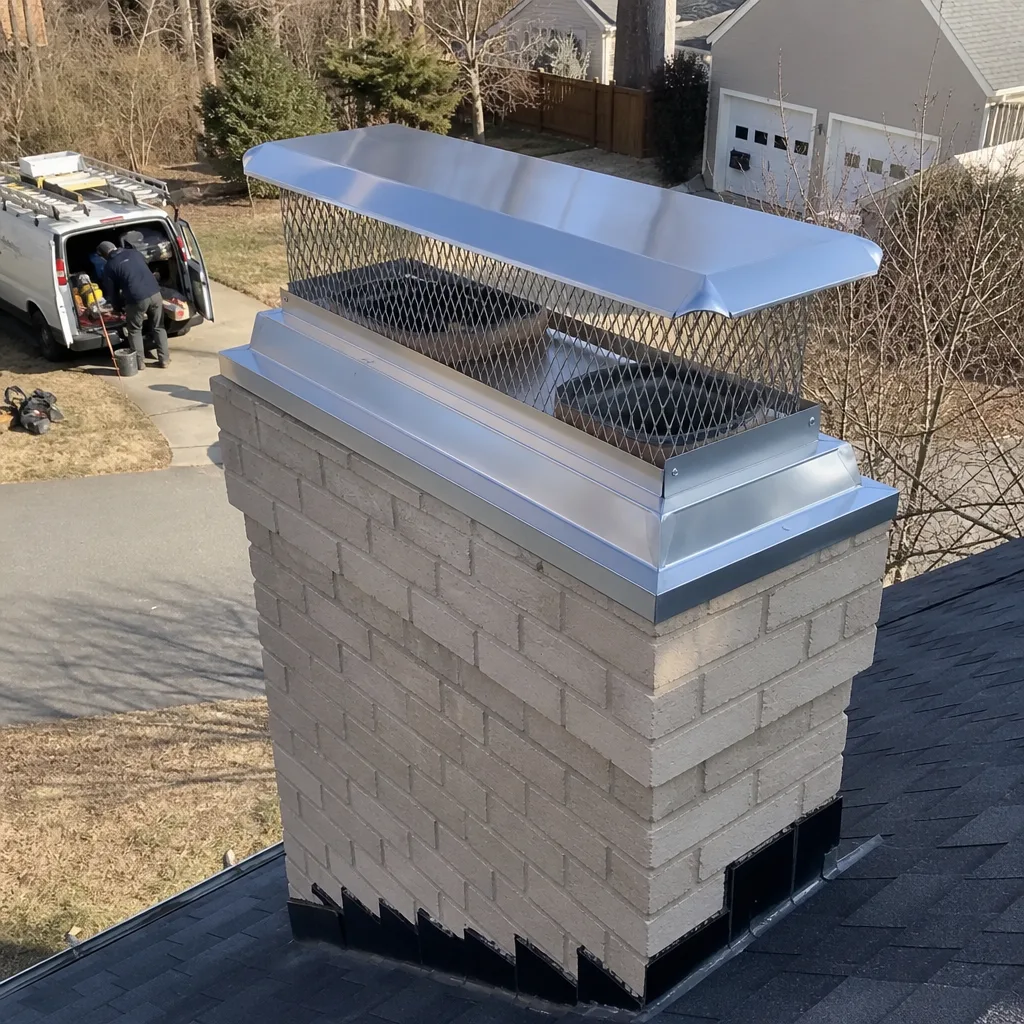 After
After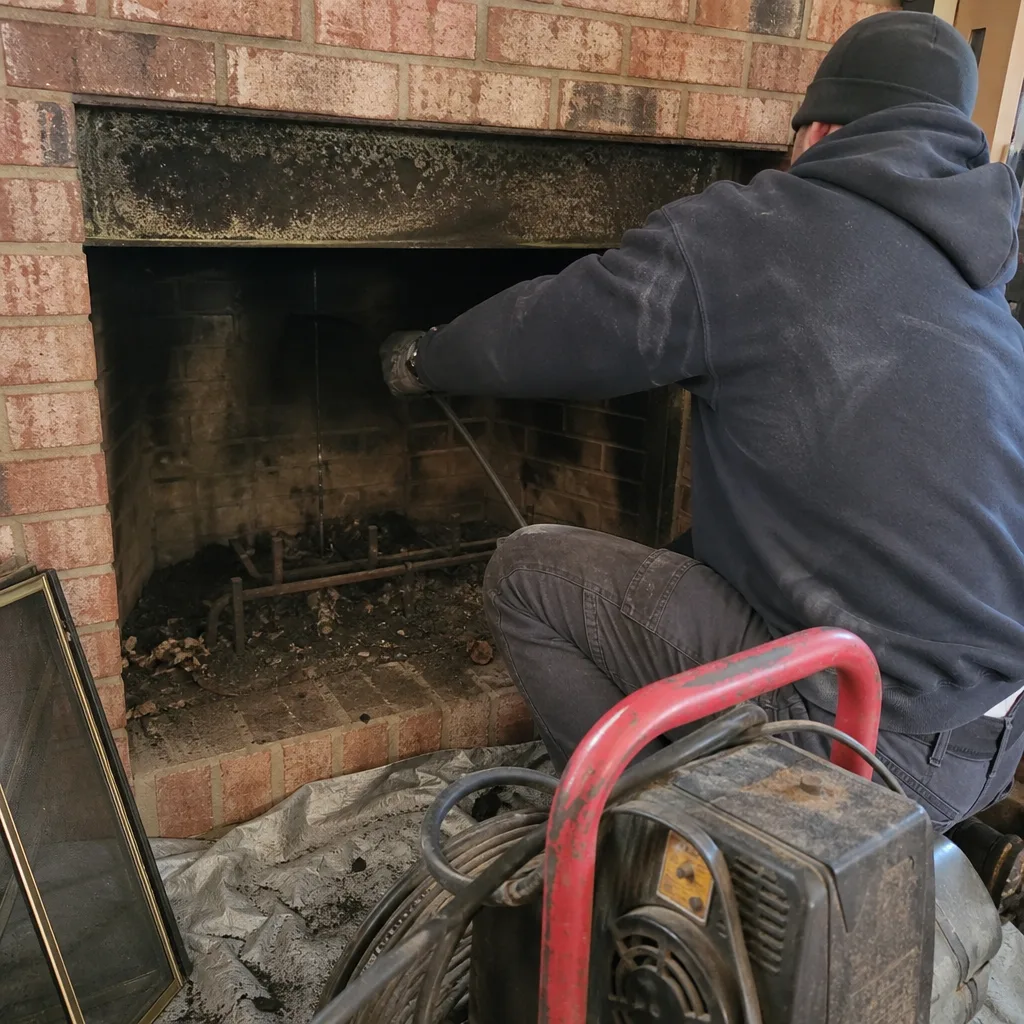 Before
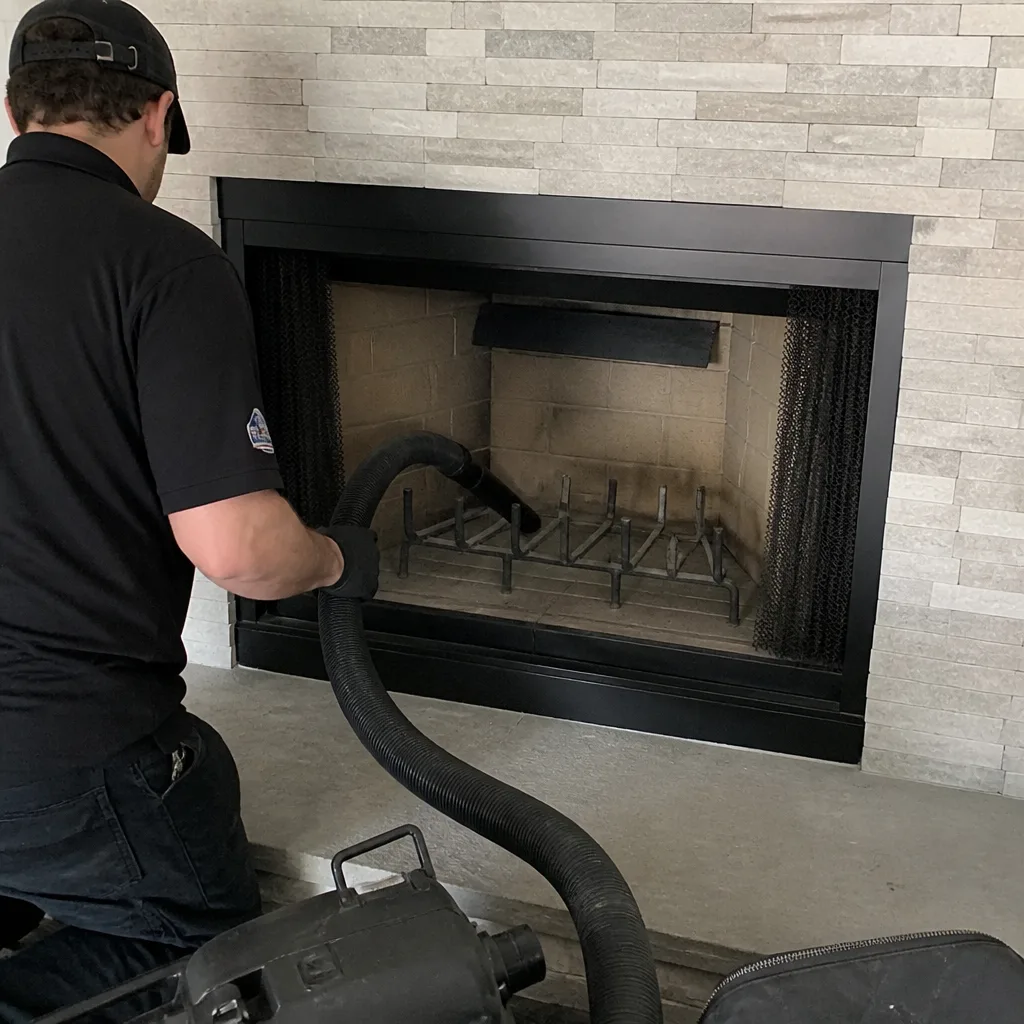 After
After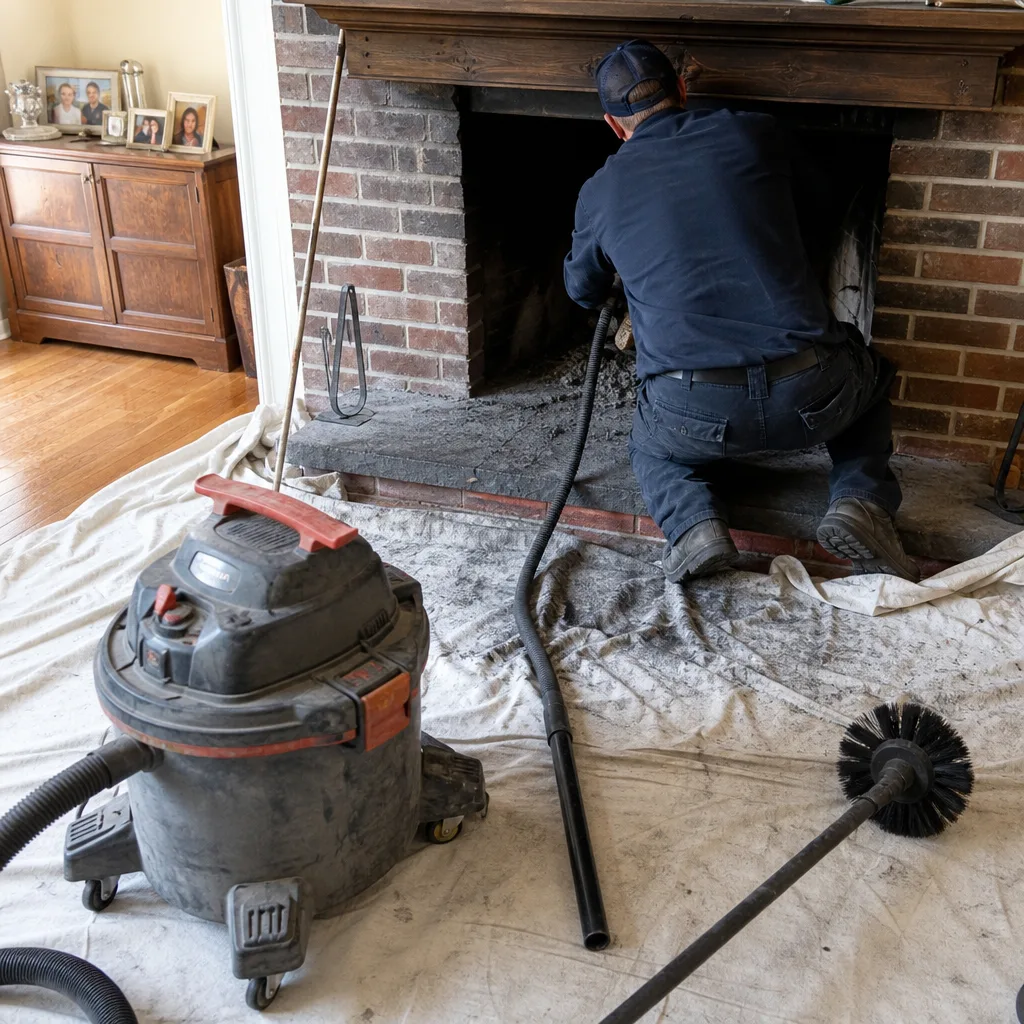 Before
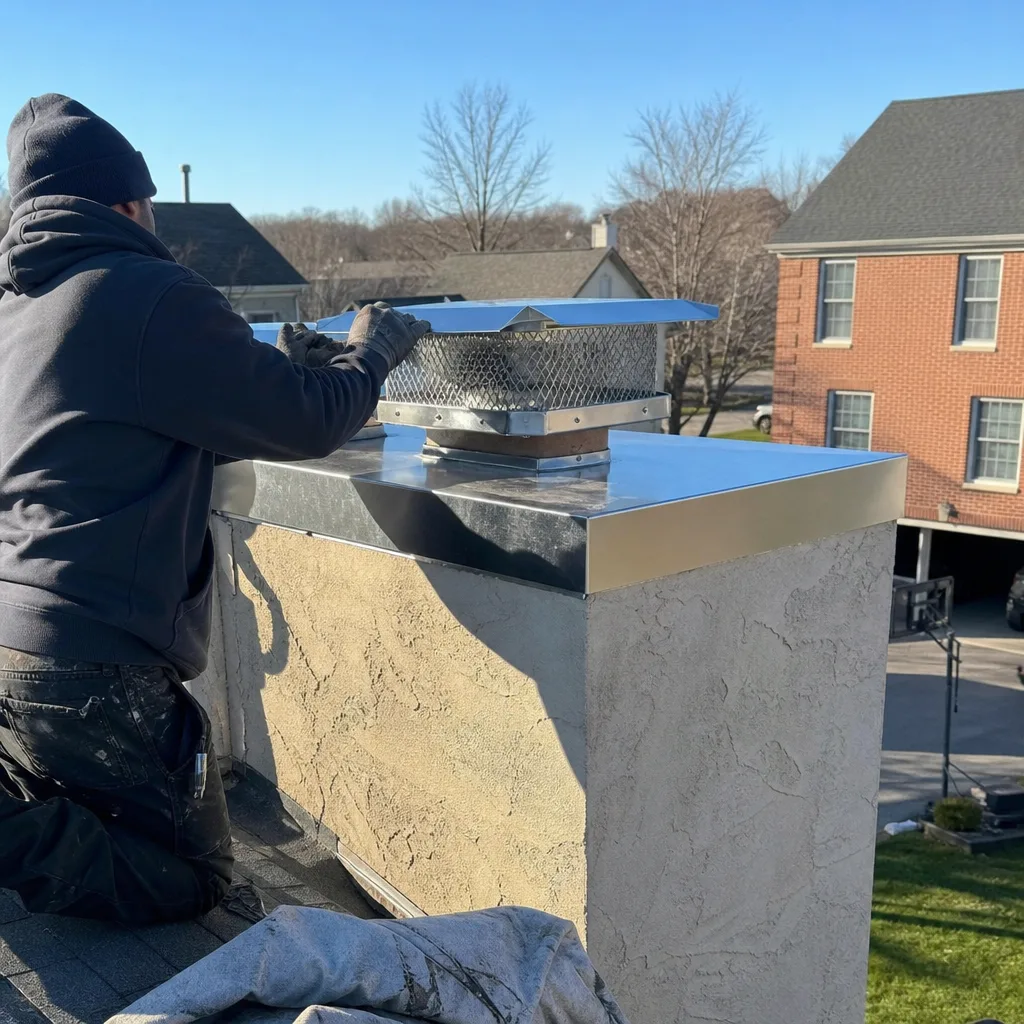 After
AfterThe Complete Guide to Chimney Cleaning in Leesburg
The National Fire Protection Association reports that roughly one in four home heating fires involves a chimney that had been “cleaned” at some point. Think about that for a second. The problem in Leesburg isn’t that people skip chimney maintenance entirely. It’s that too many cleanings never actually verify what’s inside the flue. A brush goes up, some soot falls down, someone hands over a receipt, and the homeowner assumes the chimney is safe. This guide documents what a complete chimney cleaning actually produces in Leesburg in 2025: a written price before work starts, a before-and-after camera record, and a signed service report you can hand to an insurer or a home buyer. By the time you finish reading, you’ll know exactly what to expect from a legitimate sweep, what questions to ask, and what documentation proves the job was done right.
Quick Answer
Chimney cleaning in Leesburg typically costs between $189 and $350 for a standard sweep, depending on flue condition, creosote stage, and accessibility. A complete cleaning should include a camera inspection of the flue liner, mechanical brushing appropriate to the creosote stage present, and a written report with before-and-after documentation. Anything less than that isn’t a cleaning. It’s a partial service that leaves you without evidence the chimney is actually safe to use.
Table of Contents
- What a Complete Cleaning Actually Includes
- Level 2 Camera Inspection vs. a Flashlight Visual
- The Three Stages of Creosote and the Cleaning Method Each Requires
- Leesburg Chimney Realities: Gas Conversions, Older Homes, and Wood-Burning Culture
- What a Completed Cleaning Should Produce: The Paperwork
- Written Price Before Work Starts vs. the “Price After Inspection” Pattern
- How Often Should a Chimney Be Swept in Leesburg?
- DIY vs. Professional Cleaning: What’s Actually Worth Doing Yourself
- Common Mistakes to Avoid
- When to Call a Professional
- Frequently Asked Questions
BeforeAfterWhat a Complete Cleaning Actually Includes
Most homeowners think chimney cleaning means one thing: someone pushes a brush up the flue. That’s the 1985 version of this trade. A complete cleaning in Leesburg in 2025 involves several distinct steps, and each one exists for a reason.
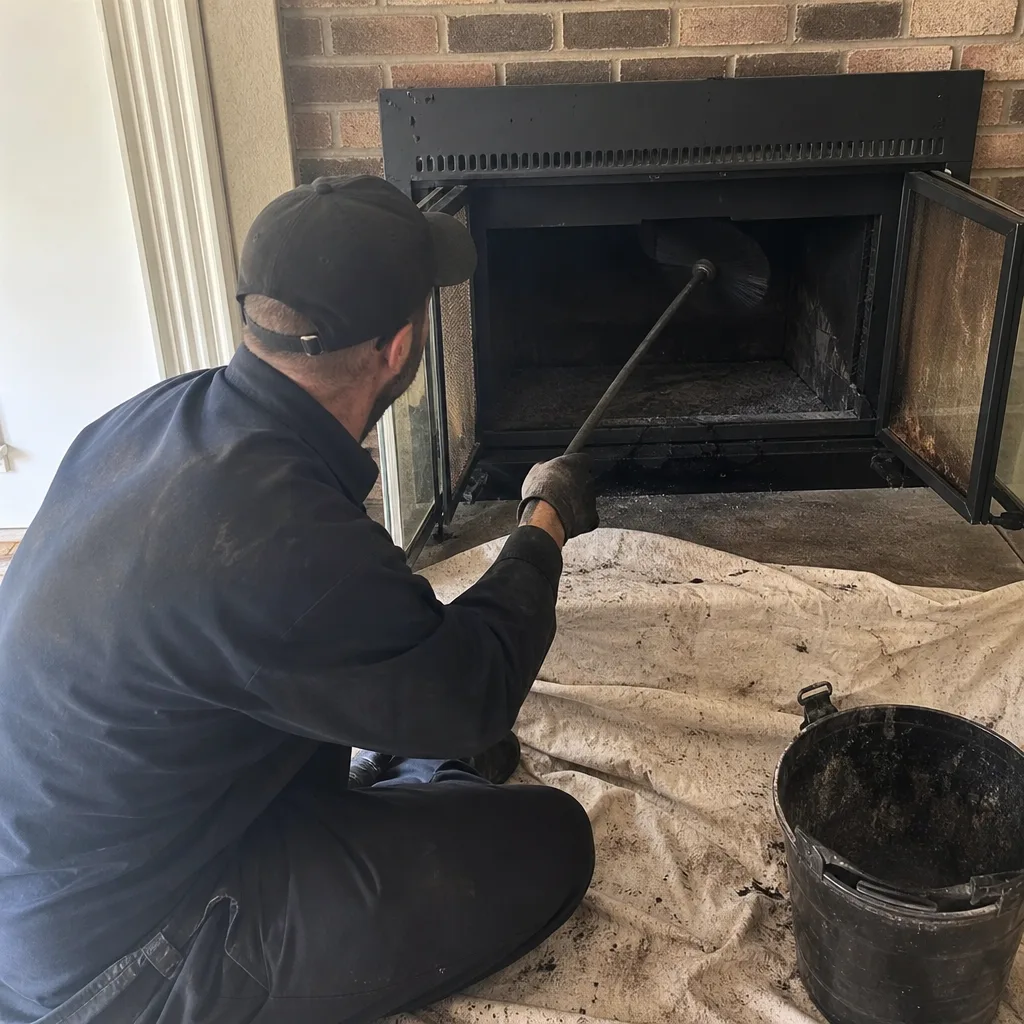
The process starts with protecting your home. A proper sweep lays down drop cloths around the fireplace, uses a HEPA-filtered vacuum to control dust, and covers the firebox opening to prevent soot from entering the living space. If a company shows up without protective equipment, that tells you something about how they operate.
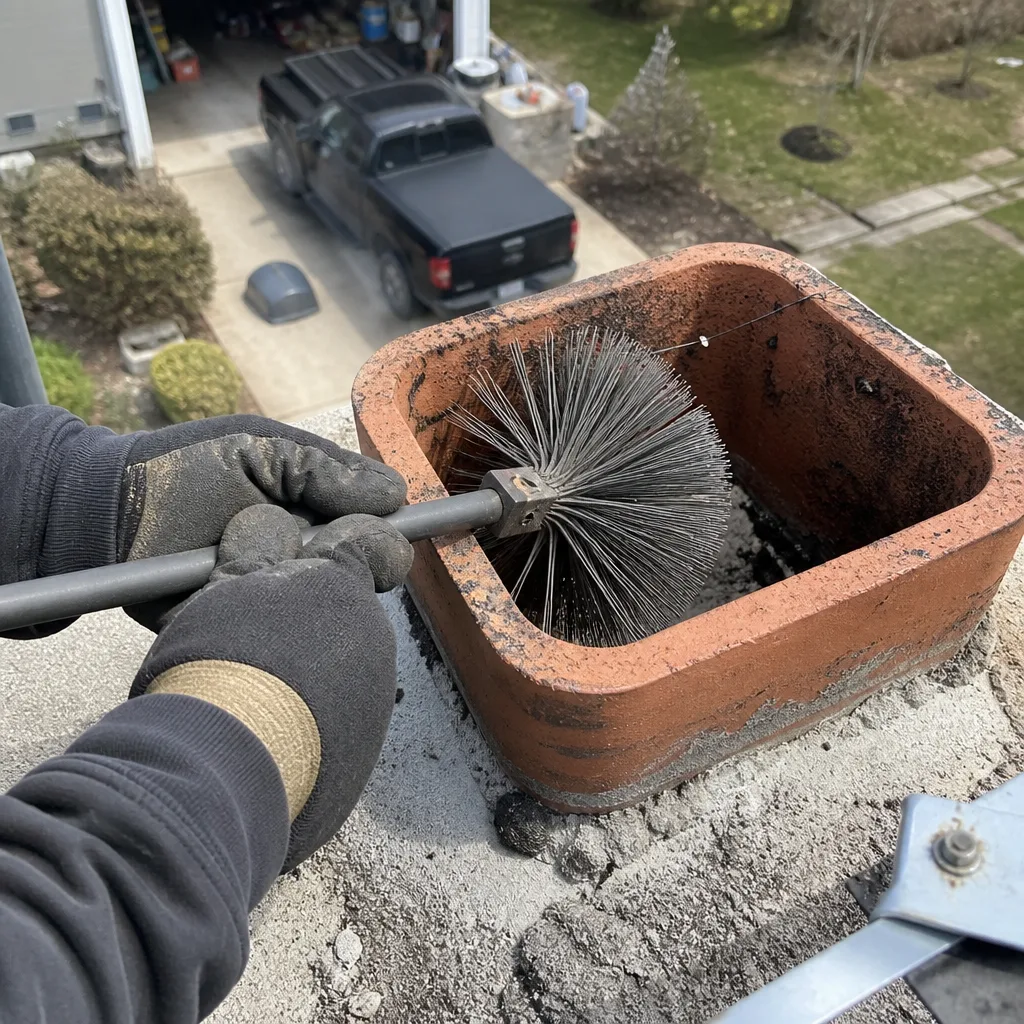
Next comes the actual mechanical cleaning. The technician runs a wire or poly brush through the flue from top to bottom, dislodging creosote, soot, and any debris. The brush size must match your flue dimensions. Too small and it misses the corners where creosote accumulates. Too large and it can damage the liner. After brushing, the tech removes what’s fallen into the smoke chamber and firebox.
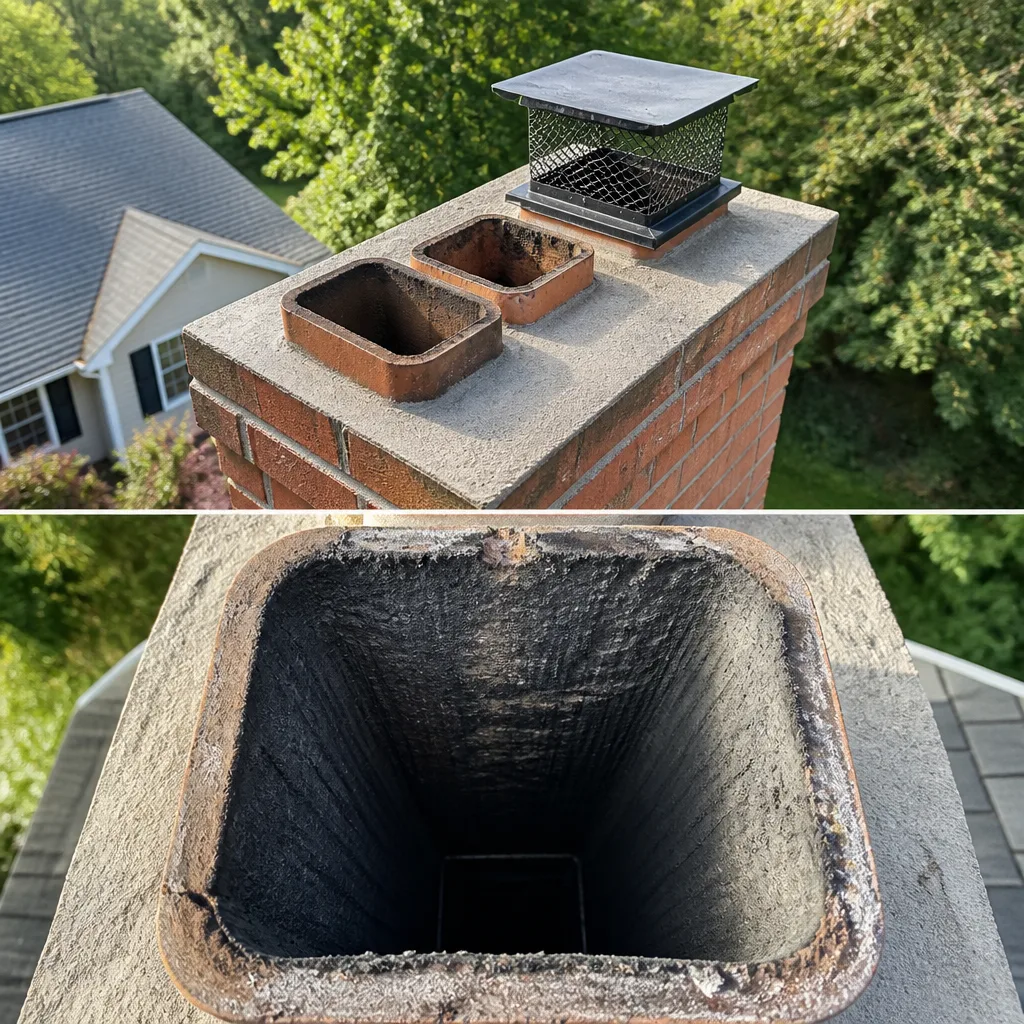
But here’s what separates a real cleaning from a superficial one: the camera. Before and after brushing, a camera goes down the flue to document liner condition, identify cracks or gaps, and verify the cleaning actually removed the creosote. Without this, neither you nor the technician knows what was missed. Our shop has made camera-scan documentation standard on every visit since 2009, when we started as Level Two Chimney Leesburg home, and it’s been Clause 4 of the Haven Standard ever since. We don’t consider a chimney clean until the camera shows it clean.
Finally, a complete cleaning ends with a written service report. This isn’t a nice-to-have. It’s the document that proves the work happened, what was found, what was done, and what condition the chimney is in. If you ever sell your home or file an insurance claim after a chimney incident, that report is your evidence.
Level 2 Camera Inspection vs. a Flashlight Visual
There are three levels of chimney inspection defined by NFPA 211, and the difference between them explains most of what goes wrong in this industry.
A Level 1 inspection is a visual check of accessible portions of the chimney. It happens during routine cleaning when nothing about the system has changed. The technician looks at the firebox, the damper, and the accessible exterior, then runs the brush through. It’s appropriate for a chimney that’s been regularly maintained and shows no signs of trouble.
A Level 2 inspection goes further. It’s required when you buy or sell a home, after any operational malfunction or weather event, or after any change to the system, such as a liner replacement or fuel conversion. A Level 2 includes everything in a Level 1 plus access to attic, crawlspace, and roof areas, and critically, a video scan of the flue interior. This is the camera inspection that most homeowners in Leesburg have heard of but rarely receive.
The third level, a Level 3 inspection, is invasive and only warranted when a Level 2 reveals suspected hidden damage that requires removing building components to access.
So what does a flashlight look actually miss? The technician kneels at the firebox and shines a light up the flue. They see the first few feet. What they can’t see: cracks in the liner 15 feet up, gaps between clay tile sections, creosote buildup hidden behind a slight bend in the flue, water damage near the top, a damaged crown, or a cracked flue tile that only opens when the chimney heats and expands. None of these are visible from the hearth. A flashlight visual is not an inspection. It’s a glance. When we perform a Chimney Cleaning & Sweep in Leesburg, the camera goes in before the brush and after it. Every time.
The Three Stages of Creosote and the Cleaning Method Each Requires
Creosote is the byproduct of incomplete wood combustion. It condenses on flue walls as smoke cools. It’s not just dirty; it’s fuel. The more creosote present, the greater the fire risk. Creosote is classified into three stages, and each requires a different approach to remove.
Stage 1: Sooty Dust
Stage 1 creosote is the earliest and easiest form. It’s a light, flaky, sooty film that brushes away with a standard wire or poly brush. Most chimneys swept annually that burn seasoned hardwood will show Stage 1 buildup. A standard rotary brush cleaning handles this without complication. It accounts for the majority of sweeps we perform in Leesburg homes that burn properly seasoned oak and maple.
Stage 2: Glazed Flakes
Stage 2 creosote has hardened into shiny, black flakes that stick to the flue walls. It forms when flue temperatures fluctuate, particularly in exterior chimneys common in Loudoun County’s older brick construction, where cold outside air causes condensation inside the flue. A standard brush may knock loose some Stage 2 flakes but won’t remove all of it. This stage typically requires a rotary loop system with metal blades or a more aggressive poly brush designed for glazed deposits. In some cases, a chemical treatment, like a creosote modifier spray, applied before mechanical cleaning helps break down the glaze enough for the brush to finish the job.
Stage 3: Tar-Like Glaze
Stage 3 creosote is a thick, hardened, tar-like coating. It looks like black glass inside the flue. It forms from prolonged low-temperature fires, burning unseasoned wood, or restricted airflow. It’s also the most dangerous stage because it ignites readily and burns hot, which is the exact scenario that leads to chimney fires. A standard brush will not touch Stage 3 creosote. Removal requires chemical treatment over a period of days or weeks to break down the glaze, followed by rotary chains or power-sweeping equipment. In severe cases, the liner may be damaged beyond cleaning and require replacement. If a sweep quotes you a cheap price without knowing your creosote stage, they’re guessing. The stage determines the labor and the price. Our Chimney Repair in Leesburg team regularly encounters Stage 3 creosote in chimneys that haven’t been serviced in a decade or more, particularly in older homes around the historic district where fireplaces see heavy seasonal use.
Leesburg Chimney Realities: Gas Conversions, Older Homes, and Wood-Burning Culture
Leesburg’s housing stock and fuel mix shape what chimney cleaning actually means here. The town has grown in layers, and those layers determine what’s inside the flue.
In the older neighborhoods, wood burning remains common. Homes in and around the historic district, many dating from the late 1800s through the 1970s, were built with true masonry fireplaces designed for wood. If you own one of these homes and use the fireplace regularly during fall and winter, an annual sweep is the right cadence. These chimneys are also more likely to have unlined or clay-tile-lined flues, both of which collect creosote differently than modern stainless liners. Clay tile joints absorb creosote and allow it to penetrate into the masonry over time, which is exactly what a camera inspection reveals and a flashlight visual misses.
Newer construction tells a different story. Many homes built in the last 20 years in communities like Lansdowne, River Creek, and the broader 20176 corridor originally came with gas fireplaces. Here’s the part most homeowners don’t realize: gas fireplaces still require chimney maintenance. Not because of creosote, which gas doesn’t produce, but because of liner degradation. Gas combustion produces acidic condensate that eats away at ceramic and clay liners over time. The liner may look fine on the outside while deteriorating internally. Annual or biennial checks catch this early. We’ve seen gas fireplace liners in Lansdowne homes less than 15 years old that needed replacement because the acidic exhaust had compromised the original liner.
Then there are the conversions. Many Leesburg homeowners who bought between 2015 and 2025 purchased homes where a previous owner converted a wood-burning fireplace to gas. If that conversion involved a log set or insert installed without replacing the existing clay liner with a properly sized stainless steel liner, you’ve got a system that may be running hot exhaust through a flue not rated for it. Any Fireplace Services in Leesburg visit should include verifying the liner matches the fuel source. This is a Level 2 inspection question, not a sweep question. But a good sweep should flag it.
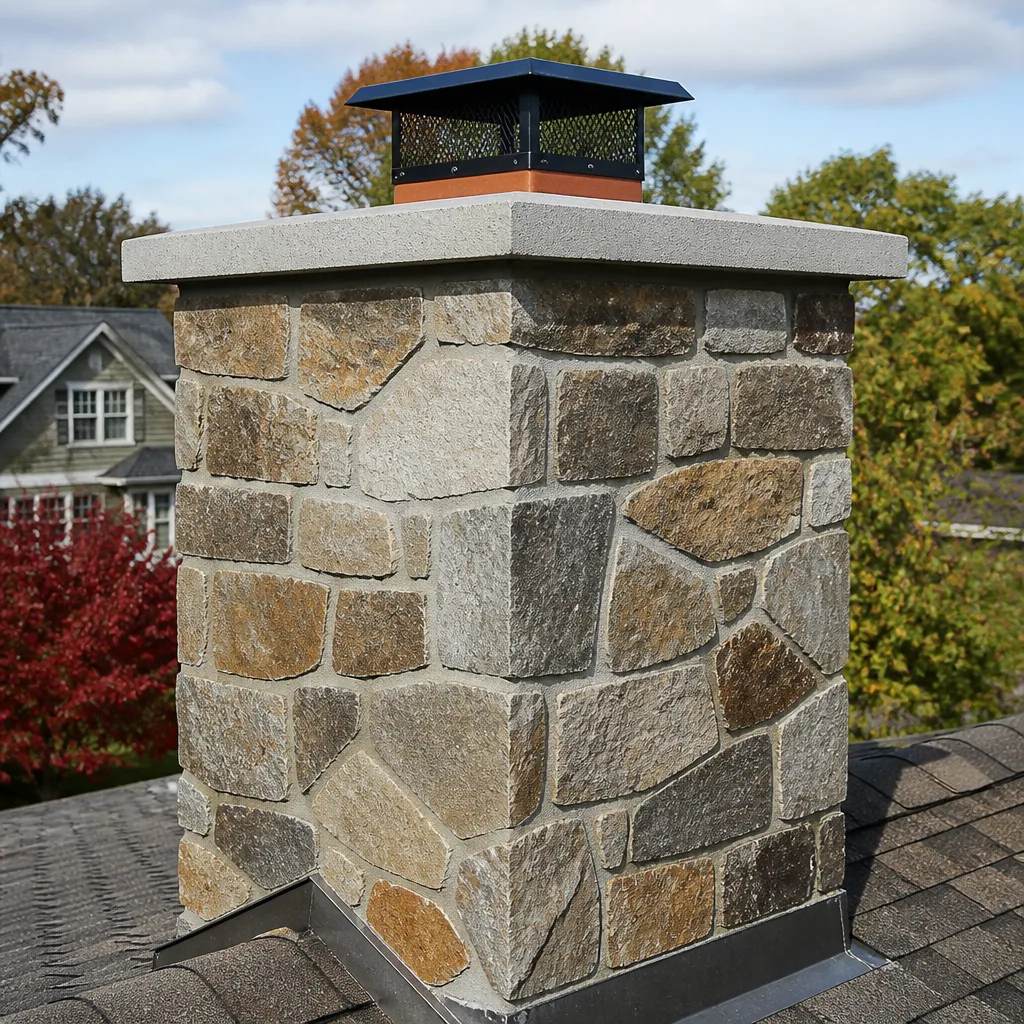
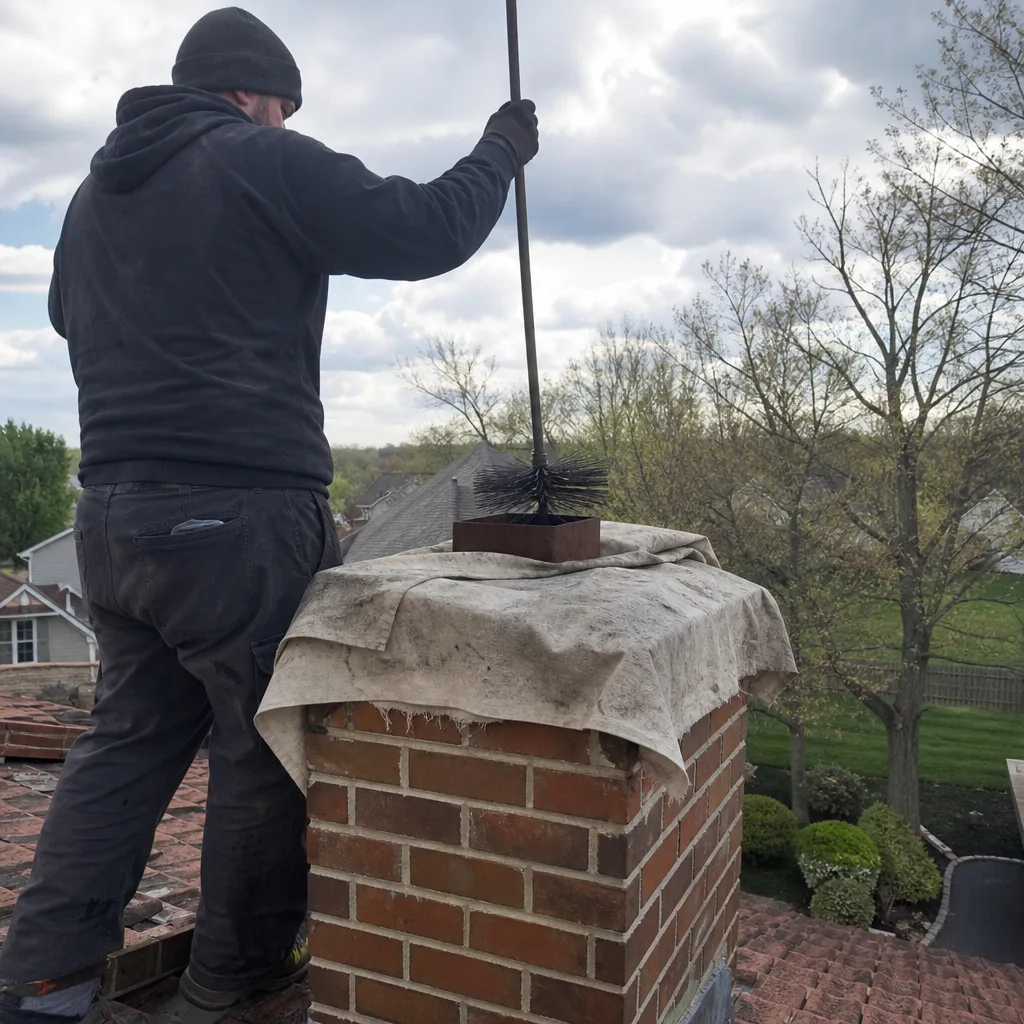
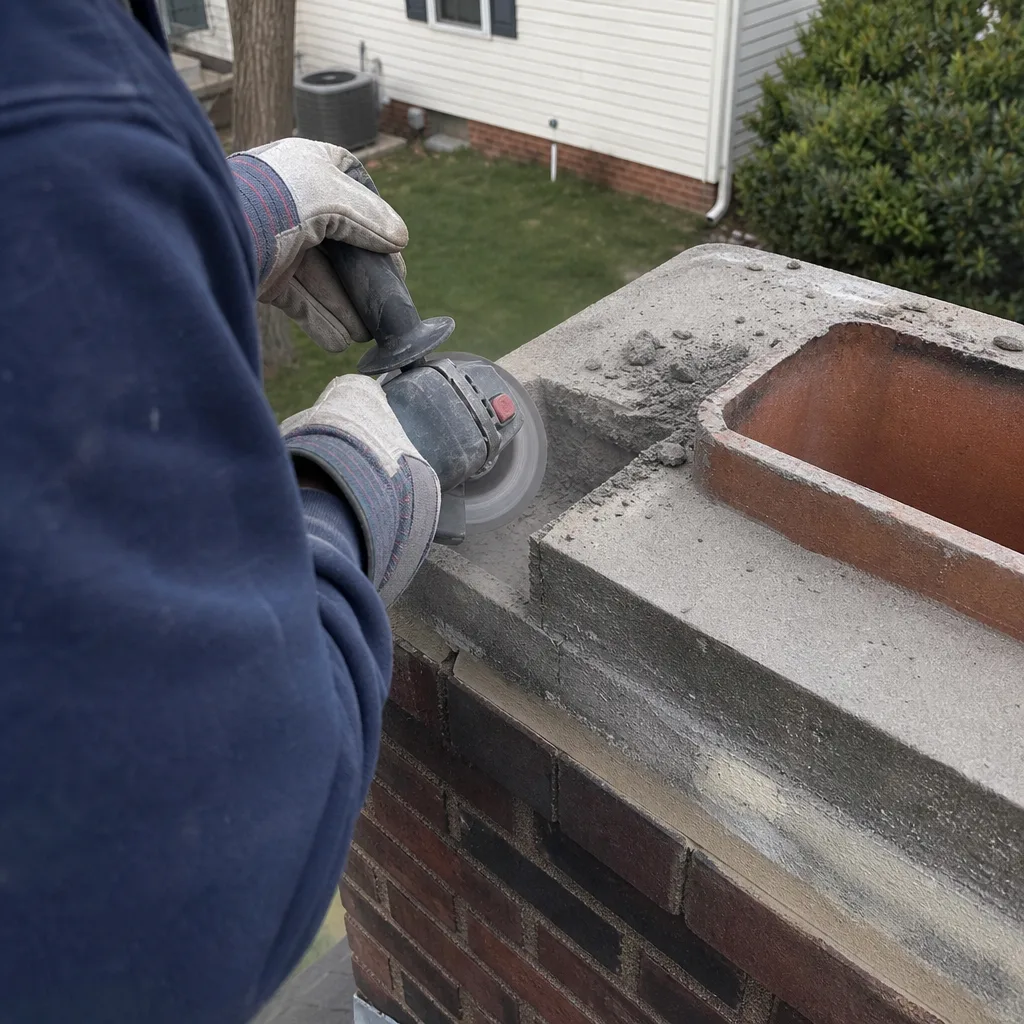
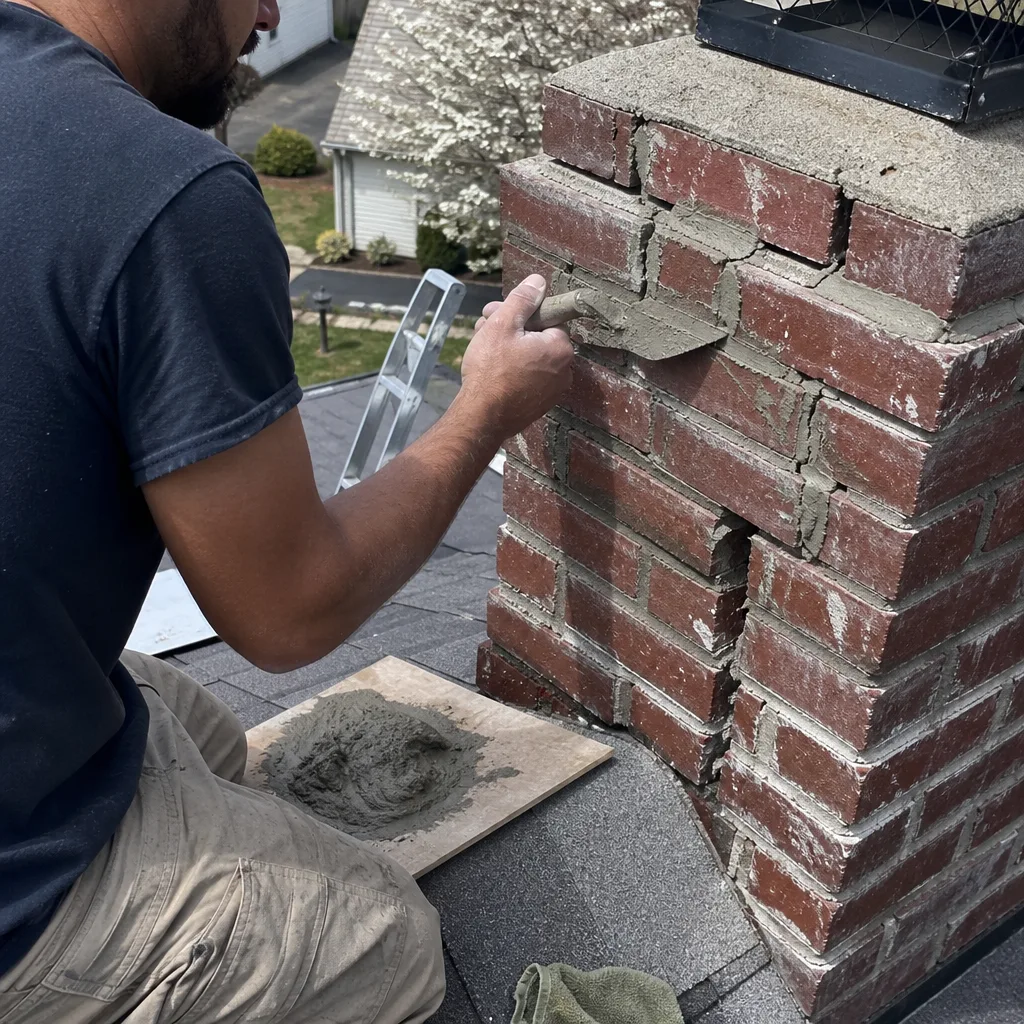
Leesburg’s climate matters too. Loudoun County sits in a humid continental zone with cold, wet winters. The freeze-thaw cycle takes a toll on chimney crowns and masonry. Water seeps into small cracks, freezes, expands, and widens the crack. Over time, a hairline crown fissure becomes a channel for water intrusion into the chimney structure. A cleaning visit is the natural moment to inspect the crown and flashing. Spalling, where brick faces pop off due to trapped moisture, shows up most visibly on chimneys in older Leesburg neighborhoods each spring after winter’s cycles complete.
What a Completed Cleaning Should Produce: The Paperwork
You’re paying for a service. You should walk away with more than clean walls. The paperwork is part of what you’re buying because it’s the only proof the work happened and the only record of what the technician found. Here’s what a legitimate sweep in Leesburg should produce:
- Written scope of work, before anything starts. This document names the work to be performed, the flat price or price range, and the conditions under which the price might change. It’s signed by you before the first tool comes out. No exceptions. This is Haven Standard Clause 1: Have it in writing.
- Before cleaning photos or video stills. Camera images of the flue interior showing the creosote stage present, liner condition, and any defects observed. You should see these images for yourself. Ask to.
- After cleaning photos or video stills. The same views showing the flue after the brush has done its work. This is your verification that the cleaning actually removed what was there.
- A completed service report. This is a written document signed by the technician that includes what was found, what was done, any recommendations, and the date. It should include the technician’s name so there’s accountability.
- Warranty language. If the work carries a guarantee, it should be in writing on the report. Not spoken. Not implied. Written.
We’ve completed more than 38,000 chimney inspections and cleanings since 2009. Every single one has produced this documentation set. It’s not because we’re meticulous, though we are. It’s because the record is the service. When you can hand a prospective home buyer a documented chimney history for the house, that’s real value.
Written Price Before Work Starts vs. the “Price After Inspection” Pattern
There’s a pattern in this industry that has worked for a long time because homeowners don’t know to look for it. It goes like this: a company advertises a low sweep price, maybe $79 or $99. The tech arrives, does a look-around or a limited inspection, then delivers a list of urgent repairs: your liner is cracked, your crown needs rebuilding, your damper is seized. The price comes after the inspection, and it comes with pressure to approve it on the spot. The final bill is no longer $99. It’s $2,400, and you had no chance to compare or think.
A written price before work starts inverts this pattern. You know the sweep cost before the booking. It’s on the page. The technician arrives, confirms the scope, and if additional work is genuinely needed, it’s quoted in writing, separately, with the camera evidence showing you why. You can approve it, decline it, or get a second opinion. That last option matters. We’ve always offered a Free Second Opinion on any written estimate. Bring us a competitor’s quote and we’ll verify it against what the camera shows. No pressure, no obligation.
What does a legitimate quote look like? It names the service, the flat price, the duration, and what’s included. What does an upsell pattern look like? The price on the phone was a starting point, the price on the truck changed after the tech looked at the flue, and the urgency is attached to a discount that expires today. We don’t operate that way. Corrine Halstead built Level Two Chimney Co. on the principle that a price on the page builds more trust than a price after the fact. Every job we do in Leesburg and across Loudoun County starts with a written price. No exceptions. That’s Clause 1 of the Haven Standard, and it’s non-negotiable.
How Often Should a Chimney Be Swept in Leesburg?
The NFPA recommends annual inspection and cleaning as needed. For most wood-burning Leesburg households, that translates to a sweep once per year if you burn regularly through the fall and winter. But “as needed” depends on what you burn and how you burn it. Our Seasonal Chimney Cleaning Care for Leesburg: Year-Round Homeowner’s Guide breaks down what to do each season.
Burn seasoned hardwood exclusively? You’ll likely stay in Stage 1 creosote territory and an annual mechanical cleaning handles it. Mix in some pine or unseasoned wood? Creosote builds faster, and you may need a mid-season cleaning or more aggressive methods. Use the fireplace occasionally, like a handful of fires per season? You might stretch to 18-24 months, but the inspection side of the visit still matters because the camera catches problems that have nothing to do with how often you use the fire. Water damage, crown cracks, and liner deterioration happen whether you burn or not.
For gas fireplace homes in Leesburg, an annual or biennial check is the prudent cadence. The liner check is the point. Gas produces no creosote, but the acidic exhaust damages liners as described above, and a cracked liner in a gas chimney is still a carbon monoxide risk. We recommend gas fireplace owners in neighborhoods like Lansdowne and River Creek schedule a Level 2 inspection every two years at minimum, with cleaning as indicated.
If you’ve just bought a home in Leesburg, you need a Level 2 inspection before you light the first fire. The previous owner’s maintenance habits are a variable, and the only way to know what’s inside the flue is to look with a camera. Many home inspectors will flag chimney condition in a general way and recommend a specialist evaluation. That’s the moment to call us. We are the specialist evaluation, and the camera records what we see.
DIY vs. Professional Cleaning: What’s Actually Worth Doing Yourself
Some homeowners ask whether they can clean their own chimney. The honest answer: you can remove loose Stage 1 soot with a DIY brush kit, and some people do it successfully. But there are real limits to what a DIY approach accomplishes, and a few things you should not attempt. See our DIY vs Professional Chimney Cleaning: The Leesburg Homeowner’s Decision Guide for a deeper comparison.
What you can reasonably do yourself: buy a chimney brush sized to your flue, run it from the roof or from the firebox (depending on design), and collect the fallen debris. This works for light, dusty buildup. It does not work for Stage 2 or Stage 3 creosote, which require tools and training most homeowners don’t have. And here’s the critical gap: you can brush, but you cannot inspect. You cannot see what’s inside the flue. Your camera phone is not a substitute for a proper flue camera on a flexible rod with the right lighting. When you DIY the sweep, you miss everything the camera finds.
What you should not attempt: chemical treatments without knowing your creosote stage, any repair involving flue tile or liner replacement, crown work, or anything involving a roof harness. A fall from a roof is a life-altering event. The cost of a professional cleaning in Leesburg, typically between $189 and $350, is a fraction of the medical bills from a fall or the property damage from a chimney fire. We’ve had homeowners show us DIY results that looked clean at the firebox level but showed heavy Stage 2 glaze 20 feet up where their brush kit couldn’t reach effectively. The camera doesn’t lie.
If you’re committed to DIY between professional visits, the best thing you can do is manage what goes into the fire. Burn seasoned hardwood with a moisture content below 20%. Have small, hot fires rather than smoldering ones. Never burn construction scraps, treated lumber, or paper products in bulk. These habits keep creosote in Stage 1 territory and make the professional visit fast and the price low.
Common Mistakes to Avoid
- Assuming a gas fireplace means zero maintenance. Gas produces no creosote but does produce acidic condensate that degrades liners. Many Lansdowne and River Creek homeowners skip years of inspections and discover liner damage that’s expensive to address.
- Burning unseasoned wood to save money. Wet wood burns cooler, condenses more creosote, and builds Stage 2 or 3 deposits faster. You save on wood cost and pay more in sweep complexity and frequency.
- Treating the sweep receipt as proof of safety. A receipt says someone showed up. A documented service report with camera images says what they found and what they left behind. Get the report, not just the receipt.
- Ignoring the exterior of the chimney. Crown cracks, spalling brick, and flashing failures happen independently of use. A sweep visit is the time to look at all of it.
- Converting to gas without addressing the liner. If a previous owner swapped a wood fireplace for gas without verifying or replacing the liner, the system may not be rated for the exhaust conditions. This is a Level 2 inspection question, and it matters for safety.
- Choosing a company based solely on the lowest number. A $79 sweep that leads to a $2,000 surprise after inspection costs more than an honest $250 sweep with a written price up front. The printed number on the page is the real comparison point.
- Waiting until burn season to schedule. Sweeps book heavily in September through December in Leesburg. Scheduling in late summer means you get the service date you want before the first cold snap.
When to Call a Professional
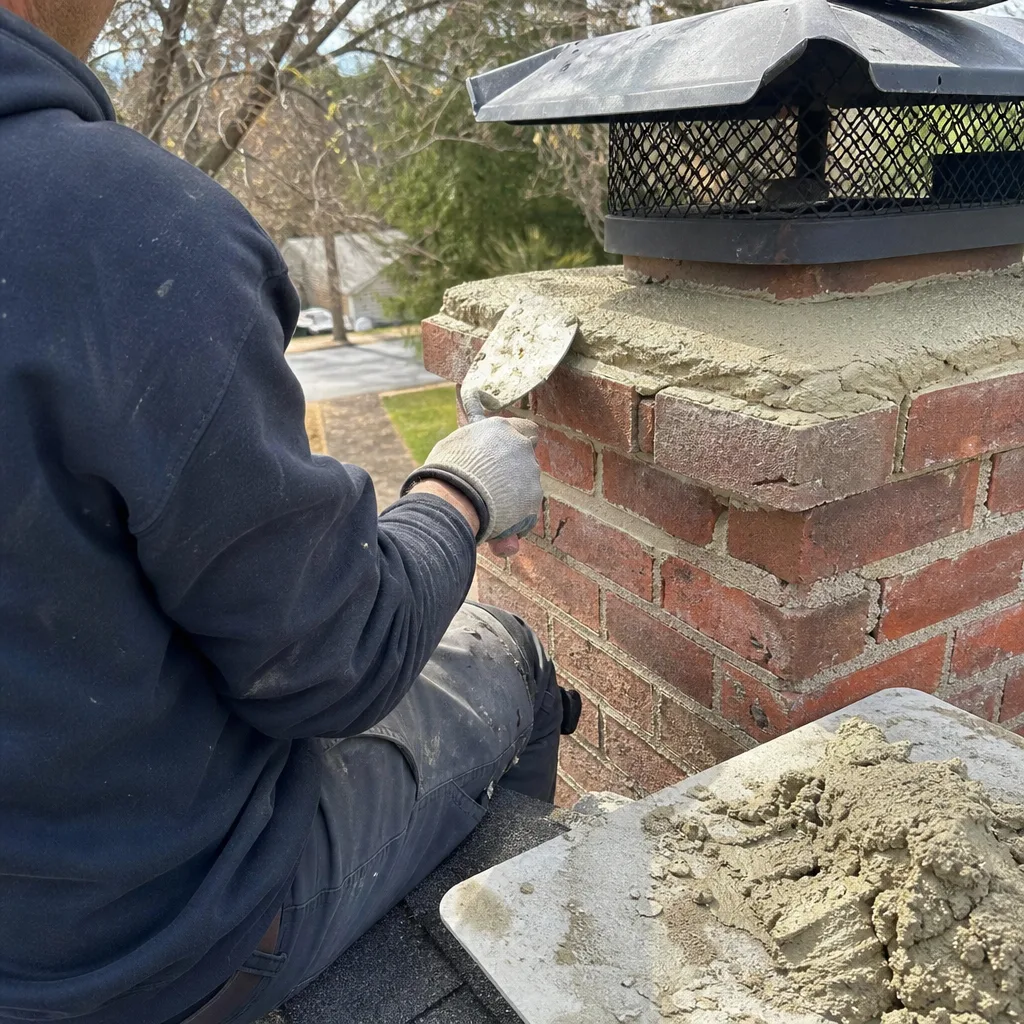
Call a professional if you’ve never had the chimney inspected since buying your home, if it’s been more than two years since the last cleaning, if you see black flakes falling into the firebox, if you smell a sharp, tar-like odor near the fireplace in humid weather, if you hear animal sounds in the chimney, if visible cracks appear in the crown or masonry, or if you’re buying or selling a home with a fireplace. Any of these warrants a camera inspection, not just a brush. For help choosing the right company, read our How to Hire a Chimney Cleaning Contractor in Leesburg: A Step-by-Step Guide. Level Two Chimney Leesburg offers free estimates in Leesburg - call (571) 601-3174 to schedule a cleaning or inspection, and we’ll send a written price before any work begins.
Frequently Asked Questions
Chimney cleaning in Leesburg typically costs between $189 and $350 for a standard sweep. The exact price depends on the creosote stage present, flue height and accessibility, and whether additional services like crown inspection or cap replacement are needed. A written quote before work starts eliminates surprise pricing. Call (571) 601-3174 for a free estimate with the price in writing before you commit.
Maybe, but you should never accept that recommendation without seeing the camera evidence. Cracks, gaps between tiles, or spalling visible on the video scan are legitimate reasons for liner replacement. If a company recommends a new liner without showing you images of the existing one, get a second opinion. We offer a Free Second Opinion on any written estimate and will verify the recommendation against what our camera shows.
Wood-burning chimneys should be swept annually if used regularly, while gas fireplaces need a Level 2 inspection every one to two years to check liner condition. The NFPA recommends annual inspection with cleaning as indicated. Leesburg homeowners who burn seasoned hardwood exclusively will generally stay within the annual cadence. Call (571) 601-3174 to schedule your next visit.
Creosote accumulates in stages, and by Stage 3 it’s a hardened, tar-like substance that ignites readily and burns hot. A chimney fire can crack the liner, damage the masonry, and in the worst case spread to the home’s structure. Separately, a cracked or deteriorating liner can allow carbon monoxide to enter living spaces. Annual inspection is the cheapest insurance against both outcomes.
A Level 1 inspection is a visual check of accessible components during routine annual cleaning. A Level 2 inspection adds access to attics, crawlspaces, and roof areas, plus a video scan of the flue interior. Level 2 is required for real estate transactions, post-weather events, and after system changes. It catches what a flashlight visual cannot.
Yes. Gas fireplaces don’t produce creosote, but they do produce acidic exhaust that degrades clay and ceramic liners over time. A camera inspection every one to two years verifies liner integrity. Many newer Leesburg homes with factory-built gas fireplaces still have venting that requires periodic checking. Call (571) 601-3174 to schedule an inspection and get a written report.
The Bottom Line
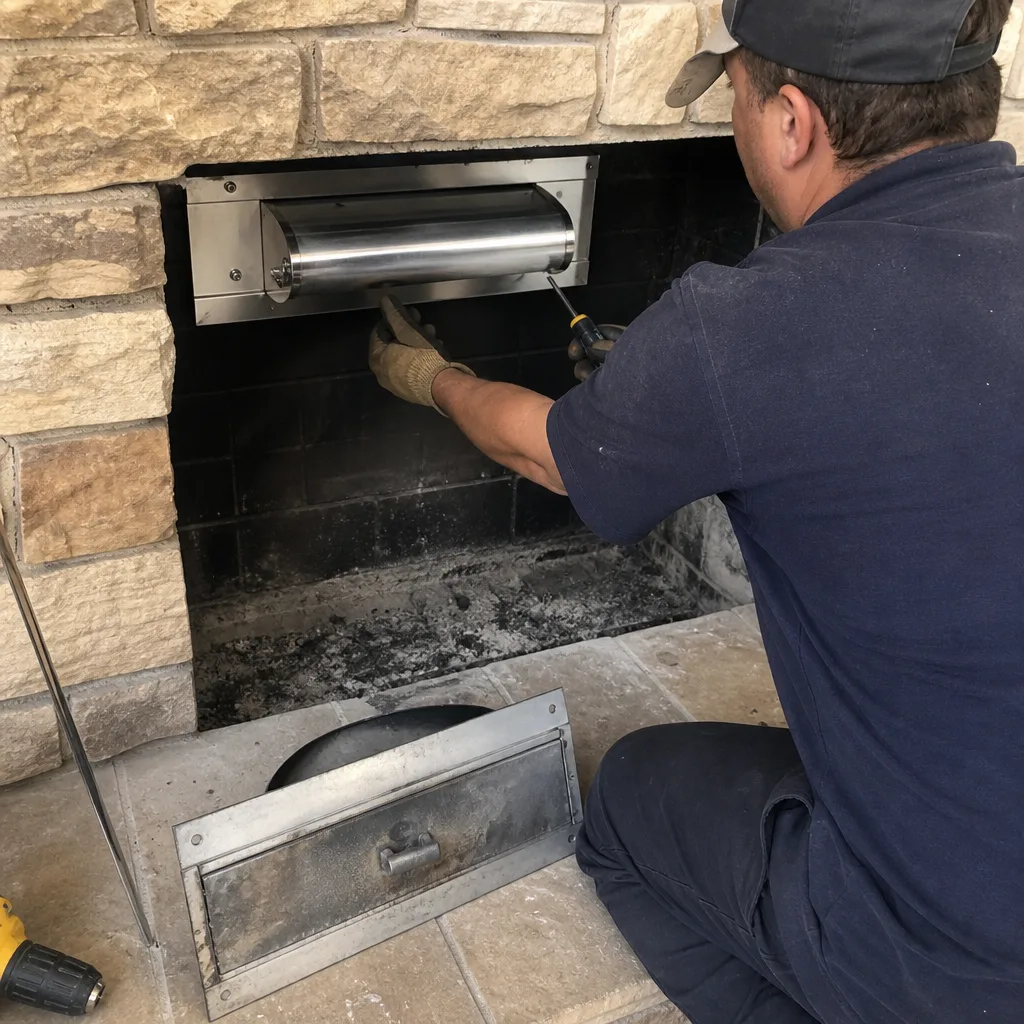
Chimney cleaning in Leesburg has evolved. The brush still matters, but the camera matters more. A legitimate cleaning produces documentation: a written price before work starts, before-and-after images of the flue interior, a signed service report, and warranty language in writing. Anything less is a partial service dressed up as a full one. Whether you own a century-old brick fireplace in the historic district or a gas fireplace in a newer Lansdowne home, the standard is the same: evidence over assurance. We’ve been operating that way since 2009, through 38,000+ documented chimney visits. The report you walk away with is the service, and it’s what protects you, your home, and your family. Schedule your cleaning before burn season hits. Written price first. Camera down the flue. Report in your hands when we’re done. For more guides & resources, visit our blog.
Written by Corrine Halstead, Owner at Level Two Chimney Leesburg, serving Leesburg since 2009.