
Level 1 sweep and inspection to the NFPA 211 annual standard - flue, crown, cap, and flashing checked and photographed
Chimney sweep logs do not sweep chimneys. They loosen some creosote - which then falls where a brush and vacuum still have to collect it.
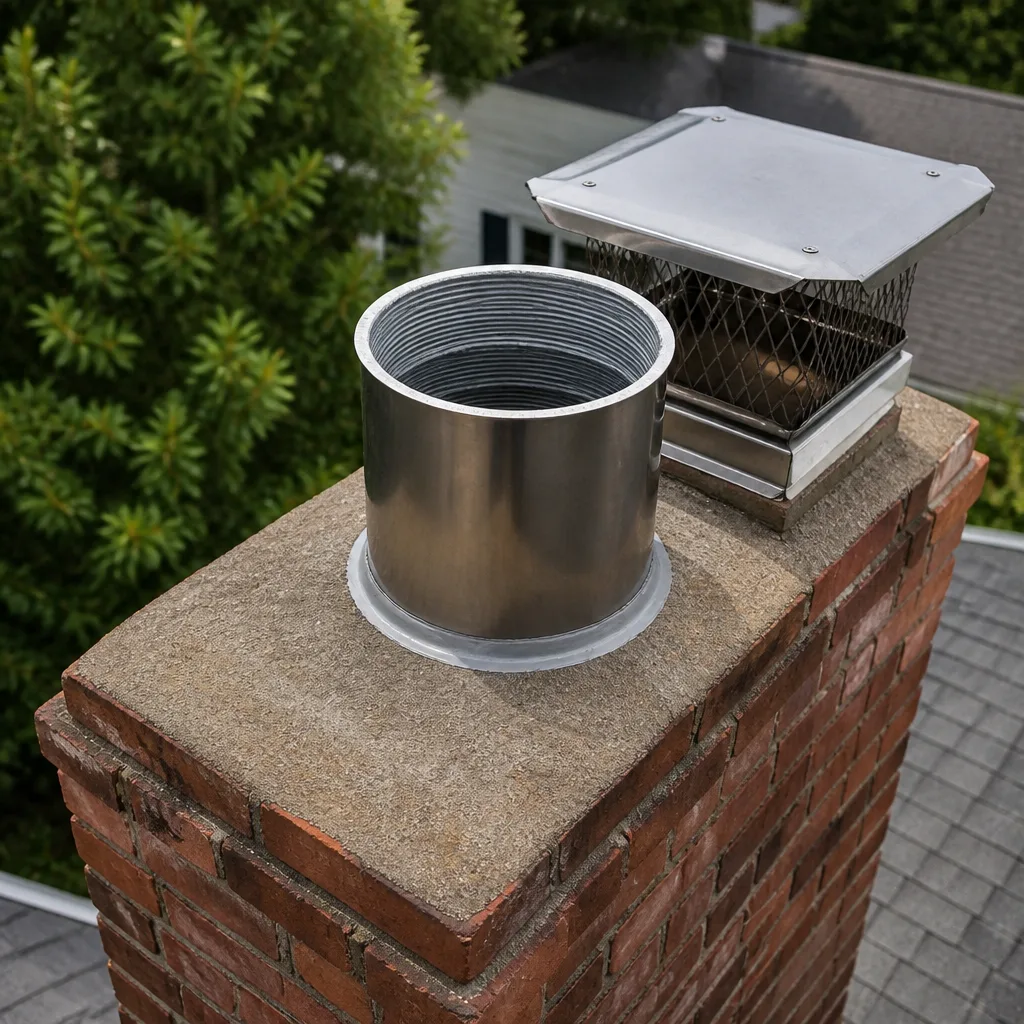
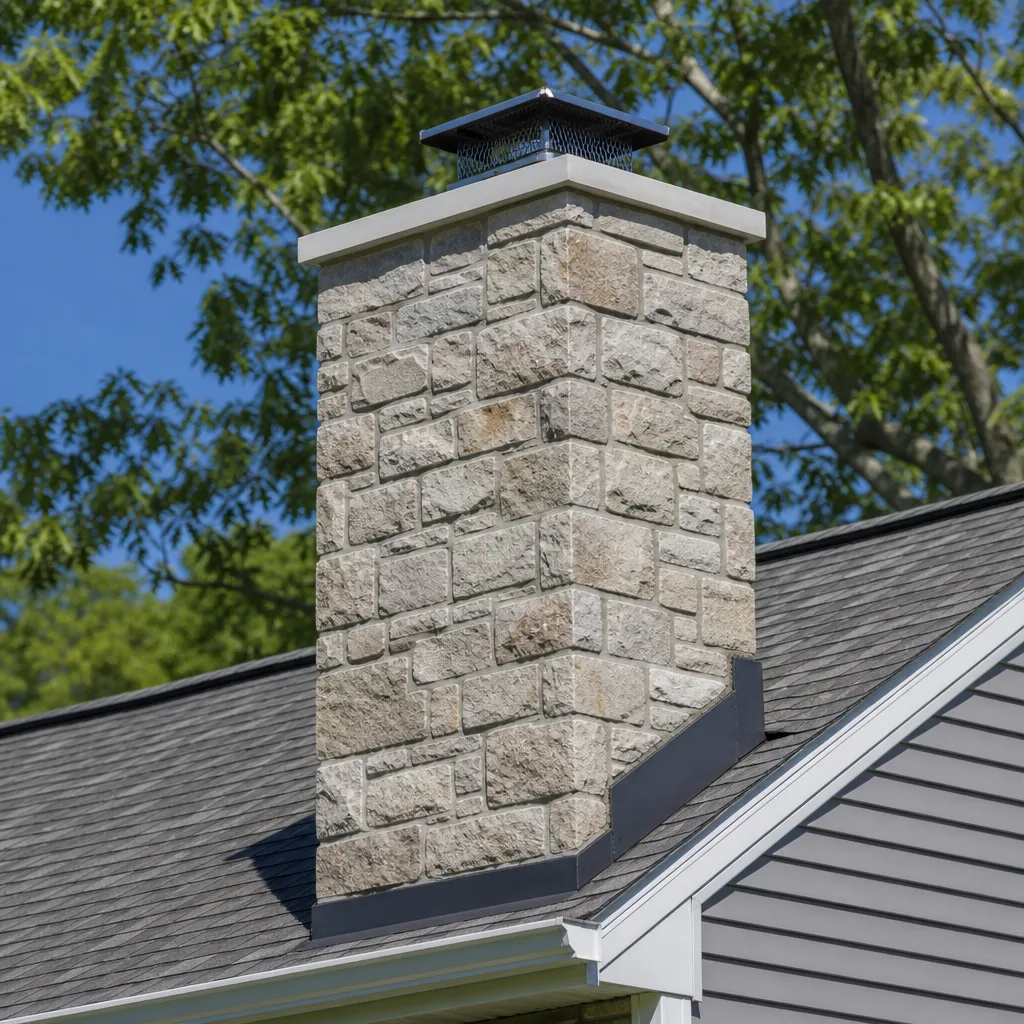
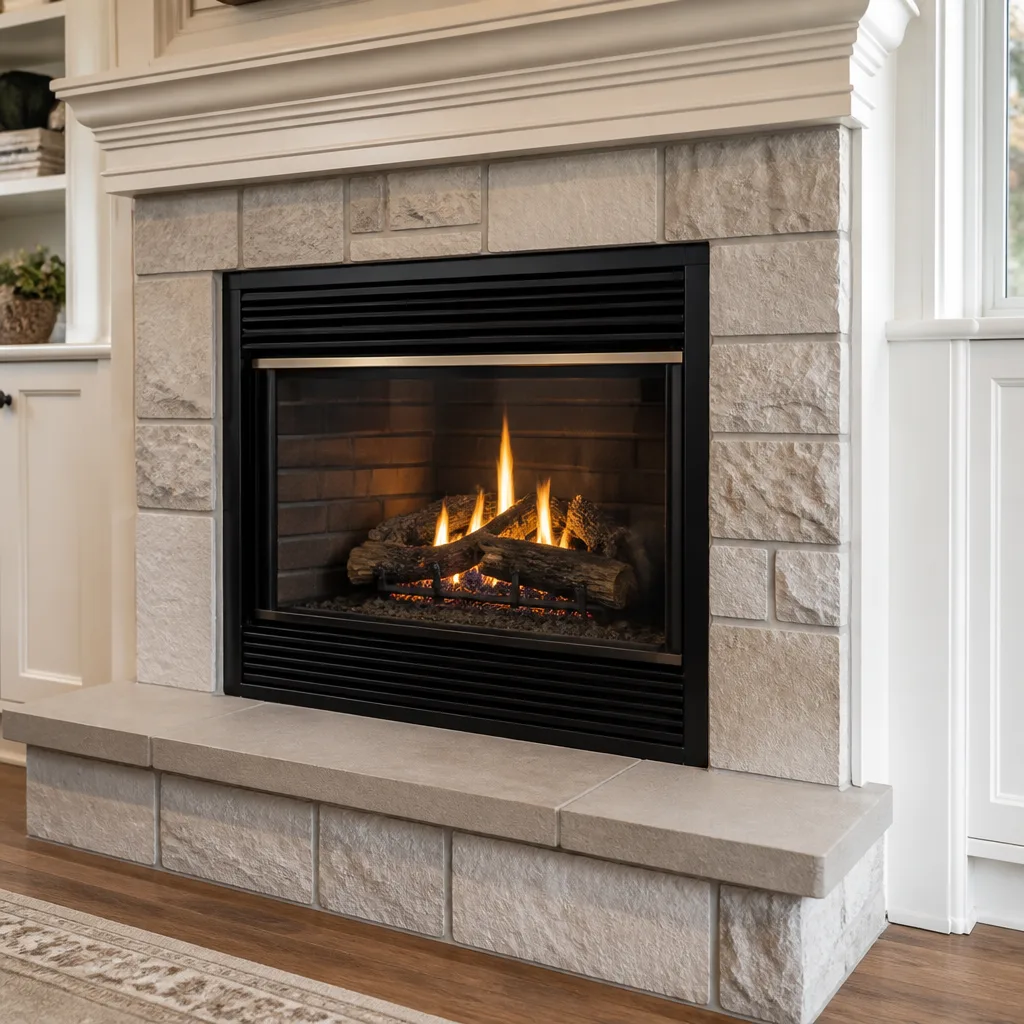
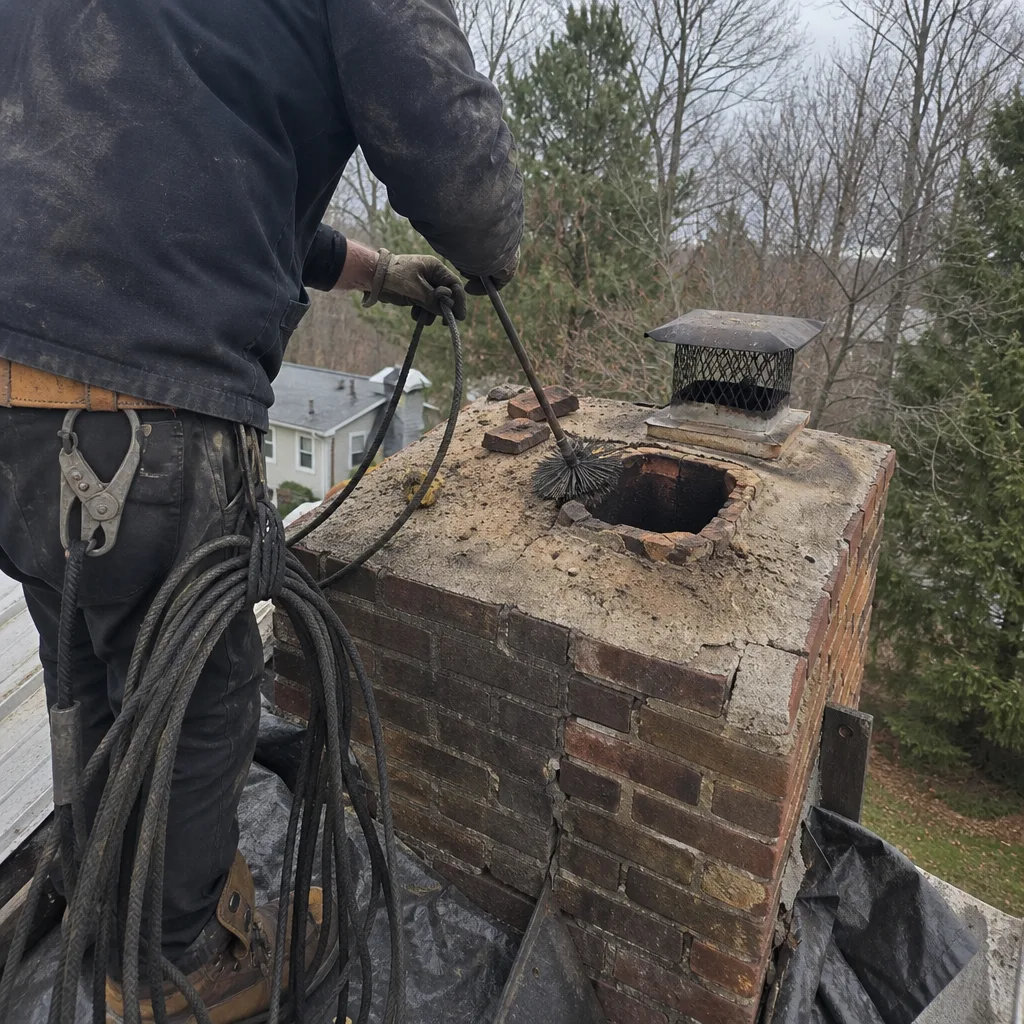 Before
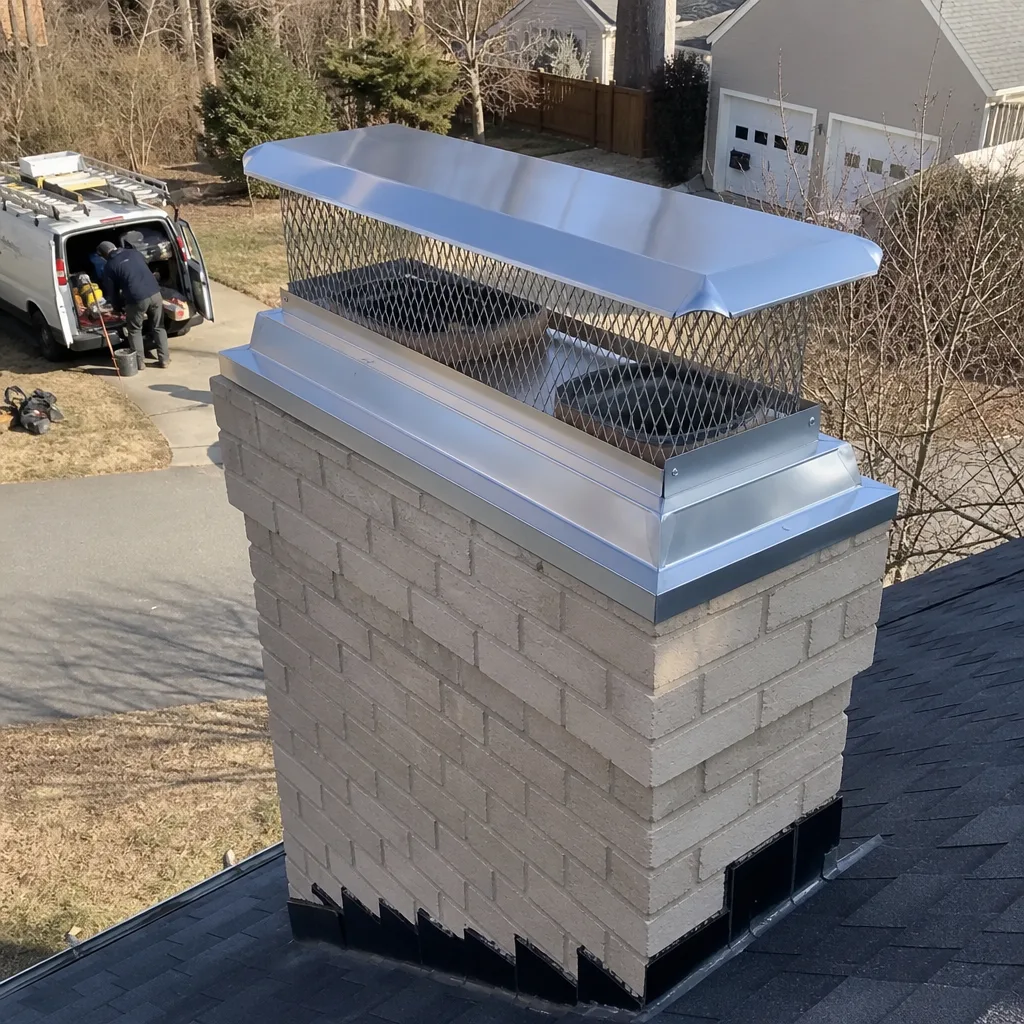 After
After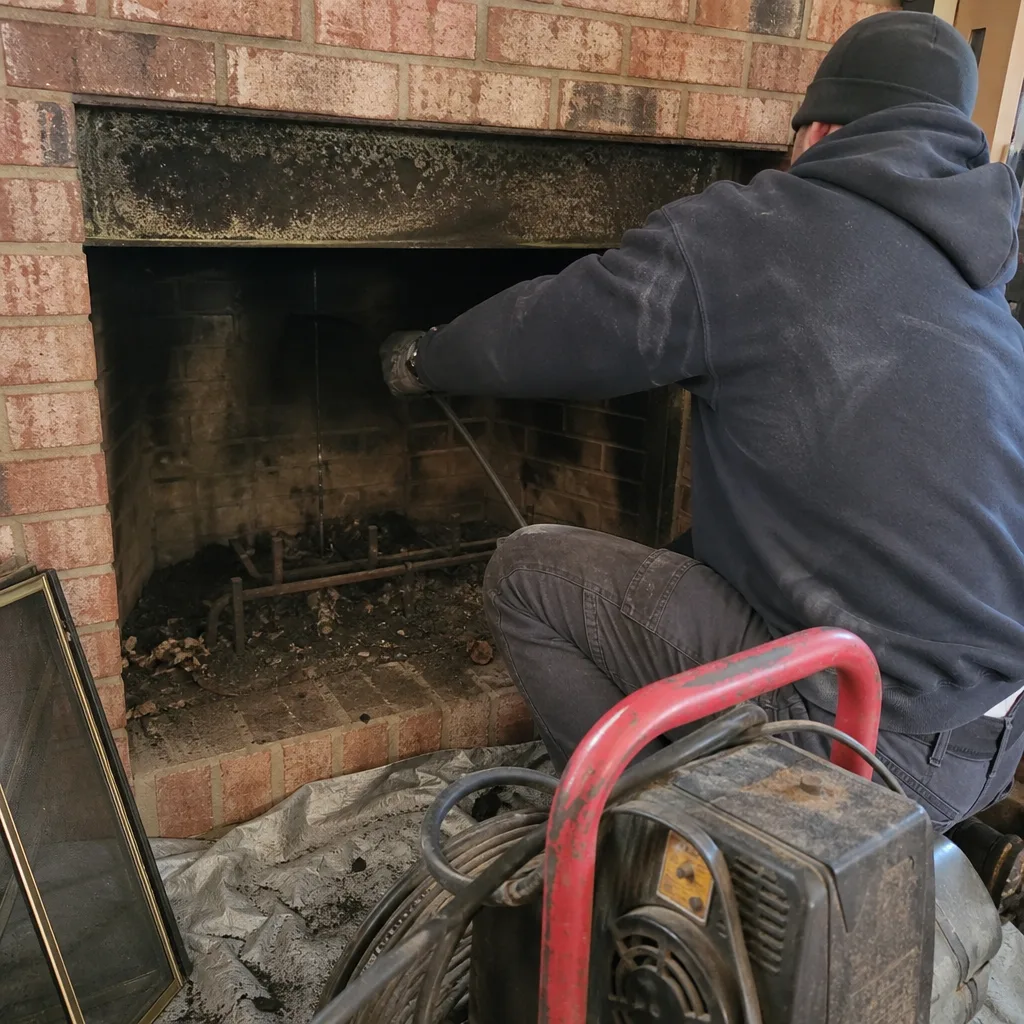 Before
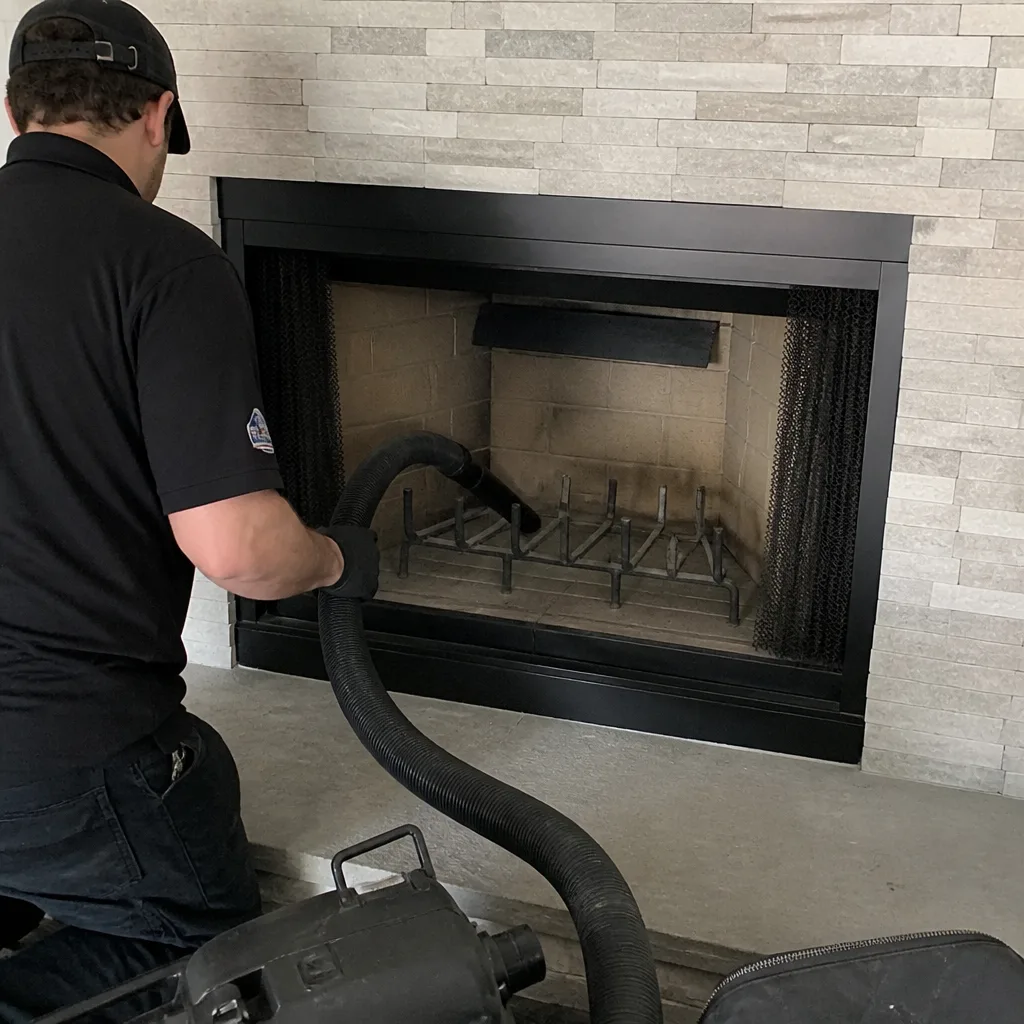 After
After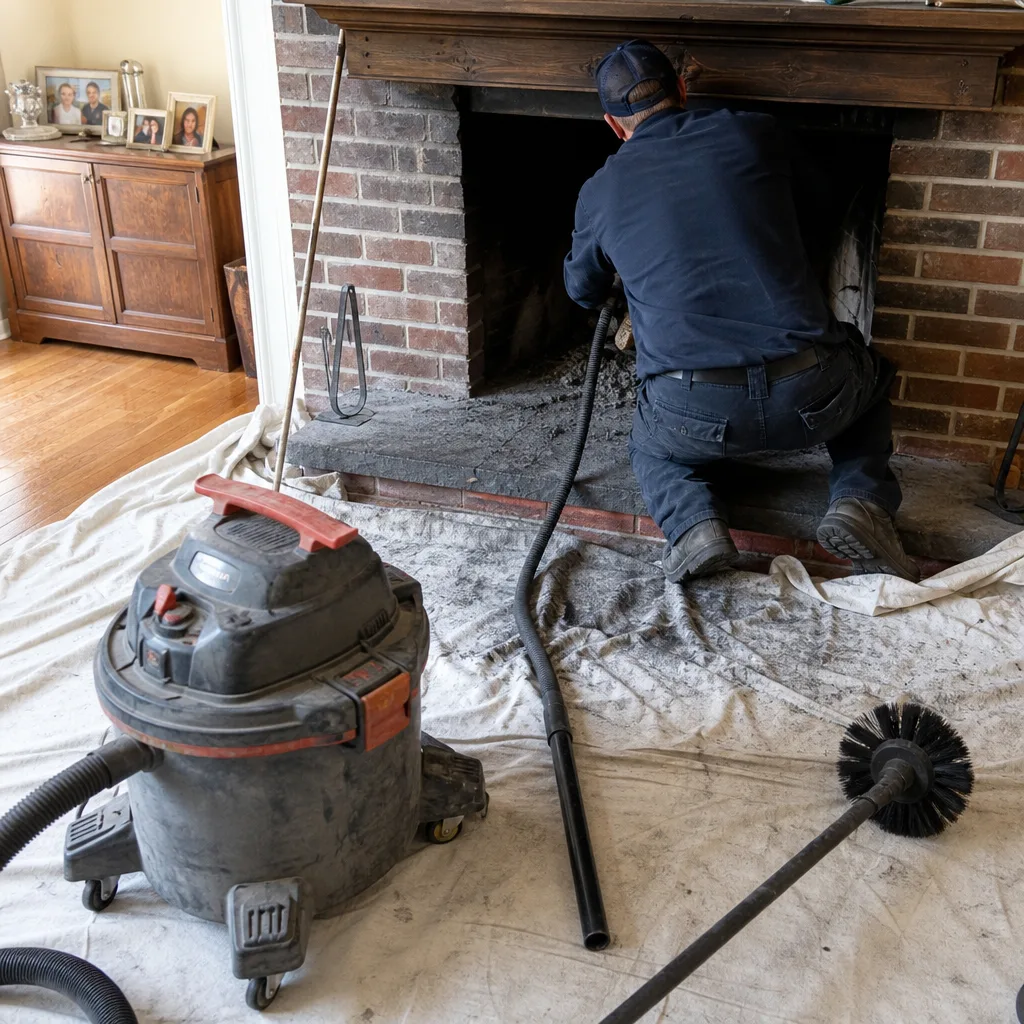 Before
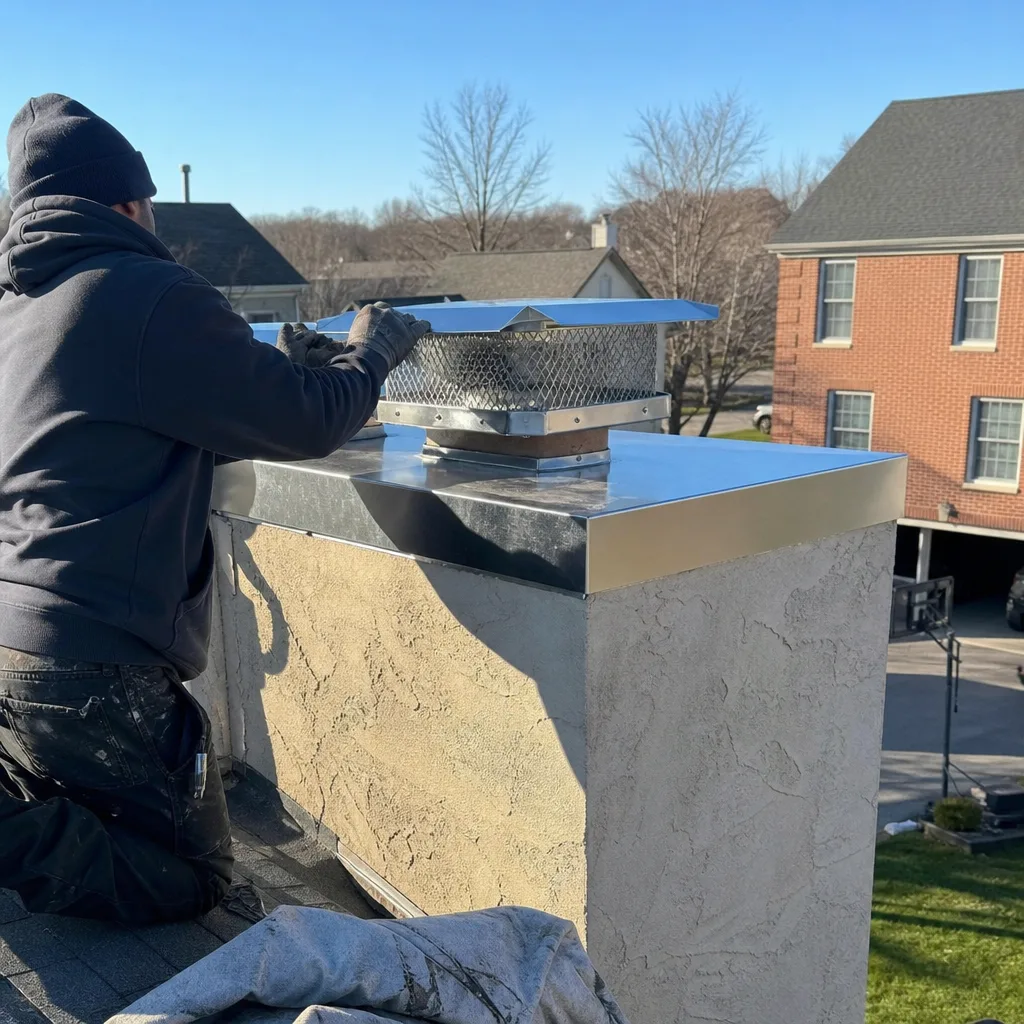 After
AfterHow Much Does Chimney Liner & Rebuild Cost in Leesburg?
Our Chimney Liner & Rebuild services in Leesburg, VA typically run between $1,800 and $9,500 depending on what your flue needs – a stainless steel liner relining sits at the lower end, while a full masonry rebuild with a new liner and crown can push toward the top. Most Leesburg homeowners we work with pay somewhere between $2,400 and $4,800 for a liner replacement on a standard single-story or split-level home. We put that number in writing before any work starts – that’s not a policy we added later, it’s been how Level Two Chimney Co. has operated since 2009.
Chimney Liner & Rebuild Cost Breakdown (2026)
These ranges reflect real jobs completed in the Leesburg market – homes in Lansdowne, Cascades Overlook, River Creek, and the older neighborhoods near downtown where clay tile liners from the 1970s and 1980s are still common. Prices shift based on flue height, liner diameter, access, and the scope of masonry work involved. The table below gives you a starting framework; your written quote from us will itemize every line.
| Service | Typical Leesburg Price Range (2026) |
|---|---|
| Stainless steel liner – single-story home (up to 15 ft flue) | $1,800 – $2,600 |
| Stainless steel liner – two-story home (15-25 ft flue) | $2,400 – $3,800 |
| Stainless steel liner with insulation wrap | $2,800 – $4,200 |
| HeatShield resurfacing (smoke chamber or flue tile repair) | $900 – $2,400 |
| Cast-in-place liner system | $3,500 – $6,000 |
| Partial chimney rebuild (above roofline) | $2,200 – $4,500 |
| Full chimney rebuild (from firebox up, with liner) | $6,500 – $9,500+ |
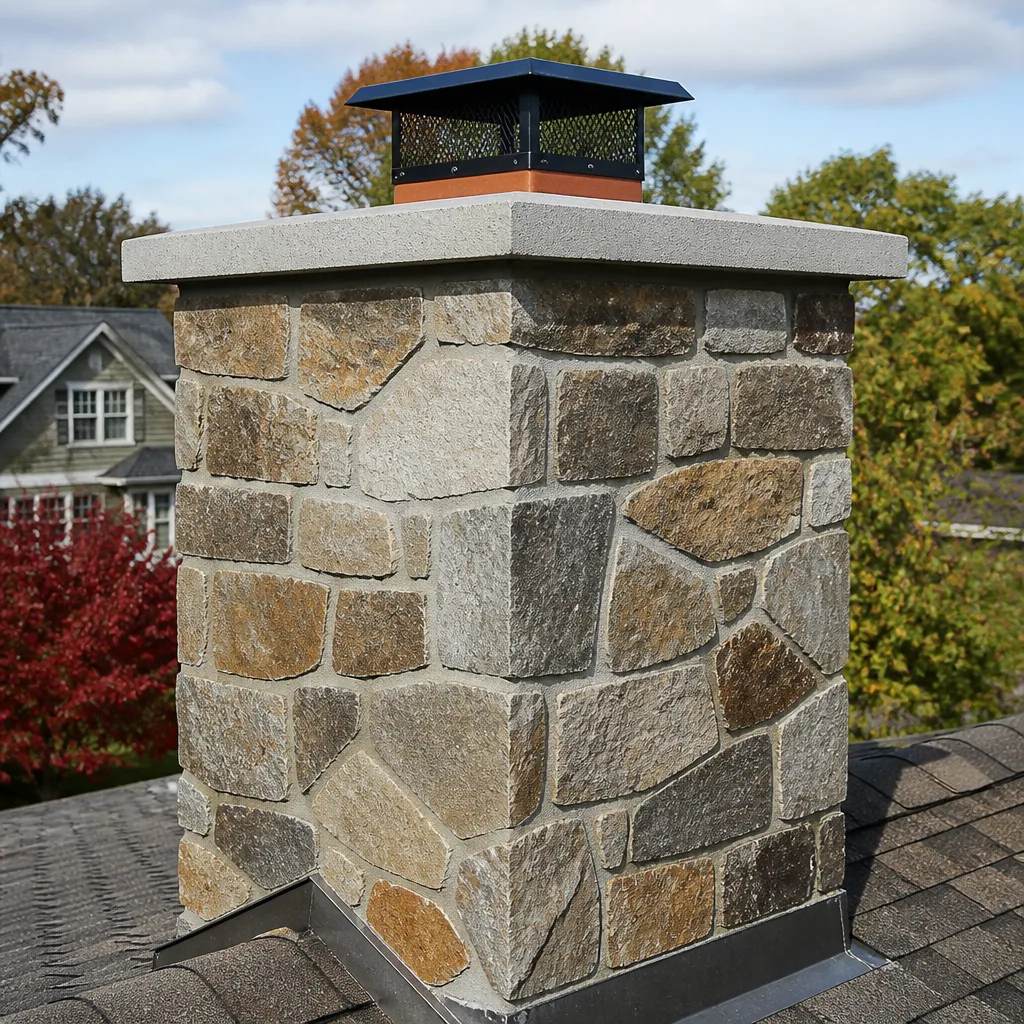
| Crown replacement or rebuild | $450 – $1,200 |
| Smoke chamber parging (smoke shelf and chamber walls) | $350 – $750 |
| NFPA 211 Level 2 camera inspection (included with any repair quote) | Included |
A few things move these numbers in Leesburg specifically. The town’s older housing stock – particularly the colonials and cape cods built in the 1960s through 1980s near the Balls Bluff area and the historic district – tends to have 6-inch or 7-inch round clay tile liners sized for older, dirtier-burning fireplaces. When those tiles crack, which they do as freeze-thaw cycles work through them every winter, the repair options narrow: you’re either relining with a DuraFlex stainless flex liner or resurfacing with HeatShield. Either way, the scope is set by what the camera finds, not by what a tech guesses from street level. Newer construction in Lansdowne and River Creek more often has factory-built fireplaces with pre-fabricated metal flues – those have different failure modes and different price points for replacement.
The cost of a full rebuild also reflects Loudoun County masonry labor rates, which have risen roughly 12-18% since 2023 as commercial construction activity in the Route 7 corridor has pulled crews. That’s a market reality worth knowing when you’re comparing quotes.
What Affects Chimney Liner & Rebuild Pricing in Leesburg
- Flue height and diameter. Every additional foot of liner costs more in materials and labor. A two-story colonial near Leesburg proper with a 22-foot flue costs more to reline than a ranch home in Exeter with a 14-foot run. Diameter matters too: a 6-inch liner is cheaper than an 8-inch one, but sizing it wrong creates a draft problem that costs more to fix later.
- Liner material choice. Rigid stainless sections cost more upfront than flexible DuraFlex liner but last longer in straight flues. For the offset flues common in older Leesburg chimneys – where the liner has to navigate an angle to clear a roofline – flexible is usually the only practical option.
- Existing liner condition. A camera scan (NFPA 211 Level 2) tells us whether the clay tile is cracked in one section or compromised throughout. A single damaged tile section might be addressable with HeatShield spot repair. If we find multiple failed joints, spalling tile, and mortar wash debris in the firebox, the full liner needs to go. The camera shows what’s there; we write the quote from that, not from a flashlight peek at the top.
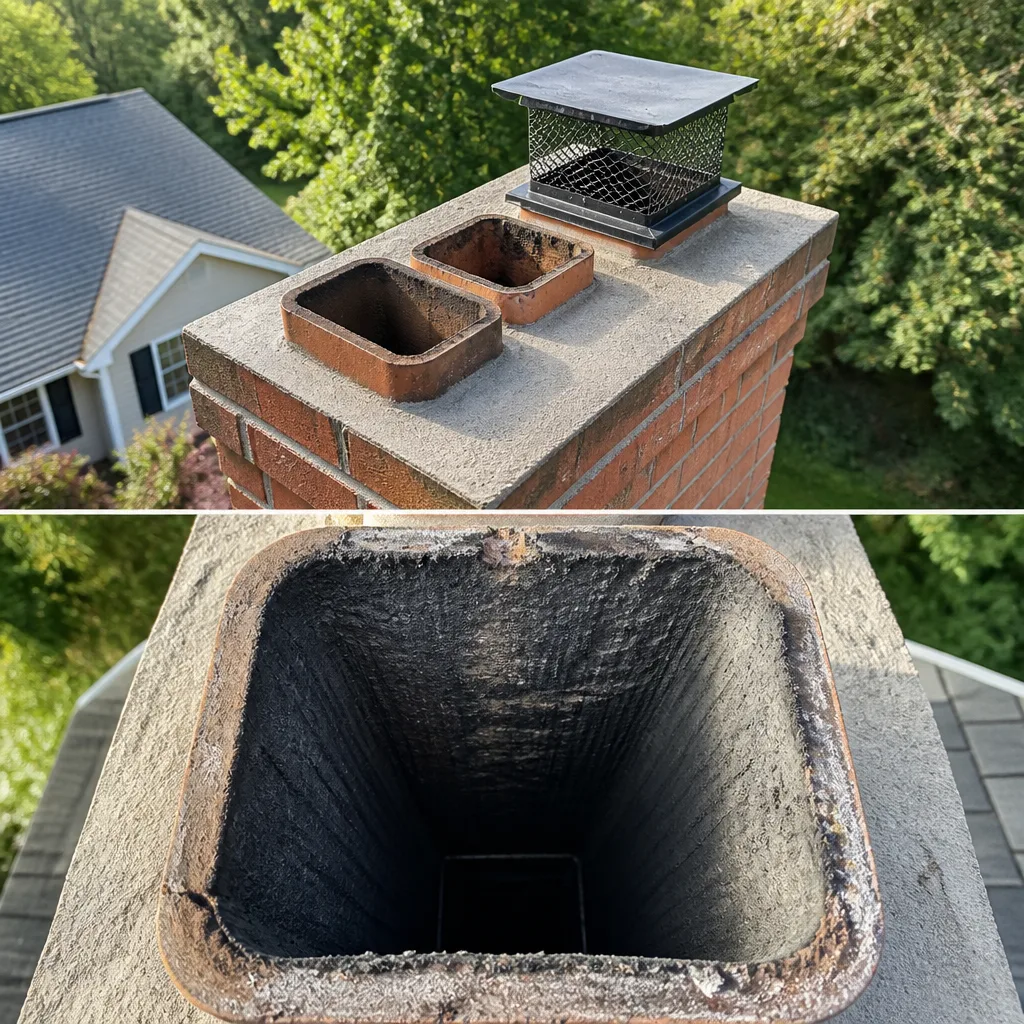
- Masonry condition above and below the roofline. Spalling brick, deteriorated mortar joints, and a cracked crown often come up at the same time as a liner failure – they’re usually caused by the same water infiltration. In Leesburg’s climate, where we regularly get freeze-thaw cycles from November through March, a chimney that hasn’t been waterproofed tends to show multiple simultaneous failures. Addressing them together is cheaper than staging repairs.
- Access and roofline complexity. A steep-pitched roof on a Leesburg colonial adds staging time and safety equipment requirements. Homes in River Creek and Lansdowne with tile or slate rooflines require extra care to avoid damage during access. These are real cost inputs that show up in an honest quote.
- Gas insert vs. wood-burning fireplace. Relining a flue for a gas insert typically requires a smaller liner diameter and specific UL-listed materials for the appliance. Gas conversions in Leesburg have become more common over the past five years, and the liner spec is different from a wood-burning reline – if you’re planning a conversion, tell us before the quote, not after.
BeforeAfterHow to Save on Chimney Liner & Rebuild
The best way to keep liner and rebuild costs from escalating in Leesburg is to catch the problem before it spreads. A clay tile liner that has one cracked section and hairline joint separations in two others costs significantly less to address than one where water has been getting into the flue for two or three winters and has damaged the smoke chamber, crown, and upper coursing too. The camera tells you where things stand; that’s why we include the Level 2 inspection in every estimate rather than charging it separately.
If you’ve already received a written quote from another company, bring it to us. We offer a free second opinion on any written estimate – no obligation, no sales pressure. We’ll tell you whether the scope looks right based on what our camera finds and whether the price reflects current Leesburg market rates. Sometimes a second look confirms the first quote was fair. Sometimes it doesn’t.
- Combine work in one visit. If your liner needs replacement and the crown is also cracked, doing both at once saves a mobilization charge and reduces total labor time. The same is true for smoke chamber parging alongside a liner job.
- Don’t wait through another winter. A cracked liner allows combustion gases – including carbon monoxide – to seep into living spaces and allows heat to contact framing. The structural damage that follows a missed winter is usually more expensive than the repair that would have prevented it. We’re not saying this to create pressure; the numbers simply work out that way.
- Ask about materials. We source liner materials through Haven’s buying network – DuraFlex, HeatShield, Gelco, Olympia Chimney, Famco, and Copperfield – which gives us procurement pricing that keeps your cost lower than retail. If a competitor’s quote specifies the same materials at a significantly higher price, that’s worth asking about.
- Get the written scope before you agree to anything. Under Haven Standard Clause 1 – what we call H.A.V.E.N. “Have it in writing” – you receive a written price, written scope, and written warranty before anyone starts work. This protects you from scope creep. If something changes mid-job, it goes back to writing first.
Call us at (571) 601-3174 for a free estimate. A real person answers, any time of day. We’ll schedule the camera scan, put the findings in writing, and give you a line-item quote you can compare against anyone else in the market.
What the Inspection Finds and Why It Matters for Pricing
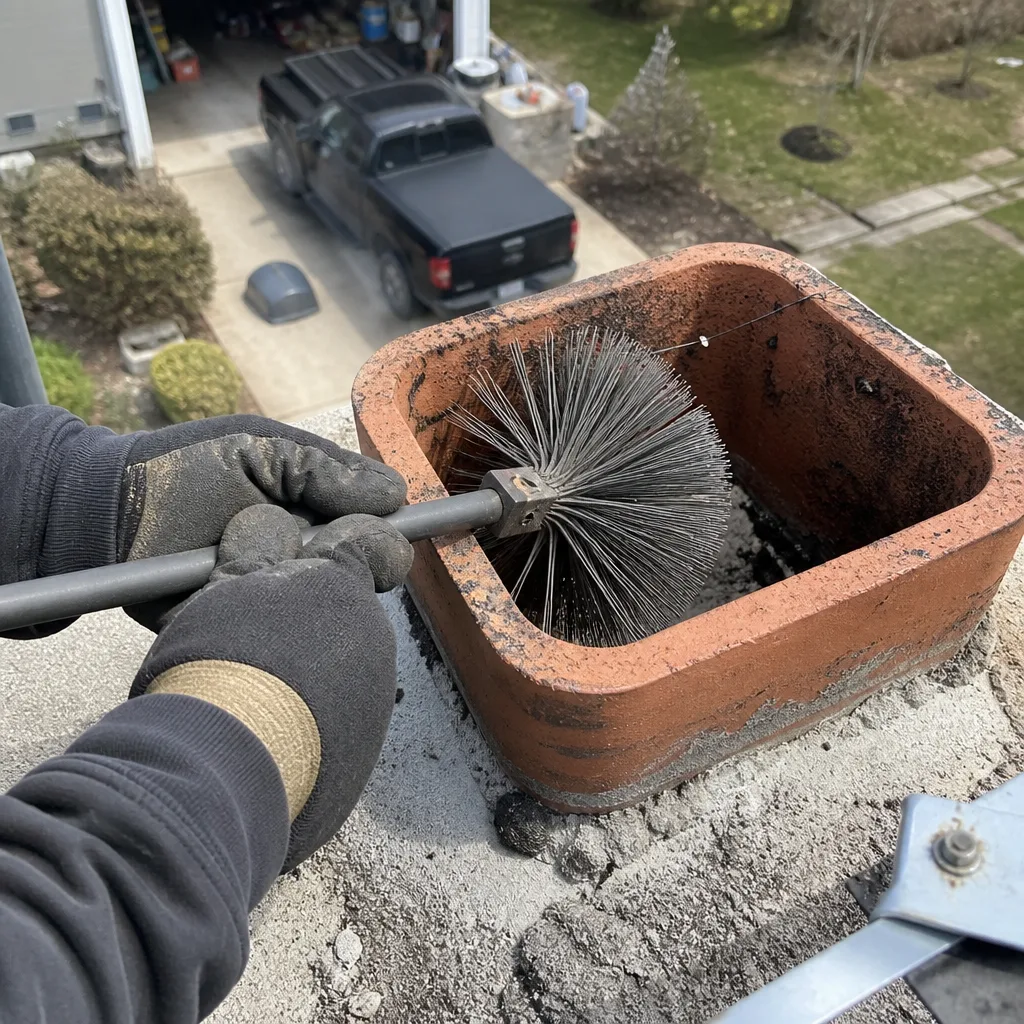
Pricing a liner job without a camera scan is guessing. We’ve been doing Level 2 camera-scan documentation since 2009 – more than 38,000 chimney inspections and cleanings since then, every one with a written price before work started and a documented photo record when it was done. The camera doesn’t just confirm that there’s a problem; it shows us exactly where the cracks are, how many tile joints are separated, whether the smoke chamber has lost mortar, and whether the issue is isolated to the liner or has migrated into the masonry structure.
In Leesburg specifically, we regularly see a pattern in homes built between 1975 and 1995 where the clay tile liner was installed with short overlapping joints rather than fully interlocked sections. Those joints open up over time as the chimney expands and contracts seasonally. The failure usually starts at the top section – which takes the most weather exposure – and works down. By the time a homeowner notices staining on the ceiling or a smell during a rain event, there are typically two to four sections that need attention, not just one. The camera tells us the honest count, and the quote reflects the honest count.
For full masonry rebuilds, the camera also tells us whether the firebox itself has structural damage or whether the rebuild is limited to the chimney above the roofline. That distinction can mean a $3,000 to $5,000 difference in the total scope, and it’s not something a visual inspection from the ground or even a flashlight-only look from the top will reveal reliably.
Every photo from the camera scan is included in your documented record under Clause 4 of the Haven Standard. You’ll have it on file for your insurance carrier, for any real estate disclosure if you sell, and as a baseline if we come back in three years for cleaning and want to compare conditions.
Chimney Liner Safety: What You Need to Know
A compromised chimney liner is not a cosmetic problem. The liner’s job is to contain combustion gases, direct them safely out of the home, and provide a thermal barrier between the flue and surrounding framing. When the liner fails – whether from cracked clay tile, a deteriorated mortar wash, or spalling that has opened gaps in the flue wall – carbon monoxide can migrate into living areas, and heat transfer to combustible materials becomes a real risk.
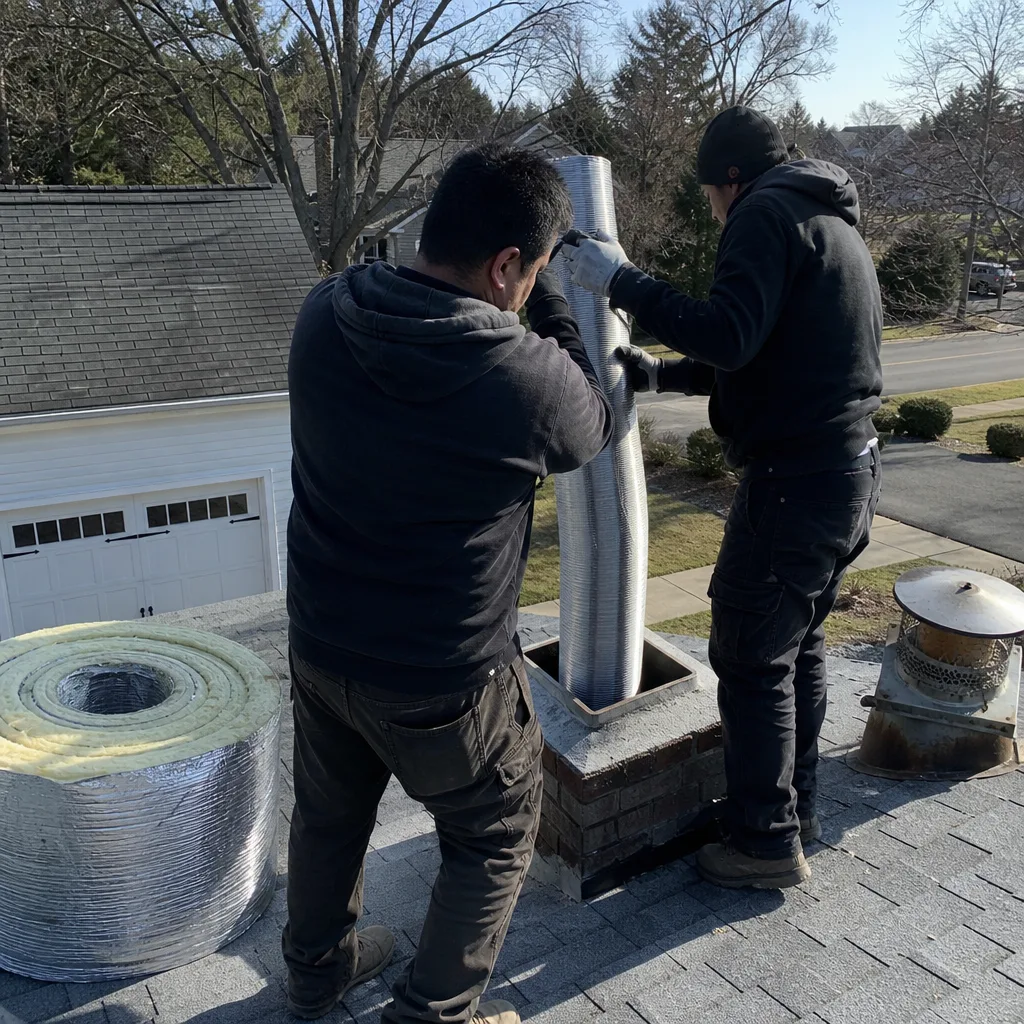
Liner work is not a DIY repair. Installing a stainless flex liner requires fitting it to the specific flue dimensions, sealing the top and bottom properly, and making sure the liner is correctly sized for the appliance it serves – a liner that’s the wrong diameter creates draft problems that make the fireplace or stove both ineffective and potentially dangerous. The work at the top of the chimney also involves height, and in Leesburg’s older neighborhoods where steep-pitched rooflines are common, that’s not a place for improvised equipment. Our technicians are background-checked, uniformed, and assigned by name before the job starts. You get a text when they’re on the way.
If you have any reason to think your liner may be failing – staining on the ceiling above the firebox, a persistent smell when the fireplace isn’t in use, visible cracks in the flue tiles from below, or a carbon monoxide detector that’s been flagging – stop using the fireplace and call for an inspection before the next fire. The inspection will tell you exactly what you’re dealing with.
Leesburg, VA: Local Conditions That Affect Chimney Liner Life
Loudoun County’s climate is harder on masonry chimneys than homeowners from drier climates often expect. Leesburg sits at an elevation that puts it squarely in the mid-Atlantic freeze-thaw zone: temperatures cycle above and below freezing repeatedly from November through March, and moisture that gets into masonry or liner joints expands when it freezes. Over several seasons, that expansion opens hairline cracks into genuine separations.
The Potomac River corridor – which runs along the eastern and northern edges of Leesburg – also creates high relative humidity conditions that accelerate mortar deterioration on the north and east faces of chimneys. Homes backing up to the Potomac Heritage Trail area and properties near Balls Bluff Regional Park tend to show accelerated crown and cap wear on those exposures. We see this consistently in the inspection records from that part of town.
The subdivision construction boom that ran through Lansdowne, Exeter, River Creek, and Potomac Station from roughly 1998 through 2012 produced a large number of chimneys now entering their second or third decade of service. Factory-built fireplace units in those homes have a typical liner system lifespan of 20-25 years under normal use. A significant number of those chimneys are in the window where a camera scan is worth doing before the next heavy-use season starts.
For the historic district and older neighborhoods around King Street and Cornwall Street, the construction is older and the liner material is almost always the original clay tile. Those liners were built when wood-burning was the norm; if those fireplaces have been converted to gas inserts, the liner sizing and material may no longer be appropriate for the appliance. That’s a compliance and safety question, not just a cosmetic one, and a Level 2 inspection documents the answer.
You can learn more about the full range of services we provide on our Chimney Liner & Rebuild in Leesburg page, or head to our home page for a full overview of what Level Two Chimney Co. covers in Loudoun County.
FAQs – Chimney Liner & Rebuild Cost in Leesburg, VA
How much does a chimney liner replacement cost in Leesburg, VA?
A stainless steel liner replacement in Leesburg typically costs between $1,800 and $4,200, depending on flue height, diameter, and whether insulation wrap is included. A 15-foot flue in a single-story home runs closer to $1,800-$2,600; a 22-foot flue in a two-story colonial with insulation runs $3,200-$4,200. Those are real numbers from our Leesburg jobs in 2025 and 2026. Call (571) 601-3174 for a free written estimate – the exact price depends on what the camera finds in your flue.
Is it cheaper to reline or rebuild a chimney?
Relining is almost always cheaper than rebuilding – usually by $3,000 to $6,000 – because a reline replaces the internal liner while leaving the masonry structure intact. A rebuild becomes necessary when the masonry itself is structurally compromised: deteriorated brick beyond the mortar joint level, significant spalling through the chimney wall, or a failing firebox. In Leesburg, we find that many chimneys homeowners expect to need a full rebuild actually need only a reline and crown repair – the camera is what tells us which is which. If another company has quoted you a full rebuild, a free second opinion from us is worth the call.
How long does a chimney liner last in Virginia’s climate?
A properly installed stainless steel liner – DuraFlex or equivalent, with correct sizing for the appliance – typically lasts 20 to 30 years in Loudoun County’s climate. Clay tile liners in Leesburg’s older homes last 40 to 50 years under ideal conditions, but ideal conditions rarely apply: the freeze-thaw cycle here is hard on joints, and tile liners that weren’t installed with tight joints can fail in 25 to 30 years. Cast-in-place liner systems tend to have the longest service life, often 50 years or more, but they’re also the highest upfront cost. The right answer depends on the appliance you’re running and how long you plan to stay in the home.
Does a chimney rebuild require a permit in Leesburg, VA?
Significant masonry chimney work in Leesburg generally requires a building permit through Loudoun County’s Department of Building and Development, particularly for full or partial rebuilds that involve structural masonry. Liner-only replacements typically fall under the mechanical permit category. We handle permit documentation as part of the job scope – that’s part of what the written scope document covers before work starts. If you’re comparing quotes, check whether the other company has included permit fees and filing in their price or is treating them as add-ons.
Can you inspect and quote the same day in Leesburg?
In most cases, yes. We schedule camera inspections in Leesburg and the surrounding Loudoun County area, and for straightforward liner assessments we can usually deliver a written quote the same day as the inspection. More complex scopes – full rebuilds where we need to assess structural masonry beyond the camera scan – may take an additional day to spec accurately. Either way, you won’t hear “we’ll follow up with pricing later” as a substitute for a real number. Call (571) 601-3174 and we’ll find the earliest available slot.
What’s included in Level Two Chimney Co.’s chimney liner price?
Every liner job includes the NFPA 211 Level 2 camera inspection before work starts, the liner material and installation labor, a documented photo record delivered on completion, and the 365-Day Done Right Promise in writing. The written quote you receive before work begins itemizes materials, labor, and any associated work (cap, crown, smoke chamber) separately so you can see exactly what you’re paying for. Materials are sourced from DuraFlex, HeatShield, Gelco, Olympia Chimney, Famco, and Copperfield through Haven’s buying network. What’s not included: anything we didn’t quote. If we find additional scope mid-job, it goes back to writing before we proceed.
If you have a written quote from another company, bring it to us – we’ll give you a free second opinion, camera scan included. Our pricing reflects the actual Leesburg market in 2026, and we put every number in writing before anyone picks up a tool.
Call (571) 601-3174 to schedule your free estimate. A real person answers, any hour. We’ll assign a named, background-checked technician, send you a text when they’re on the way, and hand you a written price before the work starts – not after.
Written by Corrine Halstead, Owner at Level Two Chimney Co., serving Leesburg, VA since 2009.
Pricing reflects the Leesburg market as of 2026. Level Two Chimney Leesburg offers free estimates – call (571) 601-3174.
What Our Customers Say
"Found a bird nest and a blocked flue we had no idea about. Photographed everything, cleared it, and explained what the smell had been."
- Curtis V."We were buying the house and needed a real inspection. The report had photographs, the standard it was done to, and a clear repair figure. The seller paid for the repair."
- Lorna D."Cap and crown replaced after water was getting in. Price was quoted in writing, and they showed me the mortar failure first."
- Neil O.