
Last updated September 20, 2026
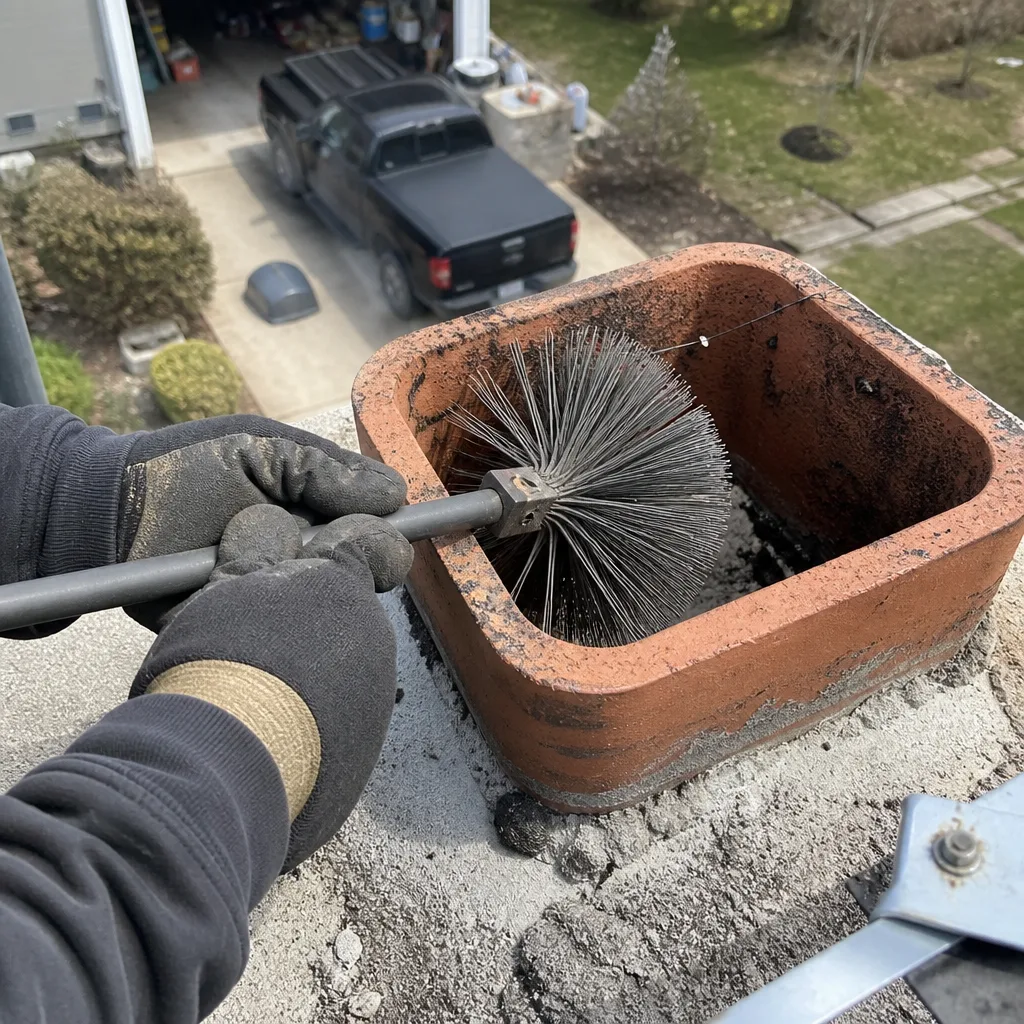
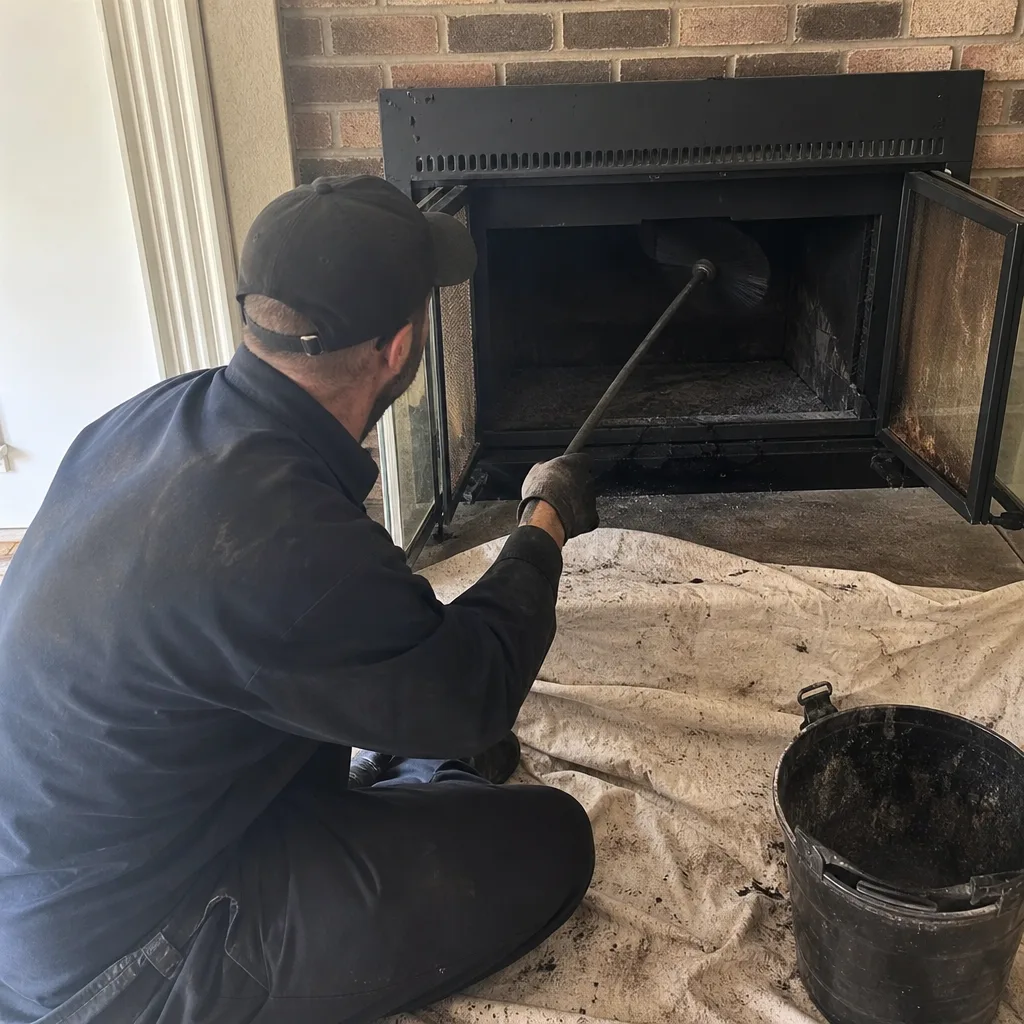
Level 1 sweep and inspection to the NFPA 211 annual standard - flue, crown, cap, and flashing checked and photographed
Chimney sweep logs do not sweep chimneys. They loosen some creosote - which then falls where a brush and vacuum still have to collect it.
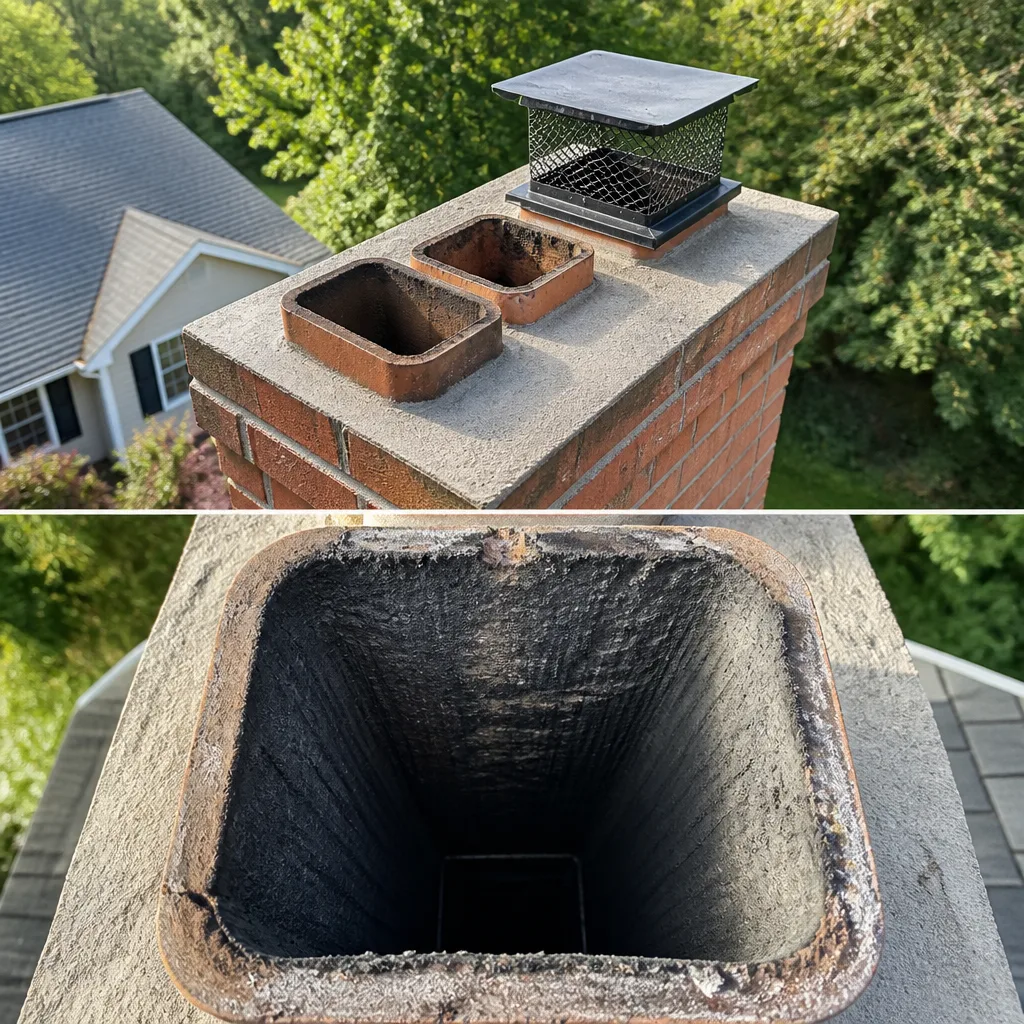
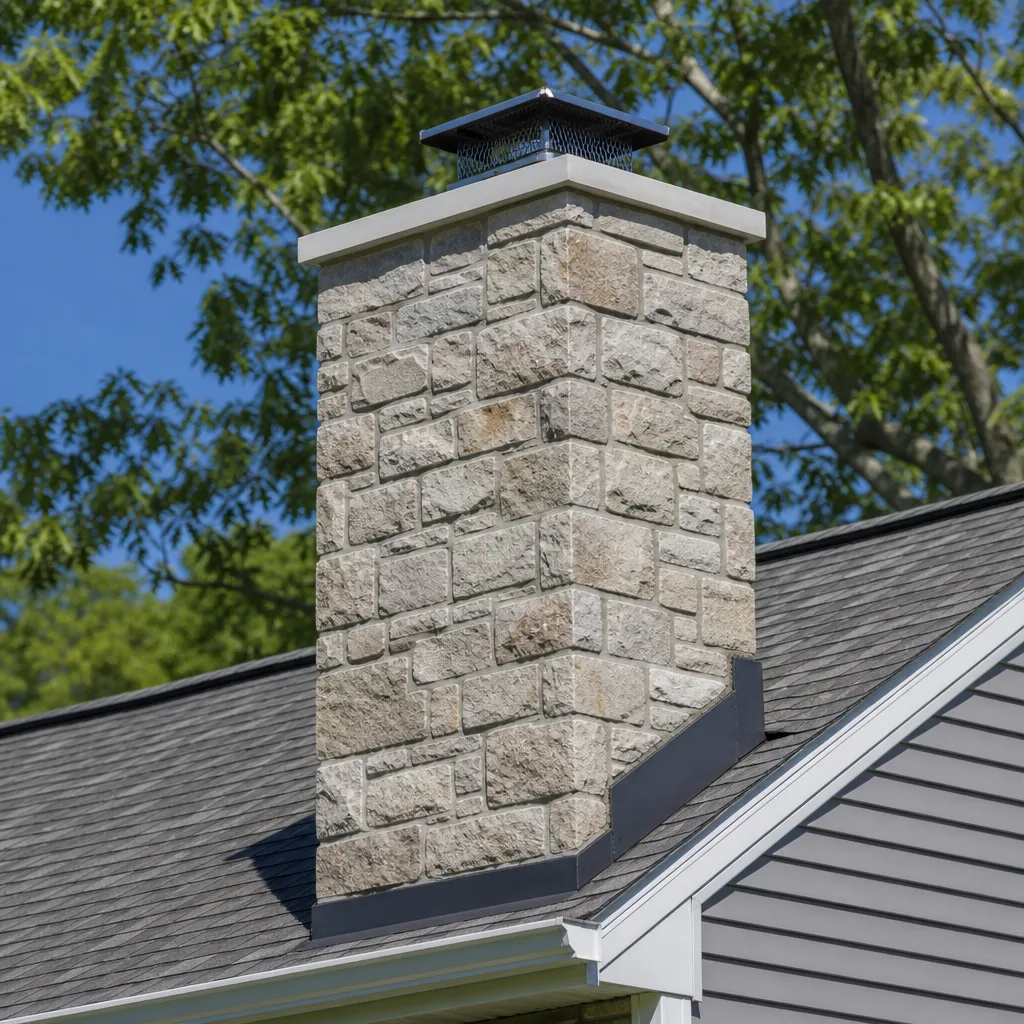
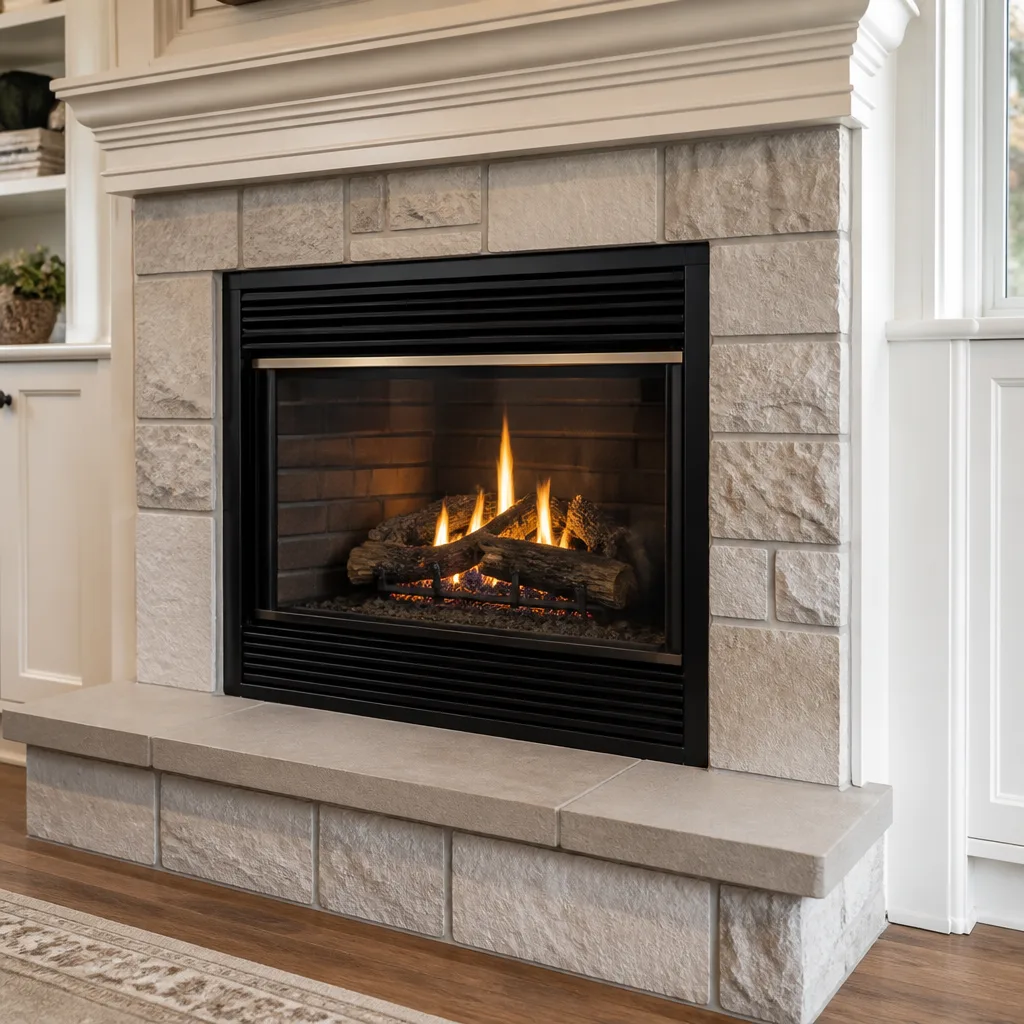
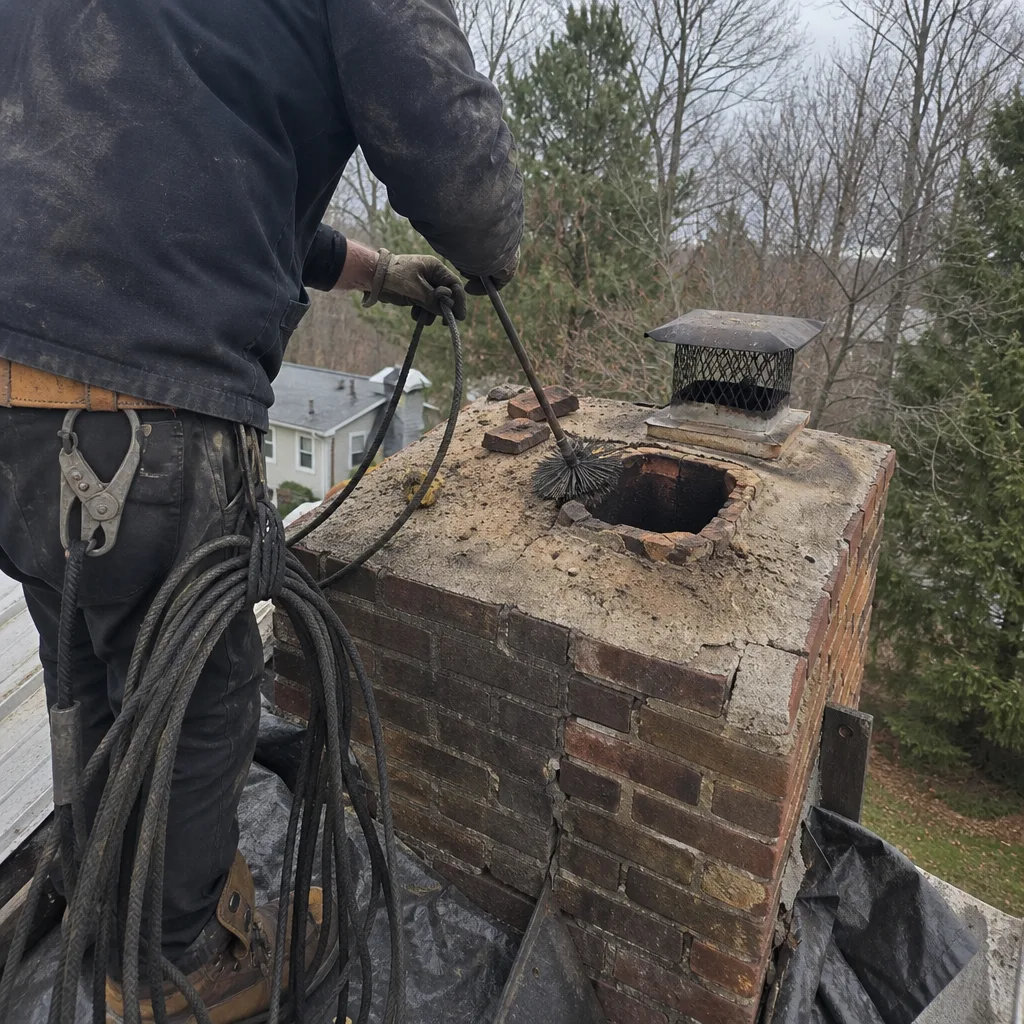 Before
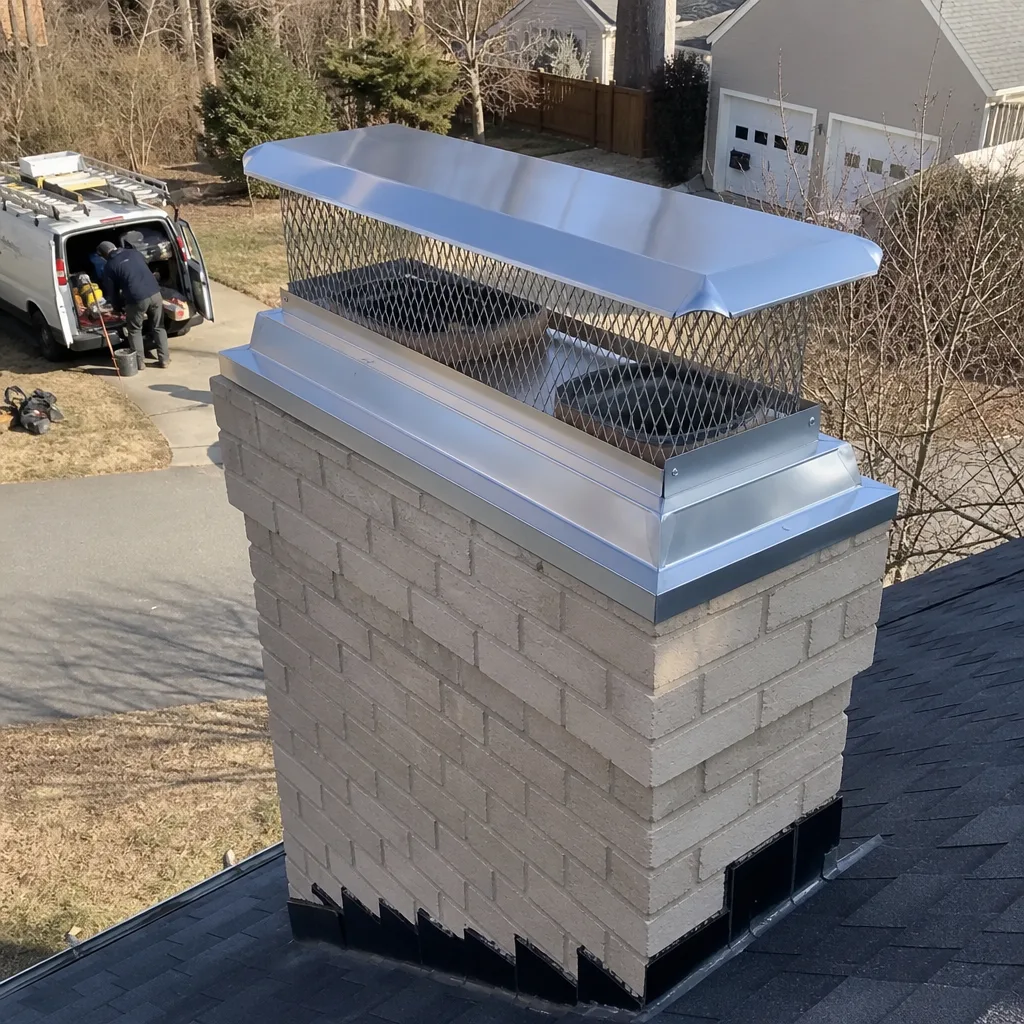 After
After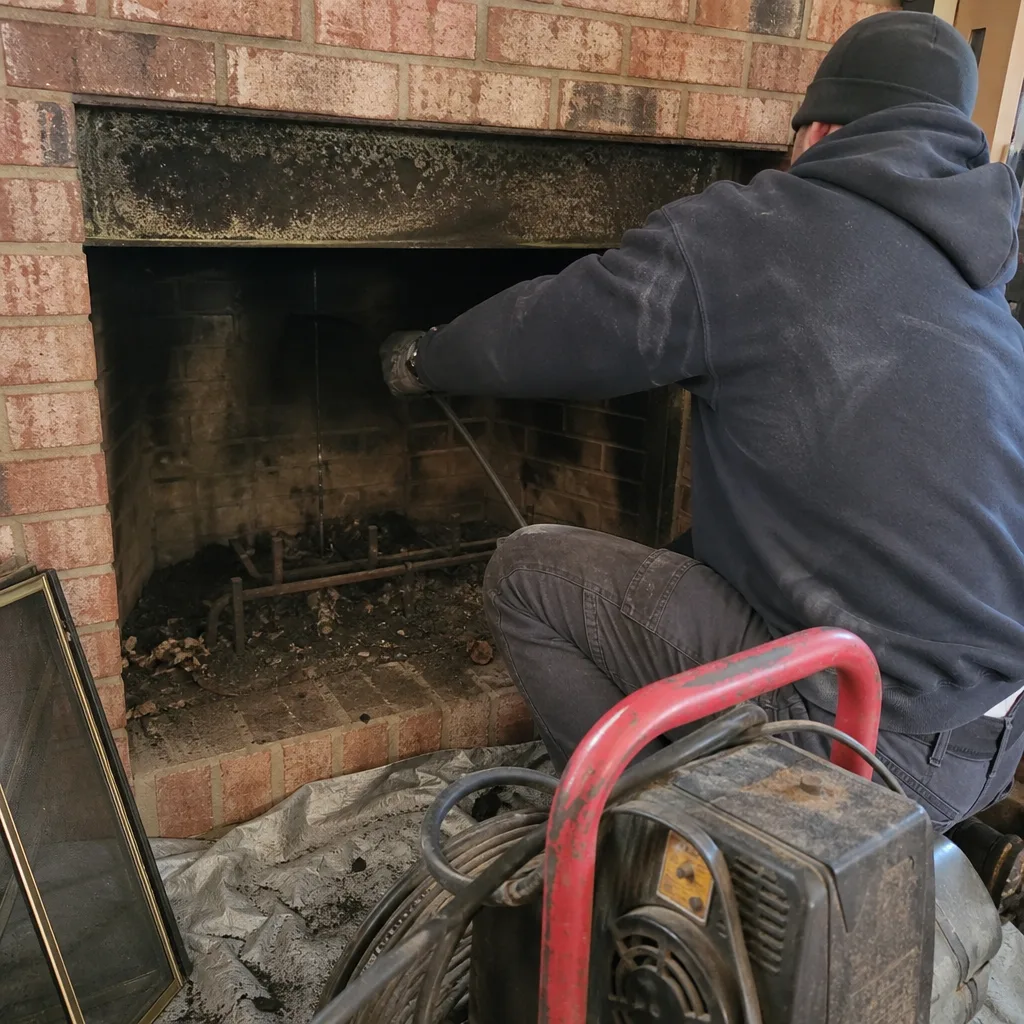 Before
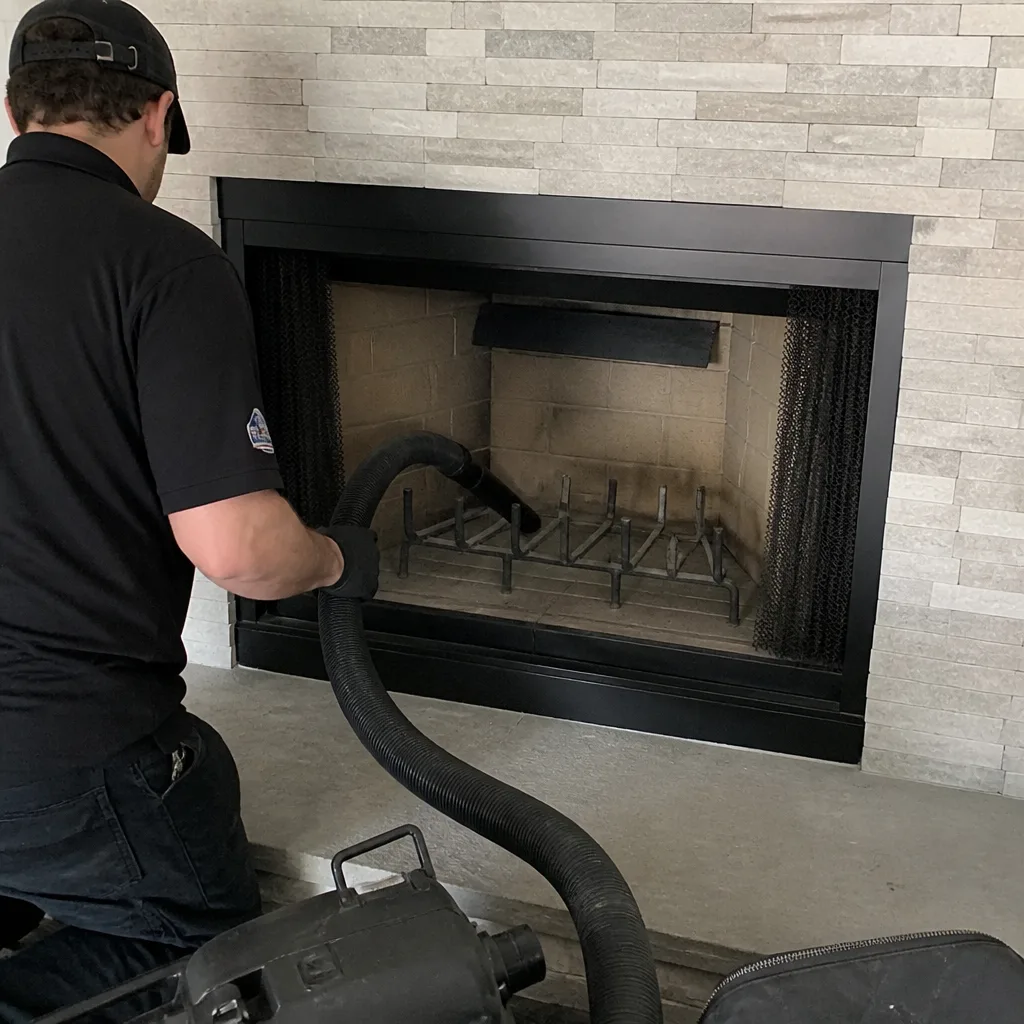 After
After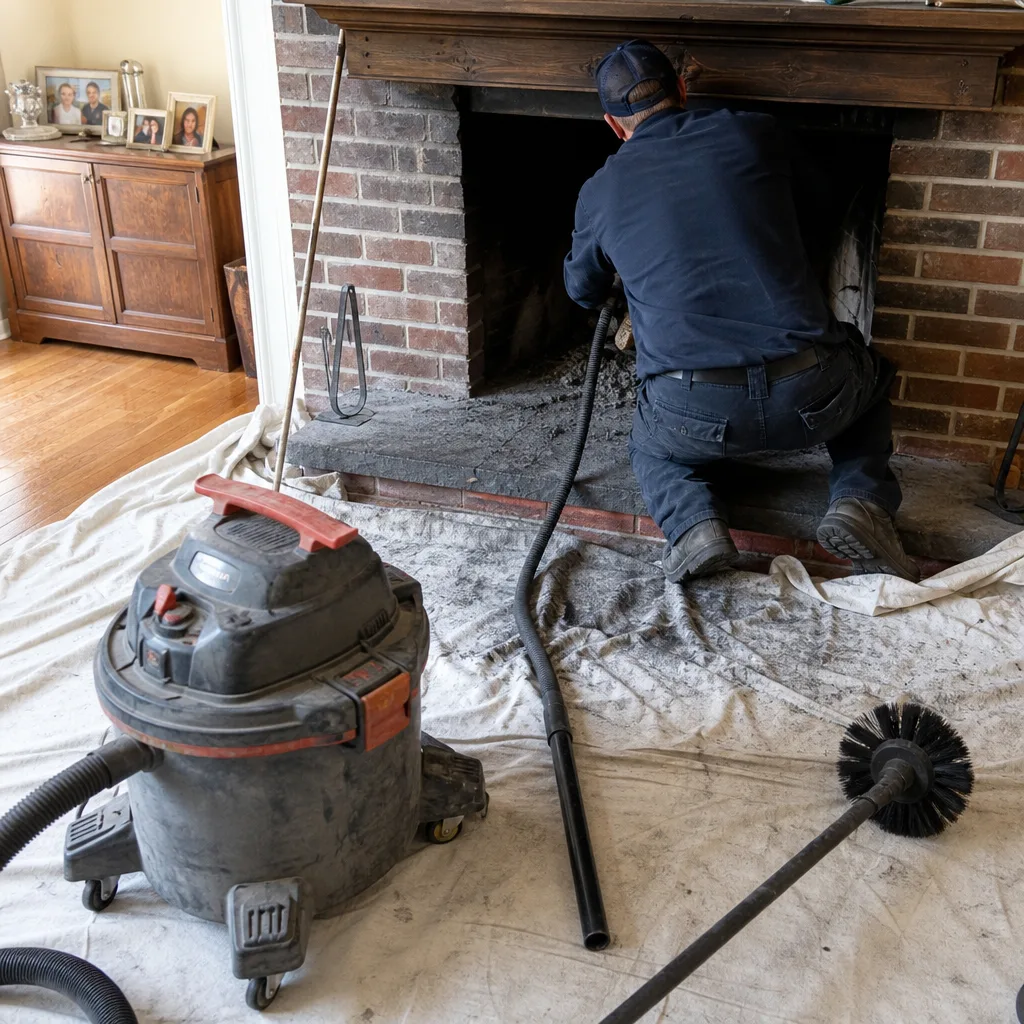 Before
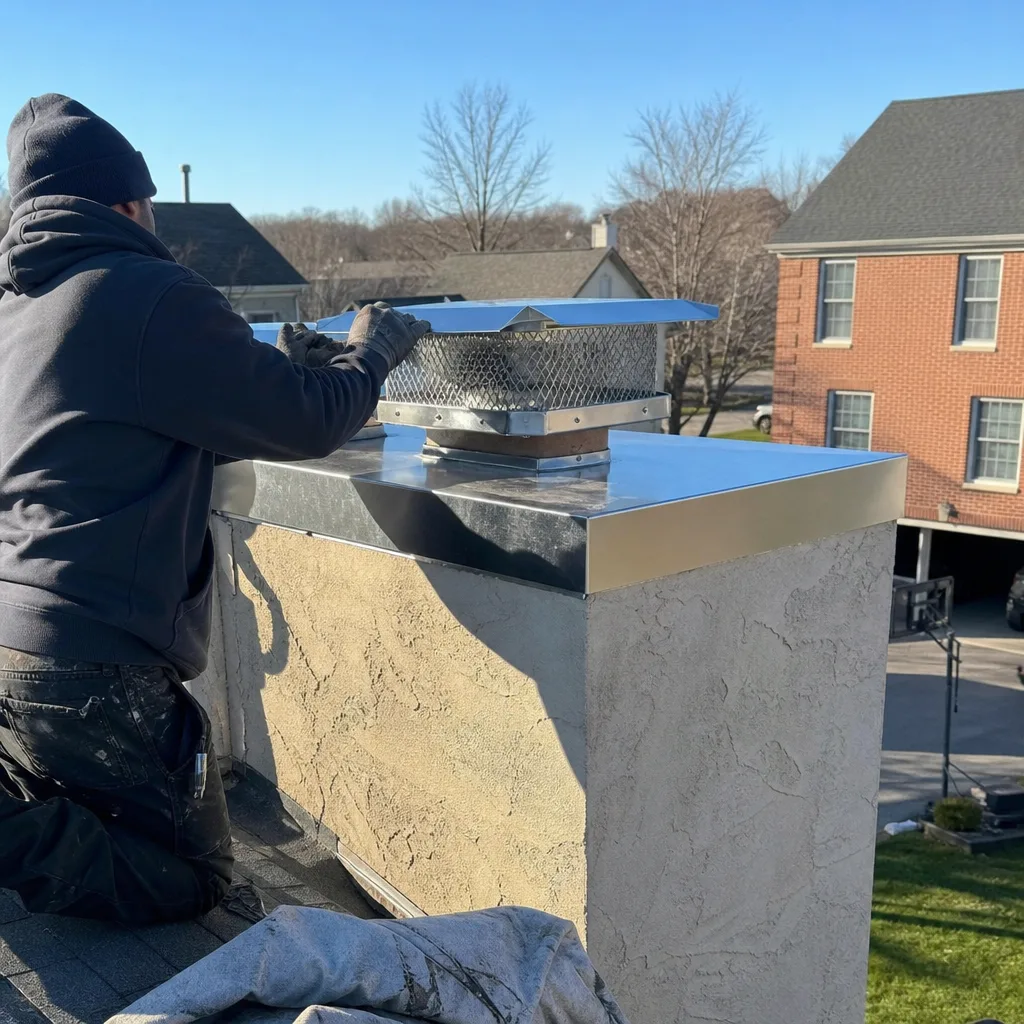 After
AfterChimney Cleaning & Sweep Maintenance Checklist for Leesburg Homeowners
Most chimney maintenance guides fail Leesburg homeowners because they treat the system like a once-a-year appointment, not a year-round responsibility. Here’s the uncomfortable truth: a chimney cap bent by last winter’s ice storm can funnel a season’s worth of rain directly onto the firebox damper. By the time a Leesburg homeowner calls for cleaning, the rusted damper plate is a $400 repair the checklist would have caught in March. This guide assigns specific inspection points to every month, not just October, so your annual Chimney Cleaning & Sweep finds a clean system instead of an emergency. You’ll learn what to check from the ground, what to file away from each service visit, and which three observations should send you to the phone immediately.
Quick Answer
A complete chimney maintenance checklist for Leesburg homeowners includes monthly visual checks of the cap, crown, and damper; seasonal tasks like a post-winter crown inspection in April and a pre-season smoke test in September; and an annual professional sweep with a camera-scan inspection. Owner-side observation catches water intrusion and animal entry between professional visits. The professional visit documents liner integrity, creosote classification, and smoke chamber condition with photos you keep for insurance and resale records.
Table of Contents
- What the Homeowner Checks vs. What the Sweep Checks
- The Month-by-Month Leesburg Chimney Calendar
- How Leesburg Weather Attacks Your Chimney
- The Records-Retention Checklist: What to File and Why
- Three Observations That Warrant an Off-Schedule Sweep
- What a Chimney Sweep in Leesburg Actually Costs
- What Not to Do Yourself: Safety Boundaries
- Common Mistakes to Avoid
BeforeAfterWhat the Homeowner Checks vs. What the Sweep Checks
The most useful chimney checklist separates owner-observable conditions from sweep-performed diagnostics. This distinction matters because it tells you when you can handle something yourself and when you need a professional with camera equipment. A homeowner standing in the yard with binoculars can spot a displaced cap or a cracked crown. No homeowner can assess a flue liner’s interior condition from the ground, and anyone who claims otherwise is guessing.
Owner-Observable Checks (Monthly, from the Ground or Roof Edge)
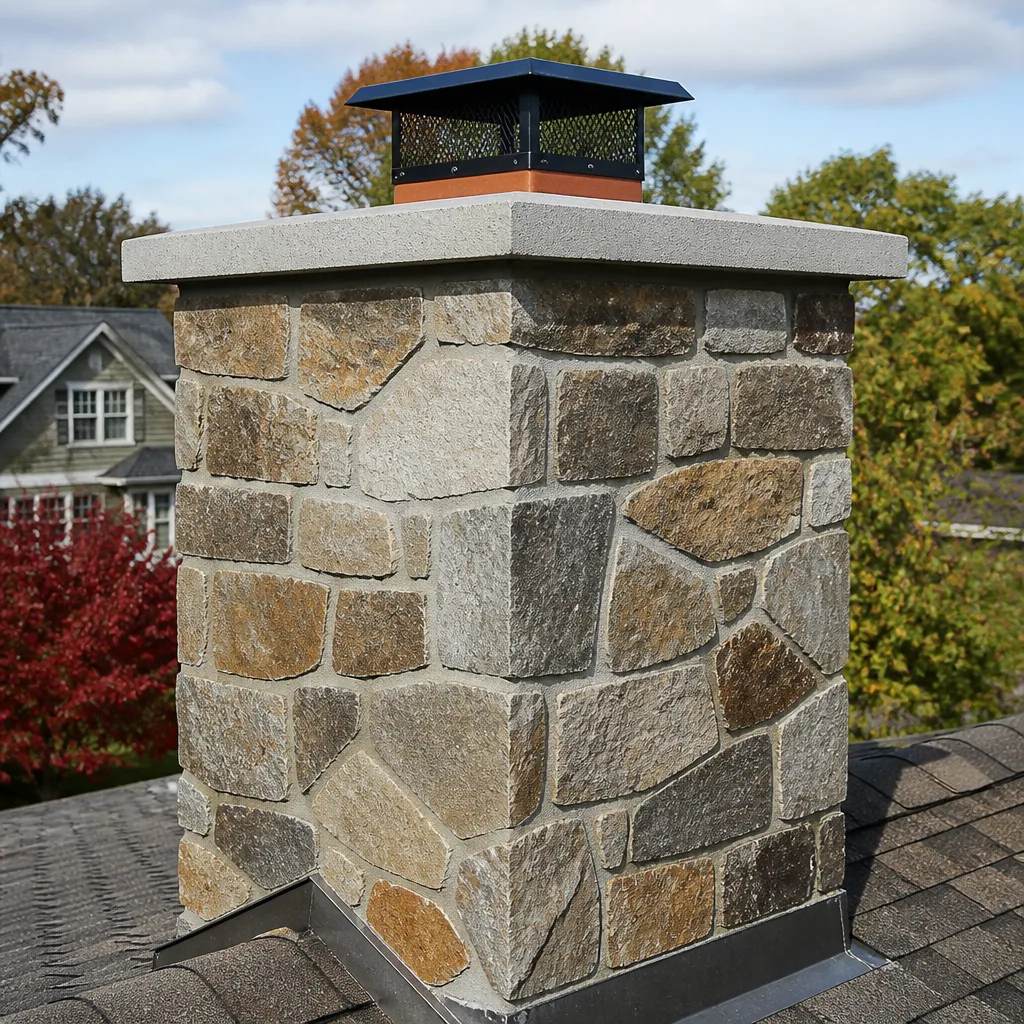
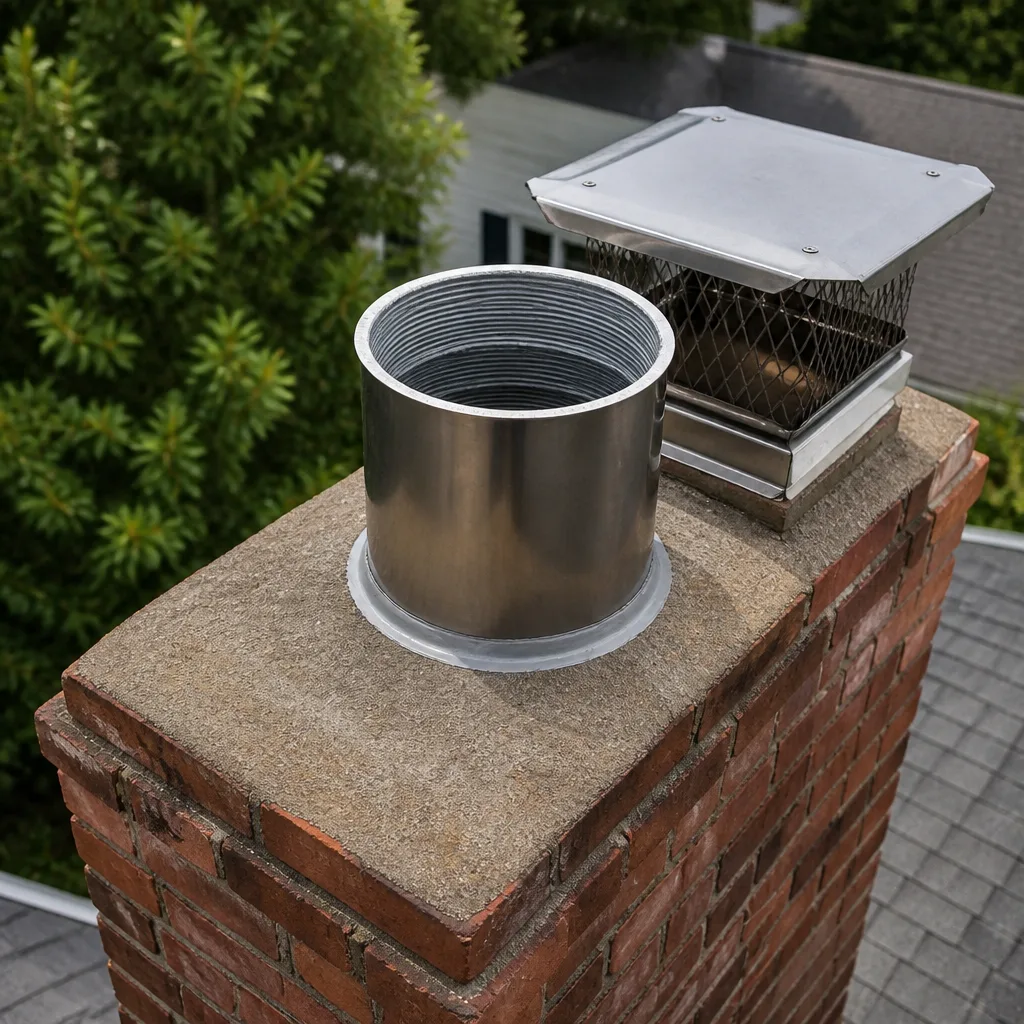
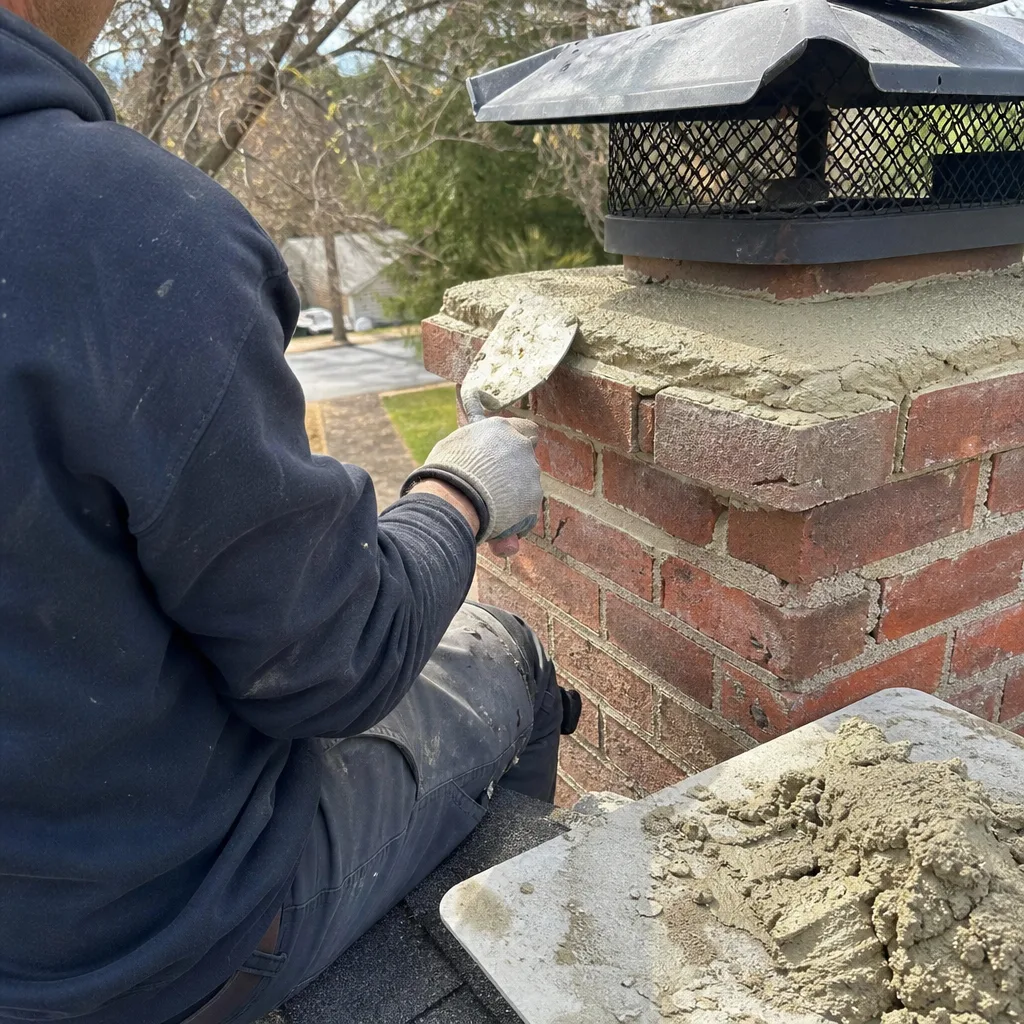
- Cap condition: Is the chimney cap seated evenly on the flue tile or chase top? After a Leesburg ice storm, caps frequently shift or bend at the mounting brackets. A tilted cap lets rain enter the flue directly.
- Crown integrity: The concrete crown is the slab that seals the top of the chimney around the flue. Look for hairline cracks, spalling (surface concrete flaking away), or a visible gap where the crown meets the flue tile.
- Damper operation: Open and close the damper fully. It should move freely without scraping or binding. A damper that sticks in the closed position turns your first October fire into a smoke-filled living room.
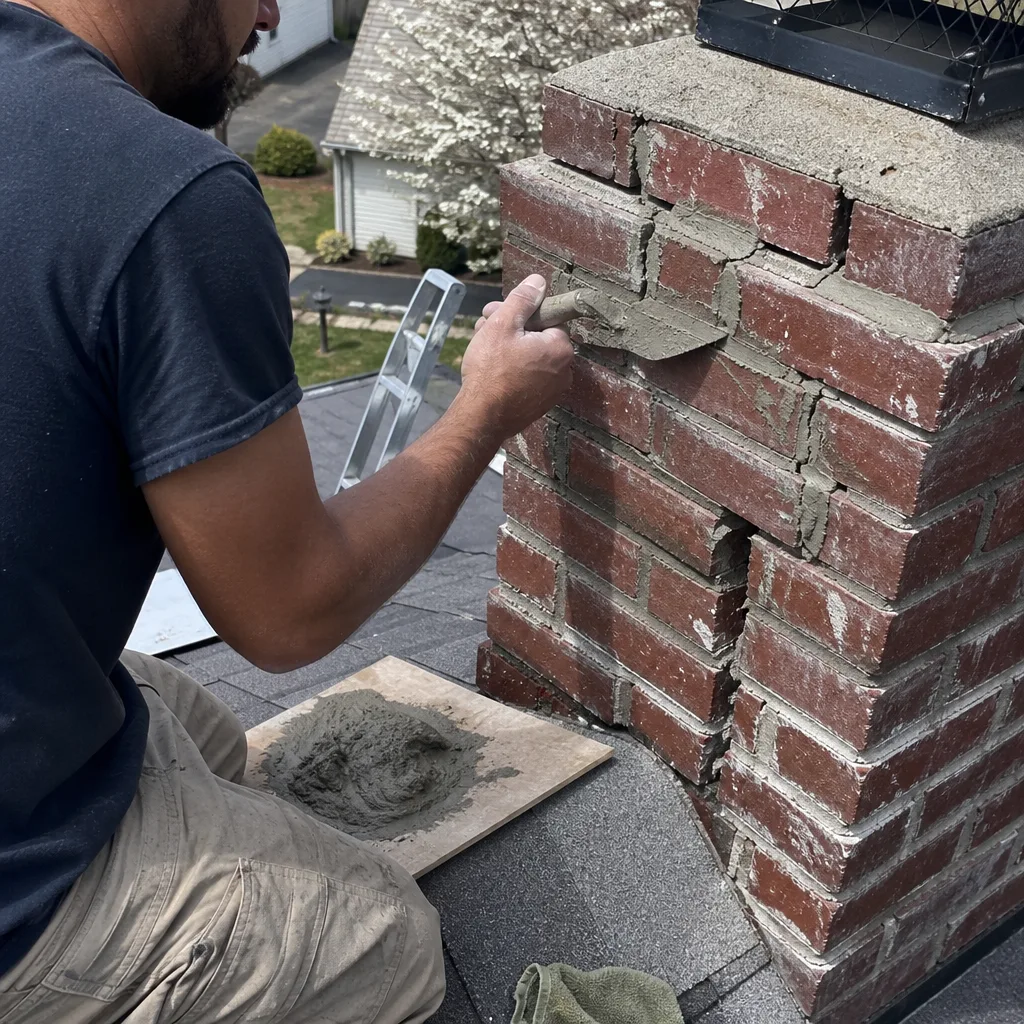
- Mortar joint condition: From the ground, scan the chimney’s exterior brick or stone. Dark gaps where mortar should be mean water is entering the masonry. In Leesburg’s freeze-thaw cycles, those gaps become structural cracks within two winters.
- Flue tile visibility: If you have a masonry chimney without a cap (which you shouldn’t), check whether you can see shattered flue tile pieces at the base of the firebox. Those clay shards indicate a liner that’s already failing.
Sweep-Performed Checks (Annual, with Camera Documentation)
These are the checks that require training, access equipment, and a camera. At Level Two Chimney Leesburg, we’ve performed these as a documented standard since 2009, and Clause 4 of the Haven Standard requires a photo record on every job. No flashlight glance, no “looks fine from here.”
- Camera-scan flue inspection (NFPA 211 Level 2): A camera travels the full length of the flue, recording cracks, gaps, or separated tile sections. You walk away with footage you can actually see, not a verbal summary.
- Liner integrity assessment: Clay tile liners in Leesburg homes built before 1990 are reaching the end of their service life. The camera documents spalling (tile surface flaking), vertical cracking, and offset joints that expose the masonry behind the liner.
- Smoke chamber parging check: The smoke chamber is the inverted funnel above the firebox. Its parging (the smooth refractory coating) deteriorates over time, creating recesses that collect creosote and increase fire risk.
- Creosote classification: Creosote is classified by visual and physical characteristics: Class I (dusty soot), Class II (flaky, brushable), Class III (glazed, tar-like, requires chemical treatment). The class determines the cleaning method.
- Firebox refractory condition: The firebox’s refractory panels absorb and reflect heat. Cracked panels expose the metal shell behind them, which shortens the box’s life and creates a fire hazard.
The reason the owner-vs-sweep split matters for Leesburg homeowners is financial. Owner-observable checks catch problems early at zero cost. Sweep-performed diagnostics catch problems before they become five-figure rebuilds. Skipping either category means paying for both eventually. For a fuller picture of what a professional visit includes, see our guide to Chimney Cleaning & Sweep in Leesburg.
The Month-by-Month Leesburg Chimney Calendar
Leesburg’s climate dictates a maintenance rhythm that differs from what generic checklists suggest. We get real winters with freeze-thaw cycles, humid summers that accelerate liner deterioration, and shoulder seasons with heavy rain. Here’s the month-by-month cadence that matches what we actually see in chimneys across Leesburg.
January-February: Burning Season Monitoring
- Check for smoke backdrafting on startup. Open the damper fully, light a piece of newspaper, and hold it in the firebox. Smoke should rise. If it curls into the room, call immediately.
- Inspect the firebox floor for creosote flakes larger than a quarter. Class II creosote flaking down means buildup is reaching a level that needs cleaning.
- After heavy snow, check the cap from the ground for snow load. Leesburg rarely gets enough to damage a properly installed cap, but wet, heavy snow followed by a hard freeze can bend mounting brackets.
March: Post-Winter Cap and Crown Audit
This is the single most important owner-check of the year. Every Leesburg chimney we inspect in March tells a story about what the winter did to it.
- Inspect the crown at close range if you can safely access the roof with proper fall protection. Look for new cracks, especially radiating from the flue tile.
- Check the cap for ice damage: bent mesh, shifted attachment, or a missing rain band.
- Document anything you find with a phone photo. If you see a crack wider than a dime, call for an estimate. A crack that size admits enough water to damage the firebox damper within one spring season.
April: Rain-Season Water Intrusion Check
April in Leesburg brings steady rain. Water intrusion shows itself fast if you know where to look.
- After a heavy rain, inspect the firebox floor for water stains or pooled water.
- Check the damper plate for rust bloom (orange surface rust that appears before pitting).
- Look for efflorescence (white mineral deposits) on interior masonry surfaces. Efflorescence means water is moving through the masonry and carrying salts with it.
June: Summer Nesting-Screen Audit
By June, chimney swifts and starlings have established nests in unprotected flues across Leesburg. You’ll hear them before you see them, but a visual check of the cap’s mesh is the reliable method.
- Check that the cap’s mesh screen is intact with no gaps larger than 3/4 inch. Starlings can enter through surprisingly small openings.
- Listen for chirping or scratching coming from the flue or smoke chamber. Animal sounds in the flue are one of the three observations that warrant an off-schedule sweep call.
- If you find a nest, do not attempt removal yourself. Birds in flues are a protected species in Virginia during nesting season, and improper removal carries legal and health risks.
September: Pre-Season Damper and Smoke Test
This is your operational read before the first fire. It’s a 10-minute test we recommend to every Leesburg homeowner we serve.
- Open the damper fully. It should travel smoothly without binding. If it scrapes, rust has likely built up on the hinge pins during the humid summer.
- Close the damper fully, then open it again. The second cycle exposes intermittent sticking that the first cycle might miss.
- Run the newspaper smoke test described above. This confirms the flue is drawing properly before you commit to a full fire.
- If anything fails, schedule a professional inspection before burning. A failed smoke test in September is a cheap fix. The same problem discovered on the first cold night in November is an emergency call during peak season.
October: Scheduled Professional Sweep and Inspection
Book your annual sweep in October, before the heating season starts in earnest. Leesburg sweeps book out 4-6 weeks ahead by late September. A written price before work starts should be standard. At Level Two Chimney Leesburg, it’s Clause 1 of the Haven Standard: written price, written scope, written warranty, delivered before anyone starts, not after the tech is already in your home.
How Leesburg Weather Attacks Your Chimney
Every region has a weather pattern that defines chimney failure. In Leesburg, it’s the combination of freeze-thaw cycling in late winter and high humidity in summer. Understanding these two stressors explains why some Leesburg chimneys fail in 20 years while identical designs in drier climates last 50.
Freeze-Thaw Cycling and Mortar Crowns
Leesburg averages 20 to 30 freeze-thaw cycles per winter, concentrated in February and March when daytime temperatures rise above freezing and nighttime temperatures drop below. Here’s what happens: water enters a hairline crack in the crown or a mortar joint, freezes, and expands by roughly 9% in volume. That expansion widens the crack. The next freeze cycle widens it further. A crack that starts the winter the width of a credit card ends the winter the width of a finger.
We see this pattern most severely in chimneys built before 1995, when Leesburg’s building boom used mortar mixes with higher lime content that deteriorate faster under freeze-thaw cycling. If your home was built in the Potomac Station, Exeter, or Woodlea Manor neighborhoods before 2000, your chimney’s mortar joints are approaching the age where visible deterioration is likely, not possible.
Summer Humidity and Clay Tile Liner Spalling
Leesburg’s summer humidity averages 70% or higher from June through August. For a clay tile flue liner, that moisture is absorbed into the tile’s porous surface. When the first fall fire heats the liner, that trapped moisture converts to steam. The rapid expansion causes the tile’s inner surface to flake away, a process called spalling.
Over repeated seasons, spalling thins the liner wall until a tile section cracks through entirely. The camera-scan inspection we perform on every visit, as required by Clause 4 of the Haven Standard, is designed to catch this in the early stages, when a repair is still possible. A liner that has spalled to the point of through-wall cracking is typically a full liner replacement, not a repair.
What This Means for Your Checklist
Leesburg-specific weather means your maintenance calendar needs to account for two peak risk windows: March (after freeze-thaw) and September (after humid summer). Most generic checklists don’t distinguish between regions because they’re written for a national audience. A Leesburg homeowner who follows a generic checklist will miss the March crown check entirely, and that’s precisely the check that would have caught the cracked crown before a full season of rain turned it into a $400 damper replacement. For a deeper look at what to watch for, see our Chimney Cleaning Warning Signs: A Leesburg Homeowner’s Reference Guide.
The Records-Retention Checklist: What to File and Why
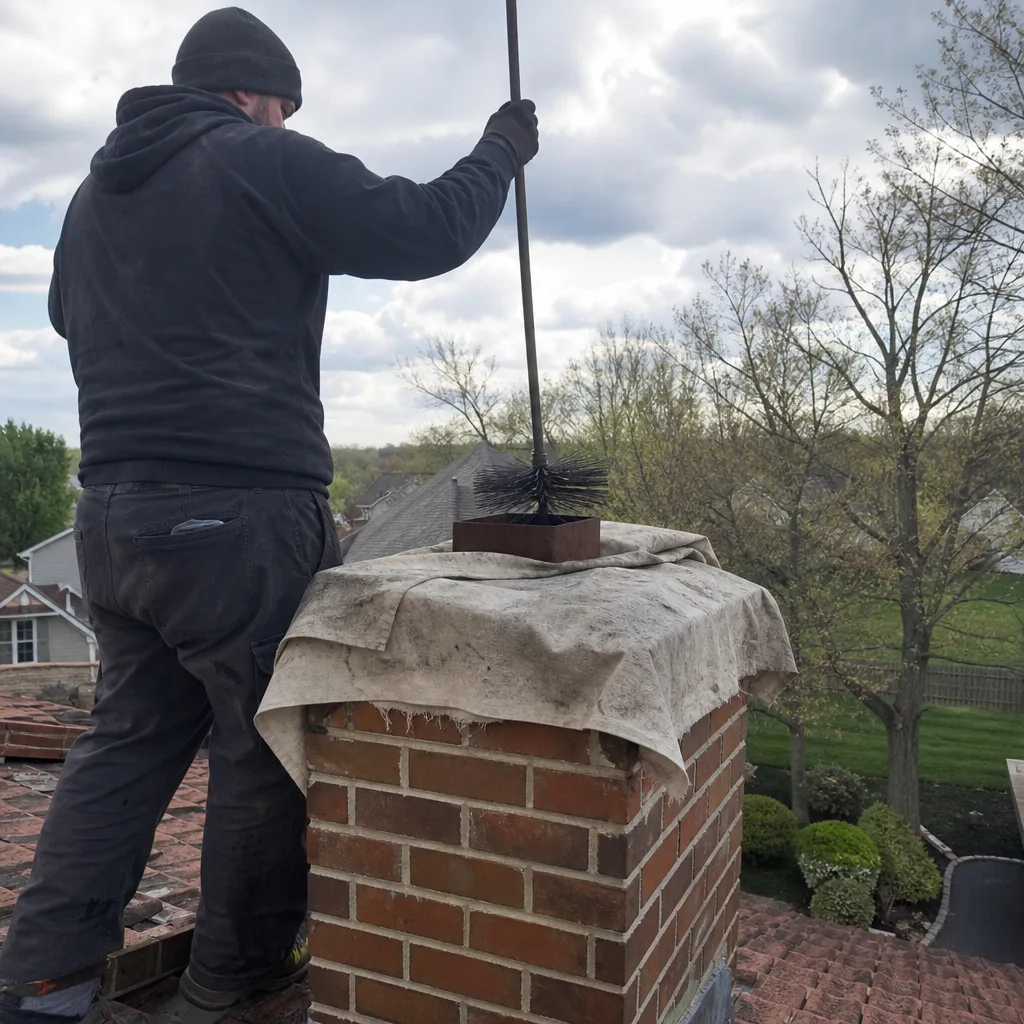
The most overlooked part of chimney maintenance is the paperwork. Homeowners who keep meticulous records of every sweep visit have a documented service history that protects them in three specific situations: insurance claims, resale disclosure, and warranty disputes. Here’s what to file after every professional visit, and why each item matters.
- Written scope of work: The document that lists exactly what the sweep was contracted to do. If a dispute ever arises about whether a liner repair was included in the price, this is the document that settles it. Clause 1 of the Haven Standard requires this to be delivered before work starts.
- Written price: The dollar amount quoted before any work began. For insurance claims involving chimney damage, insurers want to see a documented service history with consistent pricing.
- Photo record from the camera scan: Not the verbal summary, the actual photos. These show the liner’s condition on a specific date. If your liner fails two years later, the photo record proves whether the failure was a new development or a condition that should have been flagged earlier. Since 2009, Level Two Chimney Leesburg has included a documented photo record on every visit as standard, not as an optional add-on.
- Creosote classification and cleaning method used: This documents that the cleaning was performed to the correct standard for the creosote class present. If a fire incident occurs, this record demonstrates proper maintenance history.
- Any repair recommendations with estimated remaining service life: A note that says “liner shows minor spalling, monitor for 2-3 seasons” gives you a timeline for budgeting. A note that says “crown crack requires repair before next winter” gives you a deadline.
- Warranty documentation: Any written warranty on work performed. For liner installation using materials from Olympia Chimney or Copperfield, the manufacturer warranty is separate from the installer warranty. File both.
The retention rule we recommend to Leesburg homeowners: keep records for the entire time you own the home, and pass them to the buyer at sale. A documented maintenance history adds verifiable value at resale because it removes the buyer’s uncertainty about the chimney’s condition. In a Loudoun County market where homes sell fast, a complete chimney file is a differentiator that costs nothing to maintain.
Three Observations That Warrant an Off-Schedule Sweep
Most chimney problems develop slowly enough that the annual schedule catches them. But three specific observations should trigger an immediate call, regardless of when your last sweep was performed. These are the conditions we tell every Leesburg homeowner to treat as red flags.
1. Visible Creosote Flaking into the Firebox
If you see black, shiny flakes accumulating on the firebox floor during the burning season, that’s Class II or Class III creosote detaching from the flue walls. Creosote that has reached the flaking stage means accumulated buildup inside the flue has reached a thickness where it’s sloughing off under its own weight. This is not something to monitor. This is a cleaning need that should be scheduled within days, not months.
2. Smoke Backdrafting on the First Fire
Smoke that enters the room instead of rising up the flue is a draft failure with several possible causes: a blocked flue, a damper that’s not fully open, negative pressure in the house, or a flue that’s too cold to establish draft. The dangerous one is blockage, because it means combustion gases are entering your living space. Carbon monoxide is colorless, odorless, and a backdrafting fireplace is one of the most common sources of CO in homes. This is a call-now situation.
3. Animal Sounds in the Flue
Scratching, chirping, or fluttering sounds coming from the chimney mean an animal has entered the flue or smoke chamber. Beyond the nuisance factor, animal entry creates three problems: nesting material is combustible and blocks the flue, animal droppings carry histoplasmosis (a fungal infection risk during removal), and the animal itself can die in the flue, creating a removal problem and an odor that permeates the house. Virginia law protects chimney swifts during nesting season, so removal timing matters.
Any one of these three observations justifies a call to (571) 601-3174. We’d rather run a camera scan and find nothing than have a Leesburg homeowner wait and find out the hard way that the problem was real.
What a Chimney Sweep in Leesburg Actually Costs
Leesburg homeowners deserve a straight answer on pricing, because pricing opacity is the single biggest complaint we hear about the chimney industry. Here are the actual ranges we see in the Leesburg market, with the caveat that every home is different and a written quote should always precede any work.
- Standard chimney sweep and inspection: $180-$340. This includes the cleaning and a Level 1 visual inspection. It should not include a camera scan, which is a separate diagnostic.
- Chimney sweep with camera-scan inspection (NFPA 211 Level 2): $280-$450. The camera footage documents liner condition and is the standard we perform on every visit.
- Chimney cap replacement (standard stainless steel): $150-$350 for the cap itself, plus installation. A custom cap for an unusual flue size runs higher.
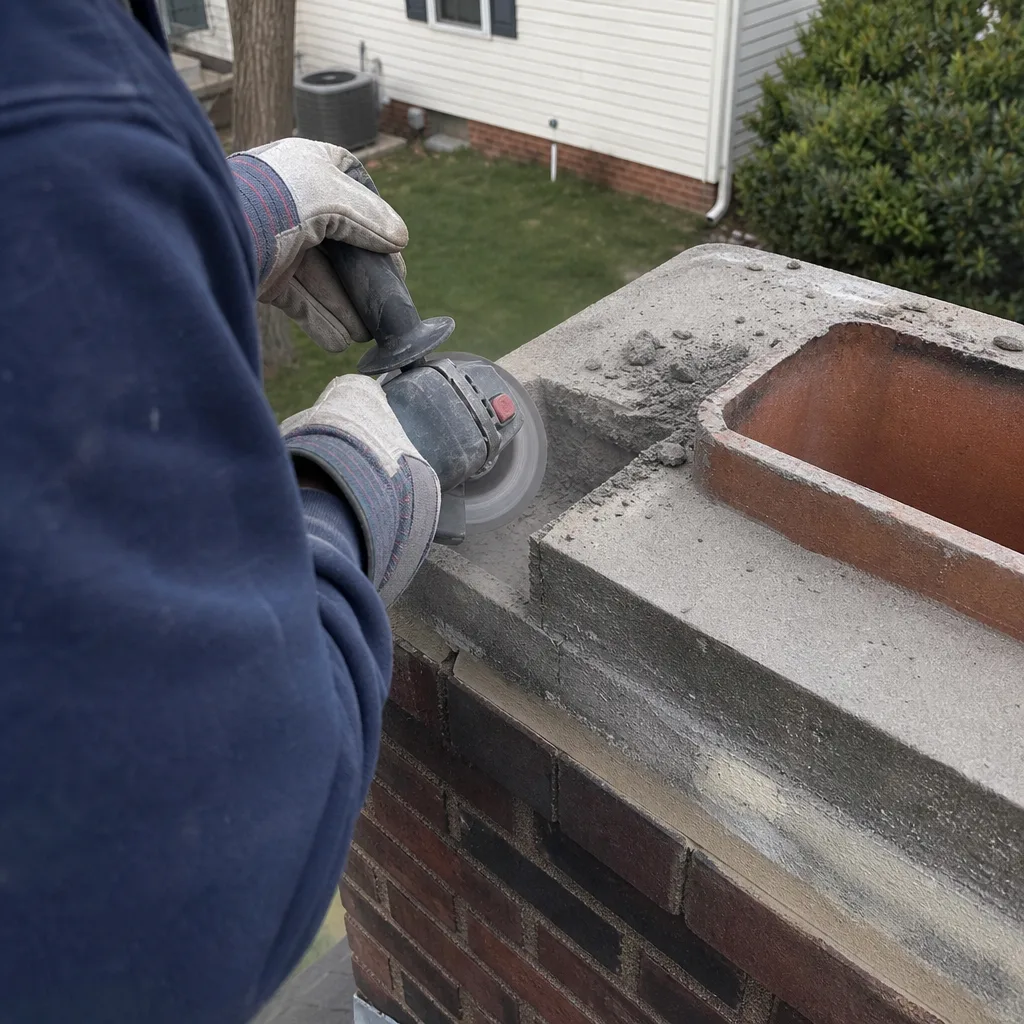
- Crown repair (crack filling): $200-$500, depending on crack extent and whether the crown needs resurfacing.
- Full crown replacement: $800-$1,500. This is a larger job that involves removing the old crown and pouring new concrete with proper expansion joints.
- Damper replacement (top-sealing damper): $250-$600. A rusted damper plate is one of the most common repairs we make after a season of undetected water intrusion.
- Clay tile liner replacement (stainless steel liner): $2,500-$5,000, depending on flue height, access, and whether the existing tile needs to be broken out first.
The range exists because chimney dimensions and access conditions vary widely. A two-story chimney on a steep roof in Potomac Falls costs more to service than a single-story exterior chimney in Exeter. The point is not the exact dollar amount; it’s that the price should be in writing before anyone starts. At Level Two Chimney Leesburg, a written price is never optional. If a company won’t put a number on paper before the tech arrives, walk away. For context on what a professional cleaning includes, see our Fireplace Services in Leesburg page.
What Not to Do Yourself: Safety Boundaries
This checklist includes plenty of owner-performed tasks, but some chimneys work carries genuine danger that no checklist should encourage a homeowner to attempt. Here’s the boundary line we draw, and it’s drawn for a reason.
Do not climb onto a roof to inspect a chimney unless you have proper fall protection and experience working at height. The majority of chimney-related injuries we hear about are falls from ladders and roofs, not chimney fires. A steep roof in Leesburg after a rain or frost is a hazard even for trained crews. If you can’t see the crown clearly from the ground, that’s what a professional inspection is for.
Do not attempt to remove creosote yourself using chemical cleaners or wire brushes from inside the firebox. Class III creosote requires professional treatment with specific chemical agents and mechanical removal methods that require access to the full flue length. Partial removal from below can dislodge material that then blocks the flue, making the situation worse than before.
Do not attempt animal removal from a live flue. Beyond the legal protections for some species, removing a live animal from a flue risks bites, disease exposure, and the animal retreating deeper into the system where it dies. Professionals use specific extraction methods and then address the entry point that let the animal in.
Do not use a fireplace with a known or suspected liner crack. A cracked liner exposes combustible materials behind the chimney to direct heat. The fire you see in the firebox is not the fire you should be worried about; it’s the fire inside the wall cavity that a compromised liner permits.
The owner-side checks in this guide are safe because they’re observational: look, listen, document, call. The moment a task involves height, live fire, chemical treatment, or animal handling, it crosses into professional territory.
Common Mistakes to Avoid
- Thinking the annual sweep is enough. A sweep once a year catches what’s happening inside the flue on that day. The March crown check catches water intrusion that started in January and would otherwise run unnoticed for 8 months. Owner-side monthly checks are the difference between a $300 repair and a $3,000 one.
- Closing the damper in summer. Many Leesburg homeowners close the damper after the last fire to keep conditioned air from escaping. But a closed damper traps humidity inside the flue, accelerating liner spalling and rusting the damper plate. Leave it slightly open, or install a top-sealing damper that vents while sealing the flue.
- Ignoring a damp smell from the fireplace in summer. A musty odor from the firebox during humid months means water is entering somewhere: a cracked crown, a failed cap, or a missing rain band. The smell is your early warning system, and the source is always findable with a camera scan.
- Using the fireplace as a trash incinerator. Burning wrapping paper, cardboard, or treated lumber produces high-temperature fires that can crack flue tiles and ignite creosote buildup. Only burn seasoned hardwood. Leesburg’s air quality regulations also restrict what you can legally burn in a residential fireplace.
- Waiting until October to book a sweep. By late September, every qualified sweep in Leesburg is booked 4-6 weeks out. Book in August or early September. The pre-season damper and smoke test in September can be done before the professional visit, not after.
- Throwing away sweep records after a few years. The photo record from a camera scan is the only proof you have of liner condition on a specific date. Insurance adjusters and home inspectors both want to see it. A complete chimney file is worth money at resale.
- Assuming a masonry chimney doesn’t need maintenance because it’s “solid brick.” Brick chimneys fail from the inside out. The crown cracks, water enters the mortar joints, freeze-thaw cycling widens the gaps, and the liner spalls from trapped moisture. The brick exterior can look perfect while the interior is compromised. This is exactly what a camera scan reveals.
When to Call a Professional
Call a professional when any of these conditions appear: visible creosote flaking into the firebox, smoke backdrafting on startup, animal sounds from the flue, water stains in the firebox after rain, a damper that won’t open or close fully, or visible crown cracks wider than a dime. These are not monitoring situations. Each one indicates a condition that will get worse without intervention, and each is diagnosable in a single visit with a camera scan. At Level Two Chimney Leesburg, we offer a Chimney Repair in Leesburg assessment with a written quote before any work begins, and a free second opinion on any written estimate. Call (571) 601-3174 for a free estimate in Leesburg.
Frequently Asked Questions
The National Fire Protection Association recommends annual inspection and cleaning as needed, and that standard applies directly to Leesburg’s climate. A chimney used regularly during a Leesburg heating season (roughly October through March) should be swept annually. If you burn infrequently or only use the fireplace for occasional ambience fires, every 18-24 months may suffice, but the annual inspection should still happen. Creosote accumulation depends on burn frequency, wood moisture content, and flue temperature, all of which vary by household. The only way to know whether you need cleaning is an inspection. Call (571) 601-3174 to schedule one, and we’ll give you a written price before anything starts.
A Level 1 inspection is a visual check of accessible portions of the chimney without special tools or camera equipment, typically performed during a routine sweep when the system hasn’t changed since the last inspection. A Level 2 inspection is the NFPA 211 standard that includes a camera scan of the flue interior, and it’s required when the home is being sold, after a chimney fire, after an earthquake or severe weather event, or when any change has been made to the system. Level Two Chimney Leesburg performs a Level 2 camera-scan inspection on every visit, not just when it’s required, because we believe a photo record of liner condition is the only honest way to assess it. Claude 4 of the Haven Standard has made this our documented practice since 2009.
Get a second opinion, and ask to see the camera footage. A legitimate liner replacement recommendation should be backed by visible evidence: through-wall cracking, separated tile sections, or gaps between flue tiles that expose the masonry behind them. We tell Leesburg homeowners to ask this question of any sweep: “Can you show me the photos that show the problem?” If the answer is no, the recommendation is not sufficiently supported. If the answer is yes and the damage is demonstrable, a liner replacement is a safety necessity, not an upsell. For a second opinion on a written liner estimate, call (571) 601-3174. We’ll run our own camera scan and show you what we find.
The camera travels the full length of the flue from the firebox to the chimney top, recording video of every section. What it reveals includes: hairline cracks in clay tile liners, separated tile joints, spalling (flaking tile surfaces), creosote accumulation by class, obstructions like nests or debris, and water intrusion stains on the masonry behind the liner. The footage is date-stamped and provided to you as a photo record. This is the documentation our team at Level Two Chimney Leesburg home has provided on every job since our founding, because a verbal summary of a flue you can’t see is no better than guessing.
A chimney cap serves three functions: it keeps rain and snow out of the flue, it prevents animal entry, and it arrests sparks from escaping onto your roof. In Leesburg, the rain and animal functions matter most. An uncapped flue admits enough rain in one spring to rust a cast-iron damper plate beyond function, and our humid summers make the rust process faster than in drier climates. Birds and squirrels will find an uncapped flue, particularly in Leesburg neighborhoods with mature hardwood trees like Exeter and Woodlea Manor. A properly sized stainless steel cap with intact mesh pays for itself within two years by preventing damage that costs more than the cap.
Creosote accumulates in layers. Class I buildup progresses to Class II, Class II to Class III. Class III creosote is a glazed, tar-like residue that cannot be brushed off with standard tools; it requires chemical treatment and specialized removal. The risk profile also changes with time. A chimney fire becomes more likely as creosote thickness increases, and a chimney fire is what turns a $300 cleaning into a $5,000 liner replacement. Not to mention the structural risk. In a worst case, fire escapes the flue through a cracked liner into wall cavities. A few years of skipped cleaning is not a money-saving decision; it’s a risk-deferral decision with compounding interest. The fix is simple: call (571) 601-3174, get a written price, and stop the clock.
The Bottom Line
A complete chimney maintenance checklist for Leesburg homeowners has two columns: what you check on your own, and what a professional checks with a camera. Your column includes the monthly ground-level checks, the March post-winter crown audit, the June nesting-screen audit, and the September pre-season smoke test. The professional column is the annual sweep with a camera-scan inspection and a documented photo record. Between the two, there’s a paperwork file that protects you in insurance, resale, and warranty situations. For more guides & resources on keeping your chimney safe year-round, explore our blog. The whole system works because Leesburg’s weather attacks chimneys in predictable ways, and a checklist that accounts for freeze-thaw in March and humidity in August catches problems before they become emergencies. The annual visit should find a clean system, not a surprise.
Written by Corrine Halstead, Owner at Level Two Chimney Leesburg, serving Leesburg since 2009.
Ready for a check? Call Level Two Chimney Leesburg at (571) 601-3174 for a free estimate, and we’ll put the price in writing before any work begins.