
Last updated September 20, 2026
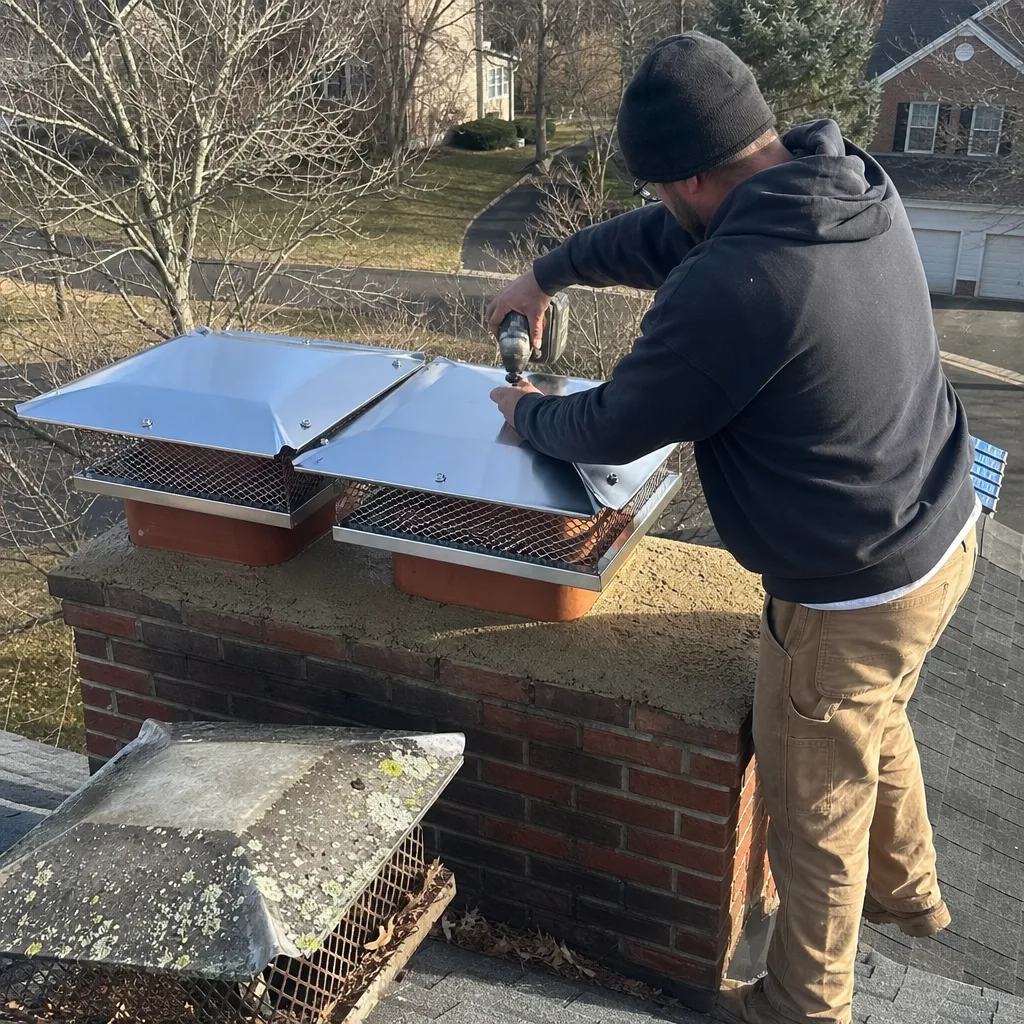
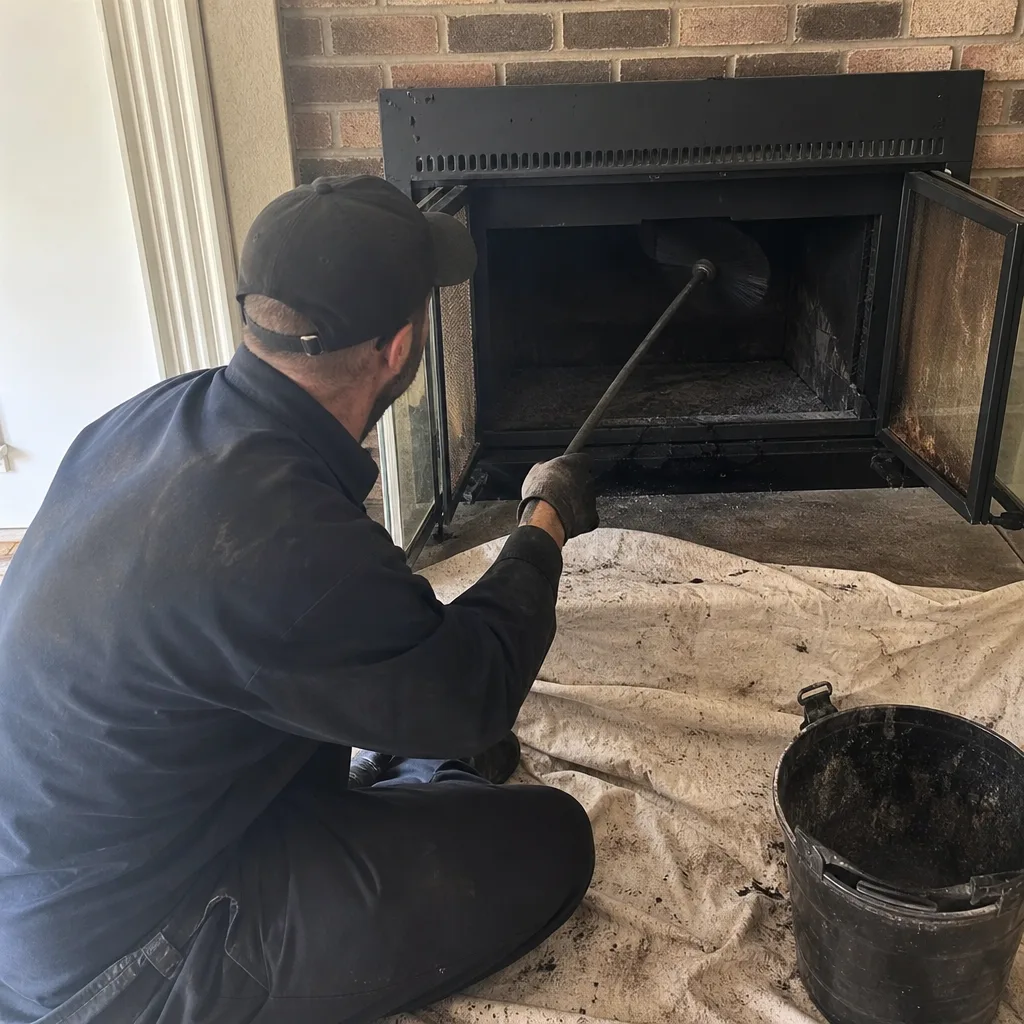
Level 1 sweep and inspection to the NFPA 211 annual standard - flue, crown, cap, and flashing checked and photographed
Chimney sweep logs do not sweep chimneys. They loosen some creosote - which then falls where a brush and vacuum still have to collect it.
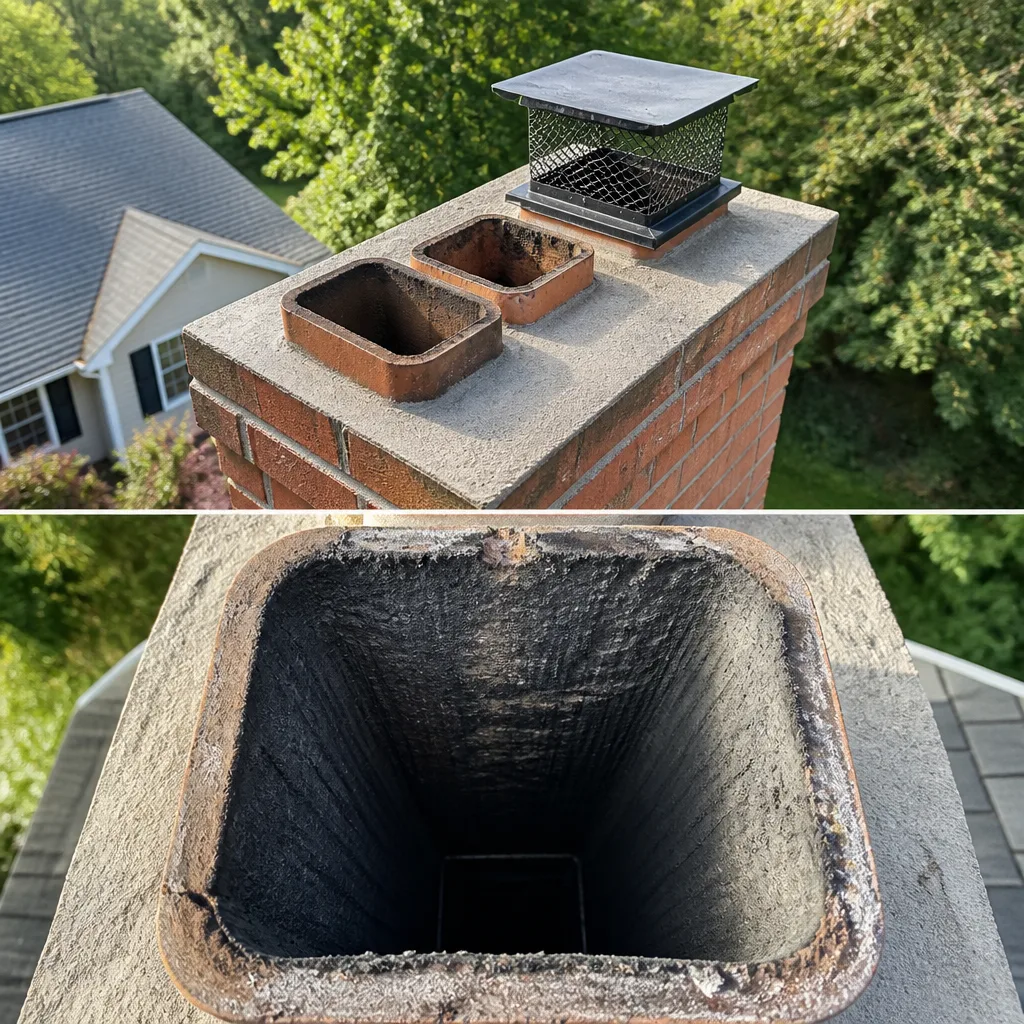
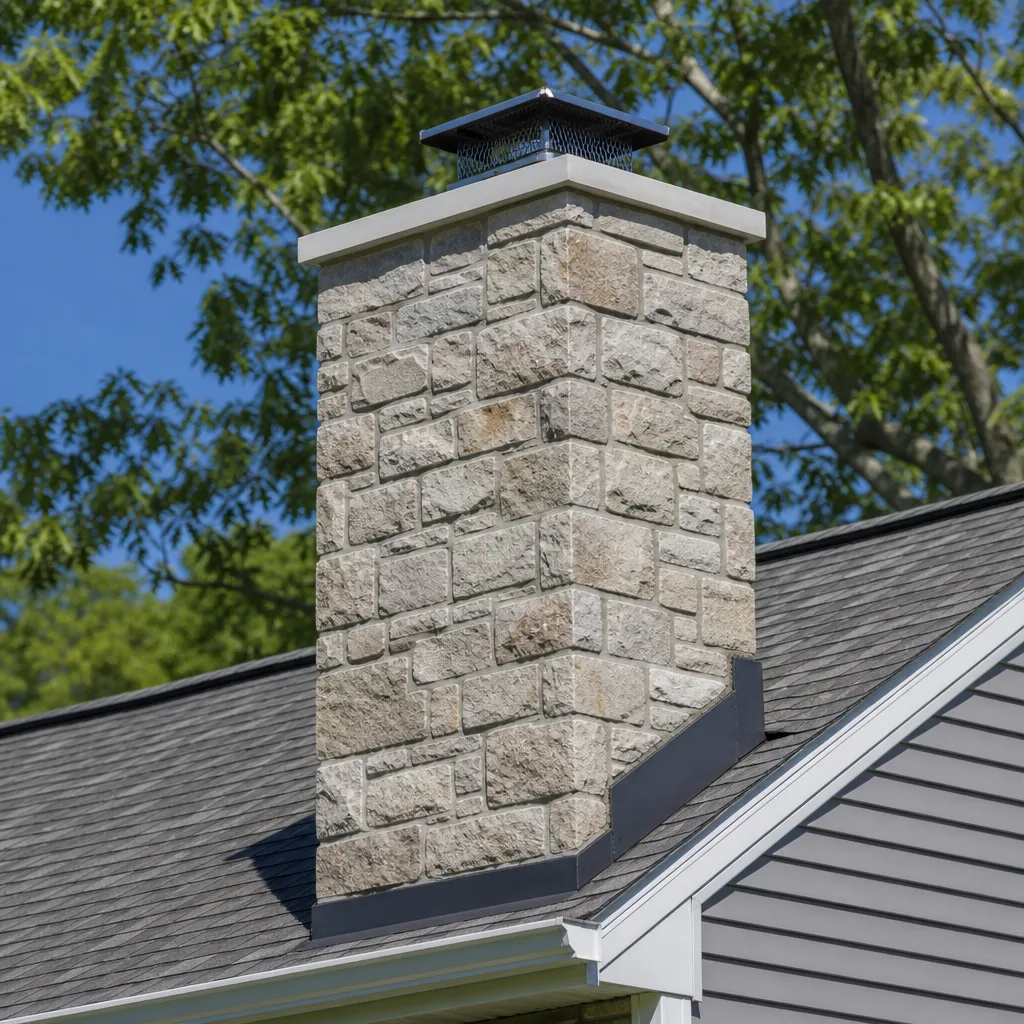
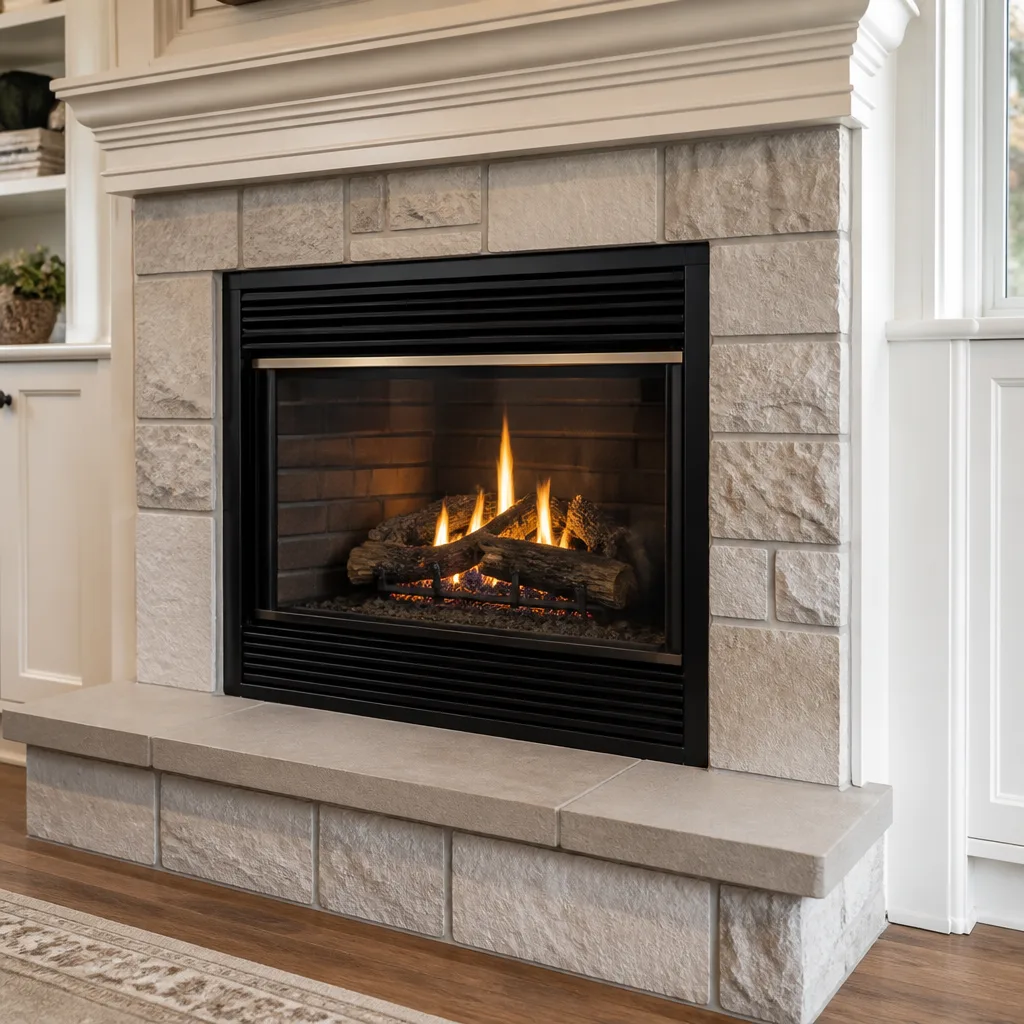
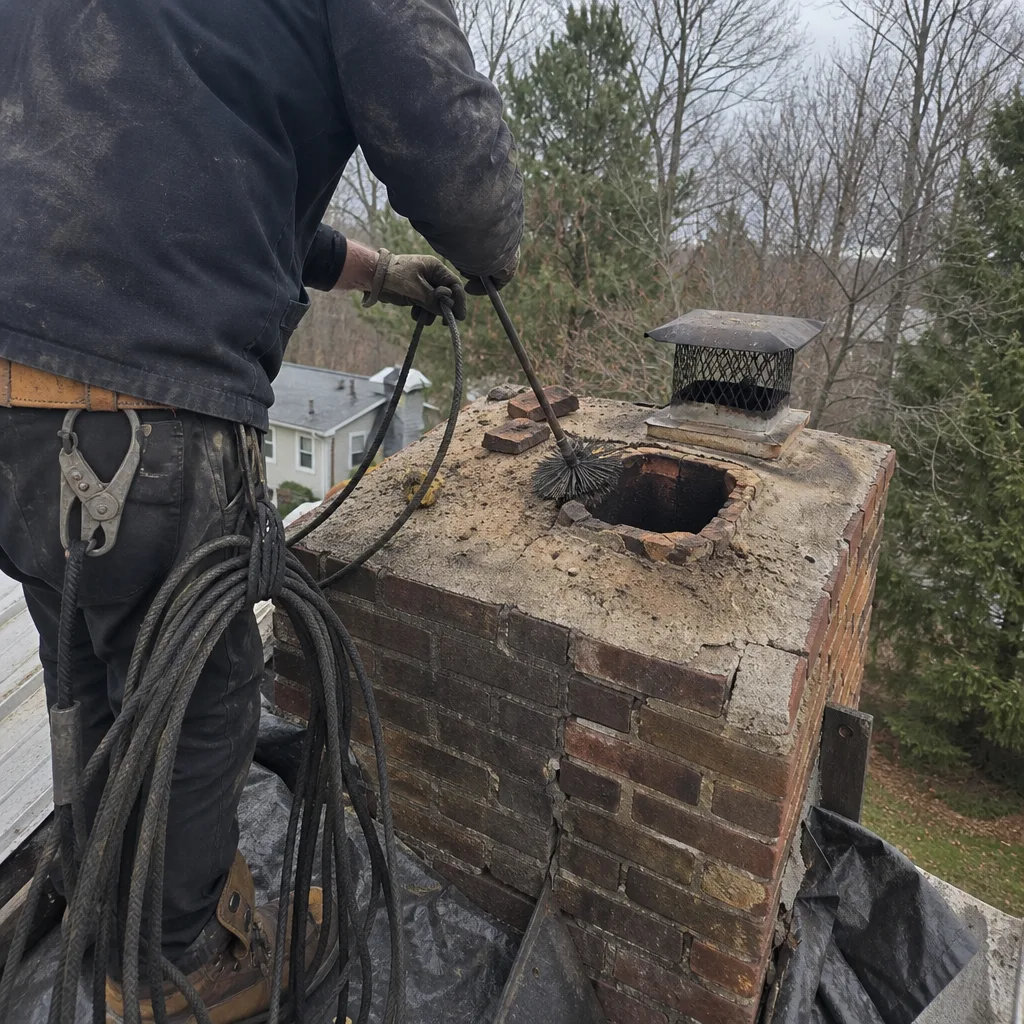 Before
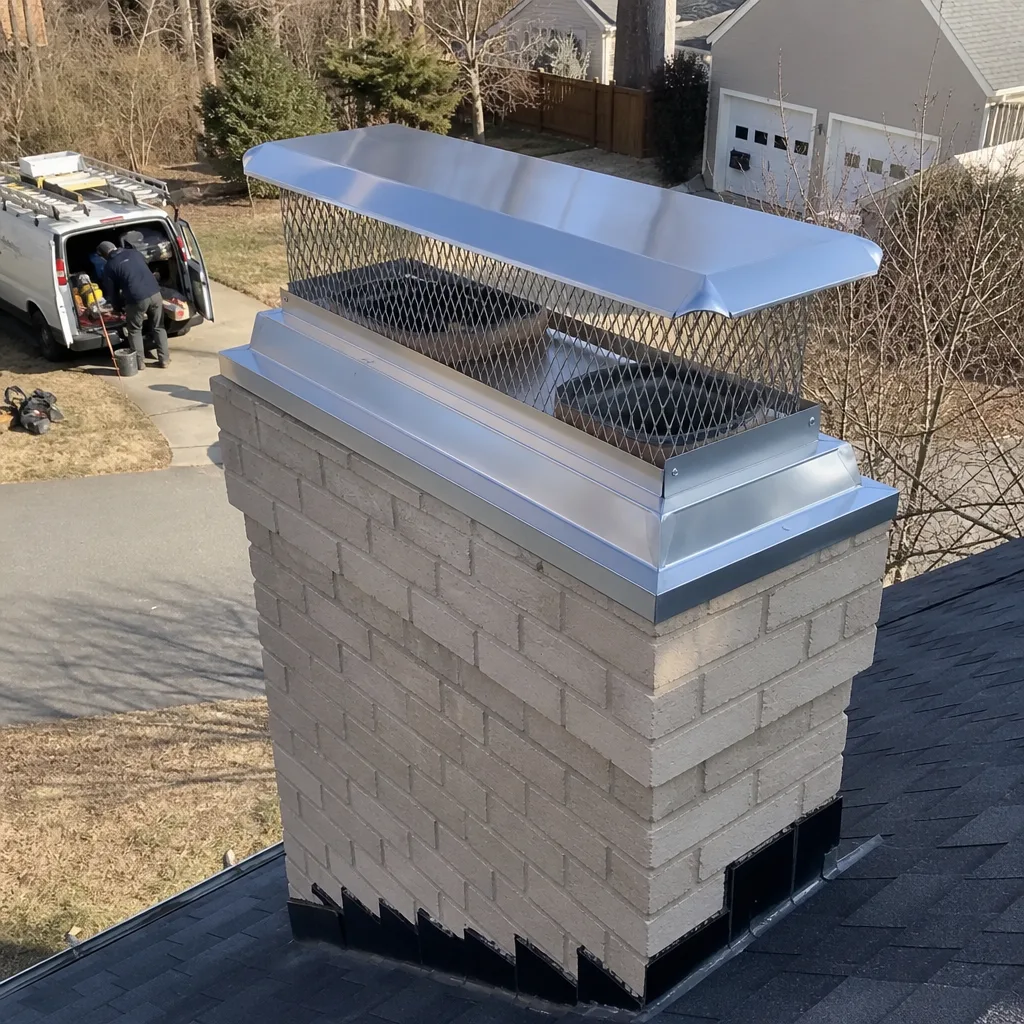 After
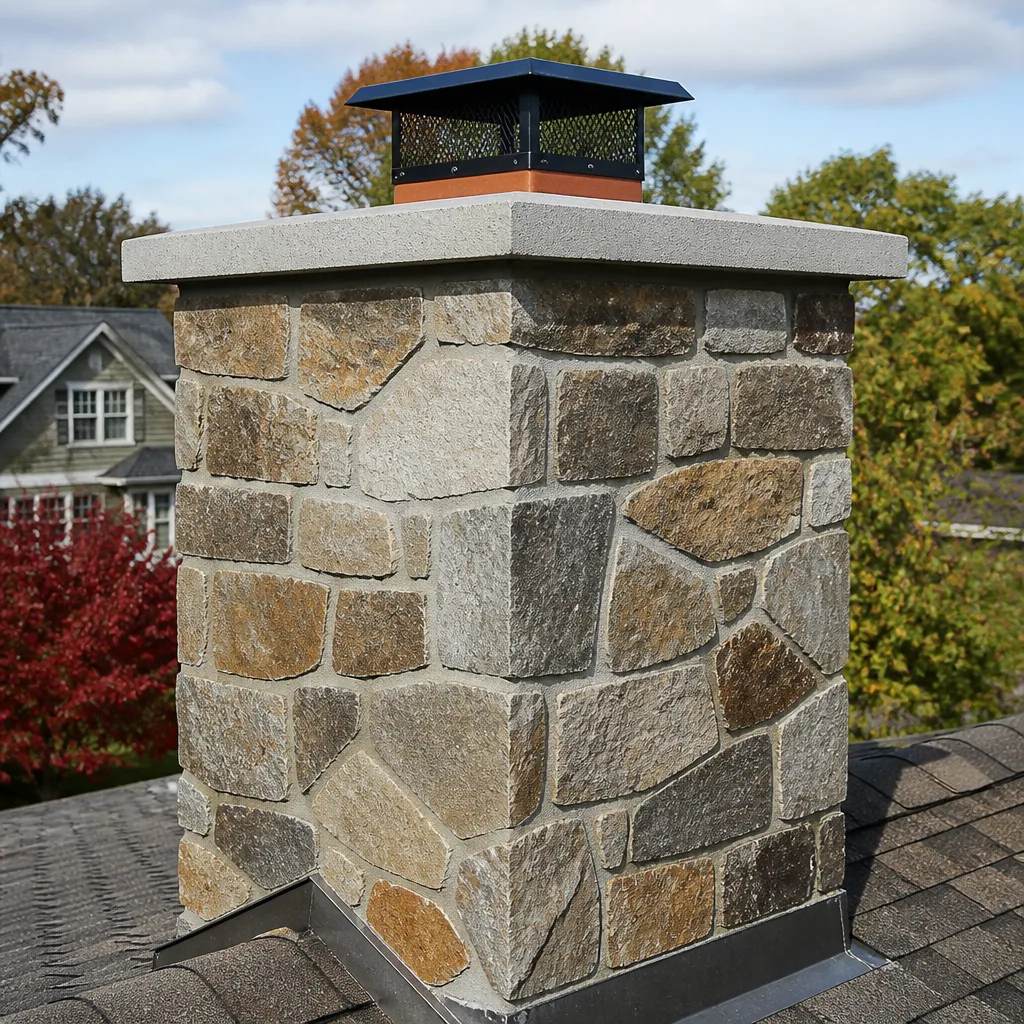
After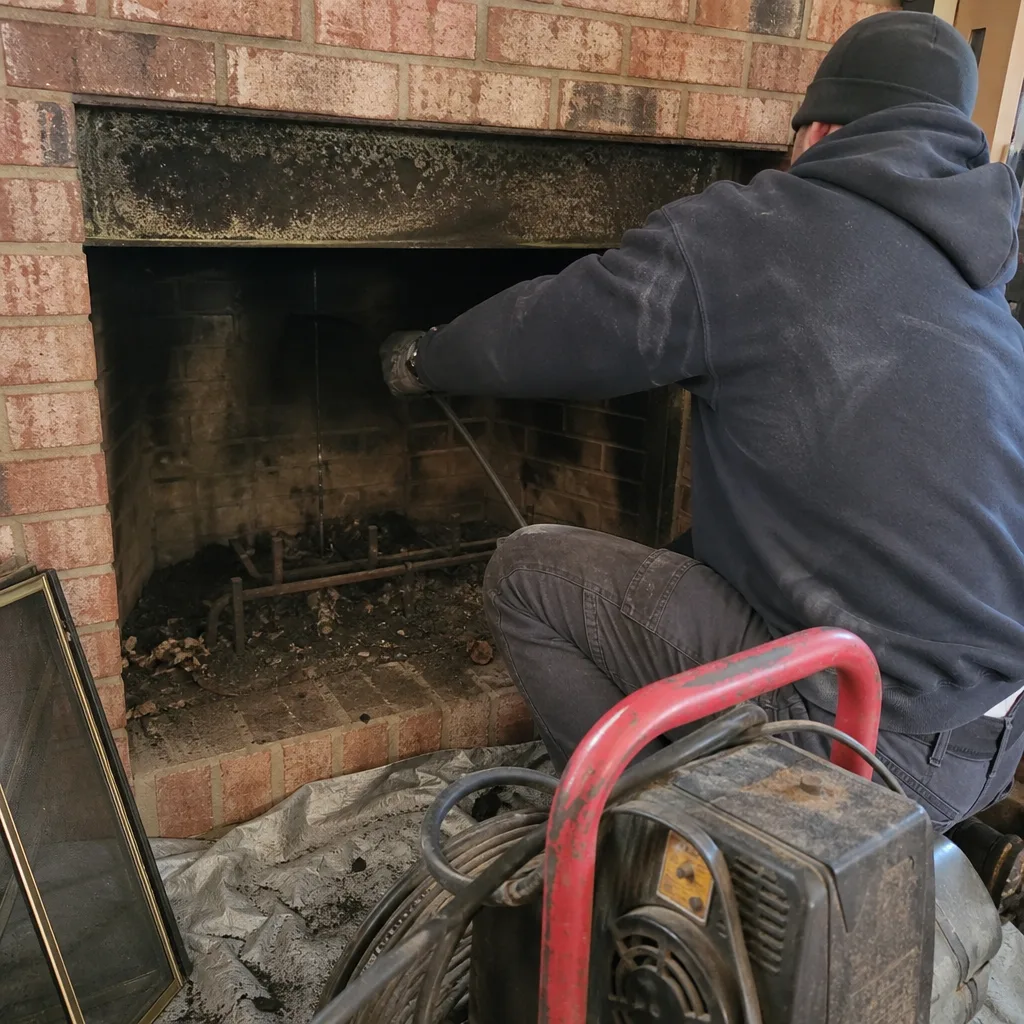 Before
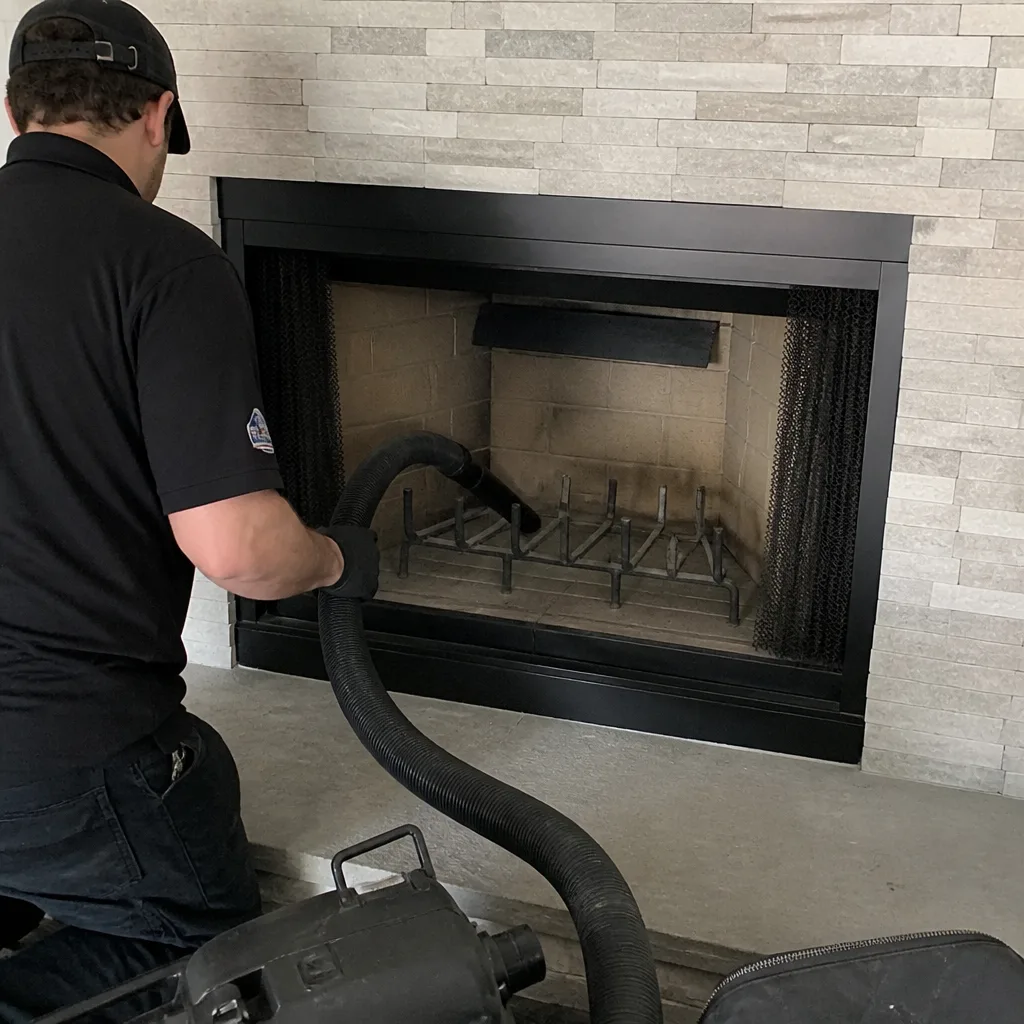 After
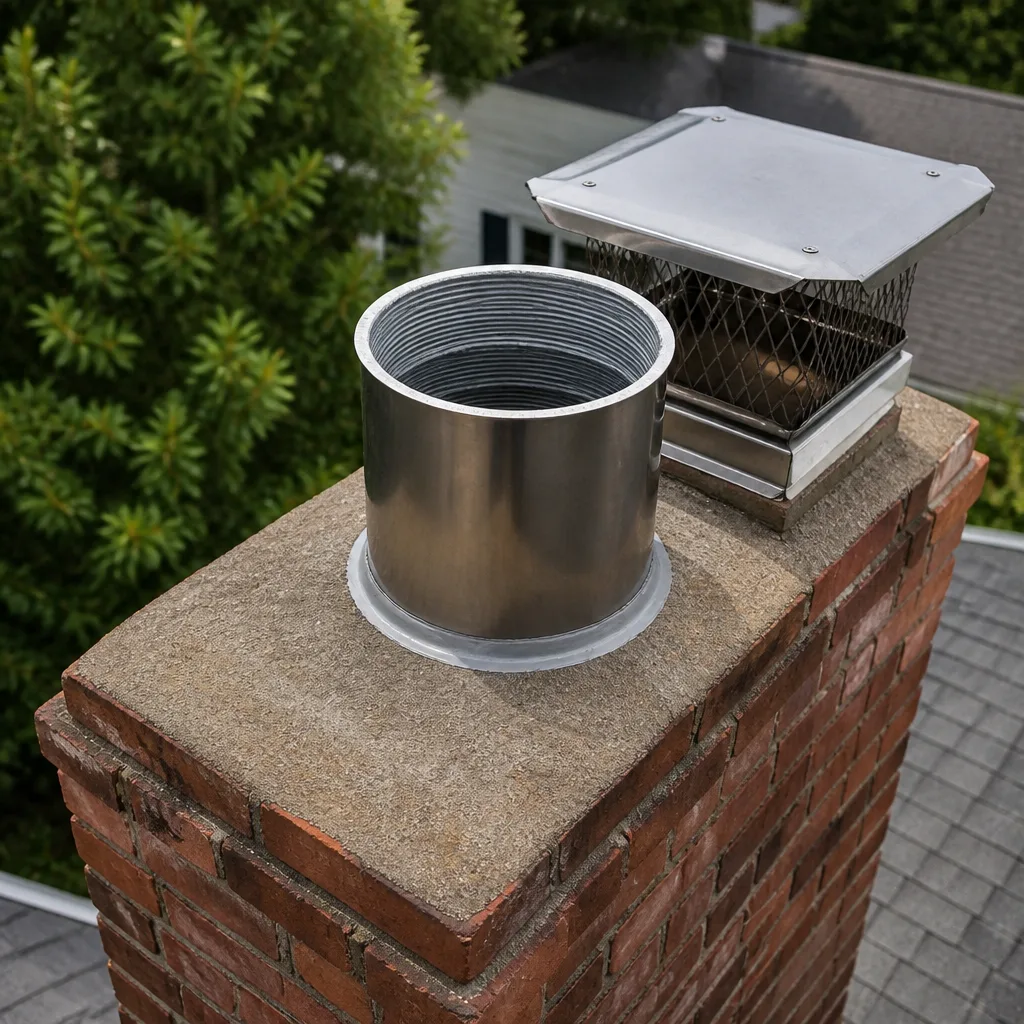
After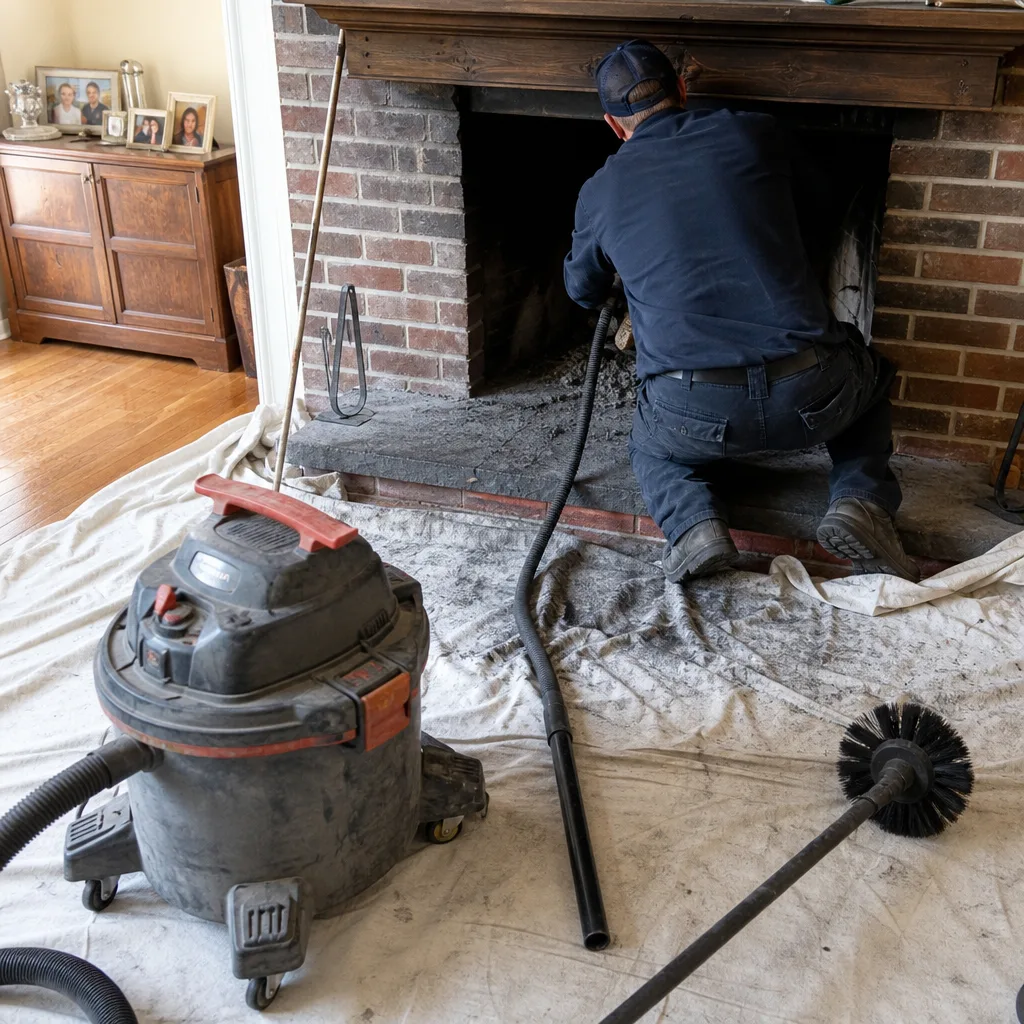 Before
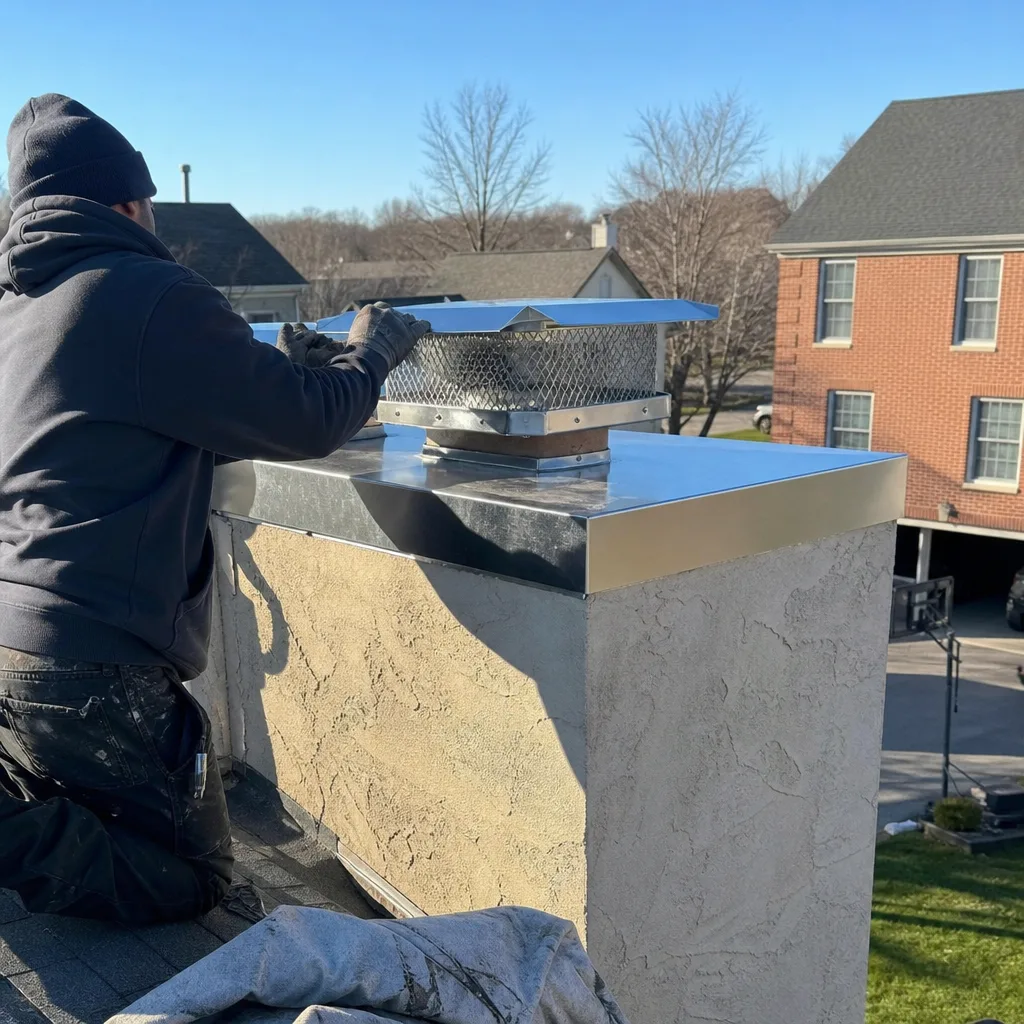 After
AfterSeasonal Chimney Cleaning Care for Leesburg: Year-Round Homeowner’s Guide
Leesburg averages more than 40 freeze-thaw cycles every winter. Each one is a stress test applied to your chimney’s masonry crown, and those tests don’t stop when you close the damper in March. Water works through hairline cracks all summer, widening them before you ever light another fire. This guide lays out what happens to a chimney in each of the four seasons here, what to check, what to defer, and what to fix before it becomes a structural problem you can’t ignore, with more guides & resources available on our blog. We’ll walk through how often to sweep, what a camera scan actually shows, and what a written warranty expects you to do between visits.
Quick Answer
A chimney in Leesburg needs a camera-scan inspection once per year, ideally before the first fire of fall, plus seasonal checks of the crown, cap, and flashing in spring and summer. Creosote accumulation depends on burn frequency: a household burning twice weekly through winter should budget for one sweep per year; daily burners often need two. The cheapest season to schedule is late spring, when crews are available and pricing is most flexible.
Table of Contents
- Winter: What Actually Happens Inside an Active Flue
- Spring: The Post-Season Structural Audit
- Summer: Nesting Season and What a Cap Does
- Fall: The Pre-Season Camera Scan
- The Four Water Entry Points and What They Cost to Fix
- Seasonal Maintenance and Your Written Warranty
- What Seasonal Chimney Care Costs in Leesburg
- Common Mistakes to Avoid
- When to Call a Professional
- Frequently Asked Questions
- The Bottom Line
BeforeAfterWinter: What Actually Happens Inside an Active Flue
You’re burning three or four nights a week. The flue liner is doing its job, routing smoke and combustion byproducts up and out. But what’s left behind is the thing that matters next fall.
Creosote forms when smoke cools as it rises and condenses on the flue walls. Wood type, air supply, and flue temperature determine how much is deposited. A household burning seasoned oak with the damper fully open and a well-drawn flue will produce far less than one burning unseasoned wood with the damper feathered shut to stretch the burn. But both are producing creosote.
At Level Two Chimney Leesburg we classify creosote by the NFPA system, and it matters for timing:
- Class I: A thin, dusty soot layer. Removable with a standard rotary brush. Typical for a single season of moderate burning.
- Class II: A thicker, flaky layer with some adherent crust. Still brush-removable, but it means the flue is running cooler than it should.
- Class III: A hard, shiny glaze, often a quarter-inch thick or more. This is the material that fuels chimney fires. Chemical treatment and mechanical removal are both required.
Here’s the thing about a mid-season check. If you burn more than five nights a week through December and January, by February you may have built enough Class II or early Class III creosote to warrant a second sweep before March. If you burn two or three nights a week, you can reasonably wait until spring or fall. The deciding factor isn’t calendar time. It’s burn frequency, and the only way to know what’s actually in the flue is to look at it with a camera. A visual check from the firebox does not show the top third of the flue, which is where the coolest smoke condenses fastest.
One more Leesburg-specific winter variable: temperature swings. When the chimney sweep in Leesburg arrives in February and records a 70-degree flue temperature difference between the firebox and the top of the flue, we expect higher creosote deposits at the top. That’s just physics, and it’s why a top-down or roofline inspection is part of every visit.
Spring: The Post-Season Structural Audit
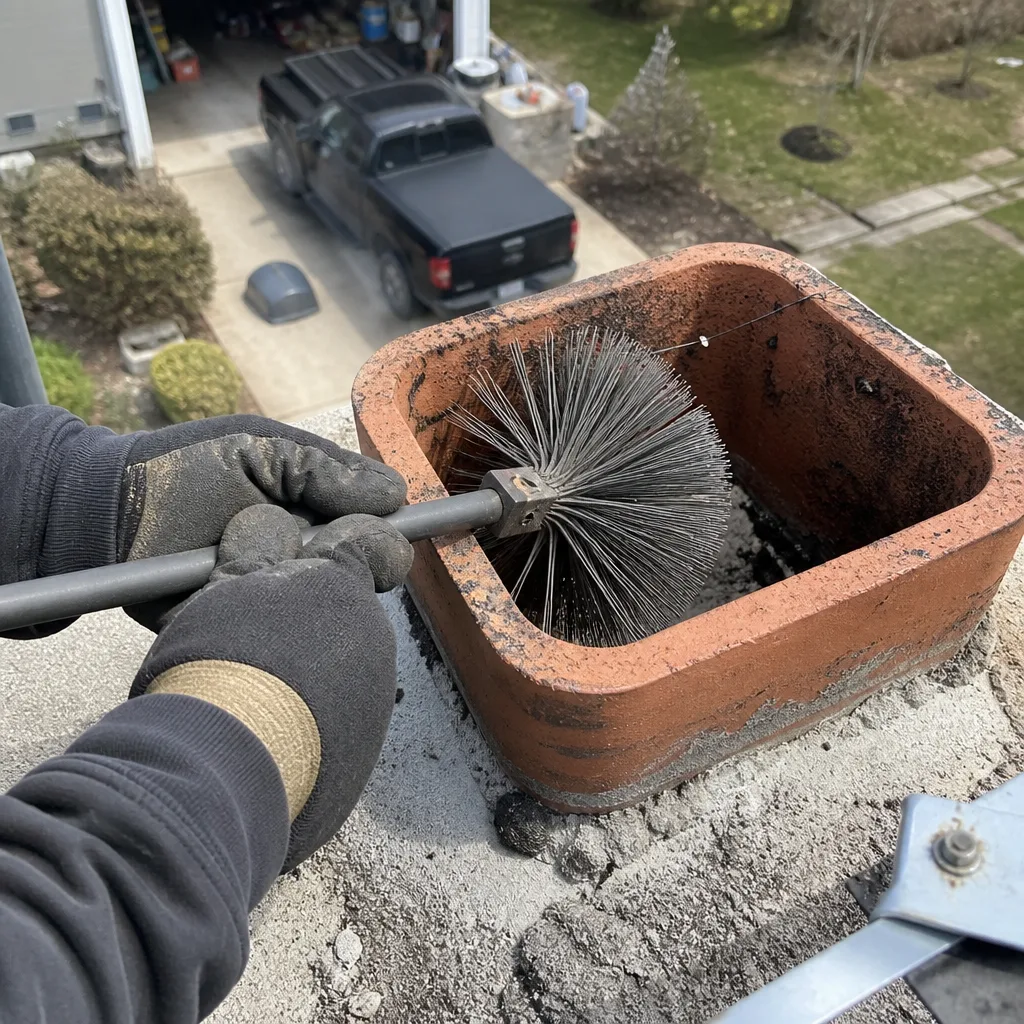
When the last fire goes out in March, the chimney enters a new phase of wear. The flue stops seeing heat cycles. The masonry starts seeing water cycles.
Leesburg’s spring rains are not heavy enough to flood a chimney, but they’re steady enough to exploit every crack in the crown and every gap in the flashing. Here’s the sequence we see every year, often on chimneys that worked fine all winter:
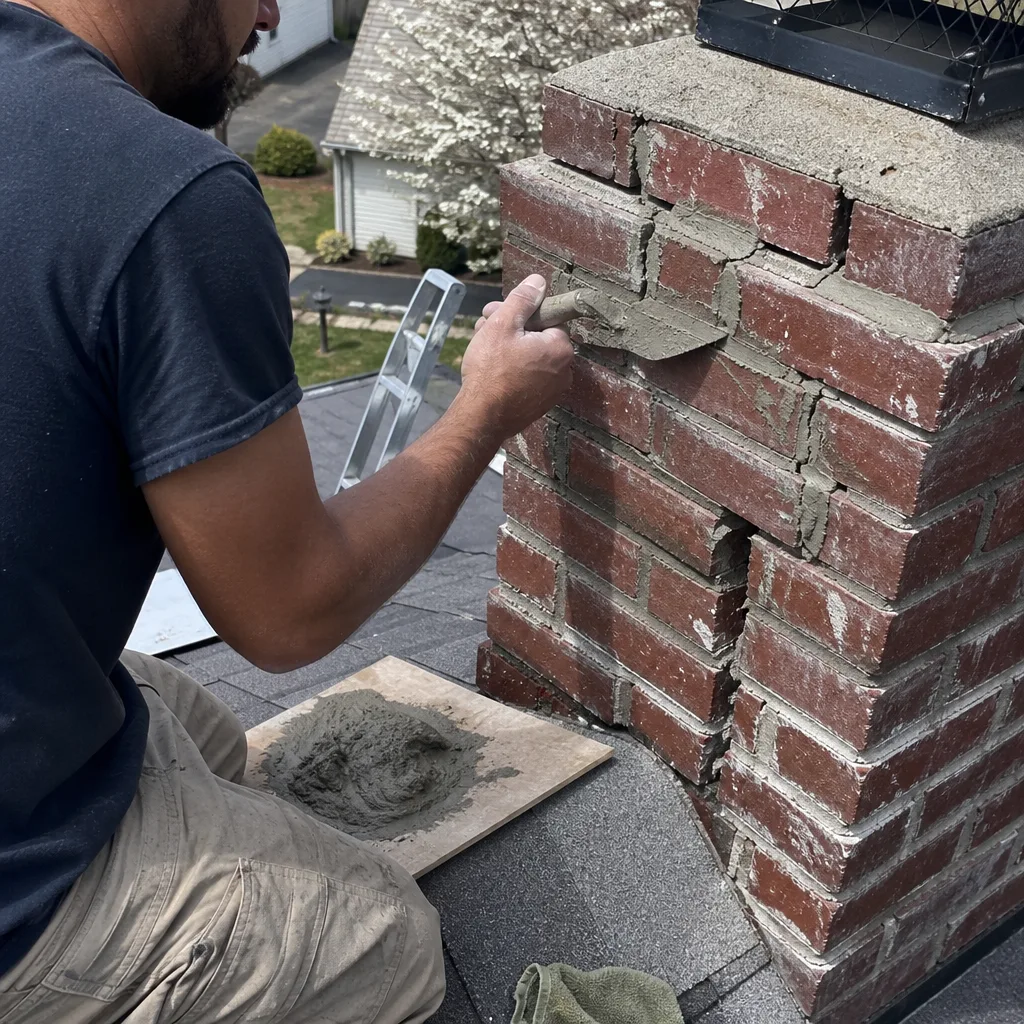
- March-April: Rainwater pools on the crown. If the crown has hairline cracks (which form under winter freeze-thaw stress), water enters the brick matrix. The brick absorbs it, then the sun dries it. Absorption and drying, repeated, stresses the masonry.
- May: The first signs of efflorescence appear: whitish mineral staining on the brick face. It means water is moving through the brick and dissolving salts in the mortar. It’s cosmetic at this point but diagnostic. Water is getting in.
- June: If the flashing at the roofline has pulled away from the chimney or the roof, the water has been running behind it into the attic space for two months. By the time you see a ceiling stain, the flashing has been leaking for at least a full season.
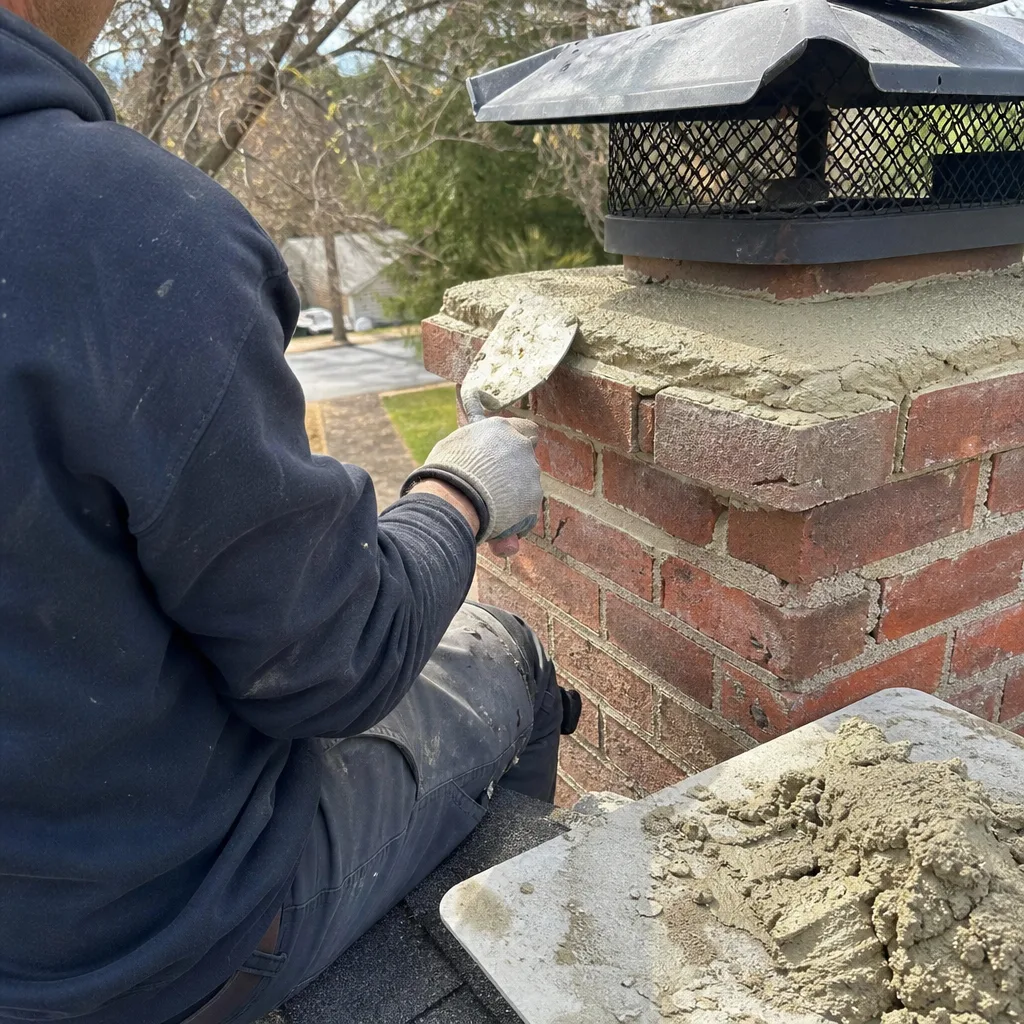
Spring is the cheapest, fastest time to fix these problems. Masonry repair in May or June costs less than in October because labor availability in Northern Virginia is higher and suppliers have the materials on the shelf. If you see hairline cracks in the crown in April and do nothing, by October those cracks have widened under another full summer of heat expansion. Repair cost goes up. More importantly, the chimney liner has been sitting in a damp flue all summer, accelerating corrosion on steel liners and spalling on terra cotta.
One thing to check yourself without climbing anything: stand in the yard after a rain and look at the chimney with binoculars. If the brick at the top of the chimney is darker than the brick below it, water is saturating that top section. That’s a crown failure. Call a sweep. It’s a chimney repair in Leesburg item, not a “wait and see” item.
Summer: Nesting Season and What a Cap Does
Loudoun County has a long warm season, and birds and squirrels don’t wait for you to close up the flue. May through August is peak nesting season, and an open flue is an invitation.
Here’s what actually happens, depending on your cap:
- No cap at all: Chimney swifts enter the flue and glue their nests to the flue liner itself. Squirrels build nests in the smoke chamber. Both are a problem: a nest is combustible, it blocks draft, and it traps carbon monoxide.
- A cap with a corroded or missing screen: The solid top of the cap is fine, but the side screen has rusted away. Birds enter through the unguarded sides. We see this routinely on caps more than seven years old. The cap looks fine from the ground. It isn’t.
- A stainless top-mount cap with a full-height screen: This is what actually excludes wildlife. The mesh prevents bird and squirrel entry while allowing proper draft. Materials sourced from Copperfield and Olympia Chimney hold up to Loudoun County’s summer humidity and winter freeze-thaw cycles better than galvanized steel.
If you hear scratching, chirping, or fluttering coming from the chimney in May or June, don’t light a fire to smoke the animal out. That is a fast way to ignite a nest and start a chimney fire. The correct move is to close the damper, contain the animal if it enters the living space, and call a chimney service to remove the nest and install a proper cap. Nest removal is a service we perform in Leesburg throughout the nesting window, and the fix is the cap, not the removal alone.
Summer is also the right season to address a rusting cap or a missing spark arrestor. With the flue cold and unused, the work is clean and quick. And by doing it in July, you avoid the September-October rush in Northern Virginia entirely.
Fall: The Pre-Season Camera Scan
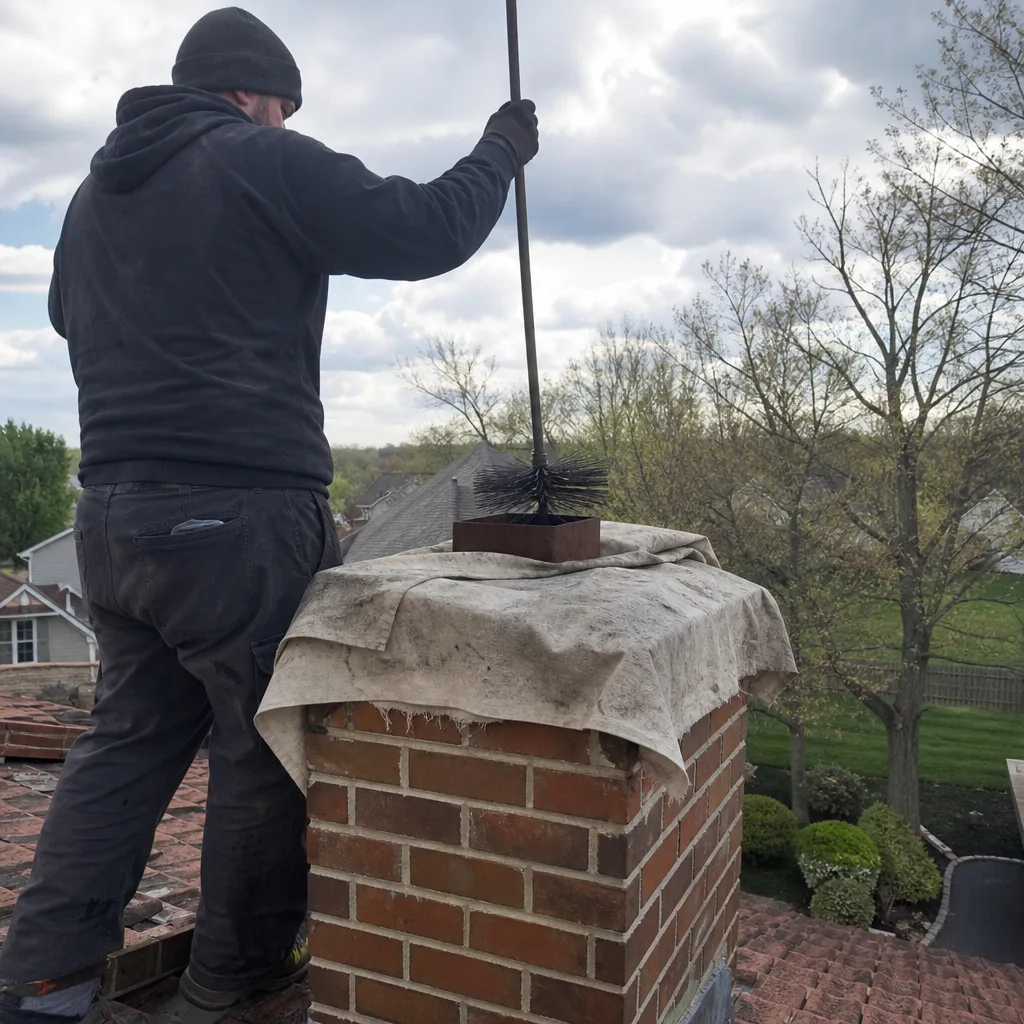
October is when every chimney company in Loudoun County is booked solid. By November, appointments spill into December. First fires go unchecked because the homeowner doesn’t want to wait, and an unchecked first fire is the one most likely to produce the smell of smoke in the house or a small chimney fire.
The solution is simple: schedule the pre-season camera scan before Labor Day. Here’s what that camera scan includes and why it matters:
- Flue inspection: The camera records the full length of the flue from the firebox to the cap. We’re looking for creosote classification, cracked or spalled liner tiles, rust-through on metal liners, and any liquid creosote pooling. The footage is part of the documented photo record you keep.
- Crown and cap inspection: A visual check from the roof, plus close-up photos of any crown cracking, cap damage, or missing screen sections.
- Firebox and damper check: Brick integrity in the firebox, damper operation, and any signs of previous water entry.
- Written report with photo attachments: You receive a written scope of what was found and what is recommended, with the photos. No recommendation is made without the camera evidence to support it.
The pre-season camera scan is a fireplace service in Leesburg we perform hundreds of times each September and October. The homeowners who book in August walk into fall knowing the flue is clean or knowing exactly what needs to be done. The ones who call in November are making quick decisions with less information.
For reference, here’s the seasonal cycle as a numbered schedule:
- Spring (March-April): Post-season crown and flashing check. Fix any water entry points while pricing is low.
- Summer (May-August): Cap inspection and wildlife exclusion. Replace corroded screens. Schedule your pre-season scan.
- Fall (September-October): Camera-scan inspection and cleaning before the first fire. Book this in summer.
- Winter (November-February): Burn seasoned wood, monitor for draft problems, and schedule a mid-season check if you burn daily.
The Four Water Entry Points and What They Cost to Fix
Water is the single most destructive force on a Leesburg chimney. Not fire, not wind, not age. Water. It enters through four specific points, each with a different fix and a different cost:
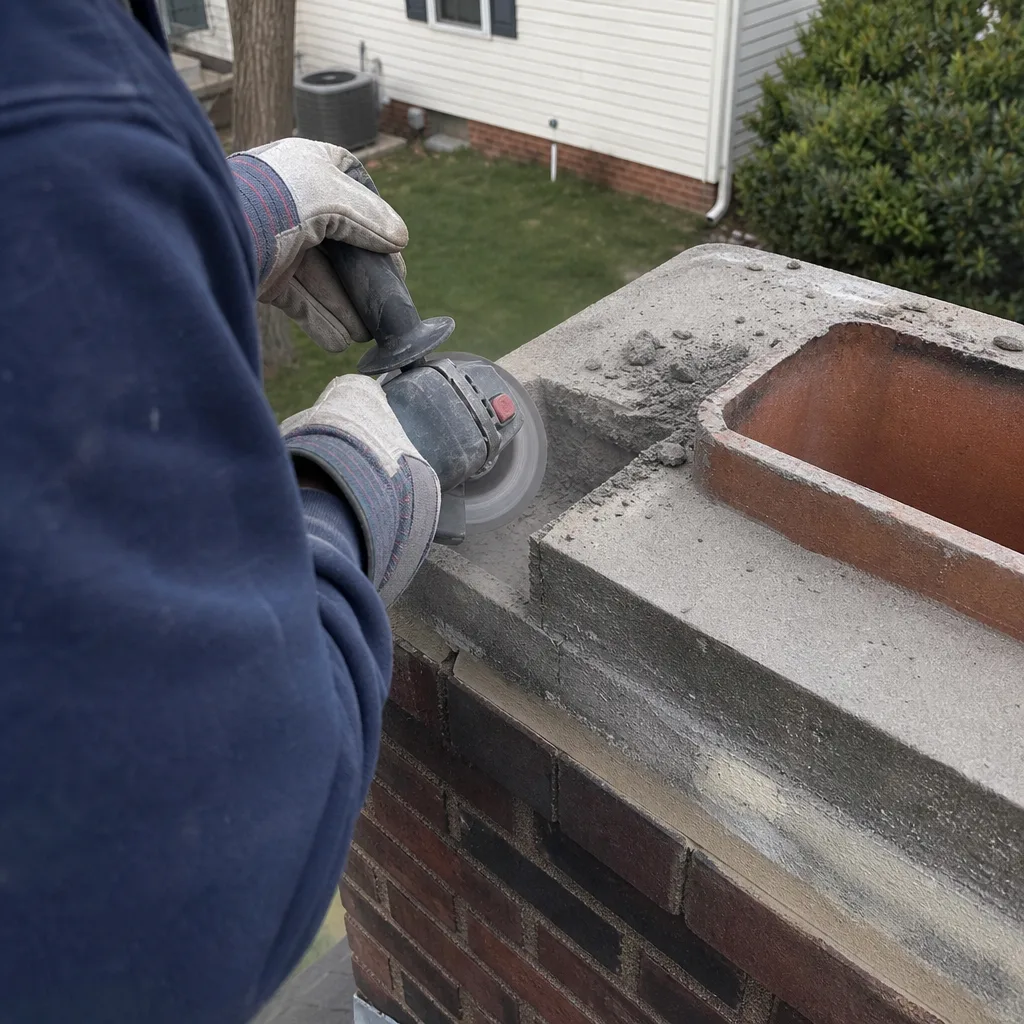
- Crown cracks (the top of the chimney): Repair with a properly sealed, flexible crown coating averaged $600-$1,400 in Leesburg this year, depending on size and crack severity. A full crown rebuild runs higher.
- Flashing failure (where chimney meets roof): Re-flashing with step and counter flashing typically runs $800-$2,200. The variable is roof pitch and chimney size. Steep roofs cost more.
- Spalling brick (water-saturated brick faces breaking away): Repointing partial face replacement runs $1,000-$2,800. Full brick replacement of a damaged section is higher.
- Cap or screen failure: A stainless top-mount replacement typically runs $450-$950 installed. This is the cheapest fix relative to the damage it prevents.
The roof flashing one is the one we see homeowners defer most often, and it’s the one with the highest hidden cost. A flashing leak you can’t see from the ground can run water into the roof deck, the attic insulation, and the ceiling drywall. By the time the stain shows up in the living room ceiling, the repair is no longer just a flashing job. It’s a flashing job plus a ceiling repair plus possible insulation replacement. The flashing itself was a $1,200 fix in April. In October, with a drywall repair added, it’s a $2,500 project. That’s the cost of deferral.
Seasonal Maintenance and Your Written Warranty
Every job Level Two Chimney Leesburg completes includes a written warranty under the Haven Standard, which aligns with Chimney Cleaning Permits, Codes & Inspections in VA: What You Need to Know. Unlike a verbal promise, a written warranty has terms, and those terms include maintenance expectations. Here’s what the warranty requires you to do between visits to keep coverage intact:
- Keep the chimney cap on and in good repair. If the cap screen tears and you ignore it, and an animal nests in the flue, a later liner failure is not covered. The warranty assumes basic care.
- Burn only dry, seasoned hardwood. Softwood and unseasoned wood produce excessive creosote, and damage caused by a chimney fire from a creosote-heavy flue is not covered.
- Schedule an inspection and cleaning at least once per year. The warranty is contingent on annual service. Not biennially. Annually. This is the same requirement most fireplace manufacturers and homeowners’ insurers expect.
- Report visible masonry damage when you see it. If the crown cracks and you fail to act, and water damage progresses into the liner, the warranty doors close quickly. A photo and a phone call keep them open.
This is the part of seasonal care that keeps your chimney’s long-term protection intact. The warranty language is written into the document you receive. It is not small print. It is the backbone of the agreement, and it is Clause 3 of the Haven Standard that requires it to be written, not verbal.
What Seasonal Chimney Care Costs in Leesburg
Here are realistic price ranges for seasonal chimney work in Leesburg as of the current year, based on what we quote and what we see from competitors:
- Standard chimney sweep and Level 2 camera scan: $250-$450. The variance is flue height, accessibility, and creosote classification.
- Mid-season Class II or Class III creosote treatment: $150-$300 additional, depending on chemical treatment product and time required.
- Crown repair with sealant: $600-$1,400. Full rebuild runs higher.
- Flashing replacement: $800-$2,200, roof pitch dependent.
- Stainless top-mount cap replacement: $450-$950 installed. Materials sourced from Copperfield or Olympia Chimney are on the upper end and worth it.
- Animal nest removal and cap install: $300-$700.
These are written-price ranges. When we quote, the price is in writing before any work begins, and it includes the scope and the warranty terms. No one at Level Two Chimney Leesburg will ever say “call for a quote.” The entire point of the Level Two Chimney Leesburg home service model is transparency, and a written price before work starts is Clause 1 of the Haven Standard. If you bring us a competitor’s written estimate, we’ll give you a second opinion at no charge.
Common Mistakes to Avoid
- Treating chimney care as a one-season task. The fall sweep is the starting point, not the whole program. If you skip the spring crown check, you’re paying for the fall sweep to find damage that could have been prevented in May.
- Believing the cap is fine because it looks fine from the ground. A corroded screen is invisible from the driveway. You need a roofline view or a camera. We’ve pulled bird nests out of chimneys where the homeowner swore the cap was intact.
- Deferring flashing repair because the ceiling stain hasn’t appeared yet. By the time it appears, the damage has spread beyond the flashing. The stain is a lagging indicator.
- Burning unseasoned wood and deferring the sweep because “it doesn’t look that dirty.” Creosote builds inside the flue, not at the firebox where you can see it. The only way to know what’s in the flue is to look at it.
- Waiting until October to book a sweep. The Northern Virginia crunch starts in September. The homeowners who call in October get a date in November or December. The ones who call in August get September.
- Assuming a warranty covers everything regardless of what you do. A written warranty has maintenance conditions. Read them. They’re in the document you received.
When to Call a Professional
Call a professional when you see water staining on the ceiling near the chimney, when you hear animals in the flue, when you see efflorescence or spalling brick on the chimney exterior, when you smell smoke in the house after the fire is lit, or when you haven’t had a camera scan in more than twelve months. Any of these is a sign that the chimney is changing, and the camera is what tells you how fast. Level Two Chimney Leesburg offers free estimates in Leesburg, and we document every recommendation with the photos to support it. Call (571) 601-3174 to schedule a visit.
Frequently Asked Questions
Annually at minimum. If you burn more than five nights per week through the Leesburg winter, plan for a second sweep mid-season or a more aggressive late-season cleaning. The NFPA 211 standard used in Loudoun County recommends inspection and cleaning as needed, which for this region means at least once per year with a camera scan.
Expect $250-$450 for a standard sweep with a Level 2 camera inspection. The range reflects flue height, accessibility, and creosote classification. If the flue shows Class III creosote, treatment adds $150-$300. Call (571) 601-3174 for a written, exact quote.
A Level 2 camera scan is a full-length video inspection of the flue using a camera system, required by NFPA 211 when the chimney has changed (new liner, new appliance, prior fire, property transfer) and recommended for every annual inspection. The camera is the only way to see the top third of the flue and the interior of the smoke chamber. At Level Two Chimney Leesburg, the camera scan is not an add-on. It’s part of every visit, and the footage is part of your documented record.
You can remove loose soot at the firebox, but you cannot safely inspect or clean the full flue from inside the house. A DIY brush from the top requires working at height, and a brush from the bottom cannot reach the full flue and does not tell you about liner condition. We recommend a professional camera scan at least annually, and a professional sweep when the flue shows any accumulation beyond Class I.
The nest is combustible, blocks draft, and can force carbon monoxide back into the house. Do not light a fire to clear it. Close the damper, keep the flue closed, and call a professional to remove the nest and install a cap with a full-height screen. Nest removal and cap installation run $300-$700 in Leesburg.
It depends on the cause. Sudden events like lightning, wind-driven tree damage, and chimney fires are commonly covered. Gradual damage from water entry, neglected flashing, or deferred maintenance is typically not. Your annual inspection record and documented photo record are the evidence you need if a claim is filed. That documentation is part of what you receive with every Level Two Chimney Leesburg visit.
The Bottom Line
Leesburg’s climate works on a chimney all twelve months, not just the ones with active fires. The crown and flashing fail under freeze-thaw cycles in winter and spring. The cap and screen fail under summer humidity and wildlife pressure. The flue accumulates creosote in direct proportion to how often you burn. If you schedule a spring crown check, a summer cap inspection, a pre-Labor Day camera scan, and use the written warranty as your maintenance guide, the chimney stays healthy year-round. If you only act in October, you’ll still get a clean chimney, but you’ll pay more for the deferred repairs and you’ll wait longer in the queue. The choice is yours. The camera doesn’t care which season you choose, but it will show you the result.
Written by Corrine Halstead, Owner at Level Two Chimney Leesburg, serving Leesburg since 2009.