
Last updated September 20, 2026
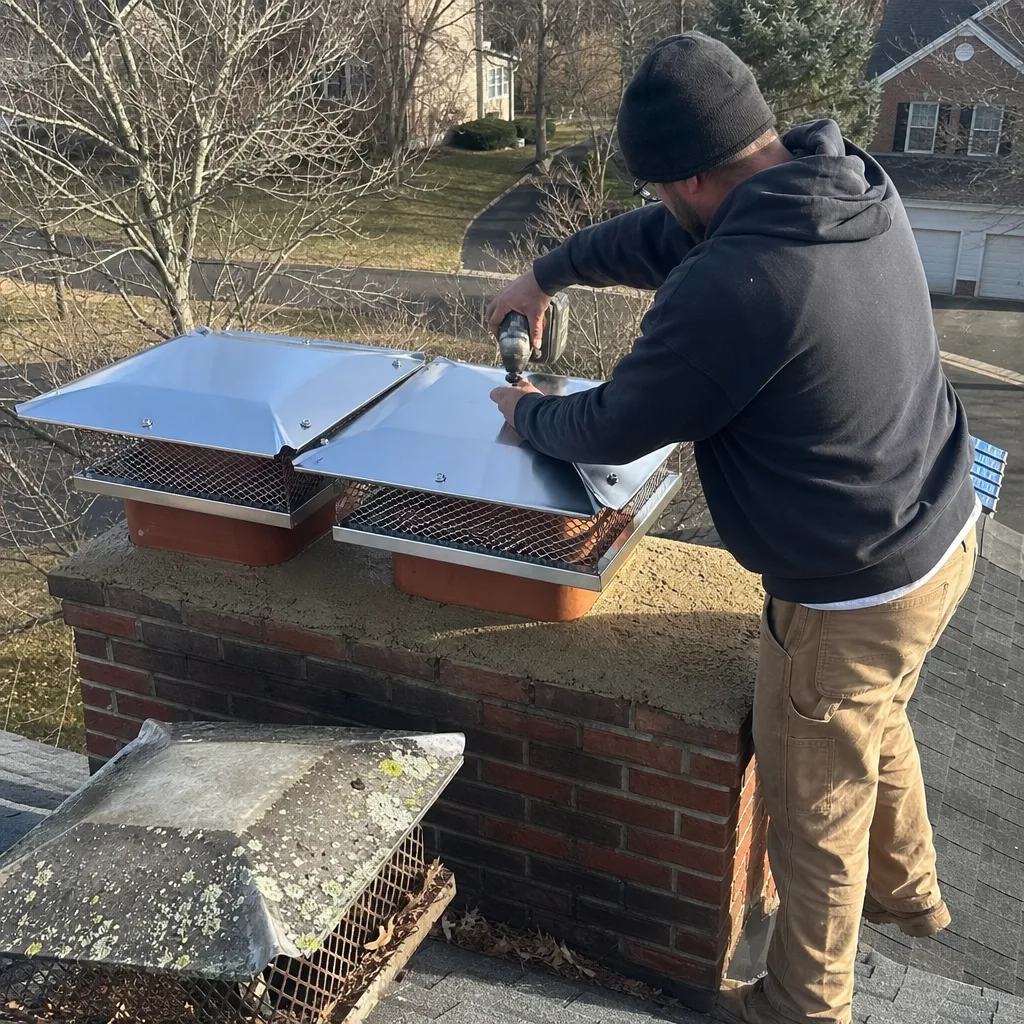
Level 1 sweep and inspection to the NFPA 211 annual standard - flue, crown, cap, and flashing checked and photographed
Chimney sweep logs do not sweep chimneys. They loosen some creosote - which then falls where a brush and vacuum still have to collect it.
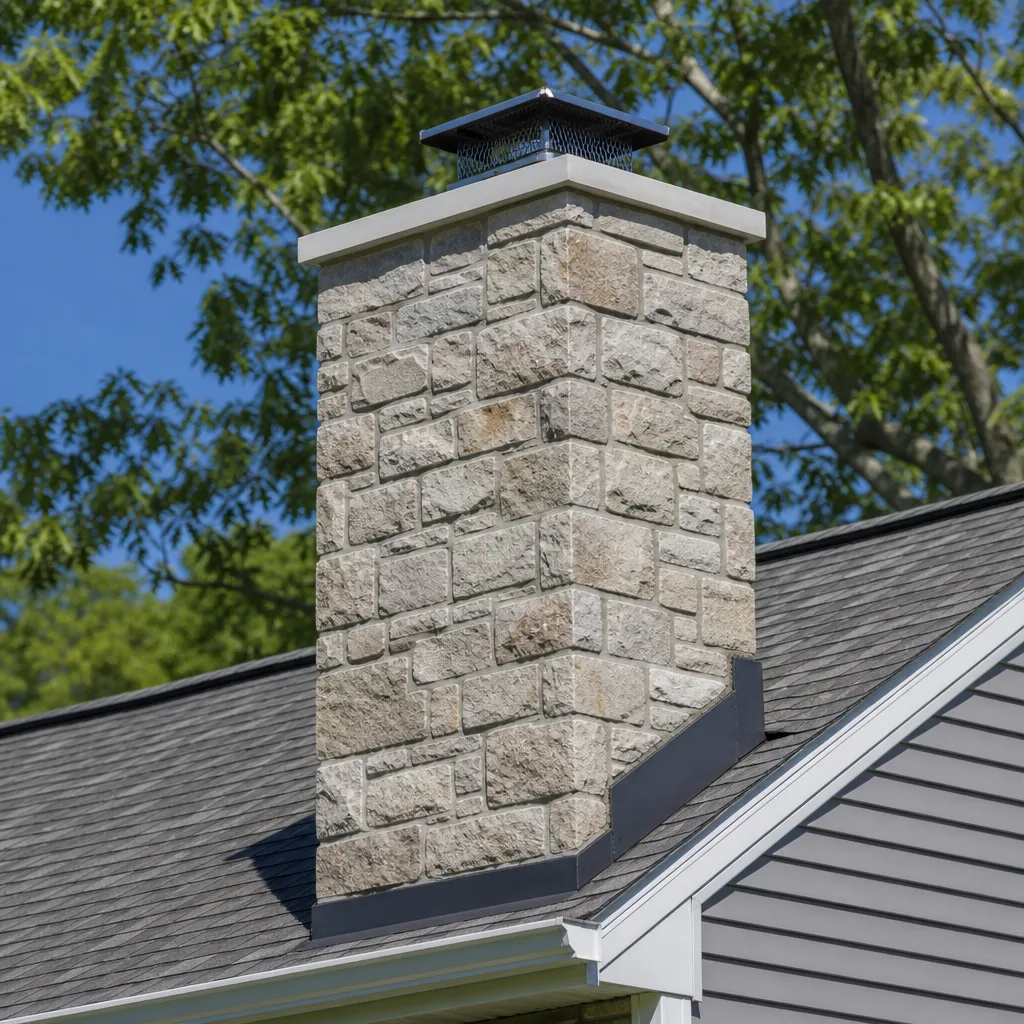
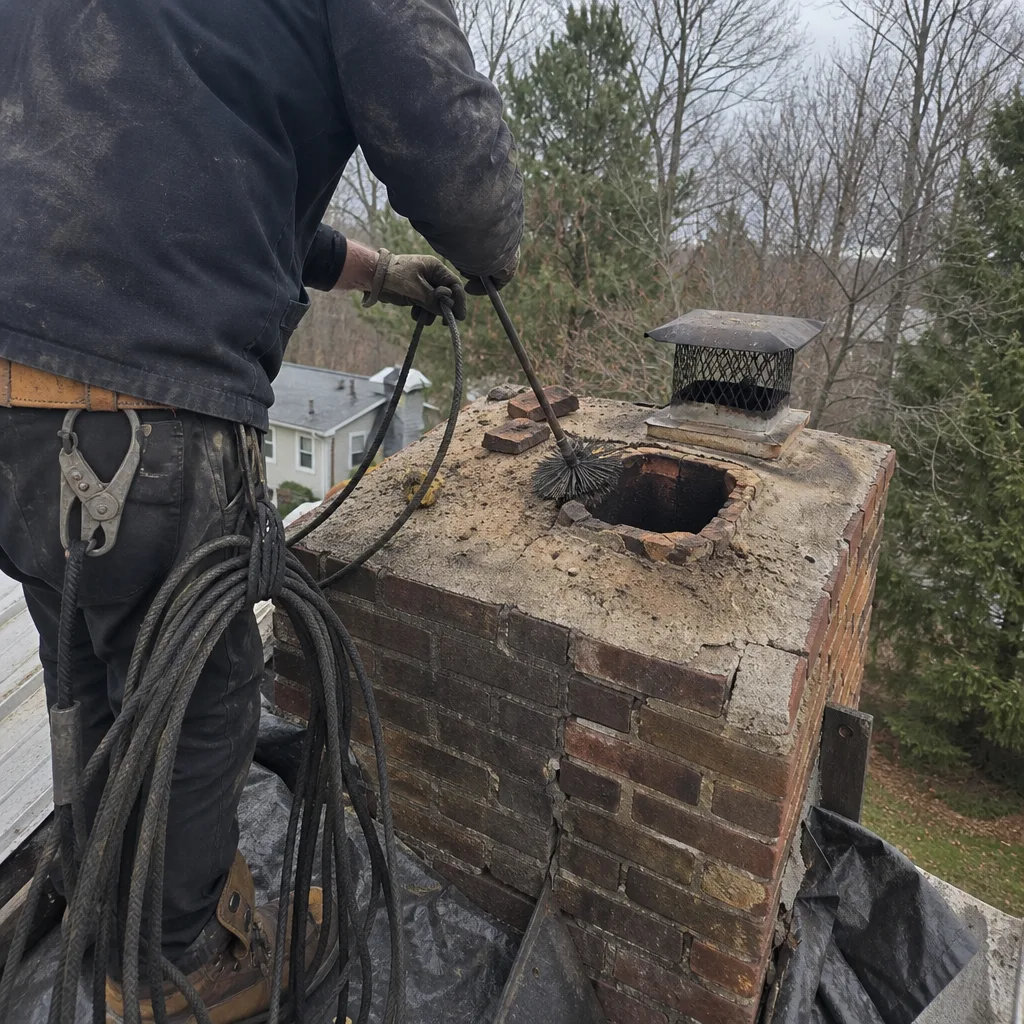 Before
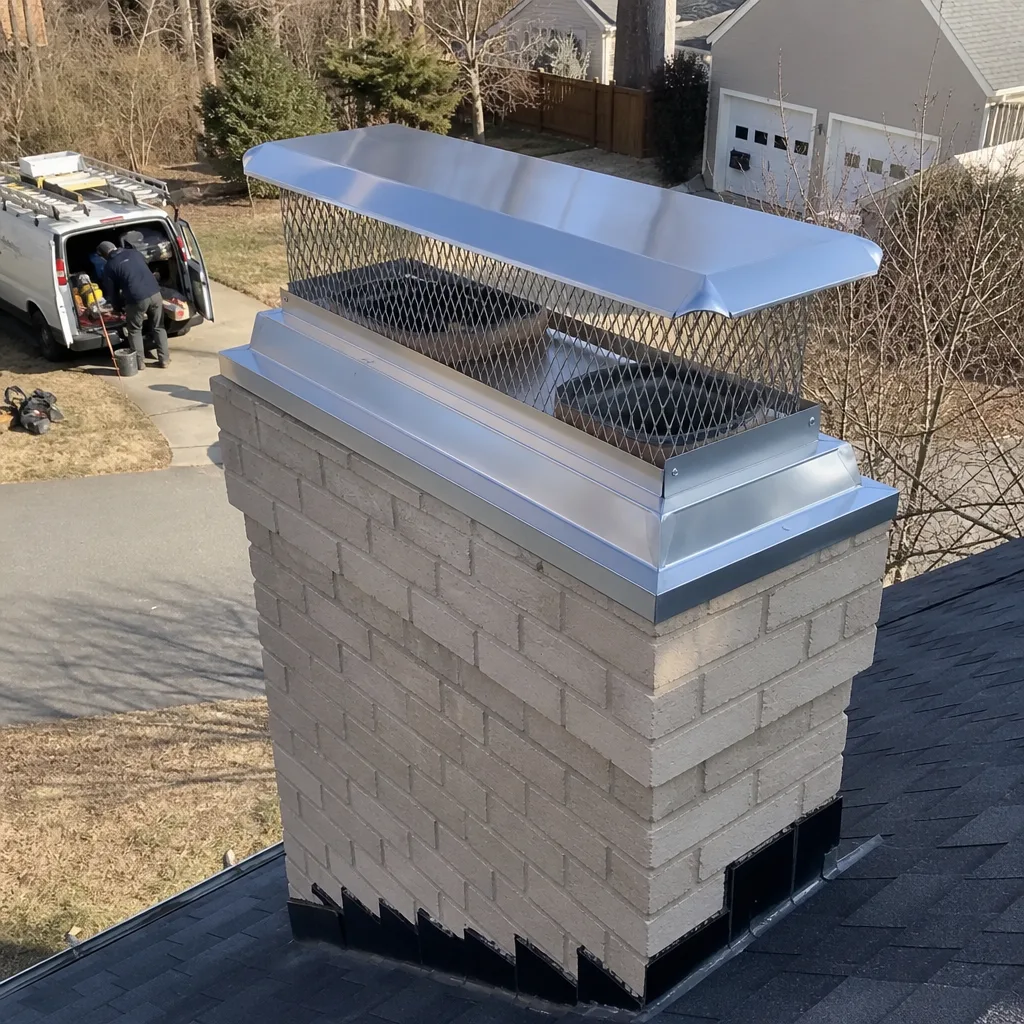 After
After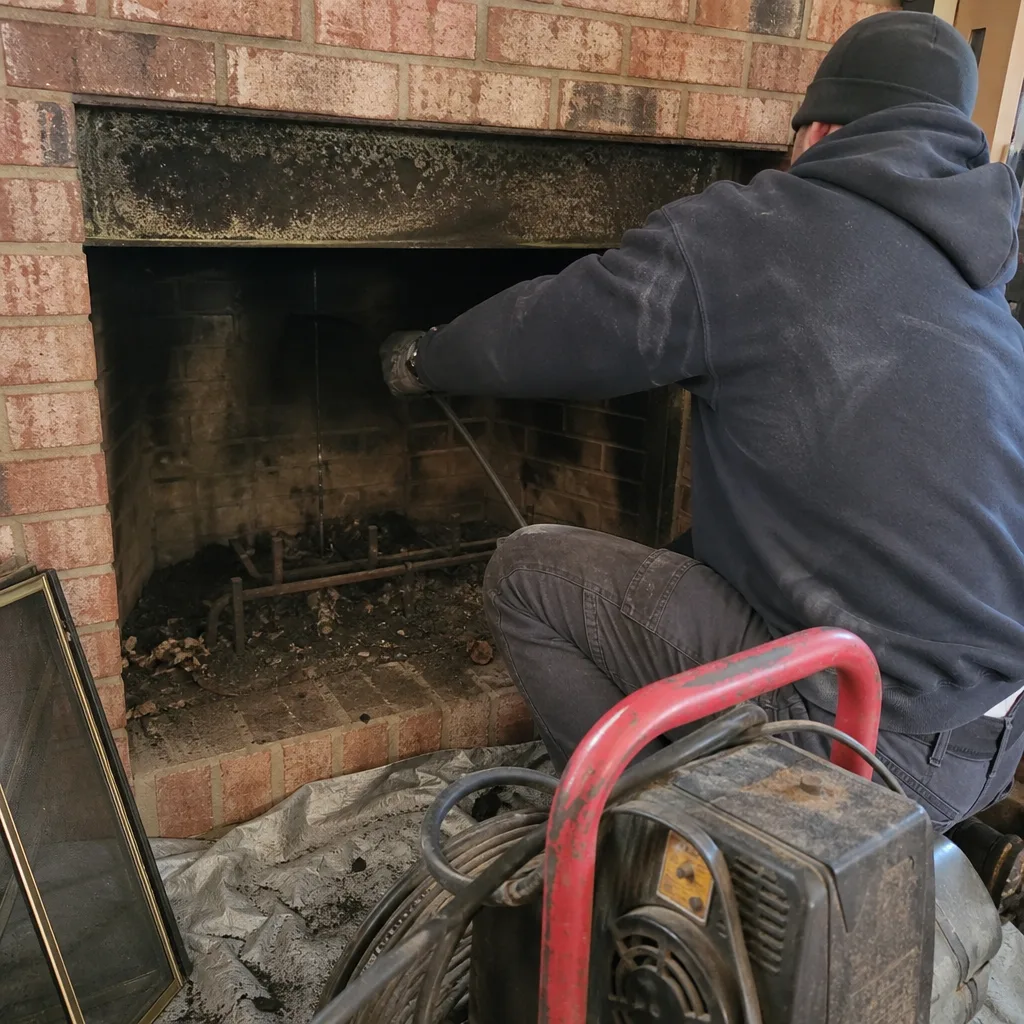 Before
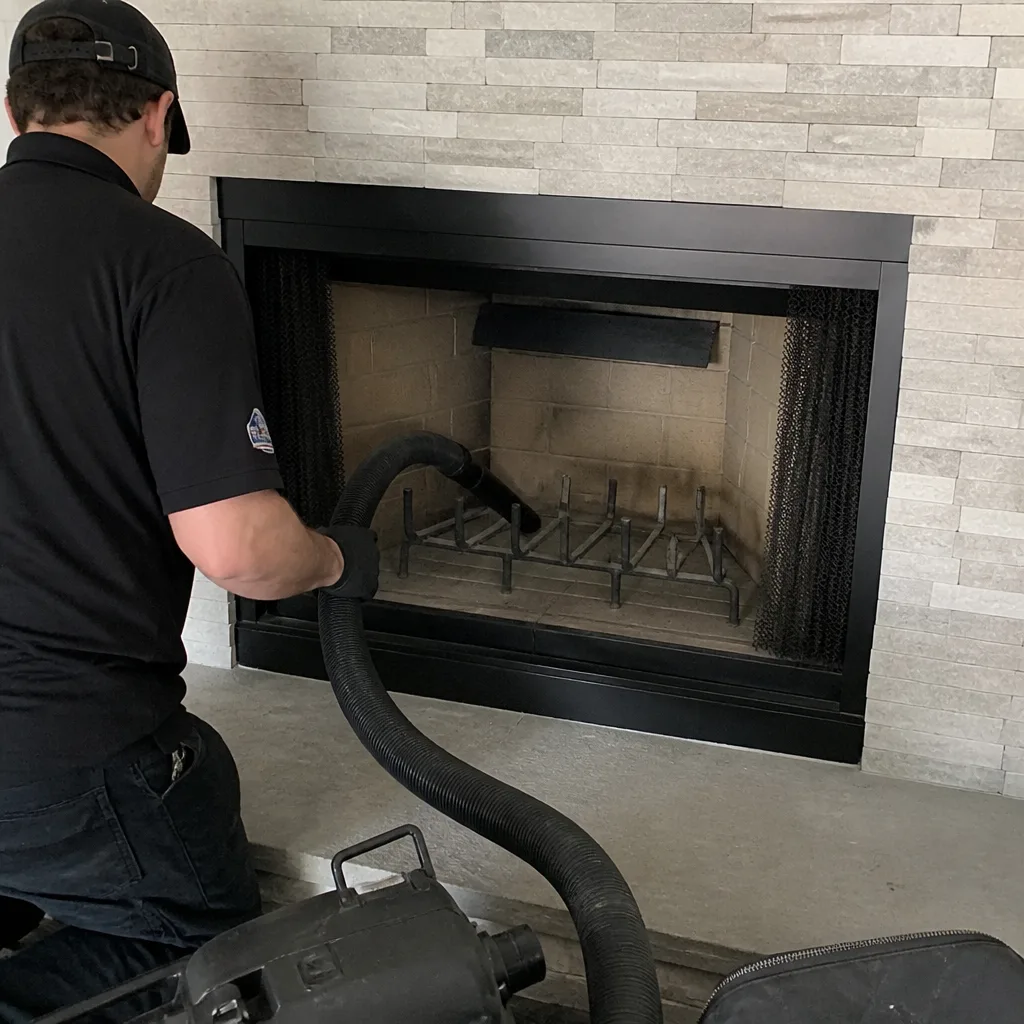 After
After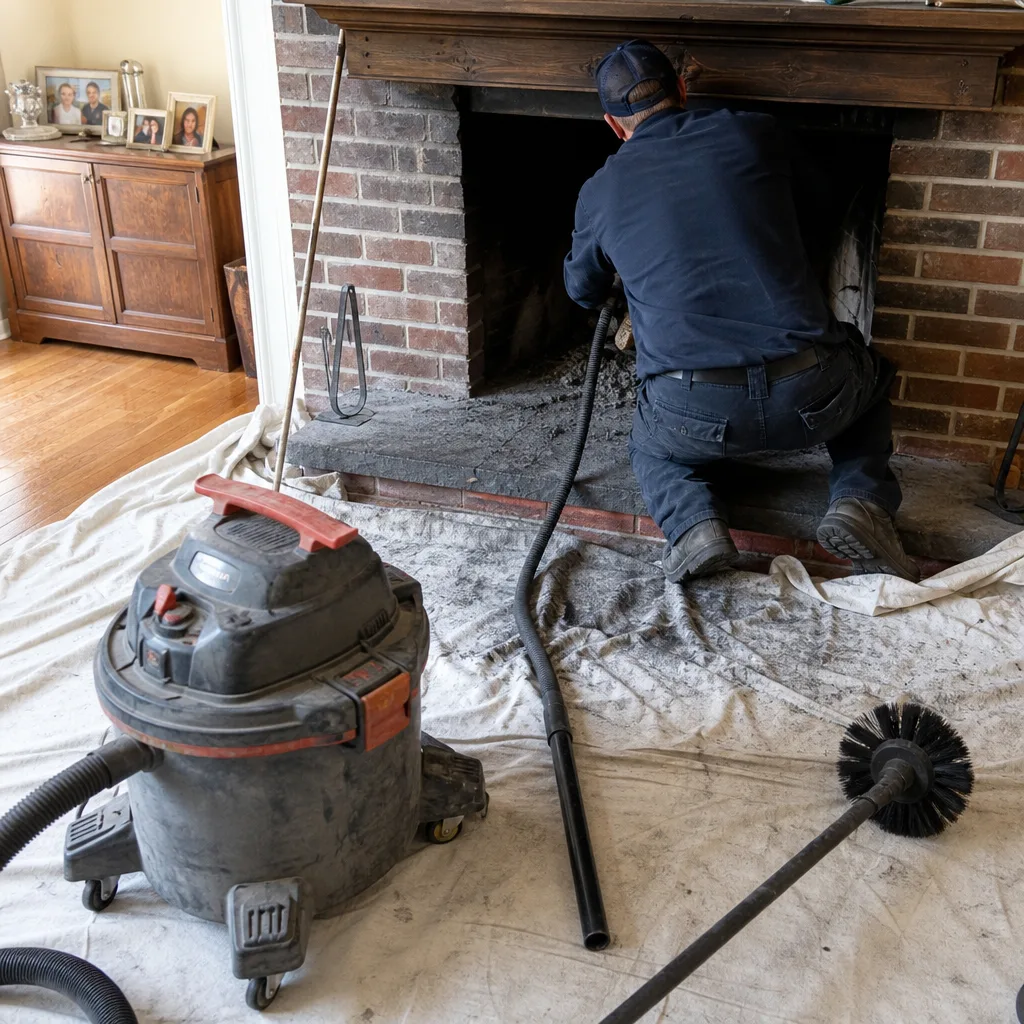 Before
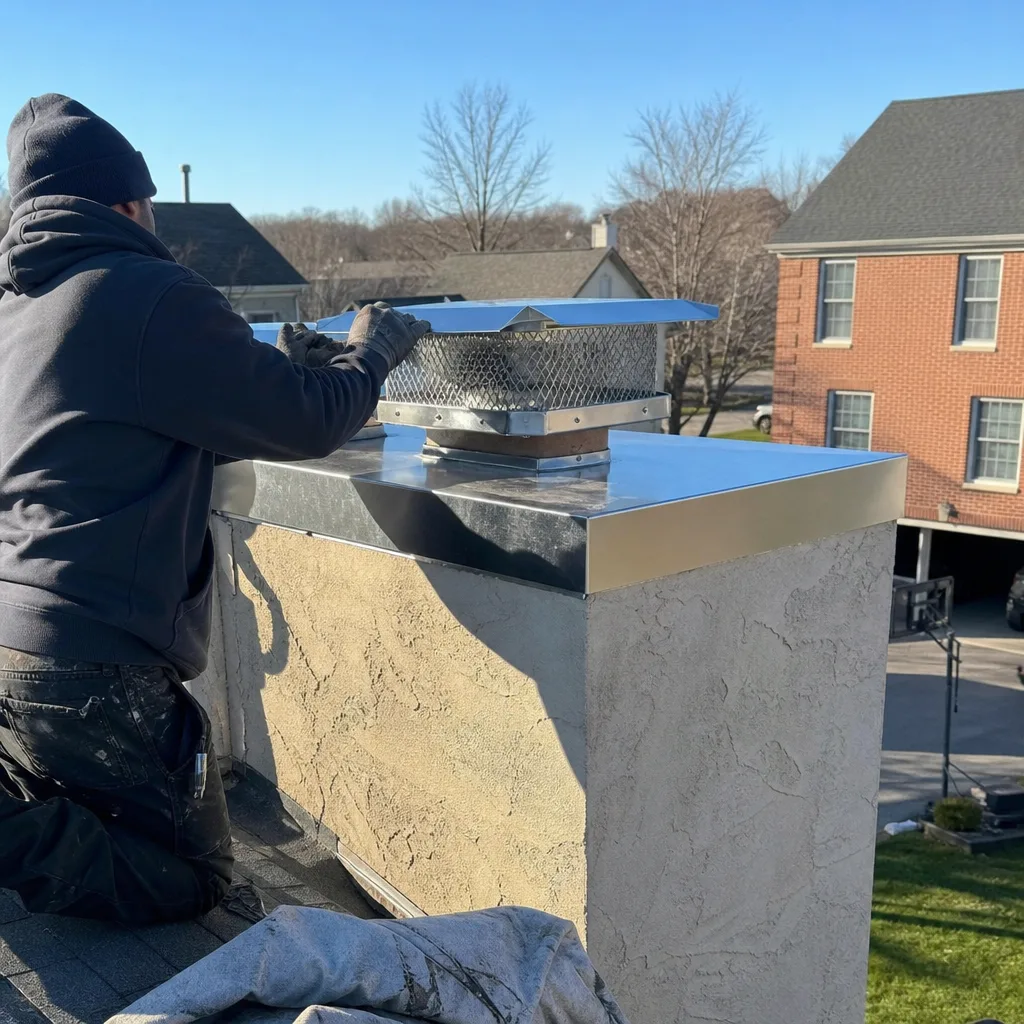 After
AfterChimney Cleaning Permits, Codes & Inspections in VA: What You Need to Know
Here’s the part most Virginia homeowners learn too late: the sweeping itself almost never needs a permit, but the liner repair, firebox rebuild, or insert installation that follows often does. And the distinction is not academic. In Loudoun County, an unpermitted chimney liner replacement is an unpermitted improvement. If a chimney fire happens in that liner, the absence of a permit is a documented gap your insurer can point to when contesting the claim, even if the repair work itself was sound. This guide walks through how Virginia’s code framework actually works, which jobs trigger a permit in Leesburg, what NFPA 211 requires of a proper cleaning, and what documentation protects you when something goes wrong. For a deeper dive, see our Complete Guide to Chimney Cleaning in Leesburg.
Quick Answer
Chimney cleaning and Level 2 camera inspections do not require a permit anywhere in Virginia. However, liner replacement, firebox rebuilds, and insert installations typically do require a mechanical permit under the Virginia Uniform Statewide Building Code, pulled by the contractor through the local county. The cleaning itself is governed by NFPA 211, which Virginia adopts through the International Residential Code. The critical homeowner task is documentation: a written Level 2 inspection report with photos is what an insurer looks for after a fire, not a verbal “looks fine” from a tech.
Table of Contents
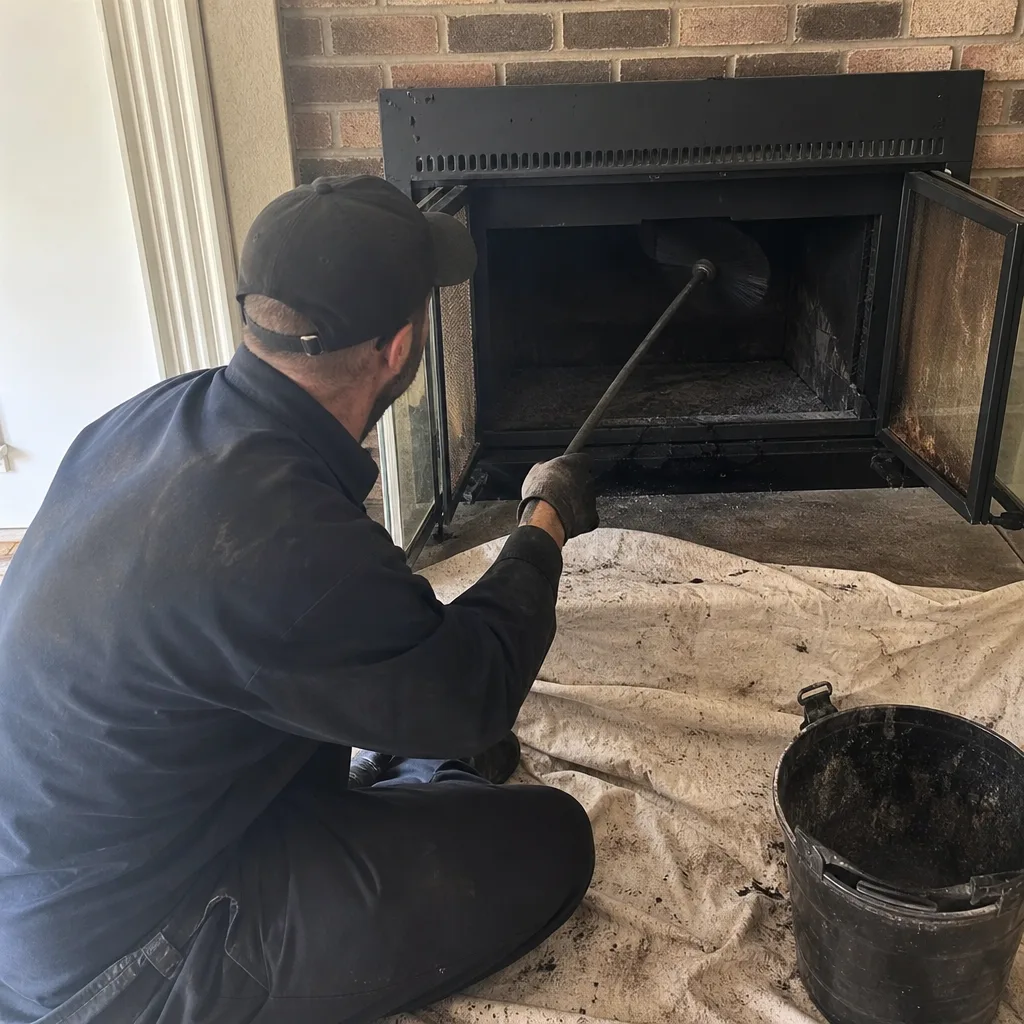
- What Actually Requires a Permit in Virginia
- How NFPA 211 Governs Chimney Cleaning in Virginia
- The Loudoun County Permit Process for Chimney Work
- What Your Insurer Actually Looks For After a Fire
- Gas Fireplace Codes vs. Wood-Burning Codes: What Gets Confused
- What a Code-Compliant Sweep Actually Includes
- Common Mistakes to Avoid
- When to Call a Professional
- Frequently Asked Questions
- The Bottom Line
BeforeAfterWhat Actually Requires a Permit in Virginia
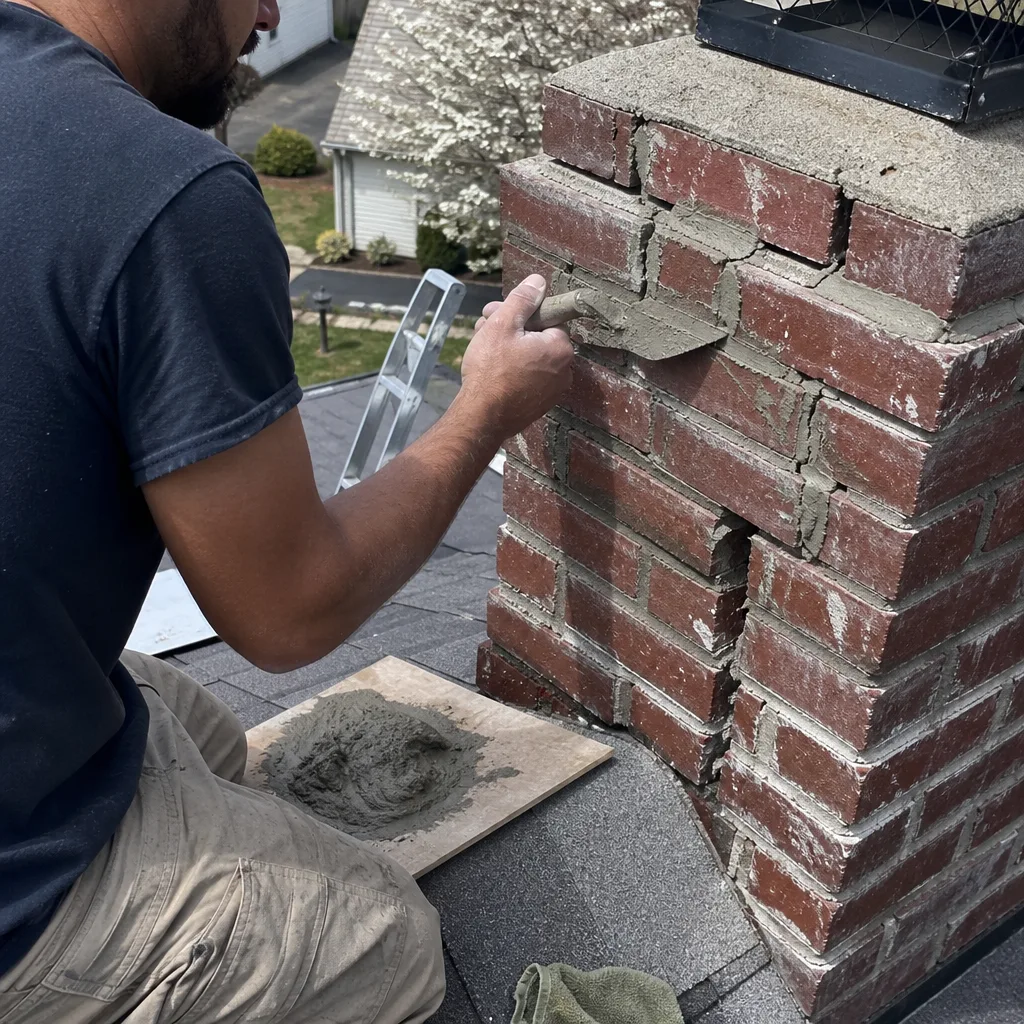
The Virginia Uniform Statewide Building Code (VUSBC) adopts the International Residential Code (IRC) with state-specific amendments. Under the IRC, routine maintenance work, including chimney sweeping and inspection, is exempt from permit requirements. But the moment a repair involves replacing a structural component, the classification changes. A flue liner replacement, a firebox rebuild, or a chimney crown reconstruction is a mechanical or structural alteration, and that means a permit.
Here’s the breakdown as it applies to chimney work in Virginia:
- Chimney cleaning and Level 1 or Level 2 inspection: No permit required. This is maintenance, plain and simple.
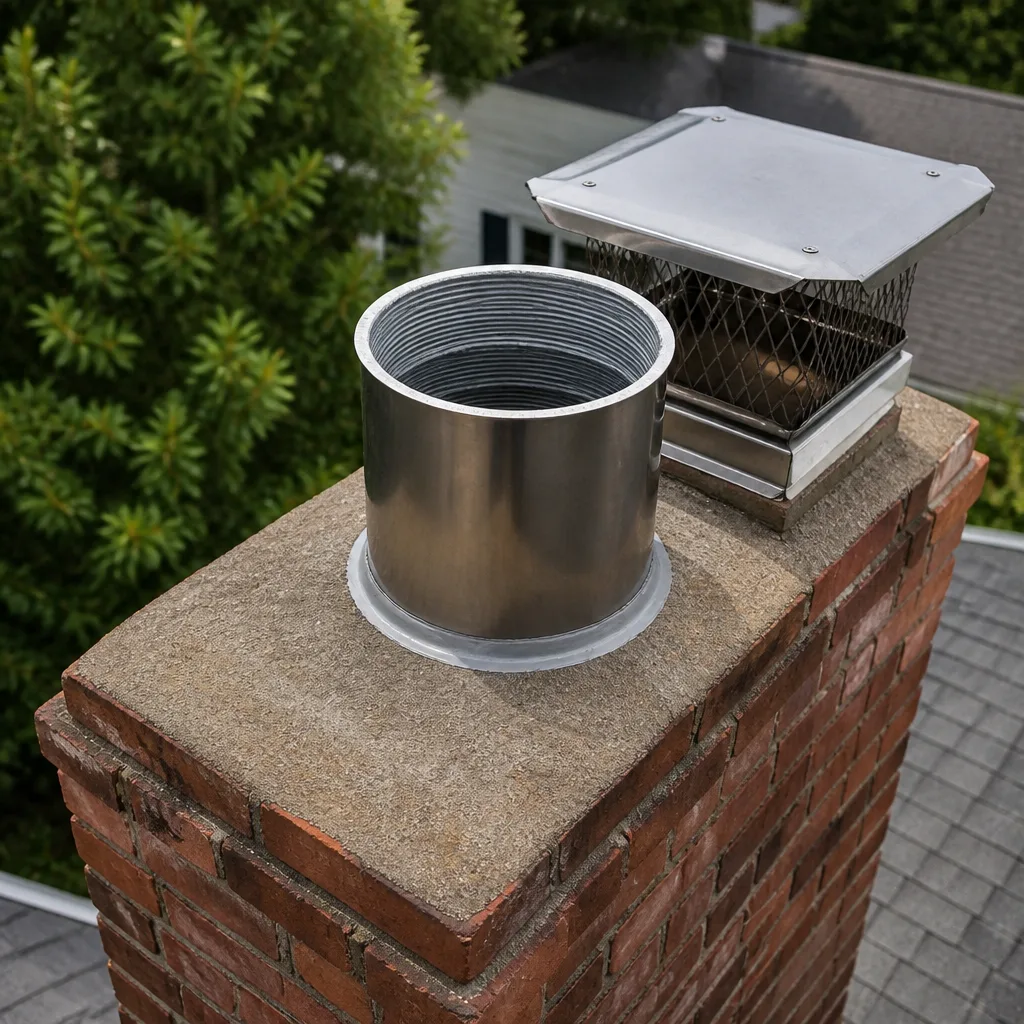
- Stainless steel liner installation or replacement: Permit required. This is a mechanical alteration under the IRC’s chimney and vent provisions.
- Firebox rebuild or smoke chamber parging: Permit required when the work involves structural changes beyond surface repair.
- Fireplace insert installation: Permit required. Inserts change the appliance and the venting configuration.
- Chimney cap and crown replacement: Generally no permit if it’s a direct replacement with no structural change. A full crown rebuild that alters dimensions may trigger one.
- Chase top replacement on a factory-built chimney: No permit for a direct swap, but if the chase itself is modified, a permit applies.
In Leesburg specifically, we see the permit question come up most often after a cleaning uncovers a cracked flue liner or spalling brick. A homeowner books a $229 sweep, the camera finds a deteriorated terra cotta liner, and suddenly they’re being quoted $4,800 for a liner replacement. If you’re unsure whether your chimney needs attention, review our Chimney Cleaning Warning Signs: A Leesburg Homeowner’s Reference Guide. The first question should be: is the contractor pulling a Loudoun County mechanical permit? We write the permit requirement into every repair quote, with the permit number on the written scope before work starts. That piece of paper is the difference between a documented improvement and a liability sitting inside your chimney.
How NFPA 211 Governs Chimney Cleaning in Virginia
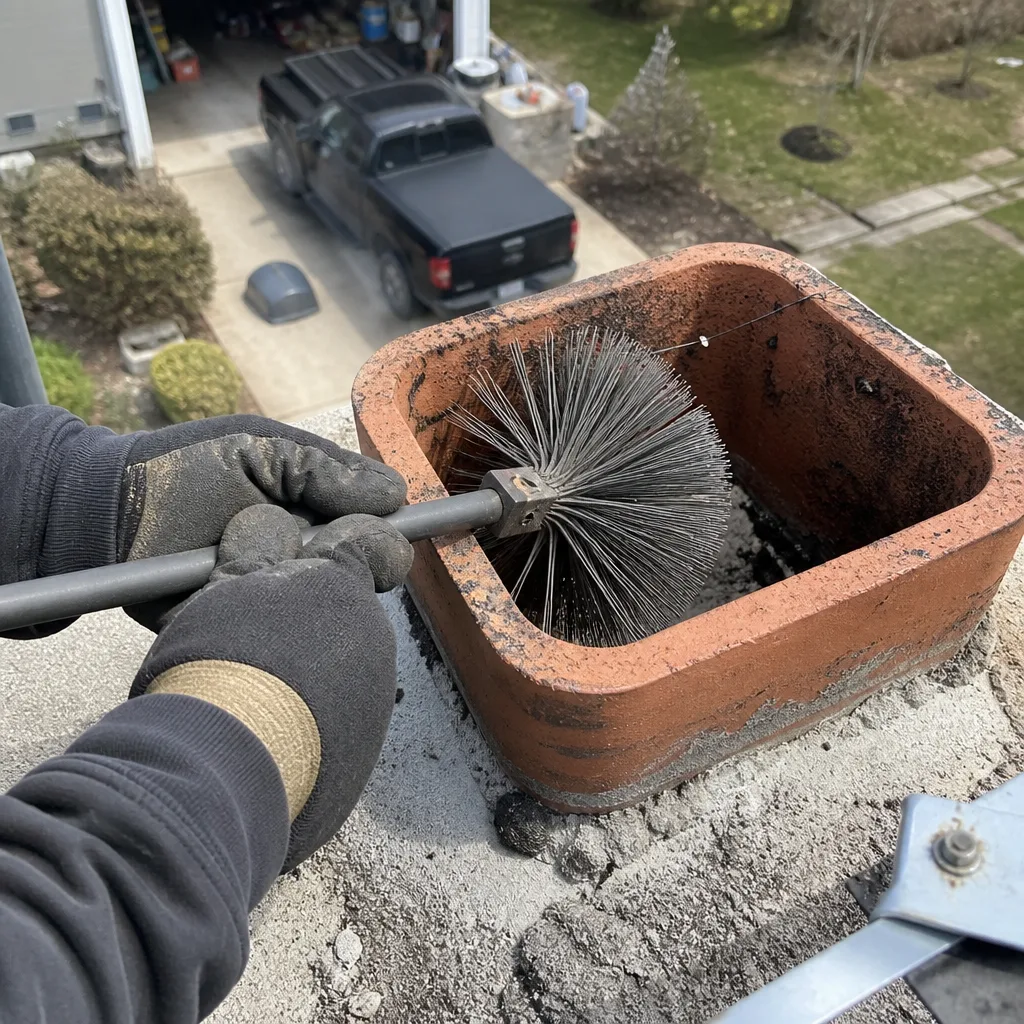
NFPA 211 is the National Fire Protection Association’s standard for chimneys, fireplaces, vents, and solid fuel-burning appliances. Virginia adopts it by reference through the IRC, which means it has the force of code. The two sections homeowners should know are Chapter 11 (inspection) and Chapter 15 (maintenance). Together, they define not just how often a chimney should be cleaned but what “properly cleaned” means.
NFPA 211 Section 15.2 states that chimneys, fireplaces, and vents shall be inspected at least once a year. Section 15.3 requires cleaning when the creosote accumulation reaches 1/8 inch in thickness or when there’s any appreciable soot buildup. That’s not a suggestion. It’s the legal minimum standard your homeowner’s policy assumes you’re following.
What NFPA 211 does NOT do is set a universal sweeping frequency. You’ll hear “sweep every year” repeated everywhere, but the code is actually condition-based. A wood-burning fireplace used three nights a week through a Leesburg winter will likely hit the 1/8-inch creosote threshold within a season. A gas fireplace might go two years between cleanings with nothing more than dust removal. The standard is the measured deposit, not the calendar.
Here’s the practical interaction with Virginia code most people miss: if you have a chimney fire and your cleaning history is blank, the insurance adjuster applies NFPA 211’s annual inspection standard against you. You failed the code requirement. If you have written records, the conversation changes completely. At Level Two Chimney in Leesburg, we’ve been issuing a written inspection and cleaning record on every job since 2009, not because customers asked but because we saw what adjusters demand after a fire. Clause 4 of the Haven Standard requires a photo record on every job, and that archive is now 38,000+ inspections deep.
The Loudoun County Permit Process for Chimney Work
Loudoun County handles permits through its Department of Building and Development. For chimney work classified as mechanical, the contractor pulls a mechanical permit before any material is ordered or any work begins. The process has a specific sequence, and homeowners who have never dealt with it benefit from understanding what a legitimate contractor’s workflow should look like.
Here’s the step-by-step for a typical permitted chimney liner replacement in Leesburg:
- Inspection first. The contractor performs a Level 2 camera inspection and writes a report identifying the defect. This is the document that justifies the permit application.
- Permit application. The contractor files the permit with Loudoun County, providing the scope of work, the products to be installed, and the licensed contractor’s information. Permit fees for mechanical work run in the $80 to $200 range depending on valuation.
- Permit issuance and posting. The county issues the mechanical permit and it must be posted on the job site during work.
- Work proceeds. The contractor installs the liner, rebuilds the firebox, or completes the permitted scope.
- Inspection by the county. A Loudoun County mechanical inspector comes out to verify the work matches the permit scope and meets code. This is the step that makes the work defensible.
- Final documentation. The contractor provides a final written record, including the closed permit and the photo documentation of the completed work.
We include every one of those steps in our written scope when a permit is required. The county inspection is not optional and not negotiable. In the Waterford and Purcellville outskirts, where older chimneys with original terra cotta liners are common, we see contractors skip the permit because the homeowner doesn’t know to ask. The work gets done. It might even be done well. But when the house is sold years later, the missing permit becomes a title disclosure issue, and when a fire happens, it becomes an insurance issue. The permit is not bureaucracy. It’s your documentation.
What Your Insurer Actually Looks For After a Fire
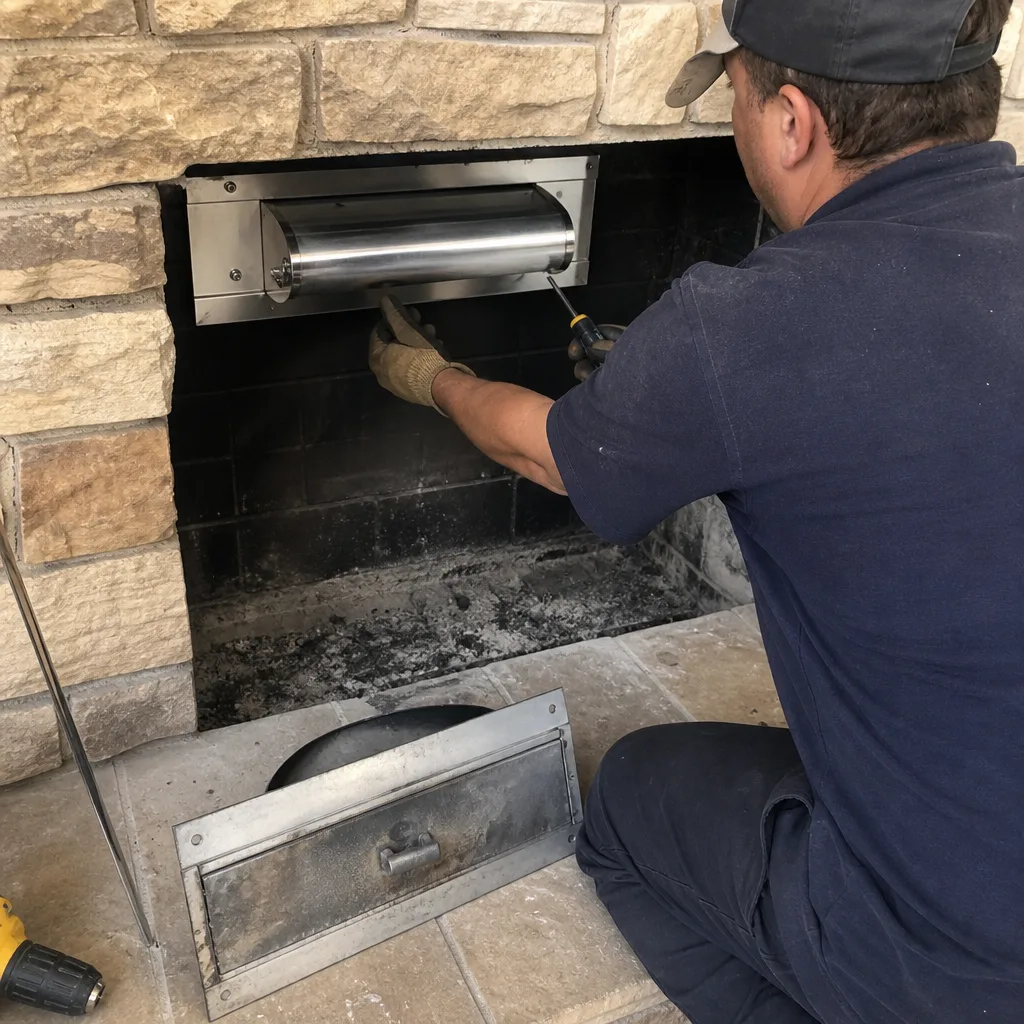
When a chimney fire claim is filed, the insurance adjuster is not interested in whether the work looked good. They’re interested in whether the homeowner can demonstrate reasonable maintenance and code compliance. The questions they ask are specific, and if you cannot answer them with paper, the claim stalls.
A written Level 2 inspection report is the single most important document in a fire-related claim. It shows date, findings, and the condition of the flue at a given point. A verbal “the tech said it looked fine” is worth nothing in a claim review. Here’s what a defensible chimney record includes:
- Dated written inspection report describing flue condition, creosote classification, and any observed defects
- Photographic evidence from a camera scan, showing the flue interior at the time of inspection
- Written cleaning record confirming work performed and the condition after cleaning
- Written recommendations with a specific scope and price, even if the homeowner chose not to proceed
- Repair invoice with permit number if any permitted work was completed
In our experience in Leesburg and the surrounding Loudoun market, the homeowners who keep this paper trail rarely have a denied claim for lack of maintenance. The ones who rely on a cheap sweep with a handwritten receipt are the ones fighting for six months. That’s why our written price, written scope, and written warranty are delivered before anyone starts, and the documented photo record is standard on every visit. Not as an add-on. As the default.
Gas Fireplace Codes vs. Wood-Burning Codes: What Gets Confused
The Virginia Gas Code, which adopts the International Fuel Gas Code, governs gas fireplace venting separately from wood-burning provisions. Homeowners moving into a 2015-2025 built Leesburg home often assume the gas fireplace in the great room follows the same chimney rules as grandma’s wood stove. It does not.
A direct-vent gas fireplace doesn’t use a terra cotta flue liner in a traditional masonry chimney. It vents through a coaxial pipe, often out a side wall or through a factory-built chase. The code requirements focus on proper termination clearances, sealed vent connections, and the integrity of the chase top. A chase-top leak on a gas fireplace isn’t just an aesthetic issue; it lets water into the framing around the prefabricated unit, and that water damage is not covered by any fireplace warranty.
The confusion we see repeatedly: a homeowner schedules a sweep for a gas fireplace, expecting creosote removal. There is no creosote in a gas fireplace. What a gas unit needs is a venting inspection, a check of the chase top and cap, verification of the pilot assembly and burner, and confirmation the venting meets clearance requirements. In Virginia, gas fireplace work falls under the Gas Code, not NFPA 211’s solid-fuel standards, although the annual inspection recommendation remains the same through the manufacturer’s warranty requirements.
For wood-burning masonry chimneys, the liner is the critical code component. Virginia’s IRC adoption requires flue liners to be continuous, free of cracks and gaps, and sized to the appliance they serve. A 1980s home in the Edwards Landing or Beacon Hill neighborhoods of Leesburg may still have its original terra cotta liner, and a camera inspection will frequently show cracked sections or failed mortar joints. Products from manufacturers like Olympia Chimney and Gelco are what we use for those relines, both meeting the UL listing requirements Virginia’s code demands for stainless replacement liners. The code doesn’t care which brand you use, but it does care that the liner is listed for the application, sized correctly, and installed with a permit.
What a Code-Compliant Sweep Actually Includes
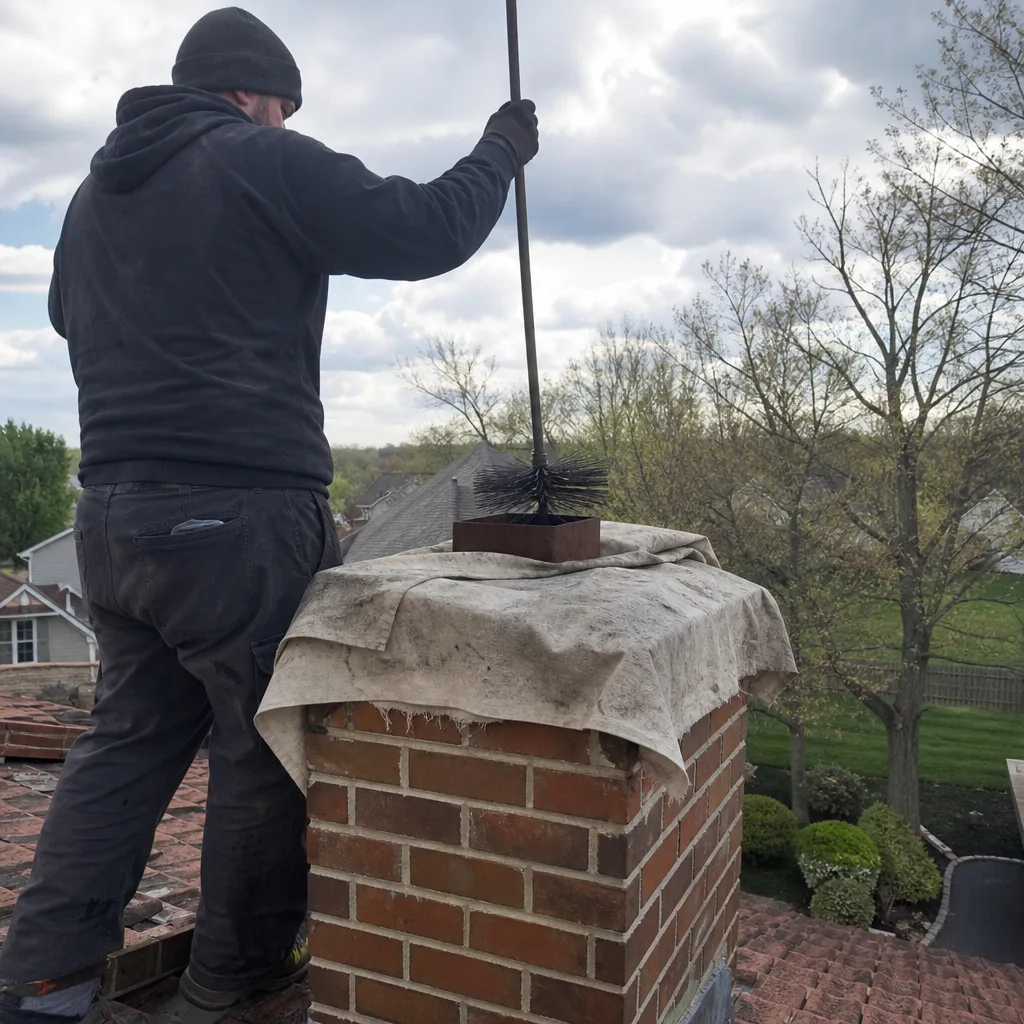
A sweep that costs $99 and takes 20 minutes is not the same thing as a code-compliant chimney cleaning and inspection. NFPA 211 defines what a proper inspection must cover, and the cleaning itself has specific technical requirements that go beyond running a brush up the flue.
Here’s what a legitimate chimney cleaning and Level 2 inspection covers:
- Creosote removal from the flue interior down to the 1/8-inch threshold or below, using appropriately sized brushes or rotary equipment
- Smoke chamber cleaning including the smoke shelf, where creosote accumulates fastest in masonry chimneys
- Firebox inspection for cracked brick, failed mortar joints, and damaged refractory panels
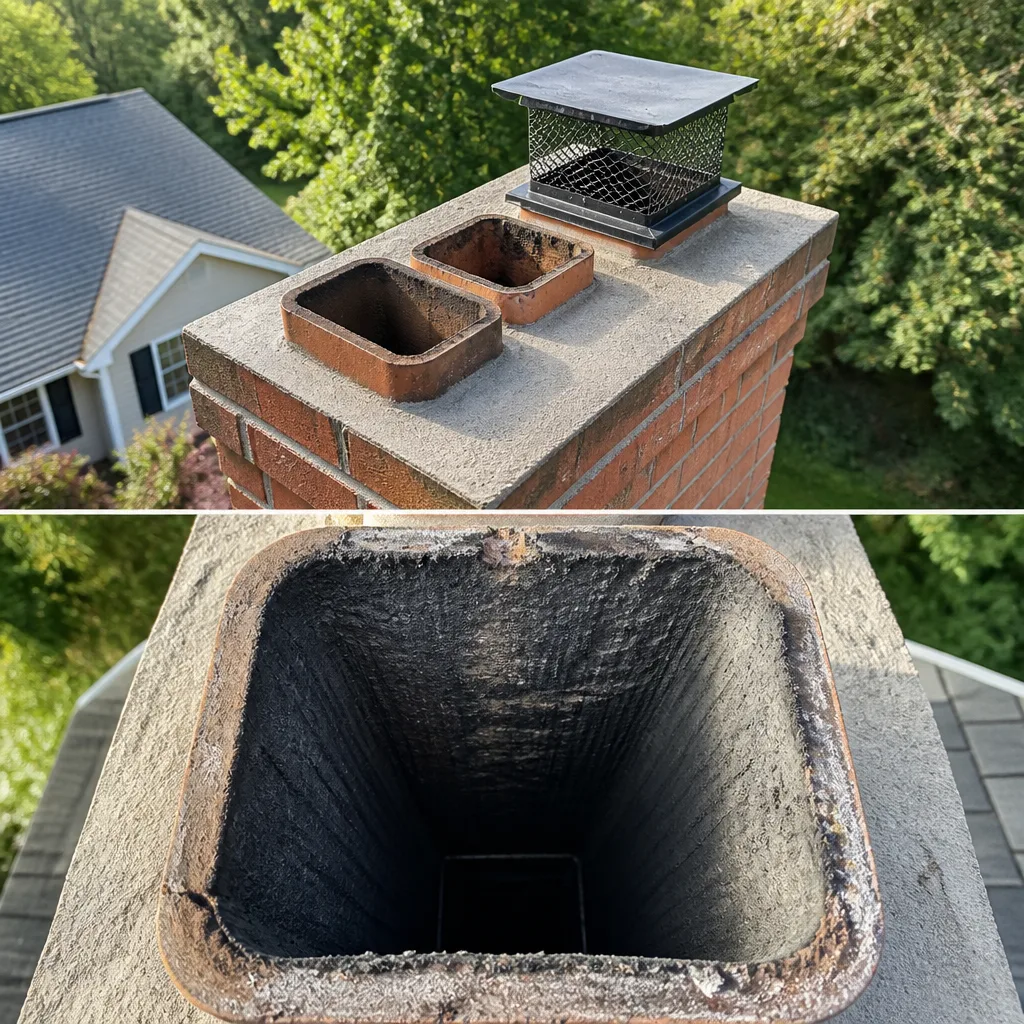
- Flue liner camera scan from top to bottom, documenting cracks, gaps, spalling, or separation
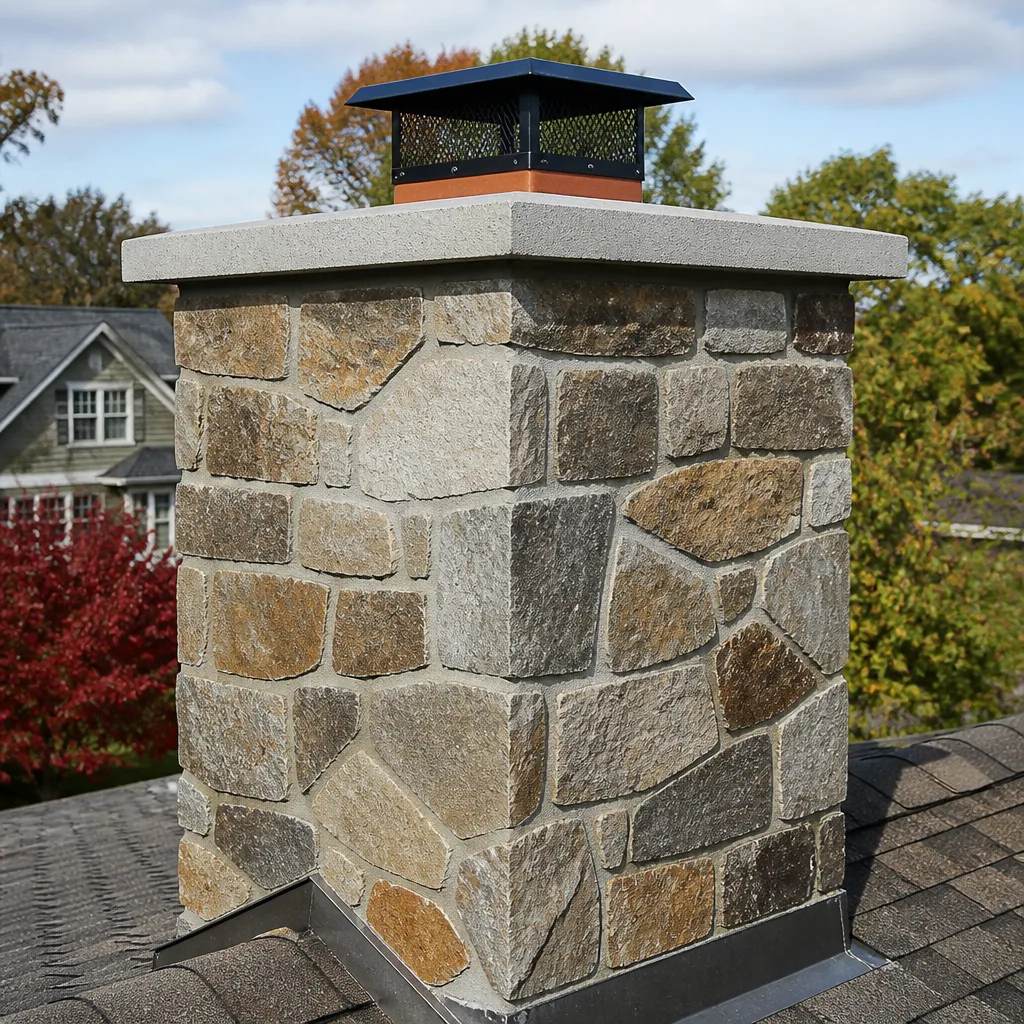
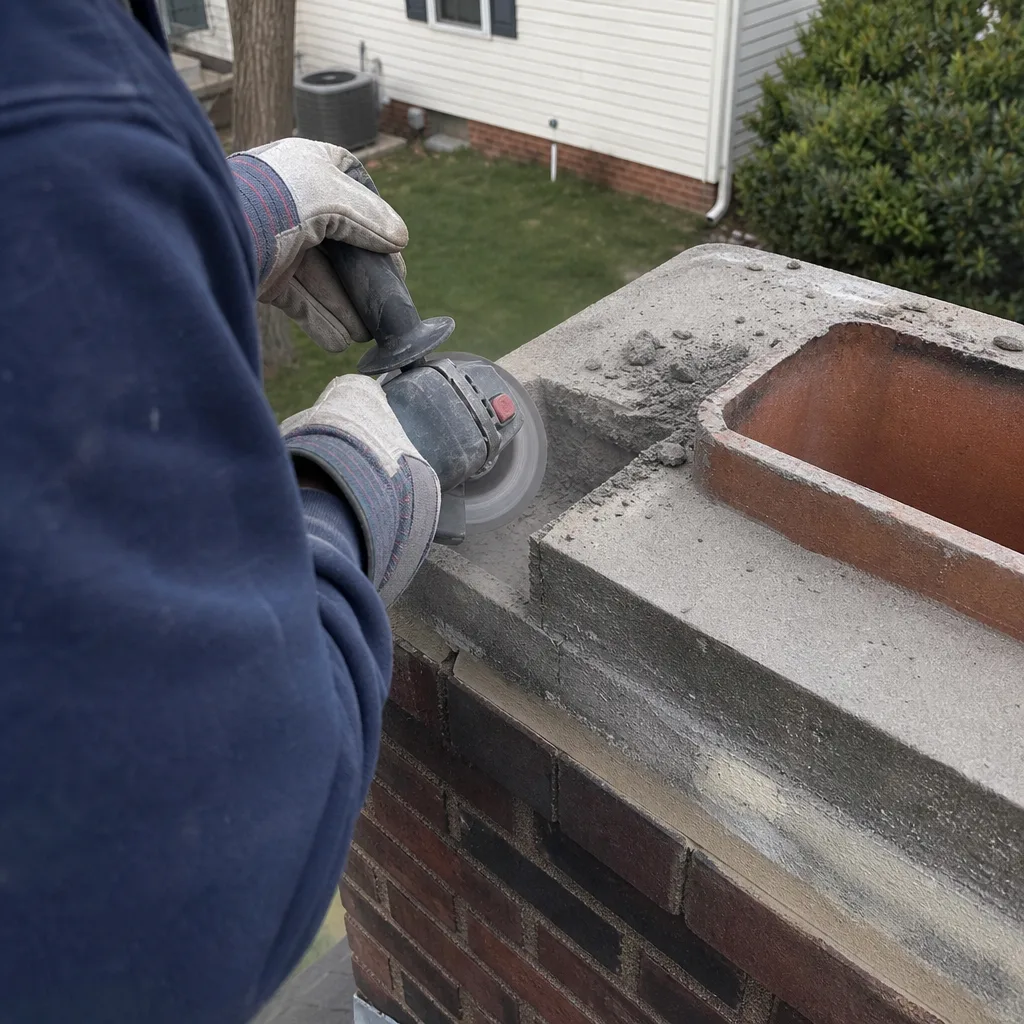
- Chimney crown assessment for cracks, improper overhang, or missing mortar wash
- Cap and spark arrestor check verifying the cap is intact, properly secured, and sized for the flue
- Damper operation test confirming full open and close function
- Clearance verification from the fireplace opening to combustibles including mantels, trim, and flooring
In Leesburg, the freeze-thaw cycles through our winters do specific damage to crowns and caps. Water gets into hairline cracks, freezes, expands, and the crack becomes a fissure by spring. A proper inspection catches that early. It’s why we send a named technician in a uniformed truck, with a text when they’re on the way, and the camera footage from the flue reviewed with you before we recommend anything. When we recommend a repair, you’ve seen the problem with your own eyes on the screen. That’s been our practice since 2009, and it’s the only honest way to sell chimney work.
If you’d like to read more about what a thorough cleaning involves, our Chimney Cleaning & Sweep in Leesburg guide walks through the whole service in detail.
Common Mistakes to Avoid
- Skipping the permit on a liner replacement. The work gets done, the saving feels real, and then a sale or a fire exposes the gap. In Loudoun County, the permit is the contractor’s job to pull, and a contractor who won’t pull one is telling you something about how they operate.
- Accepting a verbal inspection. “Looks fine” is not a document. If there’s no camera footage, no written report, and no photo record, you did not get an NFPA 211 Level 2 inspection, no matter what the receipt says.
- Treating a gas fireplace like a wood-burning fireplace. The venting rules are different, the risks are different, and the code section is different. A gas fireplace in a Leesburg new build still needs annual inspection, but what it needs inspected is the venting and chase, not the flue for creosote.
- Assuming the home inspector checked the chimney. A home inspection is visual and non-invasive. It cannot see the flue interior. A separate camera inspection before closing is the only way to know what you’re buying.
- Waiting until fall to schedule. Every September, Leesburg schedulers are working two weeks out. The best time for a cleaning and inspection is March through August, when technicians can spend more time with you and appointment availability is wide open.
- Hiring based on price per sweep. A $99 sweep that skips the camera and the smoke chamber cleaning leaves the most dangerous creosote in place. The price looks good. The result does not.
- Not keeping the paperwork. Your written inspection report from three years ago is the document that proves reasonable maintenance after a fire. File it. Keep it. You will not remember where it is in an emergency.
When to Call a Professional
Call if you’ve never had a camera inspection performed on your chimney, or if your last cleaning record is older than two years. Call if you smell a campfire odor in the house on humid summer days, which often indicates creosote accumulation in the flue. Call if you see cracked or spalling brick on the exterior chimney, water staining on the ceiling near the fireplace, or if your damper is rusted and seized. Call before you buy a home in Leesburg with a masonry fireplace. And call if you’ve been told you need a liner replacement by another company and you want a second opinion in writing. Our Chimney Repair in Leesburg page covers the repair process in detail. Level Two Chimney Leesburg offers free estimates in Leesburg. Call (571) 601-3174 and a real person will answer, 24 hours a day.
Frequently Asked Questions
A standard chimney cleaning with a Level 2 camera inspection in Leesburg typically runs $229 to $349, depending on the flue size, accessibility, and whether the fireplace has been maintained recently. Rotary cleaning for heavy creosote or a neglected flue can add $100 to $150. At Level Two, the written price is delivered before we start, with the scope in writing. No surprises, no upsell at the door. Call (571) 601-3174 for an exact quote, free of charge.
Yes, a stainless steel liner replacement in Virginia is a mechanical alteration and requires a mechanical permit through Loudoun County, pulled by the contractor. The permit requires a county inspection after the work is complete, which is what makes the installation defensible to insurers and future buyers. Any contractor who tells you a permit isn’t necessary is either misinformed or avoiding the process.
NFPA 211 requires inspection at least annually and cleaning when creosote reaches 1/8 inch thick. For a wood-burning fireplace used regularly through a Leesburg winter, that typically means an annual sweep. A gas fireplace may only need cleaning every two years, but still needs an annual venting inspection. The frequency is condition-based, not calendar-based.
Creosote accumulates in layers. The first layer is flaky and brushes off easily. The next layers bake in, becoming tar-like and eventually glazed. Glazed creosote, Class III, is highly flammable and cannot be removed with standard brushes. It requires rotary cleaning with specialized chains or chemical treatment, and it’s the material most responsible for chimney fires. Regular cleaning prevents the progression. A documented cleaning history also protects your insurance position.
A home inspector performs a visual, accessible-component check. They look at the exterior chimney, the firebox, and the damper. They cannot see the flue interior, the smoke chamber, or the condition of the liner. A separate Level 2 camera inspection performed by a chimney professional is the standard for understanding what you’re actually buying. We perform these regularly for buyers in Leesburg, Purcellville, and Ashburn before closing.
Virginia code does not mandate a written report format for chimney inspections. But NFPA 211 requires the inspection itself, and the practical reality is that your insurance company will demand documentation after a fire. A written report with photo evidence is the proof that the inspection and cleaning actually occurred. Verbal assurance is not evidence.
You can purchase chimney cleaning brushes at any hardware store, and there is no law preventing a homeowner from cleaning their own chimney. But a do-it-yourself cleaning typically means no camera inspection, no smoke chamber access, and no written record. You’re also on a roof in Leesburg winter conditions or shoulder-season rain. The risk of missing a liner defect, and the lack of documentation, makes professional cleaning the sound choice. If you’d rather see the flue condition yourself, we’ll show you the camera footage while we’re there. That’s standard on every visit.
A Level 1 inspection is a visual check of accessible portions of the chimney, performed during routine annual maintenance. A Level 2 inspection adds camera scanning of the flue interior and is required when the use of the chimney changes, after a chimney fire, or during a property sale. Level 2 is what we perform on every cleaning, because the camera is what finds the problem the eye cannot see. Our Fireplace Services in Leesburg guide covers this in more detail.
The Bottom Line
Cleaning your chimney in Virginia requires no permit, but the repairs a cleaning uncovers often do, and the documentation from both is what protects your home and your insurance claim. A proper sweep under NFPA 211 includes a camera inspection and a written record, not just a brush through the flue. Gas and wood-burning systems follow different code sections, and mixing them up leads to missed problems. The safe play in Leesburg is simple: get the camera in the flue, get the findings in writing, pull the permit when the work requires one, and keep every piece of paper. If you’re looking at a chimney you haven’t had inspected, start with a documented Level 2. You’ll know exactly what you have, and exactly what it will cost to fix it. For more guides & resources, visit our blog.
For a free estimate in Leesburg, call Level Two Chimney Leesburg at (571) 601-3174. A live person answers. The written price comes before any work starts. And the photo record is standard on every visit, just as it has been since 2009.
Written by Corrine Halstead, Owner at Level Two Chimney Leesburg, serving Leesburg since 2009.