Level 1 sweep and inspection to the NFPA 211 annual standard - flue, crown, cap, and flashing checked and photographed
Chimney sweep logs do not sweep chimneys. They loosen some creosote - which then falls where a brush and vacuum still have to collect it.
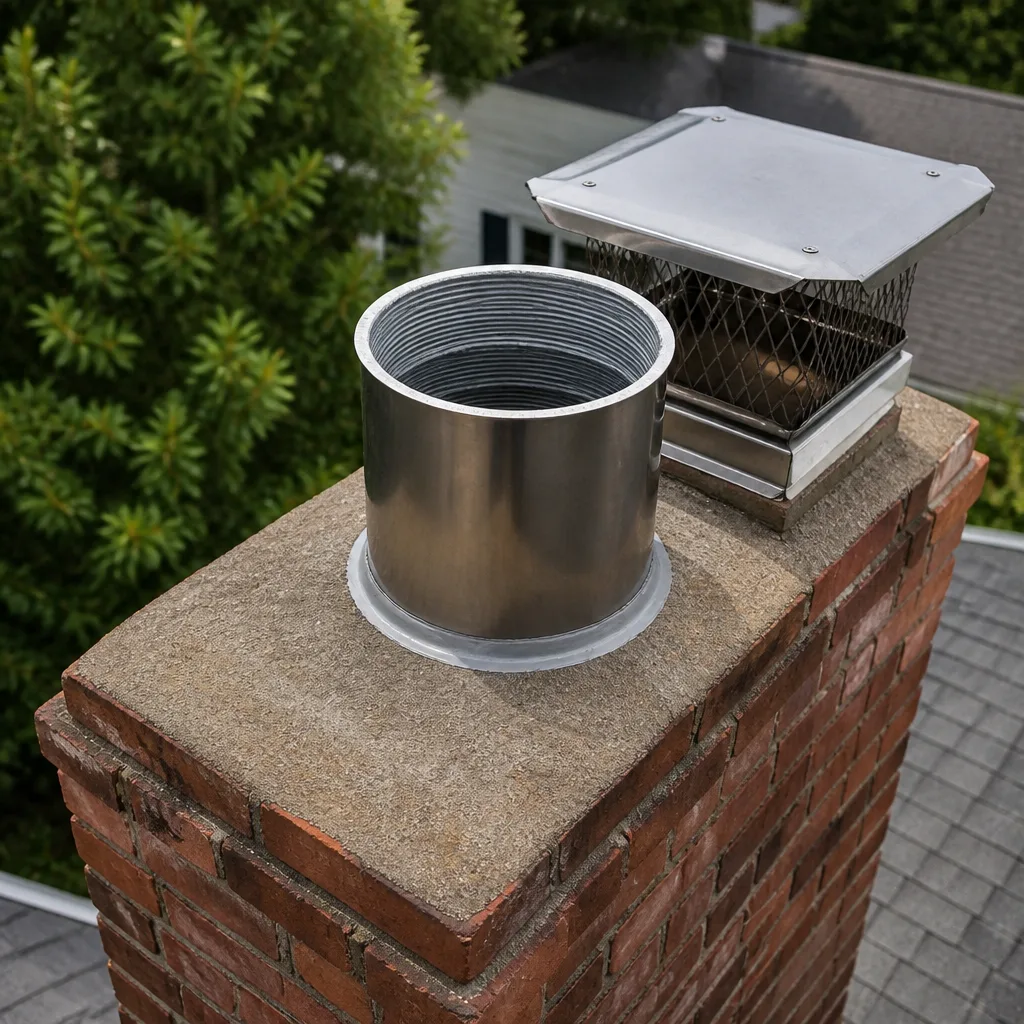
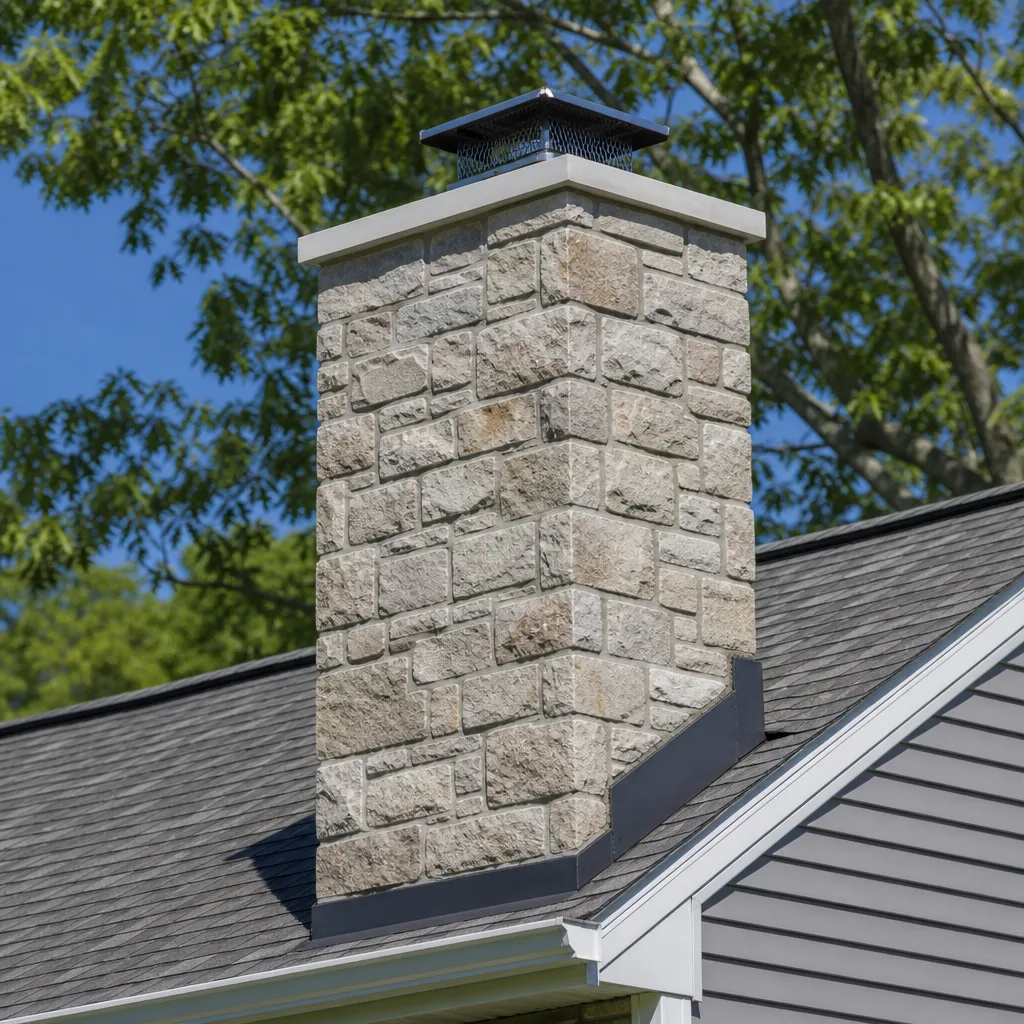
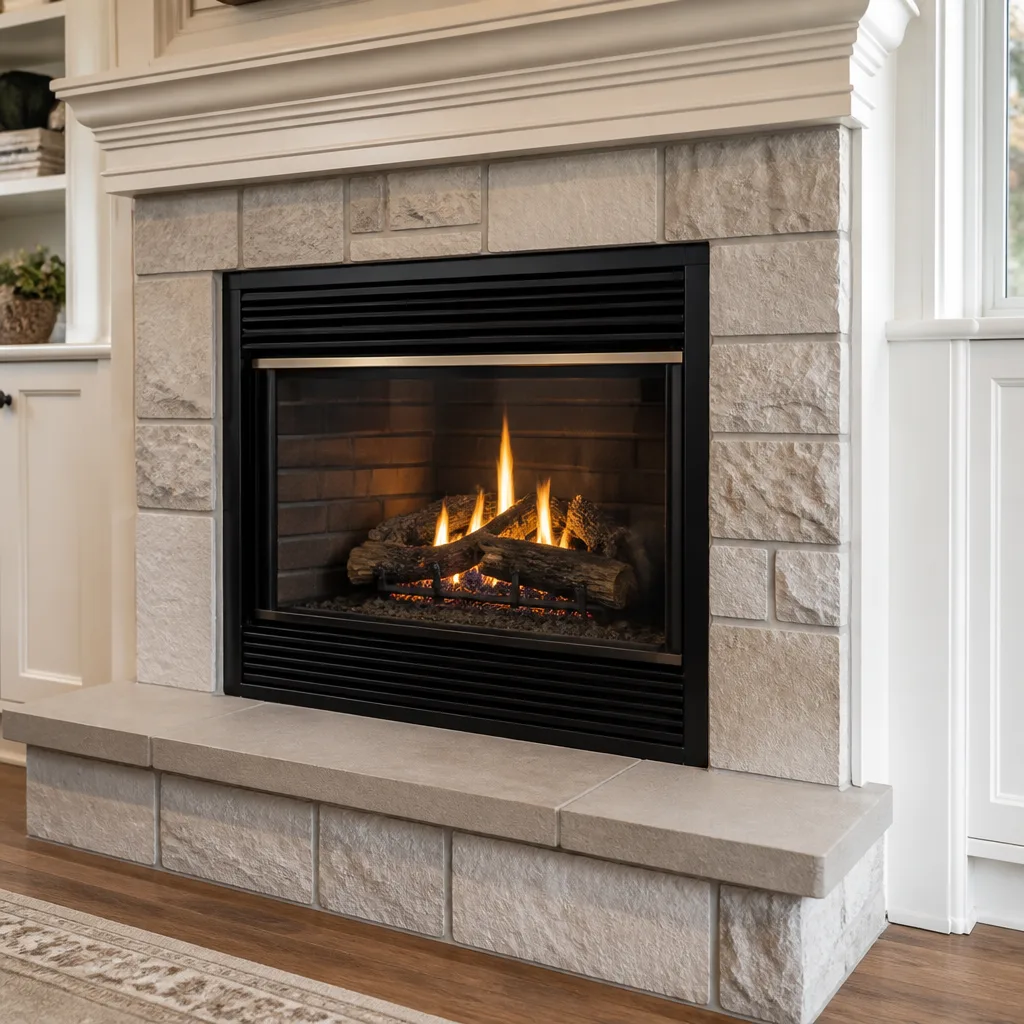
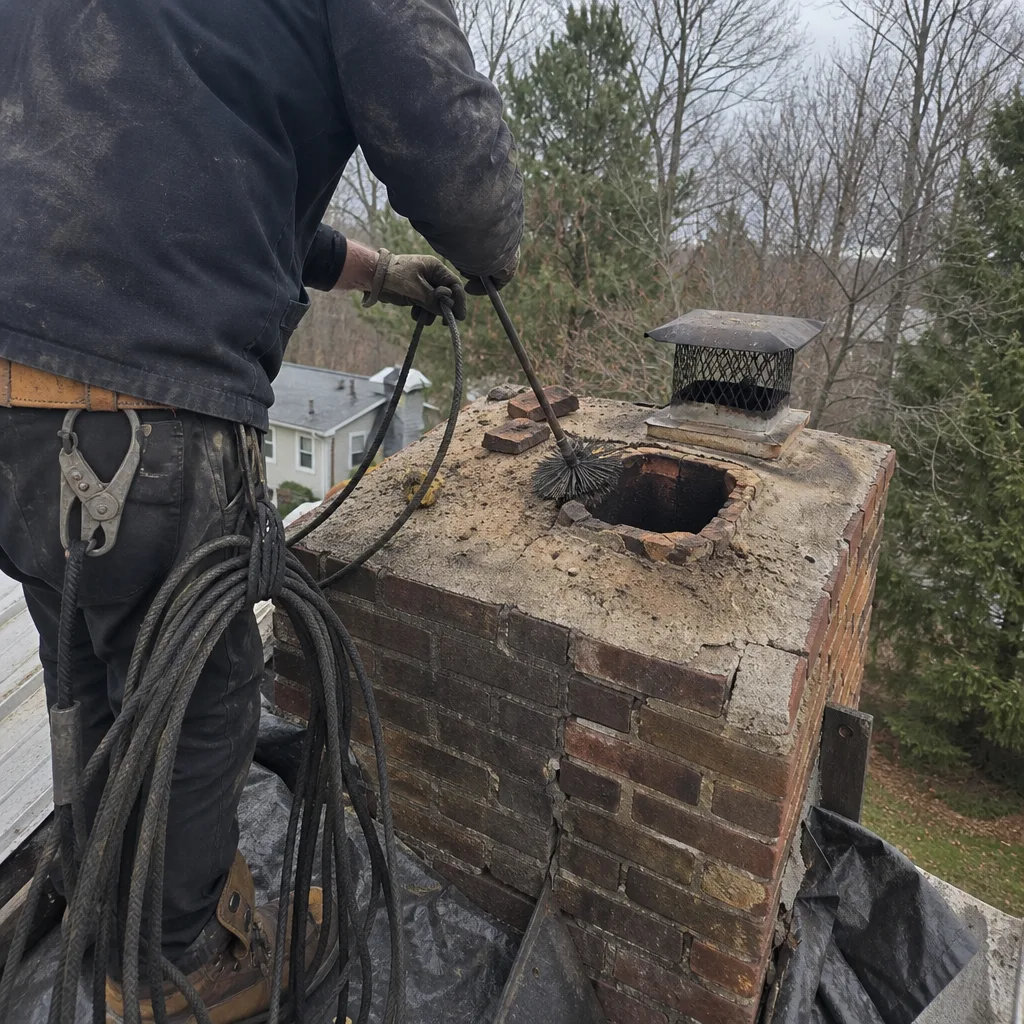 Before
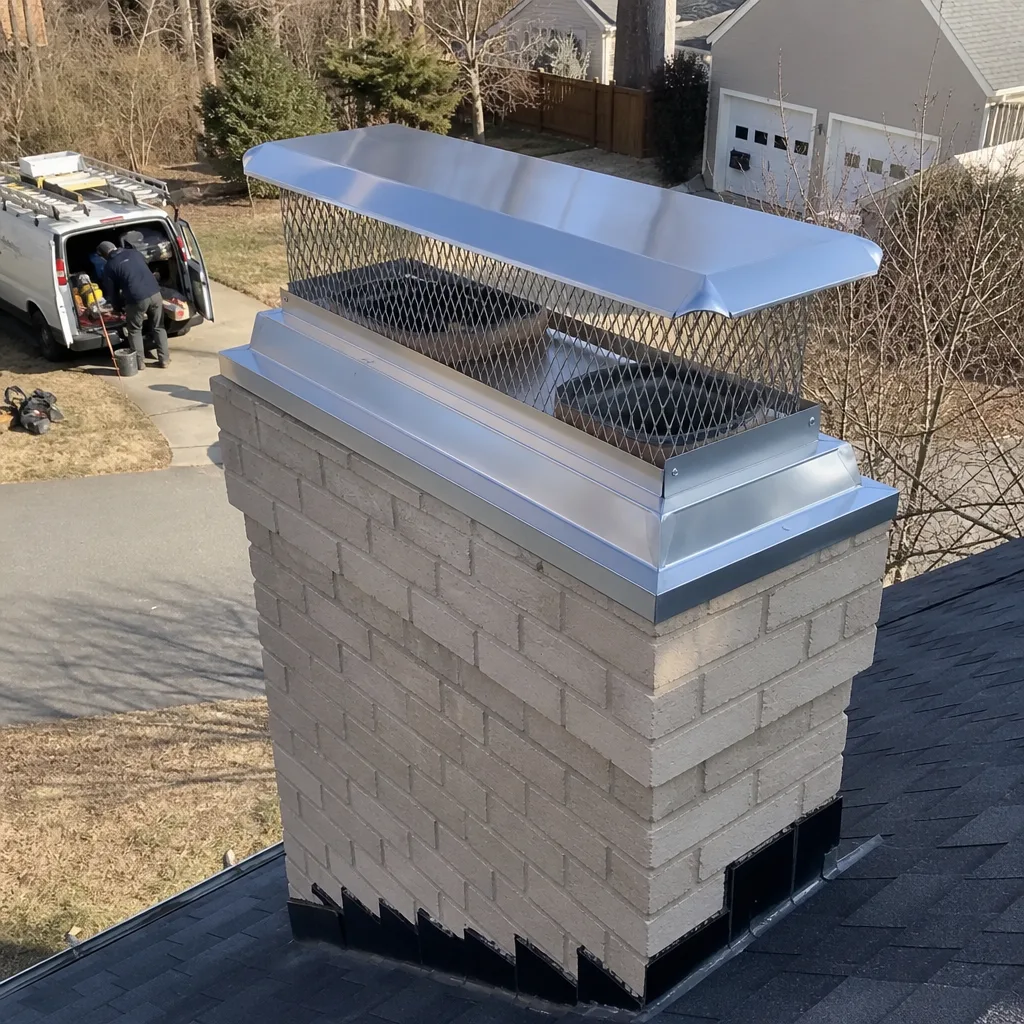 After
After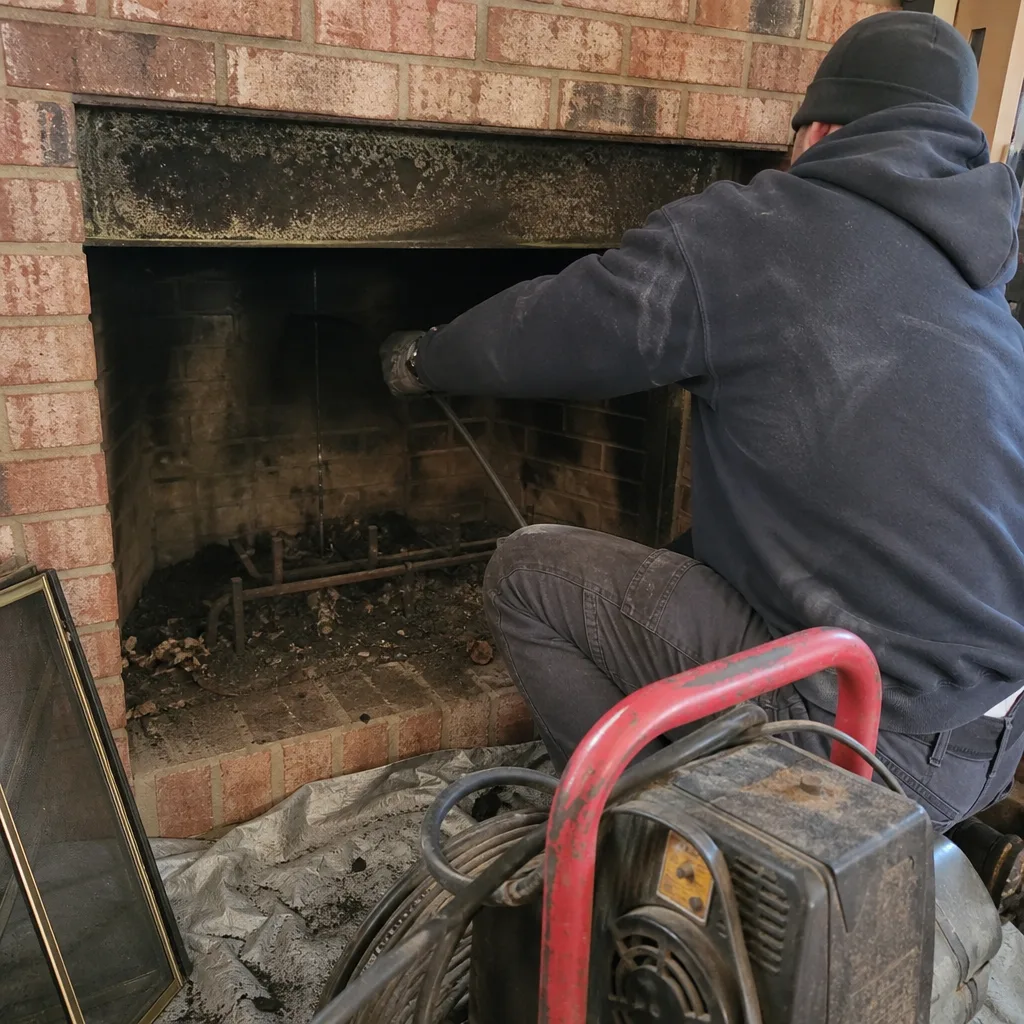 Before
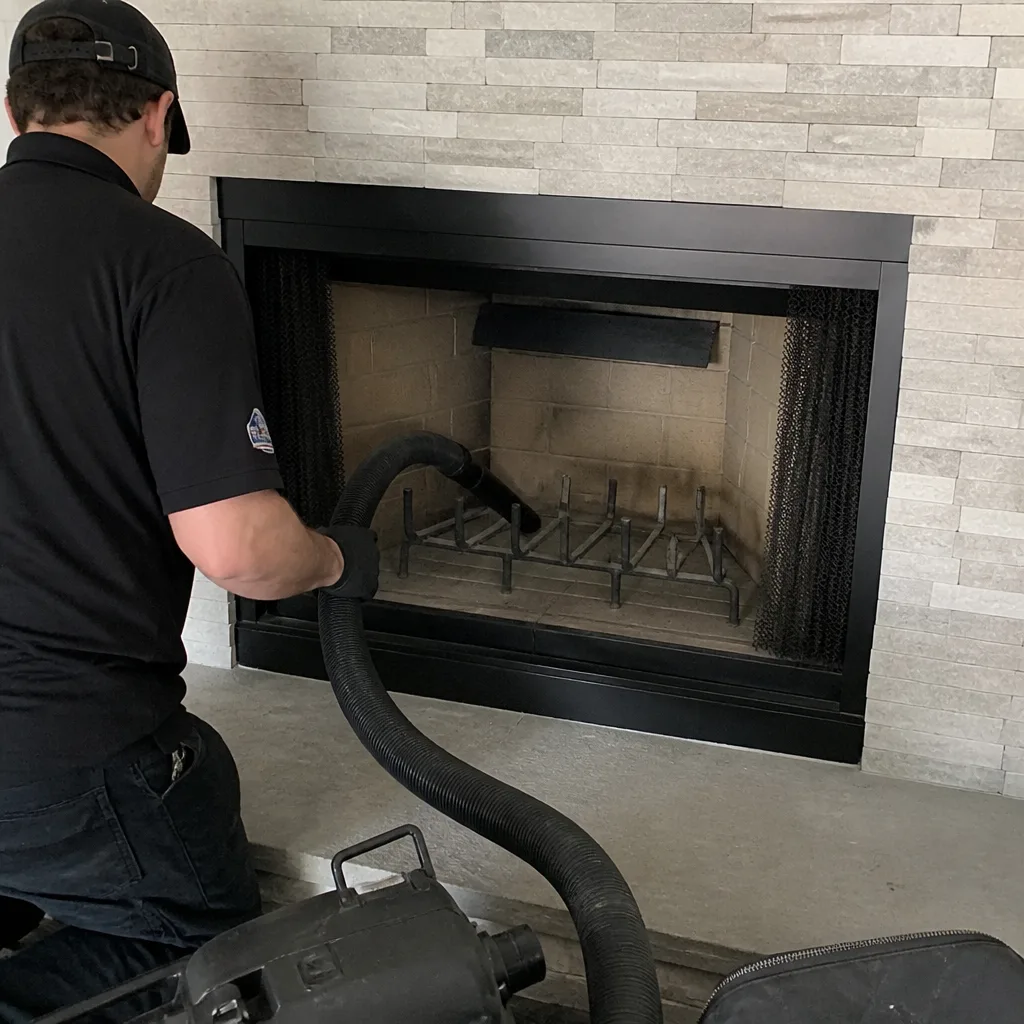 After
After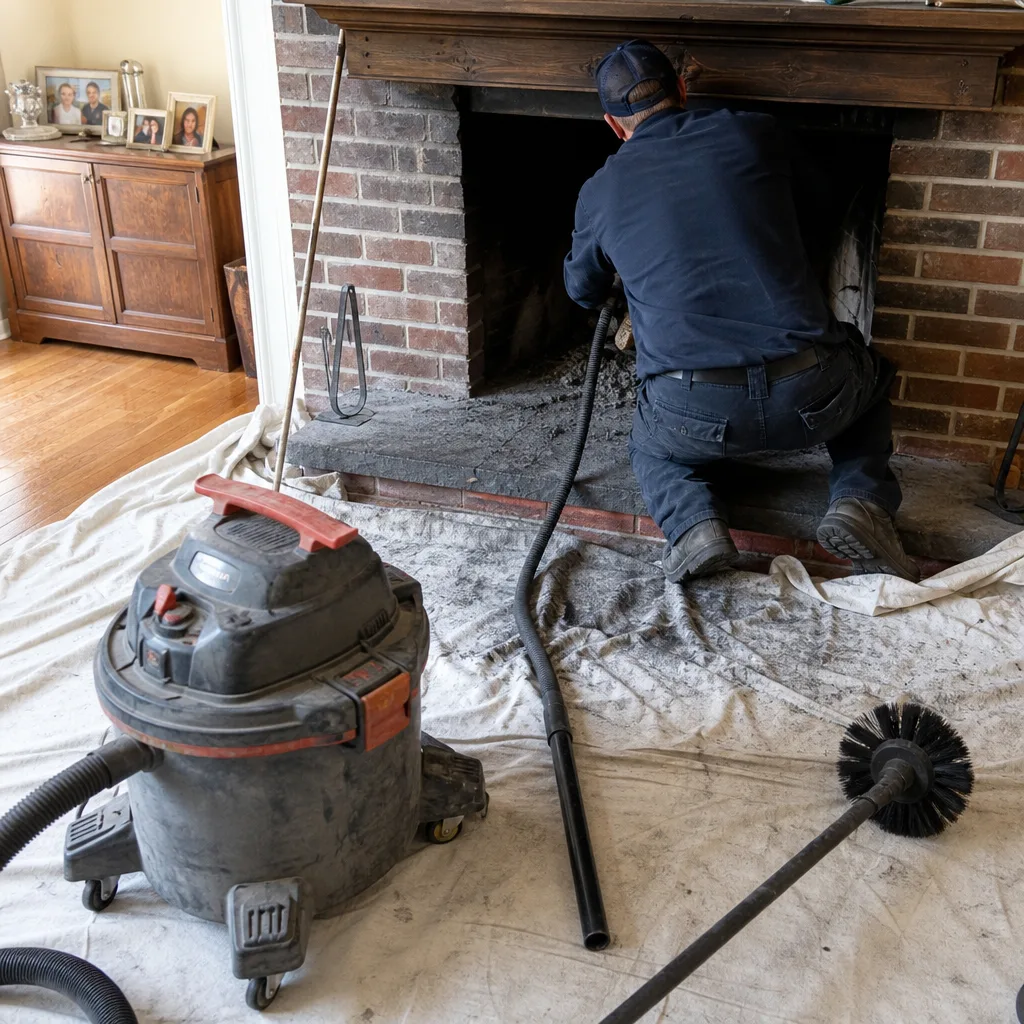 Before
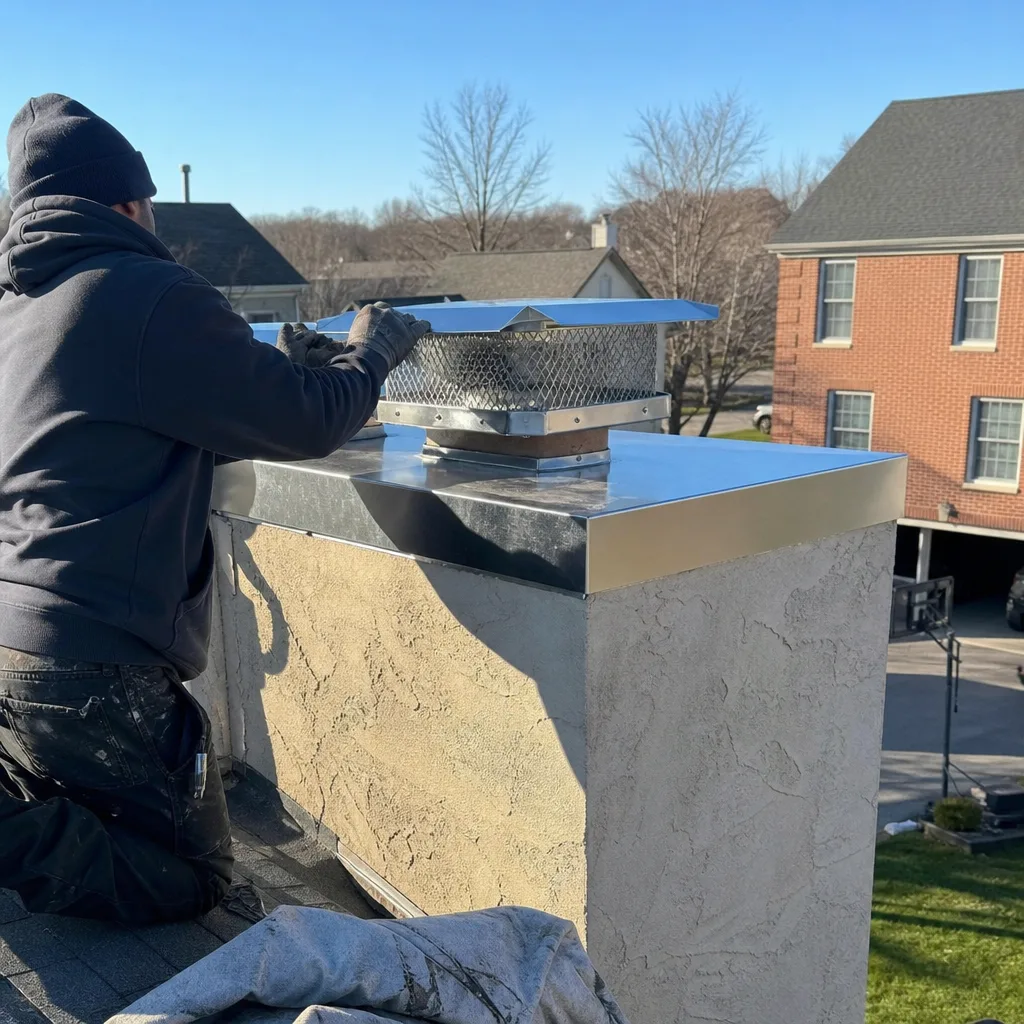 After
AfterFast, Reliable Chimney Repair Across Great Falls
Chimney repair in Great Falls typically runs $350-$1,400 for mortar repointing, $600-$2,800 for spalling brick repair, and $450-$1,200 for chimney waterproofing, with most jobs completed in one to two visits. We work on the tall, multi-flue masonry chimneys that define Great Falls estate homes, and we bring a camera down every flue before recommending anything. Call (571) 601-3174 for a written estimate and a Level 2 inspection with a documented photo record.
Our crews know the roads here: Route 7 into Great Falls, Georgetown Pike winding past the horse farms, Old Dominion Drive running north toward River Bend Road. The homes we service are different from what you’ll find in Reston or Herndon: larger brick colonials and Tudors, multiple fireplaces, forty-foot chimneys, lots of green oak and hickory burning in the firebox. That changes what we look for and how we repair it.
Why Level Two Chimney Leesburg Is Great Falls’s Preferred Chimney Repair Company
We built our reputation in this area on one practice: a written price before any work starts, every time. Clause 1 of the Haven Standard requires it. No technician in your home sizing up the job and telling you a number after the fact. You get a written scope, a written price, and a written warranty delivered before anyone touches brick or mortar. That matters when you’re hearing about crown rebuilds or liner replacements that can run several thousand dollars. You should know the number on paper, in your hand, before you decide anything.
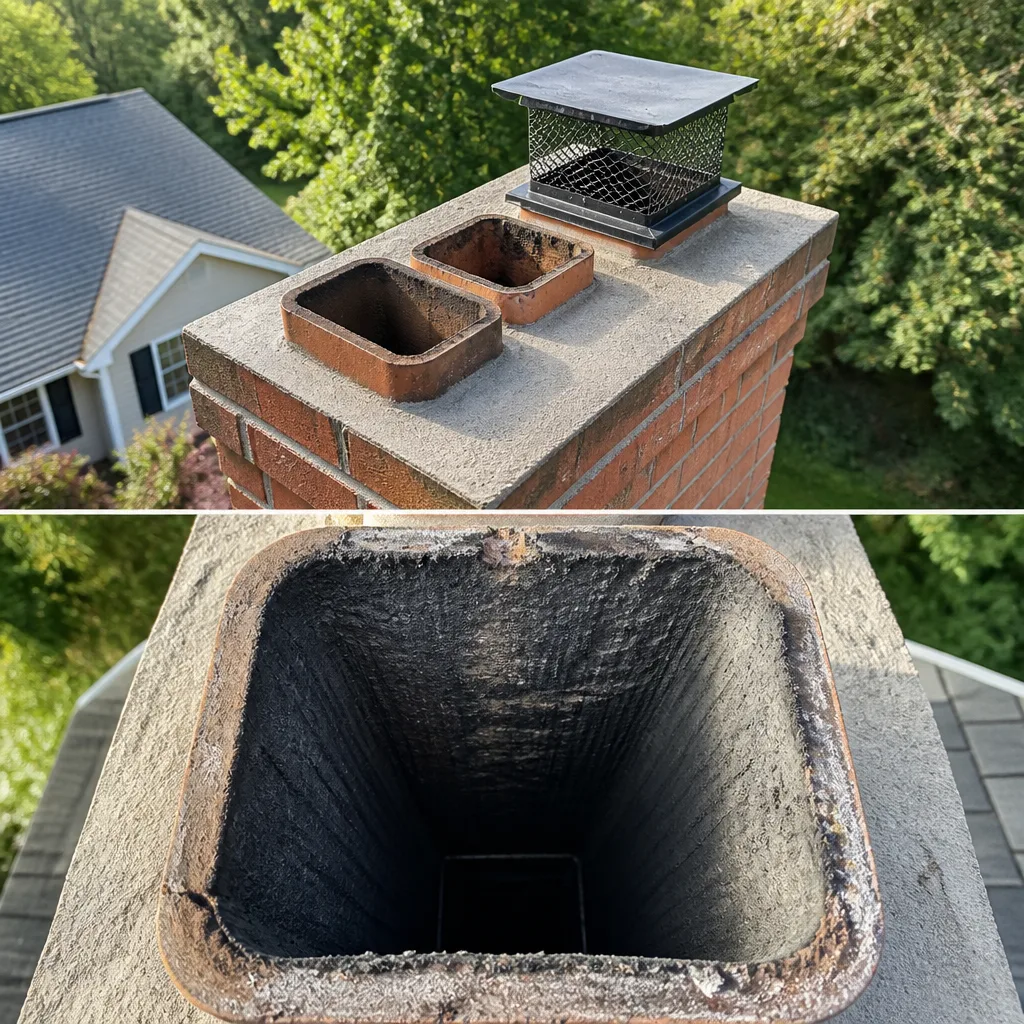
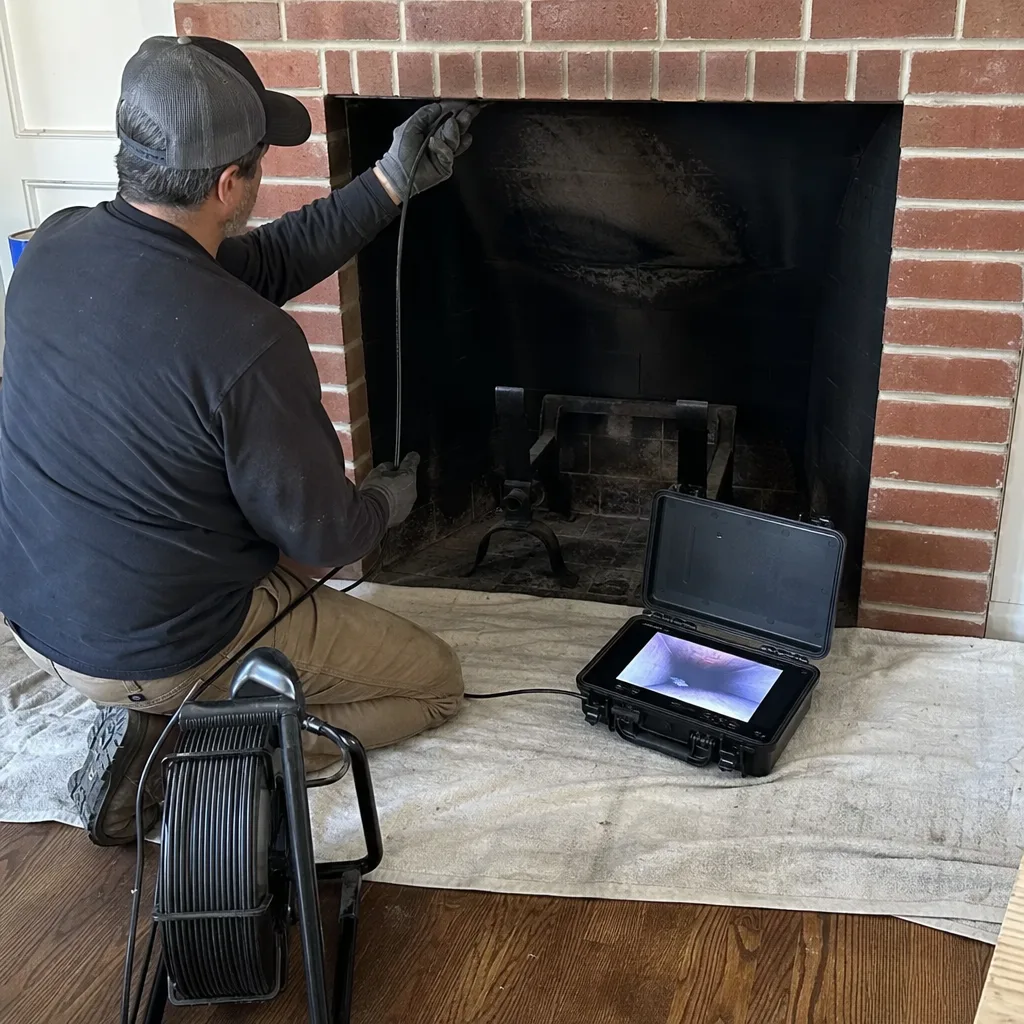
Great Falls homeowners tend to research before they call. They want to see what we found, not just hear that everything is fine. So every visit includes a camera scan down the flue under NFPA 211 Level 2 standards, and you walk away with the photos. Clause 4 of the Haven Standard has required a documented photo record on every job since we started doing this in 2009. If we tell you there’s a cracked flue liner or spalled brick on the chimney crown, you’ll see it in the images. No exceptions.
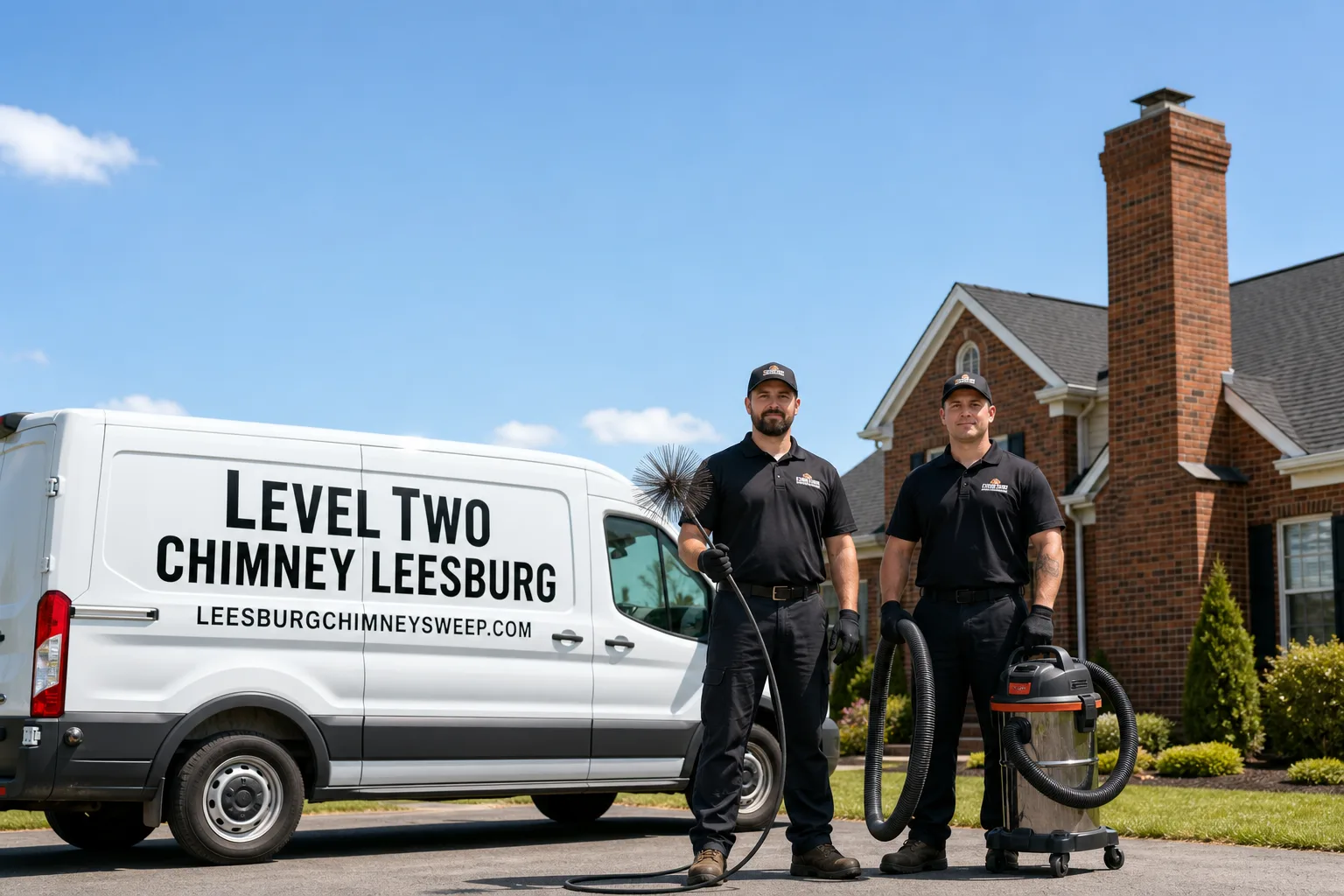
Crews serving Great Falls are dispatched from our Washington, DC office, with background-checked, uniformed technicians assigned by name. You’ll get a text when they’re on the way. And if you call us at any hour, a live person answers. Not a voicemail. Not a web form. Our phone line runs 24/7 because chimney problems don’t always announce themselves during business hours.
Corrine Halstead, who leads our team, has held the line on one thing since day one: evidence over opinion. When a Great Falls homeowner asks whether a chimney needs a rebuild or just a repoint, the photos decide. The readings decide. Not the person holding the estimate pad.
Our Chimney Repair Services in Great Falls
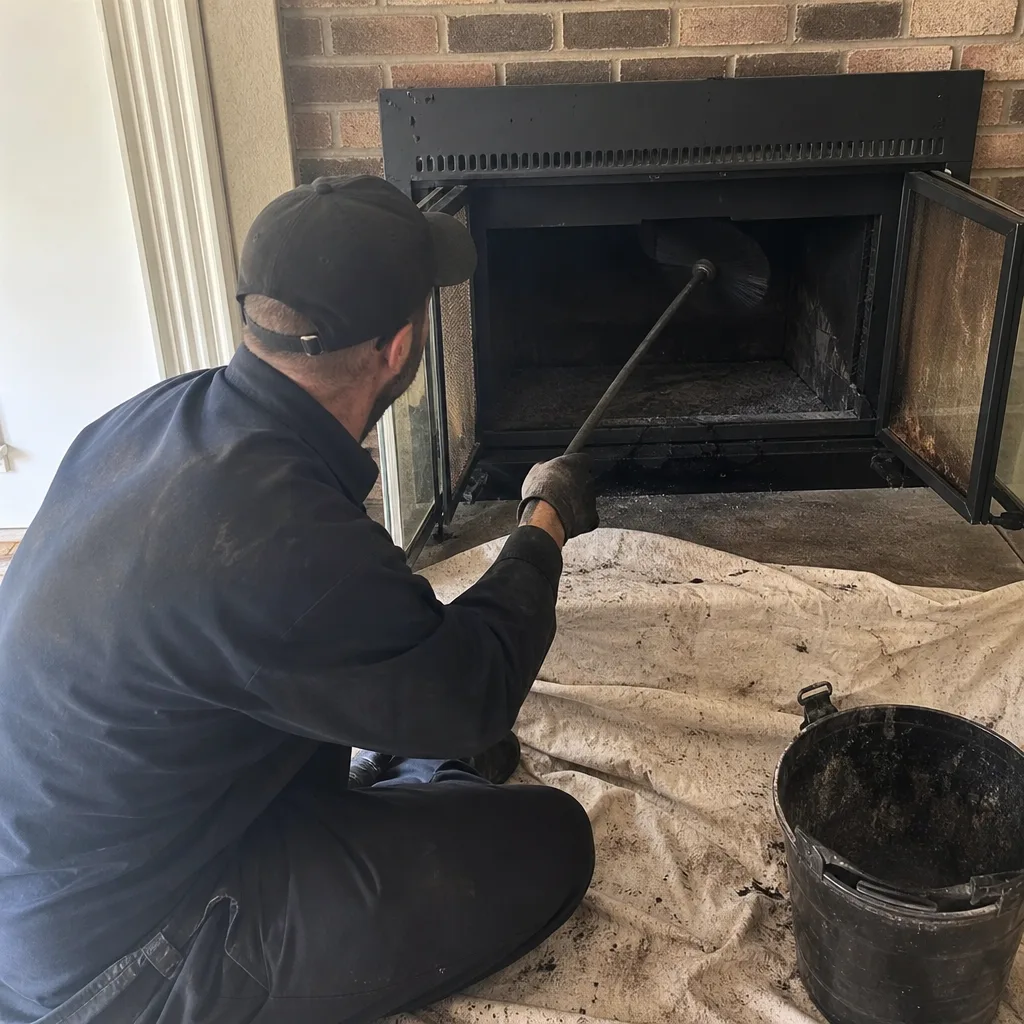
Mortar Repointing
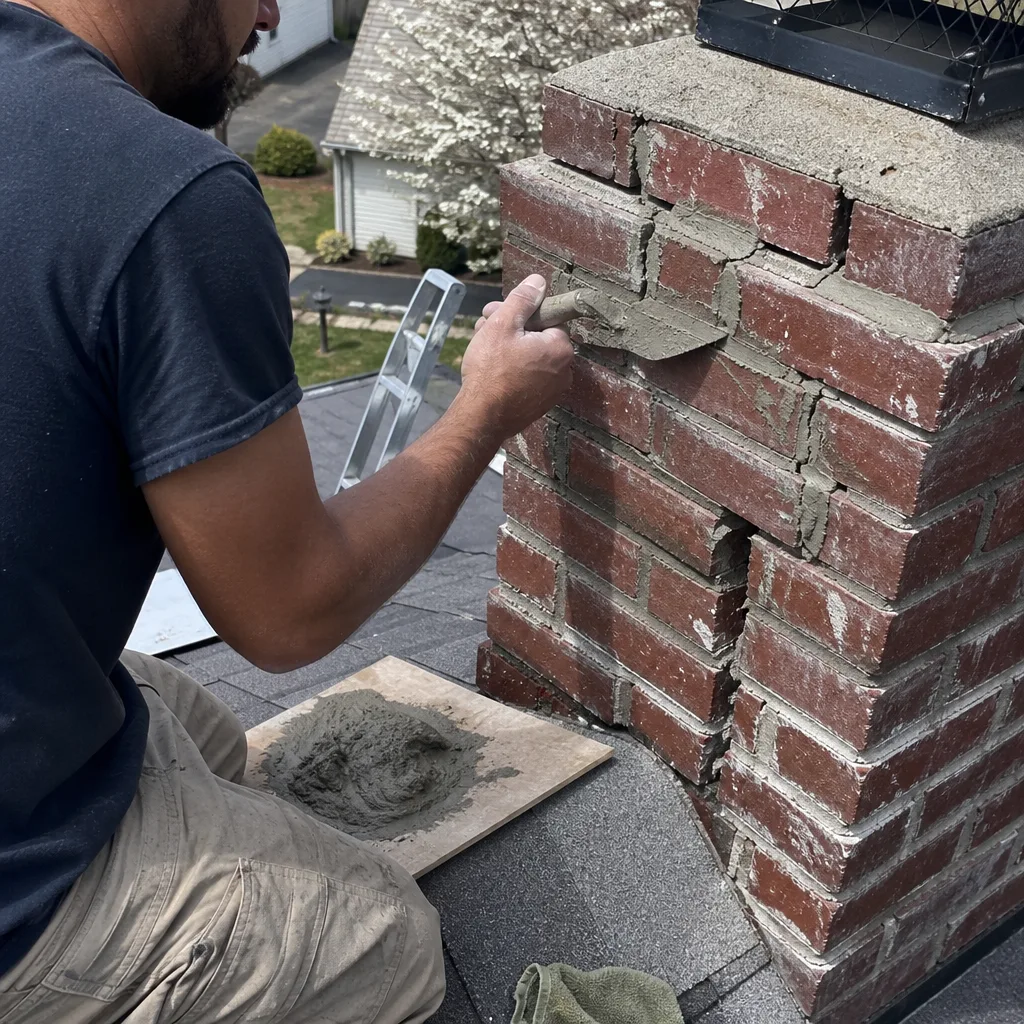
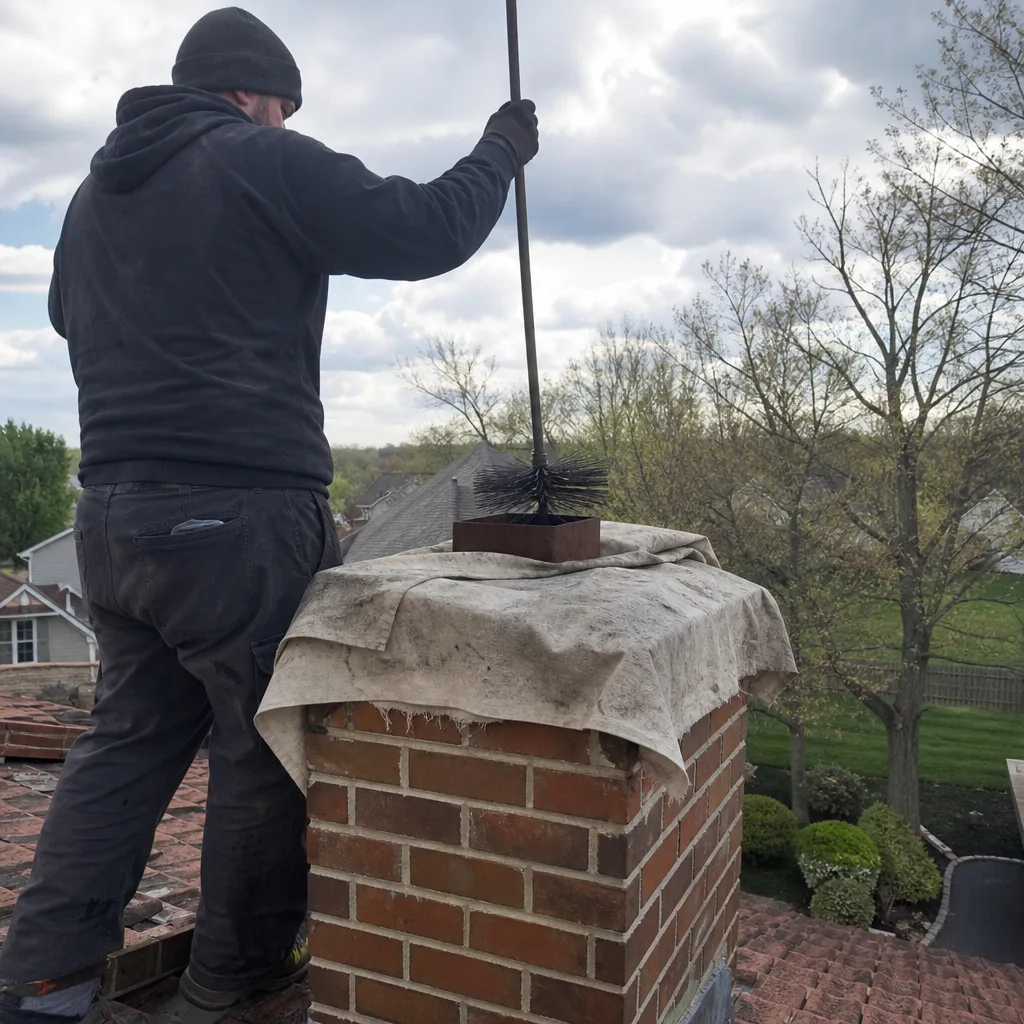
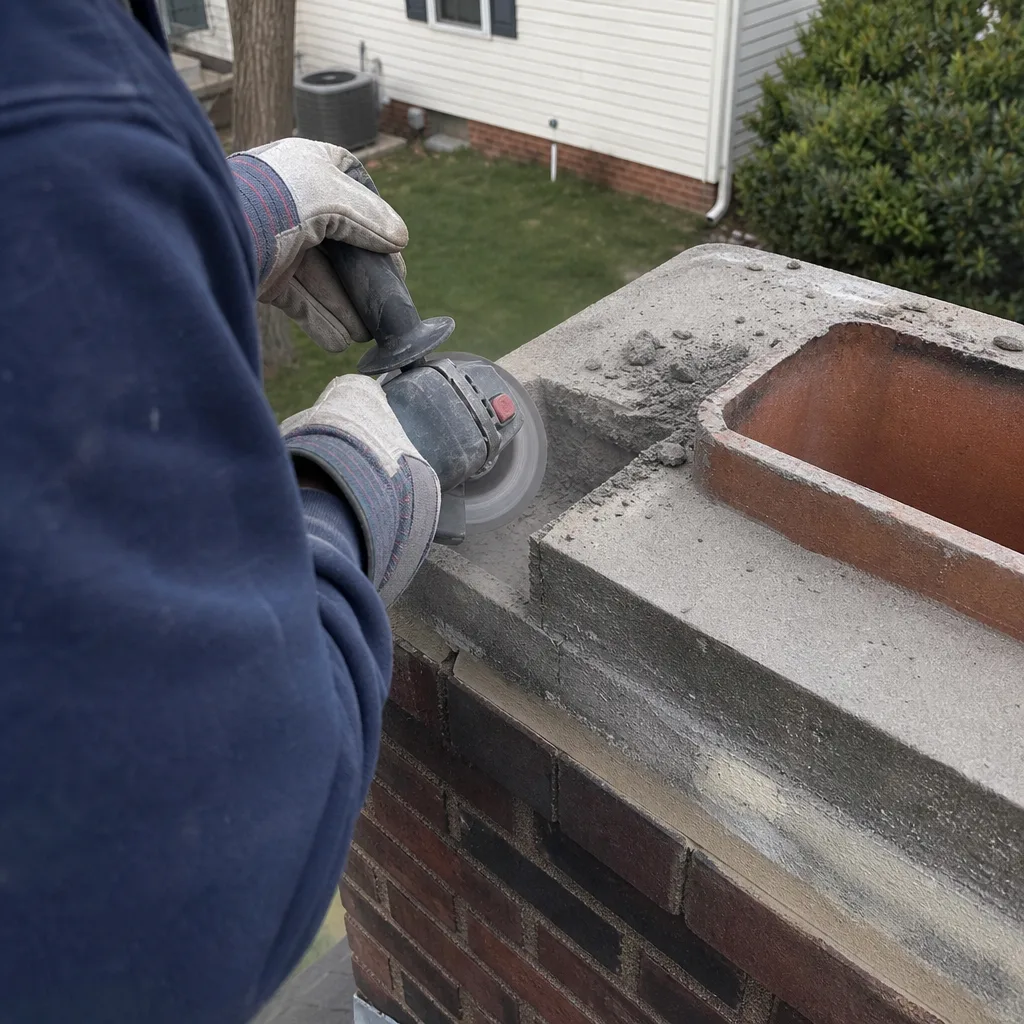
The brickwork on Great Falls chimneys takes decades of thermal cycling: fires roaring in January, humid summers, wind-driven rain off the Potomac gorge. The mortar joints are the first thing to fail. When we repoint, we grind out the degraded mortar and pack in fresh joints matched to your home’s original brick color and profile. A typical repointing job on a single-flue Great Falls chimney runs $350-$1,400 depending on chimney height and how much joint work is needed. Taller chimneys on 1970s estate homes cost more because of the scaffolding and safety rigging involved.
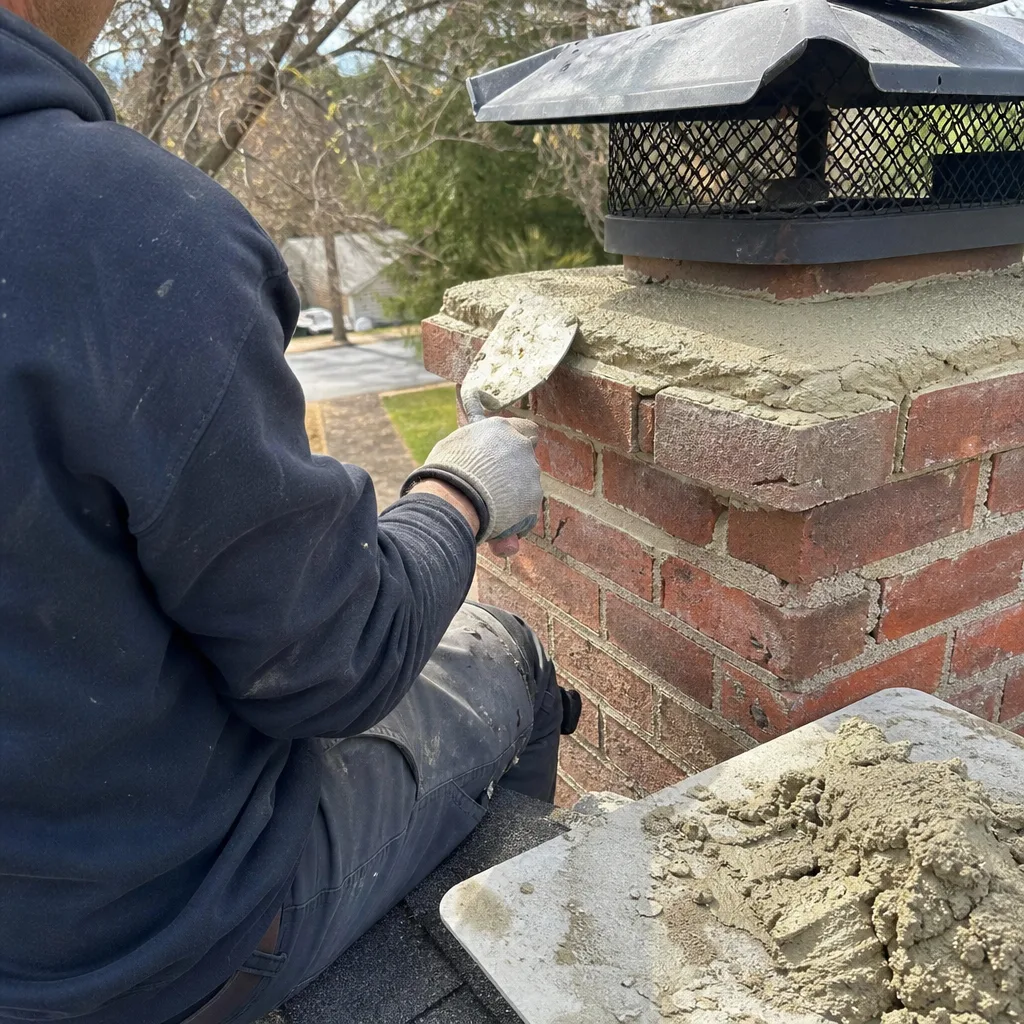
Spalling Brick Repair
Spalling is what happens when water soaks into the brick face, freezes, and pops the surface off in flakes. We see it constantly on Great Falls colonials where chimneys face the river wind and rain. If the structural brick behind the spalled face is still sound, we cut out the damaged bricks and set in replacements matched to your home. If the spalling has gone deep into the chimney’s structural core, partial rebuilding may be necessary. Spalling brick repair in Great Falls typically runs $600-$2,800 depending on the number of bricks and the chimney’s height. The crown is usually the cause, so we address that before replacing brick.
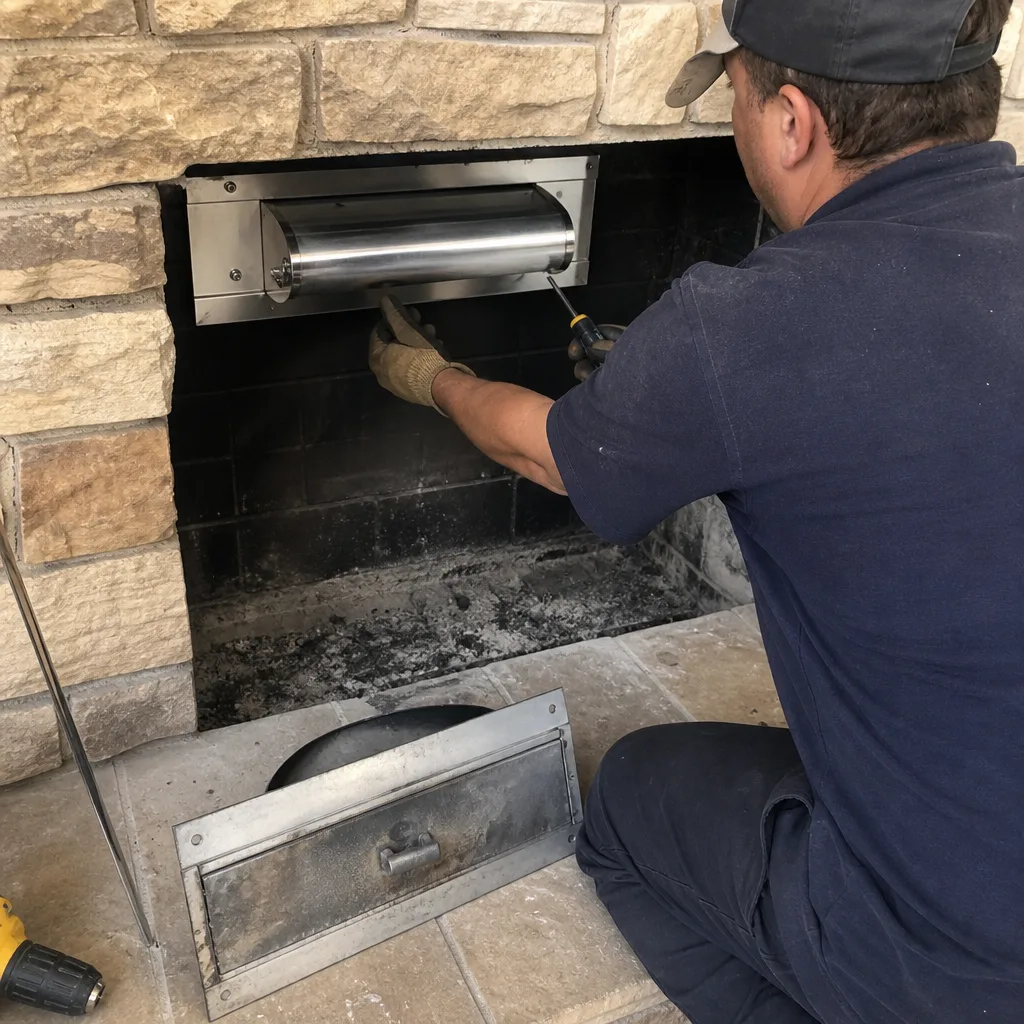
Chimney Waterproofing
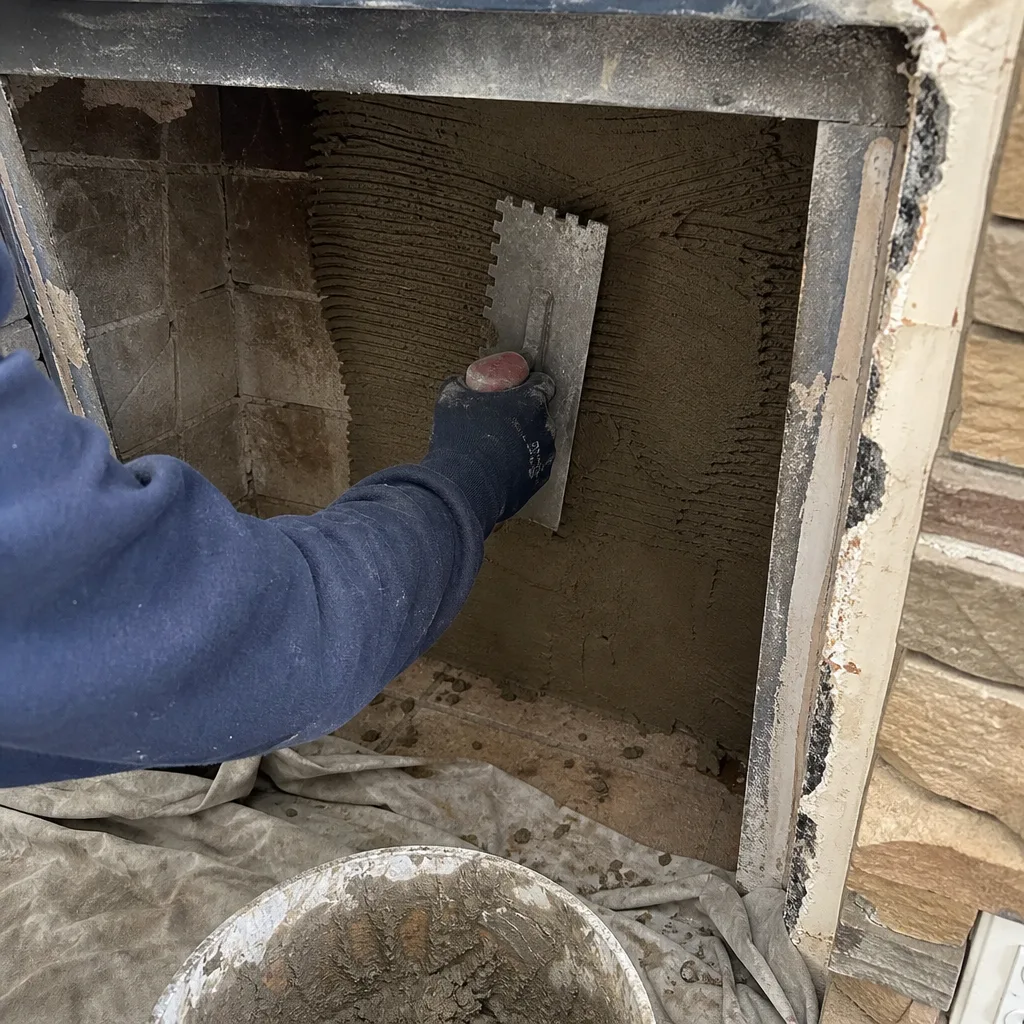
Great Falls sits at the edge of the Potomac gorge, and that means wind-driven rain hits chimneys on exposed lots harder than homes set back in wooded tracts. After repairs are done, we apply a vapor-permeable waterproofing treatment like Gelco that can be applied to mortar and brick to keep water out without trapping moisture inside the masonry. Waterproofing a Great Falls chimney runs $450-$1,200 for a typical single-chimney application. It’s one of the best dollar-for-dollar protections on an estate home with multiple fireplaces, because it slows the freeze-thaw cycle that causes spalling in the first place.
Flashing Repair
Flashing is the metal seal where the chimney meets the roofline, and on Tudor-style Great Falls custom homes it’s often the first thing to lift or corrode. When flashing fails, water runs down the outside of the flue, into the smoke chamber, and sometimes into the firebox between cleanings. We remove the old flashing, inspect the roof line, and install new copper or galvanized flashing sealed to the chimney and the roof deck. Flashing repair in Great Falls typically runs $400-$1,100 depending on roof pitch and chimney placement. This is the repair that usually stops the water you might notice after a hard rain.
What happens when you call
- 1
A real person answersNo phone trees - you reach a local pro.
- 2
You get an upfront price rangeHonest numbers before anyone is dispatched.
- 3
A background-checked tech heads outLicensed & insured, dispatched right away.
- 4
You approve before work beginsNothing starts until you say go.
BeforeAfterTrusted Brands We Service in Great Falls
We build with components manufactured by Olympia Chimney, Famco, and Copperfield, so when a Great Falls home needs a new damper, cap, or flashing assembly, we’re not ordering from whoever is cheapest this week. Our crews are trained on these systems, and we carry the parts that match what’s already on most local chimneys. When your damper is rusted open or your cap has lifted off a forty-foot flue, having the replacement on the truck means one visit instead of two.
For liner work, we source from DuraFlex when a stainless-steel reline is the right call. The point isn’t the brand name; it’s that the components are made to fit what’s already built, and the pricing reflects materials procured through the Haven buying network, not marked up through a middleman.
Common Chimney Repair Problems We See in Great Falls Homes
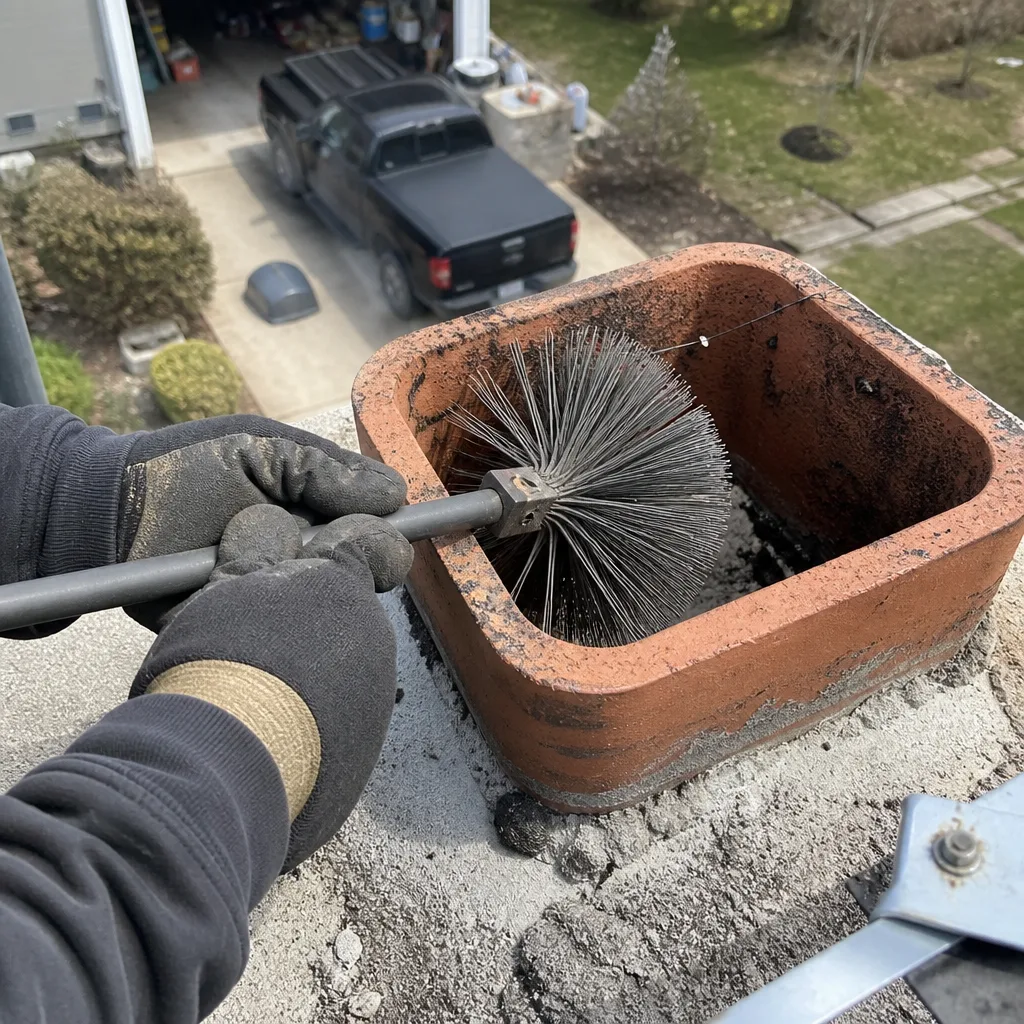
- Stage-2 creosote glaze by February. Great Falls homeowners burn storm-felled oak, tulip poplar, and hickory from their own land, usually within months of the tree coming down. That wood hasn’t seasoned the 12-18 months it needs. The result is first-degree creosote turning into a tar glaze inside the flue within a single burn season. If we cleaned you in October and you’ve burned self-cut wood all winter, a mid-season inspection is worth scheduling.
- Spalled and failed mortar on forty-foot chimneys. The 1970s-1990s brick colonials that dominate Great Falls were built with two to five fireplaces as standard, and many of those chimneys rise forty feet or more. That’s decades of thermal expansion and contraction, plus wind-driven rain off the Potomac. The mortar and brick face give out eventually. We see it as missing mortar joints, flaking brick faces, and loose debris caught on the crown.
- Wind-channeling downdrafts on ridge-line lots. Homes along River Bend Road and the bluffs above the Potomac gorge get localized wind channeling that pushes smoke back into the great room. Sometimes that’s a draft issue solved by a different damper arrangement. Often it’s a cracked flue liner or a chimney cap that isn’t doing its job. A Level 2 camera scan tells you which one it is.
- Corroded caps and flashing on Tudor-style custom homes. Years of debris and moisture intrusion take a toll on the metal components. When the cap fails, rain and leaves get in. When the flashing lifts, water runs down the flue and into the smoke chamber. Both are repairable, but they get more expensive the longer they’re ignored.
Pricing for Chimney Repair in Great Falls, VA
Here are the numbers we’re quoting on Great Falls jobs right now:
- Mortar repointing: $350-$1,400 per chimney, depending on height and joint condition
- Spalling brick repair: $600-$2,800, depending on brick count and chimney height
- Chimney waterproofing: $450-$1,200 for a standard single-chimney application
- Flashing repair: $400-$1,100 per chimney, depending on roof pitch and flashing condition
- Chimney crown rebuild: $800-$2,200 when the crown has cracked beyond patching
What moves the number is height, access, and how much of the chimney’s structural masonry has failed. A single-story cap repair on a ranch is one thing. Repointing a forty-foot chimney on a River Bend Road colonial with scaffolding and safety rigging is another. Every estimate is written, with a written scope and a written warranty attached. You’ll know the price before we start. If you bring us a competitor’s written quote, we’ll give you a free second opinion on it. Call (571) 601-3174 and we’ll schedule the inspection.
We Also Serve Cities Near Great Falls
Our crews work throughout Northern Virginia, and you’ll find us regularly in Great Falls properties as well as the surrounding communities. We handle Chimney Repair service calls in Reston, Herndon, Sterling, and Vienna, with the same written-price standard and camera-scan documentation on every job. If you’re a few miles down Route 7 or off the Dulles Toll Road, the process doesn’t change.
Serving Great Falls, VA - Our Local Coverage Area
We’re based in the Great Falls area and know this community well. Use the map below to see our service coverage - if you’re nearby, we can almost certainly help.
FAQs - Chimney Repair in Great Falls
A Great Falls home burning self-cut, under-seasoned wood across multiple fireplaces should get a Level 2 inspection annually at minimum, and many of our clients on wooded lots schedule a mid-season check in January or February when they’re burning heavily. It’s not a formality here. Self-cut oak and hickory that hasn’t seasoned 12-18 months produces creosote fast. One October cleaning can be followed by stage-2 glaze by President’s Day. Our crews note this pattern on the first visit and often recommend a follow-up scan for homes with active woodlot clearing. Call (571) 601-3174 to book an inspection at a time that works for your burn schedule.
Wind channeling off the Potomac gorge commonly pushes smoke back down chimneys on ridge lines along River Bend Road and the nearby bluffs, and the cause is usually either a cracked flue liner, a failed damper, or a chimney cap that’s no longer deflecting the wind the way it should. It’s not something to live with, and it’s not just a nuisance: smoke spilling into the great room means your flue isn’t drafting the way it should, and the fix often shows up clearly on a Level 2 camera scan. We spent a morning on a bluff-top brick colonial off River Bend Road where this exact thing was happening every windy evening. The camera found a cracked flue liner in the main fireplace and water-soaked, spalled brick on the crown. After a crown rebuild with Gelco waterproofing, repointed mortar joints, and a new Famco damper, the smoke spillback stopped the first evening they lit a fire.
For a 1980s Great Falls brick colonial with multiple fireplaces and a wood stove on the same chimney system, a Level 2 inspection is the right starting point, and it’s what we perform on every repair visit by default. Level 2 includes a camera scan of the interior flue surfaces, the smoke chamber, and the accessible voids, which is what you need when a home has multiple appliances tied into the chimney structure. Level 3 inspections are reserved for cases where a Level 2 finds structural damage that requires opening concealed areas of the chimney or removing portions of the masonry to see the full extent. We’ll tell you after the Level 2 which applies.
No. Third-degree creosote can form a hard glaze that won’t come off with a standard wire brush, and attempting to scrape or chip it out yourself can crack flue tiles or leave you with a hidden fire hazard you can’t see. It’s not a maintenance task. In Great Falls, where green oak and hickory from storm-felled trees are common fuels, we see third-degree deposits more often than in most other NoVA communities. The removal process often requires rotary cleaning tools and a follow-up camera scan to confirm the flue is actually clean. This is a job for a trained professional, not a Saturday afternoon. Call (571) 601-3174 and we’ll put you on the schedule.
Yes, a vapor-permeable waterproofing treatment can significantly slow spalling on Great Falls estate homes by keeping wind-driven rain from soaking into the brick face and freezing. Water is what does the damage. When water saturates the masonry and freezes, the expansion pops the outer brick face off. Waterproofing with a product like Gelco keeps liquid water out while letting moisture inside the chimney escape, which is the balance you need. On exposed chimney faces that catch wind off the Potomac gorge, we recommend waterproofing right after any repointing or brick replacement is completed. The repair fixes the current damage; the waterproofing slows the next round.
Call Level Two Chimney Leesburg for Chimney Repair in Great Falls
If you live in Great Falls and you suspect a chimney problem, or you just haven’t had a camera down your flue in the last year, call (571) 601-3174. We’ll schedule a Level 2 inspection, put the written price in your hands before any work starts, and leave you with the photo record that shows exactly what we found. Free estimates, written warranties on every job, and a live person on the line whenever you call.
Written by Corrine Halstead, Owner at Level Two Chimney Leesburg, serving Great Falls and the surrounding NoVA community under the Haven Standard since 2009.
Chimney Repair in Nearby Areas